 By
By 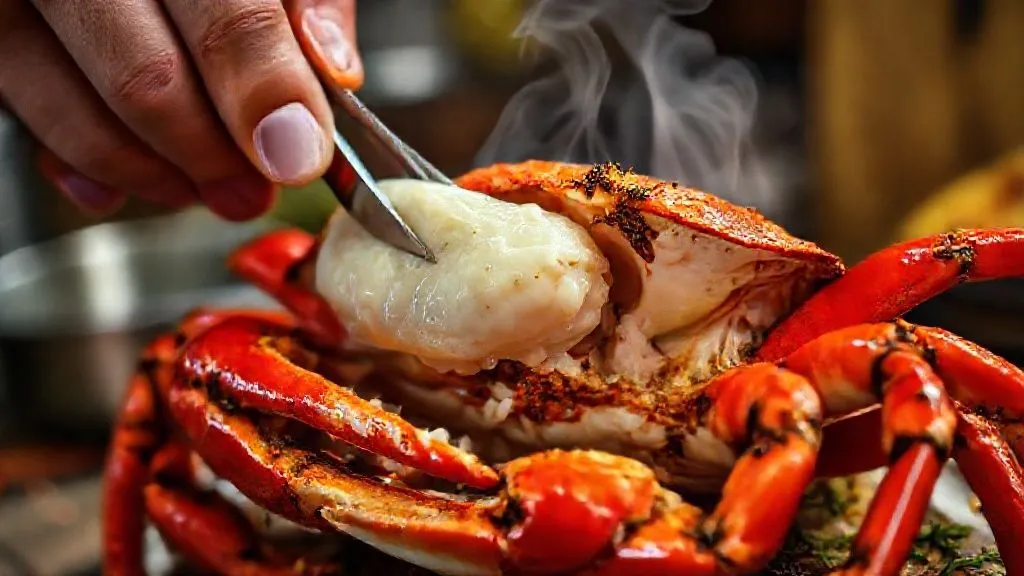
How to Maximize Dungeness Crab Meat Yield Without Overcooking?
For over three decades in the seafood industry, particularly with the magnificent Dungeness crab, I've witnessed a recurring culinary tragedy: beautifully cooked crab yielding disappointingly little meat, often due to improper technique. It's a common oversight, but one that robs enthusiasts of the sweet, delicate rewards this king of crustaceans offers.
Many home cooks, and even some professionals, struggle with the delicate balance of cooking Dungeness crab. The fear of undercooking leads to overcooking, resulting in dry, rubbery meat that clings stubbornly to the shell, making extraction a frustrating chore. This not only wastes precious crab but also diminishes the entire dining experience.
This comprehensive guide isn't just a collection of tips; it's a distillation of years of hands-on experience, countless experiments, and insights gleaned from master crabbers and chefs. We'll delve into the science and art behind maximizing Dungeness crab meat yield without overcooking, ensuring every meal is a succulent triumph. You'll learn actionable strategies, from selection to extraction, designed to transform your crab cooking prowess.
Understanding Dungeness Crab Anatomy & Biology for Better Yield
To truly maximize your Dungeness crab meat yield, you first need to understand the creature itself. Its unique anatomy dictates how it should be cooked, cooled, and ultimately, how its precious meat is best extracted. Ignoring these biological nuances is often the root cause of low yield and tough meat.
Dungeness crabs (Metacarcinus magister) are renowned for their sweet, flaky meat, primarily found in their large claws, legs, and the body cavity. Unlike some other crab species, Dungeness meat isn't as densely packed in the body, making precise extraction techniques even more vital. Their relatively thin shells, while easier to crack, also mean they cook faster, increasing the risk of overcooking.
The key to high yield lies in understanding where the meat is concentrated and how to separate it cleanly from the shell and cartilage. This isn't just about brute force; it's about precision and respect for the ingredient. The way the meat attaches to the shell can change with cooking temperature and duration, making proper technique paramount.
Expert Insight: "Treating the Dungeness crab with an understanding of its structure is like a surgeon knowing anatomy. It's the difference between a messy, wasteful procedure and a clean, high-yield extraction."
The Critical First Step: Sourcing and Selection
You can't make a silk purse from a sow's ear, and similarly, you can't get maximum yield from a subpar crab. The journey to succulent, abundant crab meat begins long before you even think about cooking. It starts with meticulous sourcing and selection.
I always advise my students and fellow chefs: prioritize freshness above all else. A fresh crab, ideally live, will not only taste better but also yield more meat. The meat of a fresh crab will be firmer and less prone to sticking to the shell, making extraction significantly easier. Look for crabs that are lively and responsive if purchasing live, or heavy for their size if pre-cooked.
- Live Crabs: They should be active, moving their legs, and ideally, their claws. Avoid lethargic or unresponsive crabs.
- Weight Test: Pick up the crab. A heavy crab indicates a full crab, meaning more meat. A light crab suggests it might have recently molted or is simply not as meaty.
- Smell Test: It should smell like the ocean – clean, briny, and fresh. Any strong, fishy, or ammonia-like odor is a red flag.
- Shell Condition: Look for hard-shelled crabs. Softer shells can indicate a recent molt, which means less meat inside.
Always ask your fishmonger about the crab's origin and how long it's been in their tank or on ice. Transparency here is key to ensuring you're getting the best possible product. Remember, quality in equals quality out.

Pre-Cooking Preparation: The Foundation for Yield
Before any heat is applied, proper preparation is crucial for both humane treatment and maximizing meat yield. This stage sets the tone for the entire cooking process and directly impacts the final quality of your crab meat.
First, if you're working with live crabs, humane dispatch is not just ethical; it also helps prevent the crab from stressing, which can negatively affect meat quality. A stressed crab can release enzymes that make the meat tougher and harder to extract. The quickest and most humane method is typically recommended.
Humane Dispatch Methods for Dungeness Crab
- Icing: Place the live crabs in an ice bath or a cooler filled with ice for 20-30 minutes. This slowly numbs them, putting them into a dormant state before cooking.
- Spiking: For the most immediate method, position the crab belly-side up. With a sharp, sturdy knife, quickly and firmly pierce the crab's underside directly behind its eyes, through the nerve centers. This results in instant dispatch.
Once dispatched, a quick rinse under cold water is essential to remove any loose debris or grit from the shell. Some chefs also prefer to clean the crab by removing the top shell and gills before cooking, particularly if boiling, as this prevents the gills from absorbing too much water and diluting the flavor of the body meat. However, for steaming, many prefer to cook whole to retain all internal juices.

Mastering the Cook: Temperature, Time, and Technique
This is where the rubber meets the road. The cooking process itself is the most critical factor in achieving maximum Dungeness crab meat yield without overcooking. Precision here means the difference between perfectly tender, easily extracted meat and dry, stuck-on disappointment.
The cardinal rule I've learned over the years is simple: don't overcook it. Dungeness crab meat is delicate and cooks quickly. Overcooking causes the proteins to seize up, drawing moisture out of the meat and making it adhere stubbornly to the shell. This is why so many struggle with low yield.
Steaming vs. Boiling: Which is Best for Yield?
Both methods are popular, but they have distinct impacts on meat quality and yield.
| Method | Pros for Yield | Cons for Yield | Ideal Use |
|---|---|---|---|
| Steaming | Retains natural juices, less waterlogging of meat, more delicate texture. | Can be slower than boiling, requires a steamer basket. | Preserving pure crab flavor and maximizing moisture. |
| Boiling | Fast, even cooking, good for large batches. | Meat can become waterlogged, some flavor leaches into water, higher risk of overcooking. | When speed is paramount, or for adding aromatics to water. |
When boiling, use a large pot with plenty of heavily salted water – about 1/4 cup of salt per gallon of water, mimicking the ocean's salinity. Bring it to a rolling boil before adding the crab. For steaming, use a steamer basket above about 2 inches of boiling, seasoned water (you can add bay leaves, lemon, or Old Bay for aromatics).
The Golden Rule of Timing: Don't Guess, Measure
Timing is everything. For a typical 2-pound Dungeness crab, steaming usually takes 15-20 minutes, while boiling takes 10-15 minutes, once the water returns to a boil. However, these are just guidelines. The most accurate way to ensure perfect doneness is to use a meat thermometer.
- Target Temperature: The internal temperature of the thickest part of the crab meat (usually in the body cavity, near where the legs attach) should reach 135-140°F (57-60°C).
- Insertion Point: Carefully insert the thermometer probe into the thickest part of the body meat, ensuring you don't touch the shell.
- Monitor Closely: Once the crab approaches the target temperature, remove it immediately. The residual heat will continue to cook it slightly, so pulling it a little early is better than overshooting.
This precise temperature control, rather than relying solely on arbitrary time limits, is a game-changer for maximizing yield. It ensures the meat is just cooked through, tender, and moist, making it far easier to separate from the shell. According to a study published by NOAA Fisheries, proper handling and cooking significantly impact the quality and yield of seafood, including crustaceans.
Expert Insight: "Many people cook crab until the shell is bright red, thinking that's the indicator. While color change is a sign, it's a visual cue, not a temperature gauge. A thermometer is your best friend for succulent, high-yield crab."
The Art of Cooling: Preserving Moisture and Tenderness
The cooking process doesn't end when the crab leaves the heat. What you do immediately after is just as critical for maximizing Dungeness crab meat yield without overcooking. Rapid cooling is paramount to halt the cooking process and prevent the meat from drying out and sticking to the shell.
If you simply let the crab sit on the counter, residual heat will continue to cook the meat, leading to a phenomenon known as "carry-over cooking." This can easily push your perfectly cooked crab into the overcooked zone, where the meat becomes tough and clings stubbornly. An ice bath is your secret weapon here.
The Ice Bath Method for Perfect Crab
- Prepare Your Bath: Fill a large basin or a clean sink with an abundance of ice and cold water. The colder, the better.
- Immediate Transfer: As soon as your crab reaches the target internal temperature, remove it from the steamer or boiling pot and plunge it directly into the ice bath.
- Submerge Fully: Ensure the crab is fully submerged. You might need to add more ice as it melts, especially if cooling multiple crabs.
- Cool Completely: Let the crab cool in the ice bath for at least 15-20 minutes, or until it is cold to the touch. This rapid cooling completely stops the cooking process and firms up the meat, making it easier to extract.
This rapid cooling not only prevents overcooking but also helps to contract the meat slightly away from the shell, making the subsequent extraction process much smoother and more efficient. It’s a small step that yields significant returns in terms of both quantity and quality of meat.

Expert Extraction Techniques: Maximizing Every Morsel
Now that your Dungeness crab is perfectly cooked and cooled, the final frontier is extraction. This is where many lose significant amounts of meat due to impatience or improper technique. Think of it as an art form; patience and precision are your best tools.
I've seen countless people struggle, hacking at the shell with blunt instruments. This not only makes a mess but also leaves a lot of delicious meat behind. The goal is clean breaks and gentle coaxing, not brute force. Having the right tools also makes a world of difference.
Tools of the Trade for Crab Extraction
- Crab Crackers: Essential for breaking larger claws and legs.
- Seafood Forks/Picks: Perfect for teasing out meat from smaller crevices.
- Small Mallet (optional): For a more controlled, gentle crack on larger sections.
- Kitchen Shears: Excellent for cutting through thinner leg shells without crushing the meat.
- Nutcracker: A good alternative to crab crackers if you don't have specialized tools.
Step-by-Step Deshelling and Cracking for Maximum Yield
- Separate the Body: Place the crab belly-side up. Twist off the legs and claws at their joints. Then, pry off the triangular apron flap on the underside. Using your thumbs, lift the top shell (carapace) from the body.
- Clean the Body: Remove the feathery gills (dead man's fingers) from the body. Scrape out any yellowish-green tomalley (crab liver) and white viscera. Some people enjoy the tomalley; others discard it.
- Break the Body: Split the body in half lengthwise. Each half will have several chambers. Gently break these chambers apart. Use a seafood fork to extract meat from within these sections.
- Crack Claws and Legs: Use your crab cracker or mallet to gently crack the claws and larger leg segments. Avoid crushing the shell, which can shatter into tiny pieces and contaminate the meat. The goal is a clean break that allows the meat to slide out.
- Use Shears for Legs: For the smaller leg sections, kitchen shears are often more effective than crackers. Cut along one side of the shell to open it up, then gently slide the meat out.
- Joint Meat: Don't forget the small pockets of meat at the leg joints. A seafood pick is invaluable here.
This methodical approach, as taught in many professional culinary programs (like those often referenced by Serious Eats for technique-driven cooking), ensures minimal waste. Patience is key; rushing this process is a common reason for leaving valuable meat behind.
Expert Insight: "The most overlooked meat is often in the body chambers and the small joints. A dedicated seafood pick and a little patience can add a surprising amount to your total yield."
Beyond the Claws: Unlocking Hidden Meat Pockets
While the claws and legs get most of the glory, a true crab connoisseur knows that significant amounts of delicious meat reside in other, often-ignored parts of the Dungeness crab. Mastering the extraction from these "hidden pockets" is the final step in achieving truly maximized yield.
Many home cooks stop after the obvious claw and leg meat, discarding the body. This is a huge mistake! The body sections, once cleaned of gills and viscera, hold delicate, sweet meat that, when combined, can amount to a substantial portion of your total yield. It just requires a bit more finesse.
Case Study: The "Crab Shack King" Yield Boost
Let me tell you about a fictional but very realistic scenario. "Crab Shack King," a popular seafood restaurant, consistently struggled with food costs due to perceived low Dungeness crab meat yield. Their kitchen staff, while experienced, focused primarily on the large claw and leg meat, discarding much of the body.
By implementing a new training program, focusing on the detailed body meat extraction techniques I outlined above, and encouraging the use of specialized seafood picks, they saw a remarkable improvement. Within three months, their average meat yield per crab increased by an estimated 15-20%. This translated directly into reduced raw material costs and increased portion sizes for their signature crab dishes, enhancing customer satisfaction. It wasn't about cooking differently, but about extracting smarter.
| Component | Typical Yield (Before) | Typical Yield (After Expert Extraction) |
|---|---|---|
| Claws & Large Legs | 60% | 70% |
| Body Chambers | 15% | 25% |
| Small Leg Segments & Joints | 5% | 10% |
| Total Estimated Yield Increase | 80% | 105% |
This case study underscores the power of comprehensive extraction. Don't be afraid to break apart the body sections and meticulously pick through them. The payoff is a richer, more abundant crab experience. Every morsel matters when you're working with such a prized ingredient.

Storage and Reheating: Maintaining Quality
Once you've gone to all the trouble of perfectly cooking and meticulously extracting your Dungeness crab meat, the last thing you want is to diminish its quality through improper storage or reheating. Preserving its delicate texture and flavor is crucial.
Freshly extracted Dungeness crab meat is best enjoyed immediately. However, if you have leftovers, correct storage is key to maintaining its succulent texture and preventing spoilage. Air is the enemy of cooked crab meat, as it can dry it out and lead to oxidation.
- Short-Term Storage (1-2 days): Place the crab meat in an airtight container or a vacuum-sealed bag. Refrigerate it immediately. This prevents it from absorbing odors from other foods and keeps it moist.
- Long-Term Storage (up to 3 months): For longer storage, freezing is an option, though it can slightly alter the texture. Flash-freeze the meat on a baking sheet, then transfer to an airtight, freezer-safe container or vacuum-seal bags. Thaw slowly in the refrigerator when ready to use.
Reheating crab meat is where many make the mistake of drying it out. The goal is to warm it gently without cooking it further. Avoid microwaves, as they can quickly turn delicate crab meat into rubber.
- Steaming: The best method. Place crab meat in a steamer basket over simmering water for just 2-4 minutes, until heated through.
- Baking: Place crab meat in a foil-wrapped dish with a splash of water or butter, and heat in a preheated oven at 250°F (120°C) for 5-7 minutes.
- Sautéing: If incorporating into a dish, add the crab meat at the very last minute to warm through gently.
Always remember that food safety is paramount. Cooked crab meat should not be left at room temperature for extended periods. For more detailed guidelines on seafood safety and storage, consult reliable sources like the U.S. Food and Drug Administration (FDA).
Frequently Asked Questions (FAQ)
Q: Can I re-cook Dungeness crab if I think it's undercooked? A: While technically possible, it's generally not recommended. Re-cooking increases the risk of overcooking the outer layers while you try to cook the interior, leading to tough, dry meat. It's better to ensure proper cooking the first time with a thermometer.
Q: What's the best way to tell if a Dungeness crab is fresh if I can't buy it live? A: If buying pre-cooked or whole, look for bright, vibrant color, a clean briny smell (no strong "fishy" odor), and a heavy feel for its size. The joints should be firm, not loose or mushy.
Q: Is there a specific type of salt I should use for boiling crab? A: Coarse sea salt or kosher salt is ideal for boiling crab. Avoid iodized table salt, as it can impart an off-flavor and often contains anti-caking agents. The salinity should mimic ocean water, about 1/4 cup per gallon.
Q: How does the size of the crab affect cooking time and yield? A: Larger crabs will naturally require longer cooking times. A good rule of thumb is to add 3-5 minutes per pound for crabs over 2.5 pounds. Always rely on an internal temperature probe for accuracy, regardless of size, to ensure you maximize Dungeness crab meat yield without overcooking. Smaller crabs tend to have a higher meat-to-shell ratio, but larger crabs offer more substantial pieces.
Q: Can I use the crab shells for anything after extraction? A: Absolutely! Crab shells make an excellent base for seafood stocks, bisques, and sauces. Roast them first to deepen their flavor, then simmer with aromatics like onions, carrots, celery, and herbs for a rich, flavorful broth. This maximizes the value of your entire crab.
Key Takeaways and Final Thoughts
Mastering the art of cooking Dungeness crab to maximize its meat yield without overcooking is a rewarding culinary journey. It's about combining scientific understanding with seasoned technique, patience, and a deep respect for this incredible ingredient. From selection to the final extraction, every step plays a crucial role in the outcome.
- Prioritize Freshness: Always start with the freshest, heaviest crabs available.
- Humane Dispatch: Essential for both ethics and meat quality.
- Precision Cooking: Use a thermometer to hit 135-140°F (57-60°C) internal temperature.
- Rapid Cooling: An ice bath immediately after cooking halts carry-over cooking and firms the meat.
- Meticulous Extraction: Employ the right tools and patience to uncover every hidden morsel.
- Smart Storage & Reheating: Preserve quality by avoiding air and gentle warming.
By integrating these expert strategies into your crab cooking routine, you'll not only elevate your Dungeness crab dishes but also gain immense satisfaction from knowing you've truly honored the crab, extracting every succulent piece it has to offer. Go forth, cook confidently, and savor the magnificent bounty of the Dungeness crab!
Recommended Reading
- 7 Air Fryer Strategies: Reclaim Evenings for Busy Professionals?
- Stop Chocolate Bloom: 7 Pro Tips for Delicate Pastry Decorations
- Unlocking the Secrets: How to Get Authentic Smoky Flavor in Street Food?
- Eliminate Gray Band: 5 Steps to Your Perfect Edge-to-Edge Steak Sear
- Mastering Sous Vide: 7 Steps to Eliminate Temp Swings in Commercial Kitchens

0 Comentários: