 By
By 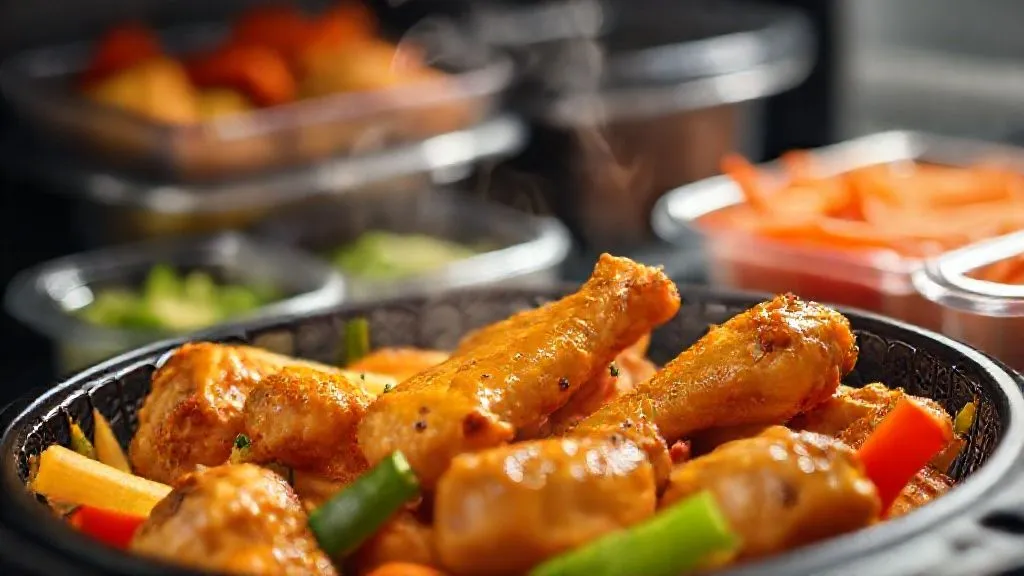
How to avoid dry food when batch cooking air fryer recipes?
For over 15 years in the culinary world, specializing in efficient, modern cooking methods, I've heard the same lament from countless home cooks: the struggle with dry, unappetizing food when trying to leverage the air fryer for batch cooking. It's a common trap, one I've fallen into myself during my early days of experimenting with this incredible appliance. The promise of quick, crispy meals for the week often gives way to disappointing, dried-out results that leave you reaching for a glass of water more than savoring the flavor.
You invest time in meal prep, carefully seasoning and portioning, only to pull out food that’s lost its succulence, tasting more like cardboard than the juicy, tender delight you envisioned. This isn't just a minor inconvenience; it can derail your healthy eating goals, lead to food waste, and frankly, make you question the very efficiency an air fryer promises. The frustration is real, and it's born from a misunderstanding of how the air fryer's powerful convection mechanism interacts with larger quantities of food.
But I'm here to tell you that dry, flavorless air fryer batch meals are entirely avoidable. Through years of testing, countless culinary experiments, and understanding the science behind air frying, I've developed a robust set of strategies. In this definitive guide, I'll share six proven, actionable frameworks that will transform your batch cooking experience, ensuring every morsel from your air fryer is perfectly moist, flavorful, and exactly what you hoped for. Get ready to master your air fryer and enjoy delicious, stress-free meal prep!
Understanding the Air Fryer's Drying Mechanism: The Silent Culprit
Before we dive into solutions, it's crucial to understand the 'why' behind dry air fryer food, especially when batch cooking. The air fryer is, at its core, a powerful convection oven. It circulates extremely hot air at high speeds around your food. This process is fantastic for achieving that desirable crispy exterior quickly, but it's also incredibly efficient at stripping away moisture.
Think of it like a desert wind. While it cooks quickly, it also dries rapidly. When you're cooking a single serving, the cooking time is relatively short, minimizing moisture loss. However, when you're batch cooking, you often need longer cooking times, higher temperatures (or repeated cycles), and the food is exposed to this dehydrating environment for extended periods. This prolonged exposure, coupled with potential overcrowding, accelerates moisture evaporation, leading to that dreaded dry texture.
The air fryer's efficiency is also its greatest dehydrator if not managed correctly. Understanding this mechanism is the first step to mastery, turning a potential flaw into a controllable variable.
Moreover, different foods have varying moisture content and fat levels. Lean meats, for instance, are far more susceptible to drying out than fattier cuts or vegetables with high water content. This inherent vulnerability becomes amplified when you're trying to cook larger volumes, making thoughtful preparation and technique absolutely paramount.

The Batch Cooking Conundrum: Why It's Tricky to Get Right
Batch cooking in an air fryer presents unique challenges beyond just the drying effect. When you fill the basket with multiple portions, you're fundamentally changing the cooking dynamics compared to a single layer of food. The hot air can't circulate as freely, leading to uneven cooking, where some pieces might be perfectly done while others are either undercooked or, more commonly, overcooked and dry.
Another factor is the sheer volume. A larger mass of food takes longer to heat through, and as it sits in the hot air, it continues to lose moisture. Many home cooks try to compensate by simply increasing the cooking time or temperature, which often exacerbates the drying problem without necessarily achieving even cooking. The goal here isn't just to cook the food, but to cook it *evenly* and *moistly* across an entire batch, which requires a nuanced approach.
My experience has taught me that simply throwing more food into the basket and hoping for the best is a recipe for disappointment. Instead, we need to be strategic, adapting our usual air frying methods to account for the increased volume and the need for consistent, moisture-retaining results. This means focusing on preparation, precise temperature control, mid-cook interventions, and proper post-cooking care.
Strategy 1: The Art of Prepping for Moisture Retention
The battle against dry food in the air fryer begins long before your food ever touches the basket. Proper preparation is your strongest defense, setting the stage for juicy, tender results.
Marinades and Brines: Your First Line of Defense
Marinades and brines are not just for flavor; they are powerful tools for moisture retention. A good marinade, especially one containing acidic components like citrus juice, vinegar, or dairy (yogurt, buttermilk), helps to tenderize the protein while also creating a barrier that locks in moisture. Brines, on the other hand, use salt and water to alter the protein structure, allowing it to absorb and hold onto more moisture during cooking.
How to use them effectively:
- Choose Wisely: For chicken or pork, a buttermilk or yogurt marinade works wonders. For beef or fish, citrus or vinegar-based marinades are excellent.
- Time it Right: Marinate for at least 30 minutes, but ideally 2-4 hours for most proteins. Over-marinating with strong acids can toughen food, so be mindful of the recipe's recommendations.
- Brining Basics: For every 4 cups of water, dissolve 1/4 cup of kosher salt. Submerge your protein for 30 minutes to an hour per pound. Rinse and pat dry thoroughly before cooking. According to culinary science, brining is particularly effective for lean meats like chicken breast, enhancing their ability to retain moisture by up to 10% during cooking. Learn more about the science of brining.
The Right Amount of Oil: A Golden Rule
Oil is not just for crispiness; it's a crucial moisture barrier. A thin, even coating of oil creates a protective layer around your food, preventing the rapid escape of internal moisture while promoting beautiful browning. Too little oil, and your food is exposed to the harsh hot air. Too much, and you risk a greasy mess.
- Spritz, Don't Pour: An oil sprayer or mister is your best friend for batch cooking in the air fryer. It ensures an even, light coating without oversaturating the food.
- Choose High Smoke Point Oils: Avocado oil, grapeseed oil, or canola oil are excellent choices as they can withstand the high temperatures of an air fryer without burning or imparting off-flavors.
- Re-oil if Necessary: For longer cooking items, a light spritz halfway through can refresh the moisture barrier.
Cutting and Spacing: Uniformity is Key
Unevenly cut food will cook unevenly. Smaller, thinner pieces will dry out before larger, thicker ones are cooked through. For batch cooking, consistency is paramount.
- Uniformity in Size: Cut your ingredients into pieces of roughly the same size and thickness. This ensures they all cook at a similar rate, preventing some from drying out while others are still cooking.
- Don't Overcrowd: This is perhaps the most critical rule for air frying, especially for batches. The air fryer needs space for hot air to circulate freely around each piece of food. Overcrowding traps steam, leading to soggy results initially, and then uneven cooking and drying.
- Single Layer is Best: Aim for a single layer of food in the air fryer basket whenever possible. If you can't, ensure there's still plenty of space between pieces. This often means cooking in multiple, smaller batches, which, while seemingly less efficient upfront, guarantees superior results.

Strategy 2: Mastering Temperature and Time for Batches
Beyond preparation, how you manage the temperature and cooking duration is vital for preventing dry food when batch cooking. It's not always about cranking up the heat.
Lower Temp, Longer Cook: The Gentle Approach
While high heat delivers crispiness quickly, it also accelerates moisture loss. For batch cooking, especially with thicker cuts or larger quantities, a slightly lower temperature for a slightly longer duration can be a game-changer. This gentler approach allows the food to cook through more evenly without aggressively dehydrating the exterior.
- Adjusting Temperatures: As a general rule, try reducing the recommended temperature by 25-50°F (about 15-28°C) when cooking a full batch compared to a single serving.
- Extend Time: You'll naturally need to extend the cooking time. Start with an additional 10-20% and adjust as needed, checking for doneness frequently.
- Monitor Closely: Use a meat thermometer to ensure internal temperatures reach safe levels without overcooking. According to USDA guidelines, chicken should reach 165°F (74°C).
Preheating: Don't Skip It
Many people skip preheating their air fryer to save time, especially when batch cooking. This is a mistake. Preheating ensures that the moment food enters the basket, it's exposed to consistent high heat, initiating the browning process immediately. If you place food into a cold air fryer, it spends valuable minutes slowly heating up, sitting in gradually warming air, which can lead to sogginess before crisping, and ultimately, more moisture loss.
My recommendation: Always preheat your air fryer for at least 3-5 minutes at your desired cooking temperature, even when cooking multiple batches. This small step makes a significant difference in both texture and moisture retention.
Batch Size and Overcrowding: Less is More
We touched on this in preparation, but it bears repeating: overcrowding is the archenemy of moist air-fried food. When the basket is too full, air cannot circulate effectively. This leads to:
- Uneven Cooking: Some pieces cook faster than others, leading to a mix of perfectly done, undercooked, and dried-out food.
- Steaming, Not Frying: The lack of airflow traps steam, making your food soggy instead of crispy. Once the steam dissipates, the prolonged cooking to achieve crispness then leads to dryness.
- Longer Cook Times: Paradoxically, overcrowding can increase overall cooking time because the air fryer isn't working efficiently.
When in doubt, cook in smaller batches. Patience in the kitchen often yields the most rewarding results, especially when aiming for perfection in texture and moisture.
It's better to cook two smaller, perfectly rendered batches than one large, compromised one. Invest in the extra few minutes; your taste buds will thank you.
| Batch Size | Temp Adjustment | Time Adjustment |
|---|---|---|
| Small (1-2 servings) | None | Standard |
| Medium (3-4 servings) | -25°F (-15°C) | +10-20% |
| Large (5-6 servings) | -50°F (-28°C) | +20-40% |
Strategy 3: The Mid-Cook Moisture Boost
Even with the best preparation and temperature control, sometimes your food needs a little help to stay moist, particularly during longer batch cooking sessions. This is where mid-cook interventions come in.
Spritzing and Brushing: A Quick Refresher
Much like re-oiling a pan, a mid-cook spritz or brush can replenish the protective moisture barrier on your food. This is especially effective for foods that have a tendency to dry out quickly, like chicken breast or certain vegetables.
- When to Do It: Typically, halfway through the cooking process is ideal. Carefully pull out the basket, give the food a quick shake or flip, and apply your chosen liquid.
- What to Use:
- Oil: A light mist of high-smoke point oil (avocado, grapeseed) is excellent for maintaining crispiness and moisture.
- Broth: Chicken or vegetable broth can add flavor and moisture, particularly for meats.
- Water: For a simple moisture boost without adding fat or flavor, a light spritz of water can work, especially for vegetables.
- Don't Overdo It: A light mist is all you need. Too much liquid can steam the food or make it soggy.
The Water Bath Trick: A Secret Weapon for Humidity
This is a lesser-known but incredibly effective trick, especially for foods that are prone to drying out completely. By adding a small amount of water to the air fryer environment, you create a humid microclimate that significantly slows down moisture evaporation from your food.
How to implement the water bath:
- Small Ramekin or Heat-Safe Dish: Place a small, oven-safe ramekin or heat-safe dish with about 1/4 to 1/2 cup of water directly into the bottom of the air fryer basket, beneath the food rack, or even alongside the food if space allows.
- Timing: Add the water at the beginning of the cooking process.
- Considerations: This method is best for foods where crispiness isn't the absolute top priority, or for items that tend to get extremely dry (e.g., certain cuts of chicken, fish fillets). For super crispy fries, you might skip this or use it only for the initial cooking phase before removing the water for the final crisping. The added humidity can slightly prolong cooking times, but the trade-off in moisture is often worth it. Understanding how humidity impacts convection cooking can further enhance your technique.
Strategy 4: Post-Cooking Care for Peak Juiciness
The cooking process doesn't end when the air fryer beeps. How you handle your food immediately after cooking and during storage can make or break its moisture content.
Resting Your Food: The Forgotten Step
Just like with oven-roasted or pan-seared meats, resting is crucial for air-fried proteins. During cooking, the muscle fibers contract, pushing juices to the center of the meat. If you cut into it immediately, those juices will gush out, leaving the meat dry.
The resting process:
- Transfer and Tent: Once cooked, remove your batch-cooked food from the air fryer basket and transfer it to a plate or cutting board.
- Loosely Tent with Foil: Cover the food loosely with aluminum foil. This traps some of the heat, allowing for carryover cooking, but more importantly, it allows the juices to redistribute throughout the meat.
- Resting Times:
- Small cuts (chicken tenders, shrimp): 3-5 minutes
- Larger cuts (chicken thighs, pork chops): 5-10 minutes
This simple step ensures that when you finally cut into your batch-cooked items, every bite is succulent and flavorful. Learn more about why resting meat is essential.
Proper Storage for Retained Moisture
When batch cooking, you're preparing food for future meals. How you store it dramatically impacts its moisture retention over time.
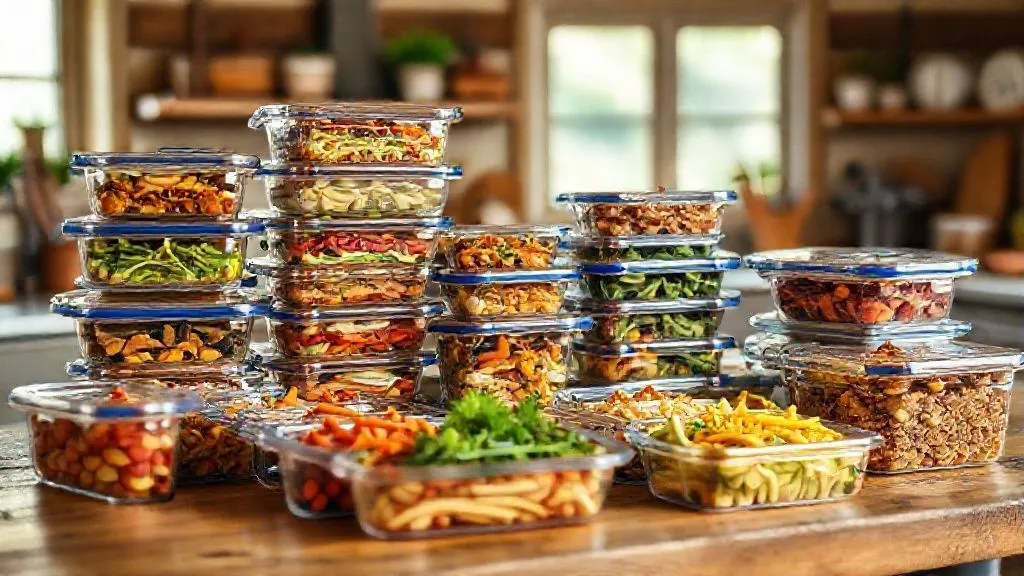
- Airtight Containers: Always store your air-fried batch meals in airtight containers once they have cooled down. Exposure to air is a primary cause of food drying out in the refrigerator.
- Add a Splash of Moisture: For very lean items, consider adding a tablespoon or two of broth, a light sauce, or even just water to the container before sealing it. This creates a slightly humid environment that helps keep the food from drying out further.
- Separate Sauces: If your meal involves a sauce, store it separately and add it just before serving or reheating. This prevents the sauce from making crispy items soggy, and you can use the sauce to rehydrate slightly if needed.
Strategy 5: Equipment and Accessories That Help
Sometimes, the right tools can make all the difference in achieving perfectly moist, batch-cooked air fryer meals.
Parchment Paper and Foils: When to Use Them
While the air fryer relies on airflow, certain accessories can be strategically used to manage moisture.
- Parchment Paper Liners: Specially designed perforated parchment paper liners can be placed in the bottom of your air fryer basket. These prevent food from sticking, make cleanup easier, and can offer a slight barrier against direct, intense heat from the bottom, which can help prevent some drying. Crucially, ensure they are perforated to allow air circulation. Do not use full sheets that block airflow.
- Tent with Foil for Delicate Items: For very delicate items or those that are browning too quickly on the outside while the inside is still cooking, you can loosely tent them with a piece of aluminum foil during the last few minutes of cooking. This acts as a shield, slowing down the browning and further drying of the exterior while the interior finishes cooking.
Silicone Liners and Inserts
Similar to parchment paper, silicone liners and inserts offer a non-stick surface and can help moderate the direct heat. Many air fryer users find these useful for:
- Even Heat Distribution: Some silicone inserts are designed with ridges that slightly elevate food, promoting more even airflow around all sides.
- Protecting Delicate Foods: They can prevent very delicate items from getting scorched by the direct heat of the basket.
- Easy Cleanup: An added bonus is how much easier cleanup becomes, encouraging more frequent use of your air fryer for batch cooking without the dread of scrubbing.
Strategy 6: Recipe Adaptation and Ingredient Choice
Ultimately, the ingredients you choose and how you adapt your recipes are fundamental to success when batch cooking air fryer meals.
Choosing Naturally Moist Ingredients
Some foods are simply more forgiving in the dry heat of an air fryer than others. When planning your batch meals, consider incorporating ingredients that naturally retain more moisture:
- Fattier Cuts of Meat: Darker meats like chicken thighs, pork shoulder, or cuts of beef with good marbling tend to stay juicier than lean chicken breast or sirloin. The fat renders during cooking, basting the meat from within.
- Vegetables with High Water Content: Bell peppers, zucchini, mushrooms, and onions hold up well. Root vegetables like potatoes and carrots also retain moisture effectively, especially when cut into thicker pieces and properly oiled.
- Fish: Fattier fish like salmon and mackerel are more forgiving than leaner white fish, which can dry out very quickly if not cooked precisely.
Adapting Standard Recipes for Batch Air Frying
Don't be afraid to tweak your favorite recipes to make them air-fryer batch-cooking friendly. This might involve:
- Increasing Marinade/Brine Time: Give your proteins a longer soak than usual.
- Adding Moisture-Rich Ingredients: Incorporate ingredients that release moisture during cooking, like diced tomatoes or onions, into your protein batches.
- Sauce on the Side: If a recipe calls for a thick, sugary sauce during cooking, consider adding it only during the last 5 minutes, or even serving it on the side. Sugary sauces can burn quickly and create a crust that locks in moisture *too* aggressively, sometimes leading to a dry interior.
- Stuffed Foods: Stuffing meats (e.g., chicken breast stuffed with cheese and spinach) can provide an internal moisture source.
Case Study: Sarah's Juicy Chicken Thighs
Sarah, a busy marketing manager, loved her air fryer for meal prep but always ended up with dry chicken thighs when cooking a week's worth. She used to just dump all the seasoned thighs (about 6-8 pieces) into the basket at 400°F for 18 minutes, resulting in a rubbery, dry texture, especially after reheating. Following my advice, she implemented several strategies:
Firstly, she started brining her chicken thighs in a simple salt and sugar solution for 30 minutes before seasoning. She then made sure to cut any particularly thick parts of the thighs to a more uniform size. Instead of one large batch, she cooked them in two separate batches, preheating her air fryer to 375°F (190°C) and cooking each batch for 20-22 minutes, flipping halfway. Crucially, she gave each batch a quick spritz of avocado oil halfway through cooking and, upon completion, removed the thighs and tented them with foil for 5 minutes before storing. The result? Consistently juicy, tender chicken that stayed moist even after reheating. Her meal prep became a joy, not a compromise, proving that small adjustments yield significant improvements.
Frequently Asked Questions (FAQ)
Question: Can I use water in my air fryer basket to prevent drying? Yes, absolutely! As discussed, placing a small, heat-safe ramekin with about 1/4 to 1/2 cup of water in the bottom of your air fryer basket can create a humid environment. This helps to slow down moisture evaporation from your food, especially useful for lean proteins or when you need to cook for longer periods. Just be mindful that it might slightly reduce crispiness for some foods, so it's a trade-off to consider based on your desired outcome.
Question: How do I know if my air fryer is overcrowded? You'll know your air fryer is overcrowded if your food isn't getting consistently crispy, if some pieces are undercooked while others are dry, or if the cooking time is significantly longer than expected without achieving the desired texture. The key indicator is lack of airflow; if you can't see space around most pieces of food, it's overcrowded. Always aim for a single layer or at least significant gaps between items to allow hot air to circulate freely.
Question: What's the best oil to use for preventing dry food in an air fryer? The best oils are those with a high smoke point, as they can withstand the air fryer's high temperatures without burning and imparting a bitter taste. Avocado oil, grapeseed oil, and canola oil are excellent choices. They create a protective barrier around the food, helping to seal in moisture and promote even browning. Always use an oil sprayer for an even, light coating.
Question: Does flipping food frequently help or hurt moisture retention? Flipping or shaking your food halfway through the cooking process is generally beneficial. It ensures even exposure to the circulating hot air, promoting uniform cooking and browning on all sides. This prevents one side from drying out while the other remains undercooked. However, don't overdo it; one or two flips are usually sufficient. Excessive opening of the basket can lead to temperature fluctuations, which can extend cooking time and potentially increase moisture loss if not managed.
Question: My food is still dry even after following these tips, what else could be wrong? If you've diligently followed these strategies and still find your food dry, consider these additional factors: Your air fryer model: Some models circulate air more aggressively than others. You might need to adjust temps even lower. Food quality: Lower quality meats or produce with less natural moisture will always be more challenging. Ingredient thickness: Very thin cuts of meat or small vegetables will dry faster regardless. Humidity of your kitchen: A very dry kitchen environment can impact cooking. Re-evaluate your specific recipes and consider if they are inherently suitable for air frying in large batches, or if further adaptations (like more sauce, higher fat content) are needed.
Key Takeaways and Final Thoughts
Mastering the art of air fryer batch cooking without sacrificing moisture is entirely achievable. It requires a blend of scientific understanding, thoughtful preparation, and attentive cooking techniques. Forget the days of dry, uninspiring meal prep; your air fryer can be the cornerstone of delicious, healthy, and efficient cooking.
- Prioritize Preparation: Use marinades, brines, and proper oiling as your first line of defense against dryness.
- Respect the Space: Never overcrowd your air fryer. Cook in batches, even if it takes a little longer.
- Adjust Temperature and Time: A slightly lower temperature for a longer duration often yields juicier results for batches.
- Embrace Mid-Cook Boosts: A quick spritz of oil or even the water bath trick can make a significant difference.
- Don't Rush the Rest: Allow your food to rest post-cooking to redistribute juices.
- Store Smart: Airtight containers, possibly with a splash of liquid, are key for maintaining moisture during storage.
By integrating these six strategies into your air frying routine, you'll transform your batch cooking experience. You'll not only save time but also consistently produce meals that are flavorful, perfectly cooked, and wonderfully moist. Experiment, learn your air fryer's nuances, and enjoy the journey to becoming an air frying pro. Happy cooking!
Recommended Reading
- Mastering Vegan Indian Curries: 7 Flavor Secrets for Authentic Taste
- How to Reduce Sodium in Restaurant Dishes Without Losing Flavor: 7 Expert Tips
- WFPB Diet Iron: The Ultimate Guide to Meeting Your Daily Needs
- 7 Pro Steps to Swiftly Fix Over-Salted Dishes in a Professional Kitchen
- 5 Steps to USDA HACCP Compliance for Dry-Cured Fish
0 Comentários: