 By
By 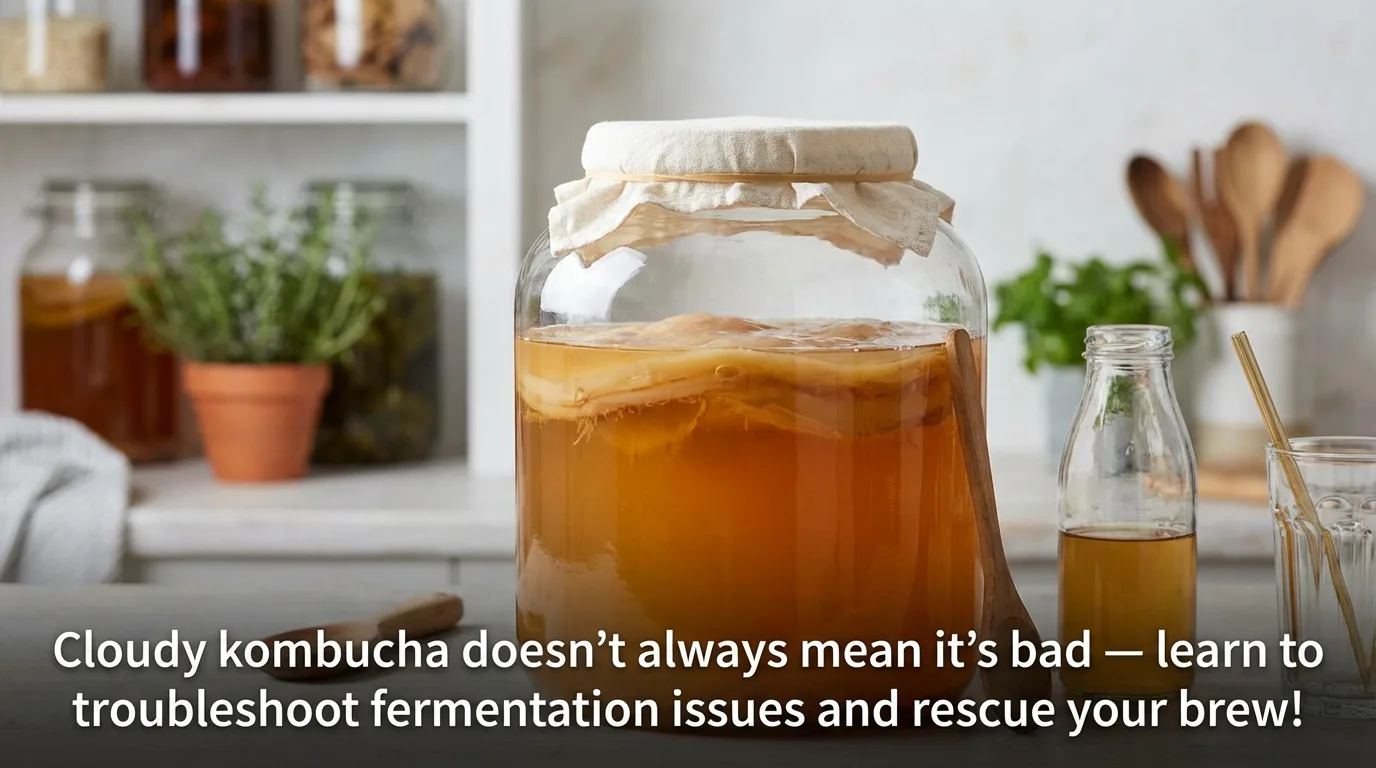
Introduction: My Kombucha Cloud Crisis
Kombucha brewing is usually a rewarding experience, yielding a tangy, fizzy beverage that's both delicious and beneficial. However, sometimes things don't go as planned. One of the most common issues brewers face is cloudy kombucha. Is it safe to drink? What does it mean? How can you fix it? I've definitely been there! My first experience with unexpectedly cloudy kombucha was a bit nerve-wracking.
In 2021, I started brewing kombucha in my small apartment kitchen. I had a one-gallon glass jar, a SCOBY I got from a friend, and a simple recipe. After the first fermentation, I was expecting a clear, amber-colored liquid. Instead, I got a cloudy, almost opaque brew. My initial thought was that I had ruined the whole batch. I soon discovered, though, that cloudiness is not always a bad sign, and in most cases, it is easily resolved.
Let's dive into the science and art of kombucha brewing, understand what causes cloudiness, and equip you with the knowledge to troubleshoot and fix your fermentation failures.
Understanding Kombucha Cloudiness
Cloudiness in kombucha is often a natural byproduct of the fermentation process. Here’s what's usually going on:
- Yeast Activity: Yeast is a key player in kombucha fermentation, converting sugars into alcohol and carbon dioxide. As yeast multiplies, it can create a cloudy appearance.
- Bacteria Activity: Bacteria produce cellulose, which can also contribute to cloudiness. These bacteria form the SCOBY (Symbiotic Culture of Bacteria and Yeast) and are essential for kombucha's characteristic tang.
- Sediment: Over time, dead yeast cells and bacteria can settle at the bottom of the jar, creating sediment that stirs up and causes cloudiness.
While some cloudiness is normal, excessive cloudiness or changes in texture can indicate other issues. We'll cover those scenarios below.
Common Causes of Cloudy Kombucha and Solutions
Let’s examine the most common reasons for persistent or unusual cloudiness and how to address them:
1. Overactive Yeast
Problem: Excessive yeast activity can lead to a very cloudy brew and a yeasty flavor. This is more common in warmer temperatures.
Solution:
- Temperature Control: Maintain a consistent fermentation temperature between 68-78°F (20-25°C). I learned this the hard way! During the summer of 2022, I left my kombucha jar on the counter, and with the room temperature fluctuating between 80-85°F, my kombucha turned extremely cloudy and had a strong, almost unpleasant, yeasty taste. Moving it to a cooler spot, around 72°F, made a huge difference in subsequent batches.
- Yeast Reduction: After each batch, rinse your SCOBY with a little bit of kombucha (not tap water) to remove excess yeast strands.
- Starter Tea: Use a sufficient amount of strong starter tea (at least 1 cup per gallon) to acidify the new batch quickly, which inhibits excessive yeast growth.
2. Insufficient Acidity
Problem: If the kombucha isn't acidic enough, it can create an environment where undesirable bacteria thrive, leading to cloudiness and potential off-flavors.
Solution:
- Longer Fermentation: Allow the kombucha to ferment for a longer period, giving the bacteria time to produce more acid.
- Strong Starter: Use a strong, acidic starter tea from a previous batch to lower the pH of the new batch immediately.
- Check pH: Use pH strips to monitor the acidity. Aim for a pH of around 3.0-3.5.
3. SCOBY Imbalance
Problem: An imbalance between yeast and bacteria can lead to various issues, including cloudiness and off-flavors.
Solution:
- SCOBY Hotel: Keep a SCOBY hotel (a jar with multiple SCOBYs in strong kombucha) to maintain a healthy culture. If your main SCOBY seems unhealthy, you can replace it with one from the hotel.
- Proper Ratios: Ensure you are using the correct ratios of starter tea, sugar, and tea.
4. Temperature Fluctuations
Problem: Significant temperature swings can stress the SCOBY and lead to imbalances, resulting in cloudiness and inconsistent fermentation.
Solution:
- Stable Environment: Keep your kombucha in a location with a stable temperature. Avoid placing it near drafts, direct sunlight, or appliances that generate heat.
- Heating/Cooling: Use a kombucha heating mat during colder months or a cooler environment during warmer months to maintain a consistent temperature.
5. Contamination
Problem: Although rare, contamination from mold or other unwanted microorganisms can cause cloudiness and render the kombucha unsafe to drink.
Solution:
- Visual Inspection: Regularly inspect your SCOBY and kombucha for signs of mold (fuzzy, colorful spots).
- Smell Test: If the kombucha smells foul or unusual, discard it. Healthy kombucha has a slightly vinegary, sweet aroma.
- Sanitation: Always use clean equipment and utensils to prevent contamination. Sanitize your jar with Star San or a similar food-grade sanitizer before each batch.
Troubleshooting with Specific Observations
To effectively troubleshoot cloudy kombucha, consider the following:
- Timeline: When did the cloudiness appear? Was it present from the beginning, or did it develop over time?
- Taste and Smell: Does the kombucha taste and smell normal, or are there any off-flavors or odors?
- SCOBY Appearance: Is the SCOBY healthy-looking, or does it have any unusual spots or discoloration?
- Environmental Factors: What is the temperature of your brewing environment? Has it fluctuated recently?
When is Cloudy Kombucha Safe to Drink?
Generally, if the kombucha has a normal pH (around 3.0-3.5), smells pleasantly vinegary, and shows no signs of mold, cloudiness is usually harmless. Trust your senses. If anything seems off, it’s best to discard the batch.

Filtering Kombucha for Clarity
If you prefer a clearer kombucha, you can filter it after the first fermentation:
- Cheesecloth: Line a strainer with cheesecloth and pour the kombucha through it to remove sediment and yeast.
- Fine-Mesh Strainer: Use a fine-mesh strainer for a slightly clearer result.
- Bottling: Be aware that filtering kombucha may reduce some of its natural carbonation. If you are doing a second fermentation for flavor and carbonation, this is less of a concern.
Optimizing Your Brewing Process for Clearer Kombucha
Several steps can be taken to optimize the brewing process for clearer kombucha:
- Use High-Quality Ingredients: Use filtered water, organic tea, and pure cane sugar. Avoid using honey or other sweeteners, as they can affect the fermentation process and clarity.
- Control Temperature: Maintain a consistent temperature throughout the fermentation process.
- Proper Ventilation: Ensure your brewing area has adequate ventilation to prevent the buildup of unwanted microorganisms.
Second Fermentation and Cloudiness
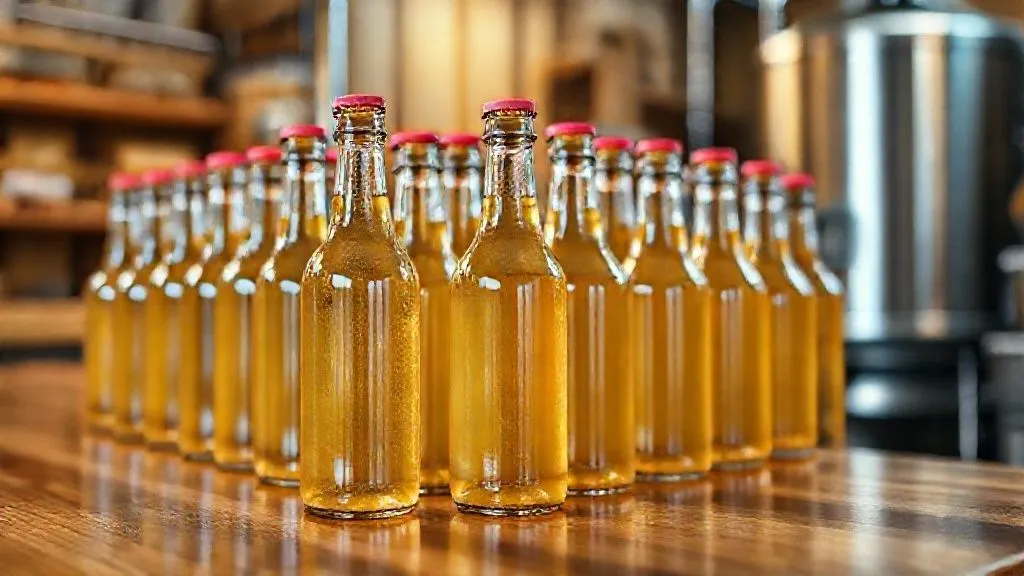
During the second fermentation (when you add flavorings and bottle the kombucha), cloudiness can also occur. This is often due to:
- Fruit Pulp: Fruit purees or juices can add cloudiness. Use clear juices or strain out the pulp before bottling.
- Yeast Reactivation: The addition of sugars from fruit can reactivate yeast, leading to increased cloudiness and carbonation.
To minimize cloudiness during the second fermentation:
- Use Clear Juices: Opt for clear fruit juices or extracts instead of purees.
- Limit Sugar: Use a small amount of sugar to prime the bottles, as excessive sugar can lead to over-carbonation and cloudiness.
- Cold Crash: After the second fermentation, refrigerate the bottles for several days. This will slow down yeast activity and allow sediment to settle.
Comparing Brewing Methods for Kombucha Clarity
Different brewing methods can influence the clarity of your kombucha. Here's a comparison:
| Method | Impact on Clarity | Notes |
|---|---|---|
| Continuous Brew | Generally cloudier | Yeast and sediment accumulate over time. |
| Batch Brew | More control over clarity | Easier to filter and remove sediment between batches. |
Source: author's experience, supplemented by Kombucha Brewers International - kombuchabrewers.org
Advanced Troubleshooting
For more complex issues, consider these advanced troubleshooting steps:
- Microscopy: If you have access to a microscope, you can examine the kombucha to identify specific microorganisms and assess the health of your culture.
- Culture Analysis: Send a sample of your SCOBY to a lab for analysis to identify any contaminants or imbalances.
These steps are usually only necessary if you are experiencing persistent problems that you cannot resolve with basic troubleshooting.
Specific Product Recommendations
To aid in your kombucha brewing journey, here are some product recommendations:
- pH Meter: A digital pH meter like the Apera Instruments AI211 is more accurate than pH strips.
- Heating Mat: A kombucha heating mat like the ???mentology Kombucha Heating Wrap maintains a stable temperature.
- Sanitizer: Star San is a food-grade sanitizer that effectively prevents contamination.
- Glass Jar: A one-gallon glass jar with a wide mouth is ideal for brewing kombucha. I personally use the one-gallon Anchor Hocking glass jar.
FAQ: Troubleshooting Kombucha Cloudiness
Here are some frequently asked questions about cloudy kombucha:
Why is my kombucha cloudy even after filtering?
Even after filtering, some very fine particles of yeast and bacteria can remain in the kombucha, causing slight cloudiness. Also, if the kombucha is still actively fermenting, yeast can continue to multiply after filtering. Try filtering again through a finer mesh or cheesecloth and refrigerate immediately after filtering to slow down yeast activity. You could also be experiencing protein haze, which is caused by dissolved proteins precipitating out of solution. This is more common with certain types of tea.
What is the real practical difference between cold crashing and filtering for kombucha clarity?
Filtering physically removes yeast and sediment from the kombucha, providing immediate clarity. However, it can also remove some beneficial microorganisms and reduce carbonation. Cold crashing, on the other hand, slows down yeast activity and allows sediment to settle to the bottom, making it easier to pour off clear kombucha. It's less disruptive to the kombucha's natural composition but takes longer. Cold crashing is more suitable for maintaining the overall character of the kombucha while filtering is better when you want immediate clarity.
Why does my SCOBY keep sinking to the bottom, even when I provide ideal conditions?
A SCOBY can sink for a variety of reasons, including temperature fluctuations, changes in acidity, or an imbalance of yeast and bacteria. However, sometimes a SCOBY sinks simply because it has become too dense. It can also happen if the carbon dioxide gets trapped within the SCOBY. If your kombucha is fermenting properly and the SCOBY is healthy, a sinking SCOBY is not necessarily a cause for concern. A new SCOBY should form at the top of the brew over time.
Can I use flavored tea to make kombucha?
While you can experiment with flavored teas, it's generally recommended to start with plain black or green tea. Flavored teas can sometimes contain oils or additives that can harm the SCOBY or alter the flavor of the kombucha in unpredictable ways. If you do use flavored tea, ensure it's a high-quality, naturally flavored tea without any artificial ingredients. Monitor your SCOBY closely for any adverse reactions.
Conclusion: Brew with Confidence
Cloudy kombucha is a common issue, but with the right knowledge and troubleshooting skills, you can easily address it and continue brewing delicious, healthy kombucha. Remember to observe, experiment, and trust your senses. Before you brew your next batch, take some time to analyze your current brewing process, identify potential problem areas, and implement the solutions discussed in this guide. Happy brewing!
Ready to take your kombucha brewing to the next level? Check out online resources like Kombucha Brewers International for more advanced techniques and insights.
Recommended Reading
- 7 Mocktail Masterpieces: Impress Business Partners with Sophistication
- 5 Proven Strategies: Solving Post-Work Decision Fatigue for Quick, Healthy Dinners?
- 7 Pro Chef Tactics: Prevent Béchamel Breakage in High-Volume Service
- Unlock the Secret: The Best Way to Measure Brown Sugar Without Packing
- 5 Core Reasons Professional Ferments Get Off-Flavors & How to Fix Them



0 Comentários: