 By
By 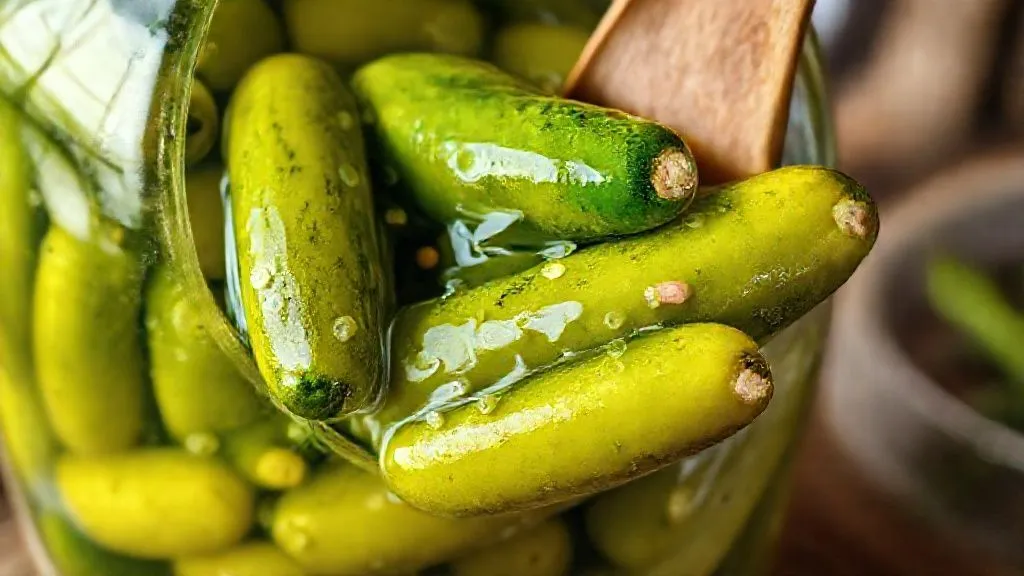
How to consistently prevent soft, mushy fermented pickles in bulk?
For over two decades in the world of fermentation, I’ve seen the sheer disappointment of a perfectly promising batch of pickles turn into a soft, unappetizing mess. It’s a common pitfall, especially when you’re scaling up from a single jar to bulk production, and it can feel like a devastating waste of time, effort, and precious produce.
The frustration is palpable: you’ve invested in quality cucumbers, measured your salt, waited patiently, only to find the crunch you craved has vanished. This isn't just a minor inconvenience; for those producing for markets, restaurants, or even large families, inconsistent texture can be a deal-breaker, undermining reputation and enjoyment.
But what if I told you there are definitive, actionable strategies to ensure your bulk fermented pickles stay consistently crisp, batch after batch? In this comprehensive guide, I’ll share the expert insights, scientific principles, and hands-on techniques I’ve honed over years, empowering you to conquer the challenge of soft, mushy pickles once and for all.
The Core Culprits: Why Pickles Go Soft and How to Spot Them Early
Before we dive into prevention, it's crucial to understand *why* pickles lose their crispness. It’s rarely one single factor, but rather a combination of environmental and ingredient-related issues that compromise cell wall integrity.
Inadequate Brine Salinity
The brine is the heart of your fermentation. Too little salt, and undesirable spoilage bacteria can thrive, producing enzymes that break down pectin in the cucumber cell walls, leading to a soft texture. Too much salt, and the beneficial lactic acid bacteria (LAB) responsible for fermentation can be inhibited, slowing the process or preventing it altogether, also leading to issues.
Achieving the correct salt concentration (typically 3-5% for traditional fermented pickles) is paramount. This creates the ideal osmotic pressure, drawing water out of the cucumbers and firming them, while also selecting for the right microbial community.
| Brine Concentration (by weight) | Typical Use | Risk for Softness |
|---|---|---|
| 3% (light) | Faster fermentation, milder flavor | Higher if conditions aren't perfect |
| 4% (standard) | Balanced fermentation, good crispness | Moderate, ideal for most |
| 5% (strong) | Slower fermentation, saltier flavor, longer shelf life | Lower, but can inhibit some LAB |
Wrong Cucumber Variety
Not all cucumbers are created equal for pickling. Large, slicing cucumbers, often found in supermarkets, tend to have thinner skins, larger seed cavities, and higher water content, making them inherently prone to softness during fermentation. Their cell structure isn't built for the rigors of pickling.
Temperature Fluctuations During Fermentation
Microorganisms are incredibly sensitive to temperature. High temperatures (above 75°F / 24°C) accelerate fermentation but can also encourage the growth of pectin-destroying enzymes from undesirable bacteria, leading to rapid softening. Conversely, very low temperatures (below 60°F / 15°C) slow fermentation to a crawl, increasing the risk of spoilage before adequate acidity develops.

The Foundation of Crispness: Choosing & Preparing Your Cucumbers
The journey to a crisp pickle begins long before the salt hits the water. Your raw ingredients are the bedrock, and their quality directly impacts the final texture.
Selecting the Right Cucumbers
This is arguably the most critical first step. I've seen countless batches fail because home fermenters used the wrong type of cucumber. You need specific varieties designed for pickling.
- Seek Out Pickling Varieties: Look for varieties specifically labeled as 'pickling cucumbers' such as Kirby, Boston Pickling, or Gherkin. These are typically smaller, firmer, and have thicker skins with fewer, smaller seeds.
- Freshness is Paramount: Pick your cucumbers within hours of harvest if possible, or buy them from a local farmer's market. Cucumbers lose moisture and firmness rapidly after picking. A truly fresh cucumber will feel heavy for its size and be firm to the touch, without any soft spots.
- Avoid Waxed Cucumbers: Supermarket cucumbers are often waxed to extend shelf life. This wax must be thoroughly scrubbed off or, better yet, avoided entirely, as it can harbor unwanted microbes and prevent proper brine penetration.
- Uniform Size: While not strictly for crispness, using cucumbers of similar size ensures a more even fermentation rate across your bulk batch.
Pre-Fermentation Preparation
Once you have your pristine pickling cucumbers, a little pre-treatment goes a long way towards ensuring maximum crispness.
- Wash Thoroughly: Gently scrub your cucumbers under cold running water to remove any dirt or surface contaminants. Avoid harsh soaps.
- Trim the Blossom End: This is a non-negotiable step. The blossom end of a cucumber contains enzymes (pectinase) that can rapidly soften your pickles. Always trim off about 1/8 to 1/4 inch from the blossom end. The stem end does not contain these enzymes, so trimming it is optional but can help with even brine penetration.
- Prick the Skins (Optional but Recommended for Bulk): For larger cucumbers or to ensure quicker brine penetration, you can lightly prick the skins in a few places with a fork or toothpick. This is especially helpful for bulk batches where you want consistent brine absorption.

Brine Mastery: The Science Behind Perfect Salinity
The brine isn't just salty water; it's a carefully balanced ecosystem that dictates the success of your fermentation. Getting it right is fundamental to preventing soft pickles.
Calculating Salt Concentration by Weight
Forget volume measurements for salt in fermentation. The density of salt can vary, leading to inconsistencies. For precision and reliability, always measure salt by weight relative to the weight of your water and cucumbers. This is a critical lesson I learned early on in my fermentation journey.
- Weigh Your Water: Determine the weight of the water you intend to use for your brine (e.g., 5 liters of water weighs 5000 grams).
- Weigh Your Cucumbers: Weigh the total amount of cucumbers you are fermenting.
- Calculate Total Brine Mass: Add the weight of your water to the estimated weight of water in your cucumbers (roughly 95% of cucumber weight). A simpler, though less precise, method for bulk is to calculate based on water weight alone, assuming the cucumbers will displace a certain amount. For bulk, I usually aim for a 4% solution based on water weight, as the cucumbers contribute some volume but absorb salt.
- Determine Salt Needed: For a 4% brine, multiply your water weight by 0.04. So, for 5000g of water, you’d need 200g of pickling salt.
- Use Pickling Salt: Always use non-iodized, additive-free pickling salt (e.g., Kosher salt without anti-caking agents, or sea salt). Iodine and anti-caking agents can interfere with fermentation and cloud your brine.
The Role of Water Quality
The water you use is just as important as the salt. Tap water, especially if chlorinated, can inhibit the beneficial lactic acid bacteria crucial for fermentation.
- Chlorine Removal: If using chlorinated tap water, let it sit uncovered for 24 hours to allow the chlorine to off-gas. Alternatively, boil it for 15 minutes and let it cool, or use a carbon filter.
- Avoid Fluoride: While chlorine can be removed, fluoride cannot. If your tap water is fluoridated, consider using filtered or spring water.
- Mineral Content: Highly mineralized water can sometimes affect flavor, but generally doesn't harm crispness unless it's extremely hard.
For more details on water safety, you can refer to WHO guidelines on drinking water quality.
Tannins & Crispness Aids: Nature's Secret Weapons
Beyond the foundational elements, there are natural and supplemental aids that can dramatically enhance pickle crispness. These are the tools I reach for when I want absolute assurance, especially with bulk batches.
The Power of Tannins
Tannins are natural compounds found in certain plants that can help firm up cell walls in fermented vegetables. They work by inhibiting pectinase enzymes, which are responsible for breaking down the pectin that gives vegetables their structure.
- Grape Leaves: My absolute favorite and most reliable source of tannins. Add 1-2 fresh grape leaves per quart jar, or a handful for a large crock. They impart no noticeable flavor but are incredibly effective.
- Oak Leaves: Similar to grape leaves, young oak leaves (free from pesticides) can be used.
- Cherry Leaves: Fresh cherry leaves also contain tannins.
- Bay Leaves: While less potent than grape leaves, bay leaves offer some tannin benefit and a lovely flavor.
- Horseradish Leaves: Not only do these leaves provide tannins, but they also contribute a subtle spicy kick.
Simply place a few clean leaves at the bottom and/or top of your fermentation vessel, ensuring they are submerged in the brine.
Calcium Chloride (Pickle Crisp)
For an extra layer of crispness insurance, especially when working with bulk quantities or less-than-ideal cucumbers, calcium chloride is a game-changer. It's a food-grade salt that provides calcium ions which bind with pectin, strengthening cell walls.
- How to Use: Follow package directions, but typically 1/4 to 1/2 teaspoon per quart jar, or adjust proportionally for larger vessels. Dissolve it in your brine before adding to the cucumbers.
- Taste Impact: When used correctly, calcium chloride is flavorless. Do not confuse it with pickling lime, which requires extensive rinsing and is not recommended for fermented pickles due to safety concerns.
For more on safe pickling practices and the use of crisping agents, the National Center for Home Food Preservation is an excellent resource.

Temperature Control & Fermentation Environment
Temperature is the silent conductor of your fermentation orchestra. It dictates the speed and character of microbial activity, directly influencing the texture of your final product.
Ideal Temperature Range
The 'sweet spot' for fermented pickles is generally between 65-72°F (18-22°C). In this range, lactic acid bacteria thrive, producing lactic acid at a steady rate that preserves the cucumbers and inhibits undesirable microbes, all while maintaining cell structure.
- Too Warm (>75°F / 24°C): Fermentation speeds up dramatically. While this might seem good, it can lead to faster softening as pectinase enzymes become more active. It also encourages the growth of yeasts and other bacteria that can cause off-flavors and textures.
- Too Cold (<60°F / 15°C): Fermentation slows down significantly. This increases the risk of spoilage before enough lactic acid is produced to protect the cucumbers. It can also lead to a longer, less predictable fermentation process.
Avoiding Temperature Swings
Consistency is key. Large fluctuations in temperature can stress the microbial community, leading to unpredictable results. A stable environment is crucial for bulk fermentation.
- Choose a Stable Location: Select a cool, dark place in your home or facility that maintains a consistent temperature. Basements, cool pantries, or dedicated fermentation rooms are ideal.
- Avoid Direct Sunlight: Sunlight can cause rapid temperature spikes and encourage the growth of algae.
- Insulation: For bulk crocks, especially in cooler environments, consider insulating them with blankets or placing them in a larger container filled with water (acting as a thermal mass) to buffer against minor temperature changes.
Case Study: Crisp Harvest Farms' Pickle Perfection
Crisp Harvest Farms, a regional producer specializing in fermented vegetables, struggled with inconsistent pickle crispness across their large-scale batches. Their initial problem was simply placing crocks in a general storage area, subject to seasonal temperature swings from 55°F to 80°F. By implementing a dedicated fermentation room with controlled climate (set to a consistent 68°F), they saw a dramatic improvement. Their spoilage rate dropped by 15%, and more importantly, their customer feedback on pickle crispness improved by 40%, leading to increased sales and brand loyalty. This simple investment in environmental control transformed their bulk pickle production.
| Temperature Range | Fermentation Rate | Risk of Softness | Flavor Profile |
|---|---|---|---|
| 55-60°F (13-15°C) | Very Slow | Moderate (due to prolonged exposure before acidity) | Mild, sometimes underdeveloped |
| 65-72°F (18-22°C) | Optimal | Low (ideal for crispness) | Balanced, complex, traditional |
| 75-80°F (24-27°C) | Rapid | High (enzymatic breakdown) | Often yeasty, sometimes off-flavors |
Monitoring & Troubleshooting Your Bulk Batches
Fermentation is a living process, and active monitoring is essential, especially with bulk quantities where problems can escalate quickly. Don't just set it and forget it; observe, smell, and test.
Visual Cues and Smell
Your senses are your first line of defense against problems.
- Cloudiness: A cloudy brine is normal and indicates active fermentation. If it clears up and then becomes cloudy again, it might suggest secondary fermentation or spoilage.
- Bubbling: Active bubbling (gas release) is a good sign of fermentation.
- Scum: White, powdery film on the surface is usually Kahm yeast, which is harmless but can impart off-flavors. Skim it off regularly. Green, black, or fuzzy growth is mold and indicates spoilage; the batch should be discarded.
- Smell: A pleasant, sour, slightly yeasty aroma is normal. Any foul, putrid, or intensely alcoholic smells indicate a problem.
pH Monitoring
This is where science meets art. pH is a direct indicator of lactic acid production and food safety. For safe, crisp pickles, the pH should drop below 4.6, ideally to 3.5-4.0.
- Use a pH Meter or Strips: Invest in a reliable pH meter or high-quality pH strips.
- Test Regularly: For bulk batches, I recommend testing daily or every other day until the target pH is reached.
- Record Findings: Keep a log of pH readings, temperature, and observations. This data is invaluable for troubleshooting and replicating successful batches.
For general food safety guidelines related to pH, consult resources like FoodSafety.gov.
Dealing with Scum
Kahm yeast is a common occurrence in fermentation, especially in bulk. While generally harmless, it can affect flavor and texture if left unchecked.
- Skim Regularly: Use a clean spoon to gently skim off any white film that forms on the surface.
- Maintain Anaerobic Conditions: Using an airlock system or ensuring your pickles are fully submerged under the brine (with a weight) minimizes exposure to oxygen, which Kahm yeast thrives on.
"Consistency in bulk fermentation isn't just about following a recipe; it's about understanding the living ecosystem you're cultivating and responding proactively to its needs. Your senses and a pH meter are your best allies."
Post-Fermentation Care: Storing for Lasting Crispness
The fermentation journey doesn't end when the bubbling stops. Proper post-fermentation care is crucial for maintaining that hard-earned crispness and extending shelf life.
Refrigeration
Once your pickles have reached your desired level of sourness and firmness, moving them to cold storage is essential. Refrigeration (at 34-40°F / 1-4°C) significantly slows down microbial activity, including the pectinase enzymes that can continue to soften pickles over time.
- Slow Down Enzyme Activity: Cold temperatures drastically reduce the activity of any remaining enzymes that could break down pectin.
- Preserve Flavor: It also stabilizes the flavor profile, preventing them from becoming excessively sour.
Proper Storage Vessels
The containers you use for storage matter, especially for bulk.
- Airtight Glass Jars: Transfer your finished pickles and brine into clean, airtight glass jars (like Mason jars). This prevents further oxygen exposure and contamination.
- Leave Headspace: Leave about an inch of headspace in each jar.
- Ensure Submersion: Make sure pickles remain fully submerged in their brine in the storage jars. Any exposed pickle will spoil quickly.
Shelf Life and Quality
Properly fermented and refrigerated pickles can last for many months, often up to a year or even longer, while maintaining good quality and crispness. However, like any food, their quality will slowly degrade over time.
- Best Within 6 Months: For peak crispness and flavor, I recommend consuming fermented pickles within 6-12 months of refrigeration.
- Monitor for Changes: Always check for signs of spoilage (off-smells, mold, extreme sliminess) before consuming, even if they've been refrigerated.

Frequently Asked Questions (FAQ)
Can I use tap water without treating it? While some people get away with it, I strongly advise against using untreated tap water, especially in bulk. Chlorine and chloramines in tap water can inhibit the beneficial lactic acid bacteria, leading to a stalled fermentation, off-flavors, and potentially soft pickles. Always let chlorinated water sit out for 24 hours, boil it, or use filtered water to be safe.
My pickles are still a bit soft, what’s the quickest fix? Unfortunately, once pickles have gone soft, there's no 'quick fix' to fully restore their crispness. The cellular structure has already broken down. Prevention is key. If they're only slightly soft, you can try refrigerating them immediately, which might halt further softening. You can also repurpose them into relish or cooked dishes where texture is less critical.
Is it safe to eat pickles with white scum on top? A thin, white, powdery film (Kahm yeast) on the surface of your brine is generally harmless. It's a common byproduct of fermentation and indicates exposure to oxygen. Simply skim it off carefully with a clean spoon. However, if you see any green, black, pink, or fuzzy mold, or if the smell is foul, discard the entire batch, as this indicates harmful spoilage.
How long does it take for pickles to ferment in bulk? The fermentation time for bulk pickles can vary significantly based on temperature, cucumber size, and brine strength. Generally, at an ideal temperature of 65-72°F (18-22°C), pickling cucumbers can ferment in 7-14 days. Larger cucumbers or cooler temperatures might extend this to 3-4 weeks. Always ferment to taste and use pH as a guide (aim for pH 3.5-4.0).
What’s the difference between dill pickles and fermented pickles? 'Dill pickles' is a flavor profile, typically involving dill weed, garlic, and other spices. 'Fermented pickles' refers to the preservation method, using lactic acid fermentation. Many traditional dill pickles are also fermented, but you can also make 'fresh pack' dill pickles using a vinegar brine and canning process, which is a different method of preservation and results in a different texture and flavor profile.
Key Takeaways and Final Thoughts
Preventing soft, mushy fermented pickles in bulk isn't about luck; it's about a meticulous, informed approach that respects the science and art of fermentation. By understanding the 'why' behind common failures, you can proactively implement strategies that guarantee consistent crispness.
- Start Strong: Always choose fresh, appropriate pickling cucumbers and trim their blossom ends.
- Brine Precision: Measure salt by weight to achieve precise salinity (3-5%) and use clean, chlorine-free water.
- Tannin Boost: Incorporate natural tannins (like grape leaves) or food-grade calcium chloride for added crispness insurance.
- Control Environment: Maintain a stable fermentation temperature between 65-72°F (18-22°C) and avoid drastic fluctuations.
- Monitor Diligently: Use your senses and pH readings to track fermentation progress and catch issues early.
- Proper Storage: Refrigerate finished pickles promptly in airtight containers, ensuring they remain submerged in brine.
Embrace these principles, and you'll transform your bulk pickle production from a gamble into a consistent success story. The satisfaction of biting into a perfectly crisp, tangy fermented pickle, knowing you mastered the process, is truly one of the great rewards of this craft. Go forth and ferment with confidence!
Recommended Reading
- Eliminate Tart Shell Shrinkage: 7 Proven Steps for Production Runs
- Ingredient Clash? How to Fix a Gourmet Dish with Expert Precision
- Fixing Mushy Pulled Pork: 7 Expert Strategies for Large Batches
- Fixing Uneven Bread: 7 Deck Oven Shelf Troubleshooting Tactics
- 7 Steps: Batch Preserve Seasonal Produce for Quick, Healthy Meals
0 Comentários: