 By
By 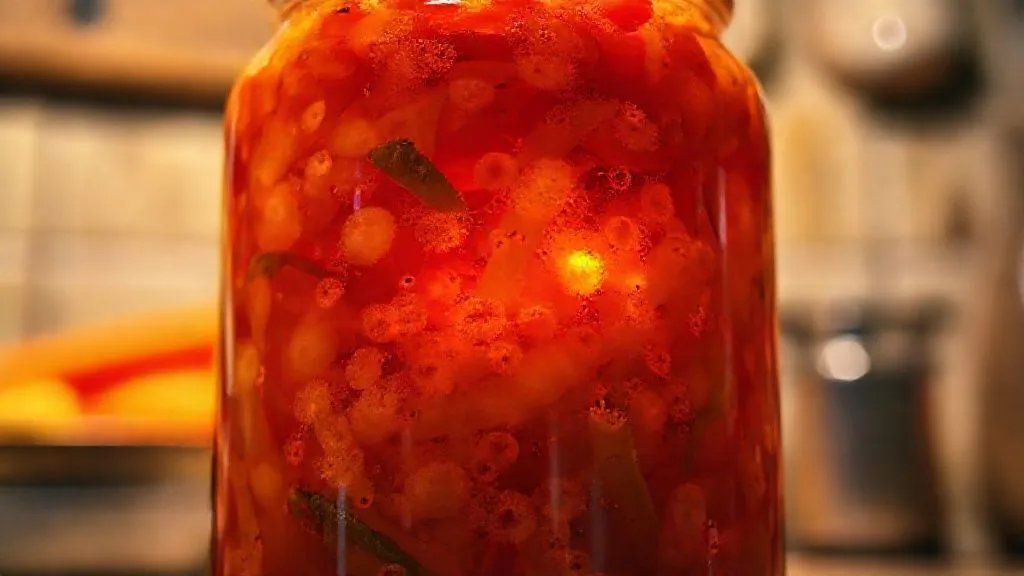
The Unseen Power of Beneficial Bacteria: My Journey into Fermentation
For over 15 years in the world of fermentation, I've seen countless individuals transform their health and culinary skills by simply understanding one fundamental principle: the incredible power of beneficial bacteria. It's a journey I embarked on out of personal curiosity and a desire for healthier living, and it quickly became my passion. From the subtle art of sourdough to the vibrant tang of kimchi, these microscopic allies are the unsung heroes behind some of the most nourishing and flavorful foods on Earth.
Many people struggle with digestive discomfort, a weakened immune system, or simply a lack of vitality, often without realizing the profound connection to their gut microbiome. There's a prevailing misconception that all bacteria are bad, leading to an oversight of the vast ecosystem within us that, when balanced, acts as a cornerstone for overall well-being. It's frustrating to see people try quick fixes without addressing the root cause – a microbiome that isn't thriving with the right kind of microbial partners.
In this definitive guide, I'll share my expert insights, actionable frameworks, and real-world strategies to help you harness the full potential of beneficial bacteria. You'll learn not just what these microbes are, but how to actively cultivate them, both within your body and in your kitchen, leading to improved health, enhanced immunity, and a deeper appreciation for the ancient art of fermentation. Get ready to unlock a world of microbial marvels!
Understanding Your Inner Ecosystem: What Are Beneficial Bacteria?
When I first started exploring fermentation, the term 'bacteria' often evoked images of disease and sickness. However, as I delved deeper, I discovered a universe of microorganisms that are not only harmless but absolutely essential for life. Beneficial bacteria, often referred to as probiotics, are live microorganisms that, when administered in adequate amounts, confer a health benefit on the host. Think of them as tiny, diligent workers in your body, particularly in your gut, where they perform an astonishing array of tasks.
These microbial communities, collectively known as the microbiome, are incredibly diverse. Each person's microbiome is as unique as their fingerprint, influenced by genetics, diet, lifestyle, and environment. A healthy microbiome is characterized by a rich diversity of beneficial species, all working in harmony to support digestion, nutrient absorption, immune function, and even mood regulation. When this delicate balance is disrupted, often by poor diet, stress, or antibiotics, it can lead to a state called dysbiosis, paving the way for various health issues.
The Major Players: Lactic Acid Bacteria, Bifidobacteria, and More
While there are thousands of species, certain groups of beneficial bacteria are particularly well-known for their health-promoting properties. In my experience, understanding these key players is the first step to truly appreciating their impact:
- Lactic Acid Bacteria (LAB): This broad group includes familiar names like Lactobacillus and Lactococcus. They are central to many fermentation processes, converting sugars into lactic acid. This acid not only preserves food but also creates an environment that inhibits the growth of harmful bacteria, both in fermented foods and in your gut. They are crucial for digestive health and nutrient absorption.
- Bifidobacteria: Predominantly found in the large intestine, Bifidobacterium species are among the first beneficial bacteria to colonize an infant's gut. They are excellent at breaking down complex carbohydrates (prebiotics) that our own enzymes cannot digest, producing beneficial short-chain fatty acids (SCFAs) like butyrate, which nourish gut cells and reduce inflammation.
- Streptococcus Thermophilus: Often found in yogurt and cheese production, this bacterium is known for its ability to produce lactase, aiding in lactose digestion. It also produces folic acid and other beneficial compounds.
- Saccharomyces Boulardii: While technically a yeast, it often gets grouped with beneficial bacteria due to its probiotic effects. It's particularly effective at preventing and treating antibiotic-associated diarrhea and traveler's diarrhea.
Each of these, and many others, contributes uniquely to our internal ecosystem. Their presence and activity are vital for maintaining equilibrium and resilience against external stressors.

The Symbiotic Dance: How They Keep Us Healthy
The relationship between humans and their beneficial bacteria is a profound example of symbiosis. We provide them with a warm, nutrient-rich home, and in return, they offer an incredible array of health benefits:
- Improved Digestion and Nutrient Absorption: They help break down food, synthesize vitamins (like K and B vitamins), and produce enzymes that aid in digestion.
- Strengthened Immune System: A significant portion of our immune system resides in the gut. Beneficial bacteria interact with immune cells, helping to train and modulate the immune response, making us more resilient to pathogens. According to research published in the journal Immunity, the gut microbiota plays a pivotal role in immune system development and function.
- Protection Against Pathogens: They compete with harmful bacteria for resources and attachment sites, and some even produce antimicrobial substances that directly inhibit bad bacteria.
- Mental Health and Mood Regulation: The gut-brain axis is a two-way communication highway. Beneficial bacteria produce neurotransmitters like serotonin and influence brain function, impacting mood, stress, and even cognitive abilities.
- Reduced Inflammation: Many beneficial strains produce anti-inflammatory compounds, which can help mitigate chronic systemic inflammation, a root cause of many modern diseases.
Beyond the Gut: Beneficial Bacteria in Fermented Foods
My journey into understanding beneficial bacteria truly deepened when I realized their role extended far beyond just probiotics supplements. They are the very essence of fermented foods, transforming simple ingredients into nutrient-dense, flavor-packed culinary masterpieces. For centuries, cultures worldwide have instinctively used fermentation not just for preservation, but for enhancing the nutritional value and digestibility of their food. This ancient wisdom is now backed by modern science.
When you ferment foods, you're essentially creating an ideal environment for beneficial bacteria to flourish. These microbes consume sugars and starches, producing a host of new compounds, including organic acids, enzymes, vitamins, and even unique flavor profiles. This process predigests the food, making nutrients more bioavailable and often reducing anti-nutrients. It's a natural alchemy that makes food more digestible and beneficial for our bodies.
The Science of Fermentation: A Microbial Art Form
The magic of fermentation lies in controlling the conditions to favor desirable microbial growth. Whether it's the anaerobic environment for lacto-fermentation or the specific temperature for yogurt culturing, each process is a delicate balance. For example, in making sauerkraut or kimchi, lactic acid bacteria (LAB) thrive in the salty, oxygen-deprived environment, rapidly multiplying and converting sugars in the cabbage into lactic acid. This acid lowers the pH, inhibiting spoilage organisms and creating that characteristic tangy flavor.
This isn't just about adding probiotics to your diet; it's about consuming a complex ecosystem of microbes, along with their metabolic byproducts (postbiotics), which offer a synergistic effect. As a fermentation specialist, I always emphasize that homemade fermented foods often provide a wider diversity of strains than many commercial probiotic supplements, simply because they are living, evolving systems.
Case Study: How The Artisan Pickle Co. Achieved Flavor & Longevity
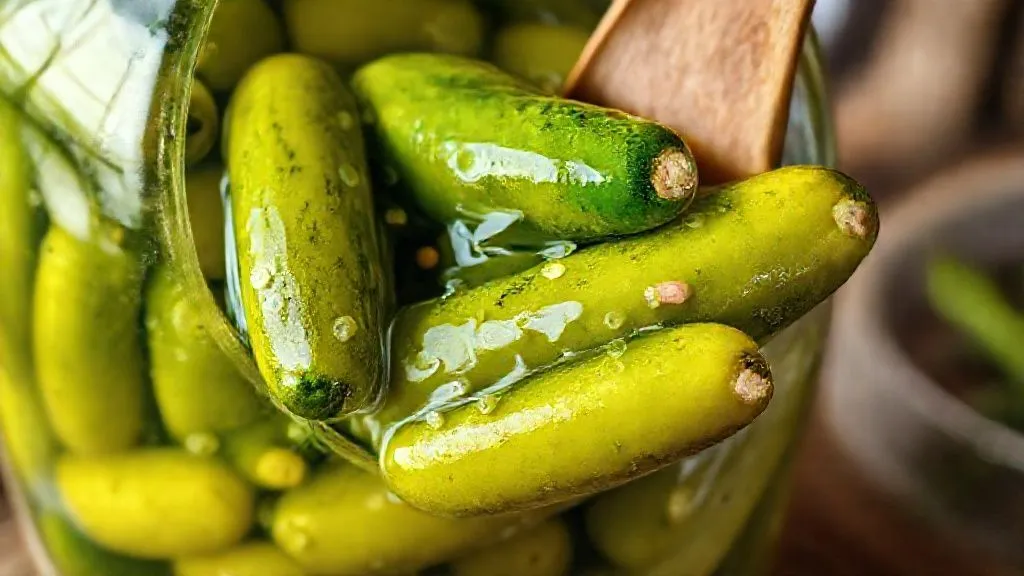
The Artisan Pickle Co., a small business I consulted with, faced a common challenge: inconsistent product quality and a desire to extend shelf life naturally without pasteurization. Their initial batches of fermented pickles sometimes turned mushy or developed off-flavors. By implementing a three-step fermentation protocol I outlined – precisely controlling salt concentration, temperature during the initial active fermentation phase, and using a high-quality starter culture rich in diverse LAB – they dramatically improved their results.
Specifically, we focused on maintaining an optimal temperature range of 68-72°F (20-22°C) for the first 5-7 days to encourage robust lactic acid production, followed by a cooler secondary fermentation. This resulted in consistently crisp, flavorful pickles with a stable pH below 3.5, naturally extending their shelf life to several months. Their customer feedback soared, praising the improved texture and complex taste, directly attributable to a thriving community of beneficial bacteria.

Cultivating a Thriving Microbiome: Actionable Strategies
Based on my years of experience, cultivating a robust population of beneficial bacteria isn't about one magic pill; it's a holistic approach. It involves a conscious effort to nourish these microscopic allies through your diet and lifestyle. Think of yourself as a gardener tending to a precious internal ecosystem.
Diet: Feeding Your Friends
What you eat directly impacts your microbiome. The most crucial aspect is providing your beneficial bacteria with the food they need to thrive:
- Embrace Fermented Foods: Regularly incorporate foods rich in live beneficial bacteria. This includes sauerkraut, kimchi, yogurt (with live active cultures), kefir, kombucha, tempeh, and miso. Start small and gradually increase your intake to allow your system to adjust.
- Prioritize Prebiotic-Rich Foods: Prebiotics are non-digestible fibers that act as food for your beneficial gut bacteria. Excellent sources include garlic, onions, leeks, asparagus, bananas (especially slightly green ones), apples, oats, and legumes.
- Increase Dietary Fiber: A diverse range of plant-based foods provides different types of fiber, feeding a wider array of beneficial bacteria. Aim for a variety of fruits, vegetables, whole grains, nuts, and seeds.
- Limit Processed Foods and Sugar: These can feed harmful bacteria and promote inflammation, disrupting the delicate balance of your microbiome.
- Stay Hydrated: Water is essential for all bodily functions, including the health of your digestive tract where your bacteria reside.
Lifestyle: Supporting Your System
Beyond diet, several lifestyle factors significantly influence your microbial health:
- Manage Stress: Chronic stress can negatively impact gut motility and alter the composition of your microbiome. Practices like meditation, yoga, or spending time in nature can be incredibly beneficial.
- Get Adequate Sleep: Sleep deprivation can disrupt circadian rhythms, which in turn can affect gut bacteria. Aim for 7-9 hours of quality sleep per night.
- Engage in Regular Physical Activity: Moderate exercise has been shown to increase microbial diversity and promote the growth of beneficial species.
- Minimize Antibiotic Use (when possible): While life-saving when necessary, antibiotics indiscriminately kill both good and bad bacteria. If you must take them, replenish your microbiome with probiotics and fermented foods afterward.
- Spend Time in Nature: Exposure to diverse environmental microbes can contribute to a more robust and varied personal microbiome.
| Food Type | Examples | Beneficial Bacteria Provided |
|---|---|---|
| Fermented Foods | Sauerkraut, Kimchi, Kefir, Yogurt, Kombucha, Tempeh | Lactobacillus spp., Bifidobacterium spp., Streptococcus thermophilus, various yeasts |
| Prebiotic-Rich Vegetables | Garlic, Onions, Leeks, Asparagus, Artichokes, Dandelion Greens | Bifidobacterium spp., Lactobacillus spp., Akkermansia muciniphila |
| Prebiotic-Rich Fruits | Bananas (underripe), Apples, Pears | Bifidobacterium spp., various pectin-fermenting bacteria |
| Whole Grains & Legumes | Oats, Barley, Lentils, Chickpeas, Beans | Butyrate-producing bacteria (e.g., Faecalibacterium prausnitzii), Ruminococcus spp. |
Debunking Myths: Separating Fact from Fermentation Fiction
In the burgeoning world of gut health and fermentation, misinformation can spread quickly. As someone who's navigated this landscape for years, I've encountered numerous myths that can deter people from embracing the full potential of beneficial bacteria.
One common misconception is that all fermented foods are probiotic. While many are, heat-treated or pasteurized fermented products (like some commercial sourdough breads or certain pickles) will no longer contain live beneficial bacteria. The fermentation process still offers benefits by breaking down ingredients, but the live microbial component is lost. Always look for labels indicating 'live active cultures' or 'unpasteurized'.
Another myth is that you need to take dozens of different probiotic strains to get the best results. While diversity is good, focusing on a few well-researched strains that address your specific needs, combined with a diet rich in prebiotics and fermented foods, is often more effective than blindly consuming a multi-strain supplement with unproven efficacy. It's about quality and synergy, not just quantity.
"The true power of beneficial bacteria isn't just in their presence, but in the vibrant, dynamic ecosystem they create when properly nourished. It's an orchestra, not a solo act."
Finally, some believe that once you start consuming probiotics or fermented foods, you can stop. This is rarely the case. Our gut microbiome is constantly influenced by diet, stress, and environmental factors. Maintaining a healthy microbial balance is an ongoing commitment, much like maintaining a healthy diet or exercise routine. Consistency is key to long-term benefits.
Common Pitfalls and How to Avoid Them in Your Fermentation Journey
Even with the best intentions, I've observed common mistakes that can derail efforts to cultivate beneficial bacteria, both in the body and in the kitchen. Recognizing and avoiding these pitfalls is crucial for success.
- Ignoring Dietary Diversity: Relying on just one or two types of fermented foods or a single probiotic supplement won't foster a diverse microbiome. Your gut thrives on a wide range of fibers and microbial inputs.
- Over-sanitizing Everything: While hygiene is important, being overly obsessive with sterilization can hinder natural fermentation processes and reduce beneficial microbial exposure in your environment. There's a balance between clean and sterile.
- Impatience with Fermentation: Rushing the fermentation process can lead to poor flavor development, inadequate preservation, or even unsafe products. Good fermentation takes time and observation.
- Not Listening to Your Body: When introducing new fermented foods or probiotics, some people experience temporary digestive discomfort. Starting with small portions and gradually increasing allows your body to adapt. Ignoring these signals can lead to a negative experience.
- Neglecting Prebiotics: Many focus solely on consuming probiotics without realizing that beneficial bacteria need specific types of fiber (prebiotics) to thrive and produce their beneficial compounds. Probiotics without prebiotics are like planting seeds without soil.

The Future of Fermentation and Microbial Health
The field of microbial science is exploding, and with it, our understanding of beneficial bacteria continues to deepen. I believe we are just scratching the surface of their potential. Personalized nutrition, guided by microbiome analysis, is becoming a reality. Imagine getting a tailored diet plan and specific probiotic recommendations based on your unique gut flora!
New fermentation techniques and novel strains of bacteria are constantly being discovered, promising even more targeted health benefits. From precision fermentation creating sustainable ingredients to advanced probiotic therapies for specific diseases, the future is incredibly exciting. Companies are investing heavily in understanding the complex interactions within the microbiome to develop therapeutic applications, a testament to the profound impact of these tiny organisms. According to a Deloitte report on biotech trends, microbiome therapeutics represent a significant area of growth and innovation.
Furthermore, the integration of AI and machine learning is allowing researchers to analyze vast datasets of microbial genomic information, unlocking secrets about how different strains communicate and influence human health. This will lead to more potent and effective ways to leverage beneficial bacteria, moving beyond general recommendations to highly specific interventions.

| Probiotic Type | Description | Best For |
|---|---|---|
| Single-Strain Supplements | Specific, isolated bacterial strain (e.g., L. rhamnosus GG) targeting particular conditions. | Targeted issues like specific diarrheas, eczema, or during/after antibiotics (under guidance). |
| Multi-Strain Supplements | Combination of several bacterial strains, aiming for broader gut support. | General gut health maintenance, improving microbial diversity, addressing mild digestive discomfort. |
| Fermented Foods | Complex matrices containing diverse live bacteria, yeasts, and their metabolic byproducts. | Holistic gut health, daily maintenance, nutrient enhancement, culinary enjoyment, broad microbial exposure. |
| Prebiotic Supplements | Concentrated sources of non-digestible fibers (e.g., inulin, FOS) to feed existing beneficial bacteria. | Enhancing the growth and activity of resident beneficial bacteria, often used in conjunction with probiotics. |
Frequently Asked Questions (FAQ)
Q: Can I get too many beneficial bacteria? Is there such a thing as 'over-fermentation'? While it's rare to have 'too many' beneficial bacteria from food, consuming excessive amounts of fermented foods or high-dose probiotics can sometimes lead to temporary digestive discomfort like bloating or gas as your body adjusts. Over-fermentation in food usually refers to undesirable changes in texture or flavor (e.g., mushy pickles, overly sour kombucha) rather than a safety issue, assuming proper techniques were followed. Always start slow and listen to your body.
Q: How long does it take to see benefits from incorporating beneficial bacteria into my diet? The timeline for experiencing benefits can vary greatly depending on your starting point, the specific issue you're addressing, and the consistency of your efforts. Some people report improvements in digestion within days or weeks, while more systemic changes related to immunity or mood might take several months of consistent intake. The key is consistency and a holistic approach.
Q: Are all beneficial bacteria the same? Do I need different types for different health issues? No, not all beneficial bacteria are the same. Different strains have distinct properties and health benefits. For example, some Lactobacillus strains are excellent for digestive health, while certain Bifidobacterium strains are known for their immune-modulating effects. For specific health concerns, it's often beneficial to research strains that have been clinically studied for that particular issue, or consult with a healthcare professional.
Q: Can people with histamine intolerance consume fermented foods? This is a complex area. Many fermented foods naturally contain histamines or histamine-producing bacteria. For individuals with diagnosed histamine intolerance, these foods can trigger adverse reactions. It's often recommended to avoid high-histamine fermented foods initially and then carefully reintroduce specific types in very small amounts to test tolerance, ideally under the guidance of a healthcare provider. Some very short ferments or specific starter cultures might be tolerated better.
Q: What's the difference between prebiotics and probiotics? And do I need both? Probiotics are the live beneficial bacteria themselves, which you consume (e.g., from yogurt or supplements). Prebiotics are non-digestible fibers that act as food for these beneficial bacteria, helping them to grow and thrive in your gut (e.g., from garlic, onions, or asparagus). In my experience, you absolutely need both for optimal gut health. Probiotics introduce new allies, while prebiotics ensure your existing and newly introduced allies have the fuel to do their best work.
Key Takeaways and Final Thoughts
- Beneficial bacteria are fundamental to human health, influencing digestion, immunity, and even mental well-being.
- Fermented foods are a rich, diverse source of these microbes, offering a holistic approach to gut health beyond just supplements.
- Cultivating a thriving microbiome requires a balanced diet rich in fermented and prebiotic foods, coupled with a healthy lifestyle.
- Understanding the specific roles of different bacterial strains enhances your ability to make informed choices for your health.
- Consistency and patience are vital; building a healthy microbiome is a journey, not a destination.
My journey through the world of fermentation and microbial health has been one of continuous learning and profound appreciation for the unseen forces that shape our well-being. By embracing the power of beneficial bacteria, you're not just improving your gut; you're investing in a more resilient, vibrant, and flavorful life. I encourage you to experiment, learn, and most importantly, listen to your body. The microbial world within you holds immense potential – it's time to nurture it.
Recommended Reading
- 5 Crucial Factors Causing Premature Staling in Artisan Loaves
- 7 Advanced Techniques to Keep Macro-Friendly Meal Prep Delicious for Days
- 5 Strategies: Keep Low Carb Meals Exciting for Busy Professionals
- Stop Cupcake Frosting Colors Bleeding: 7 Pro Strategies for Flawless Results
- Urgent: 7 Steps to Master Multiple Kid Allergies & Fast Meal Prep




0 Comentários: