 By
By 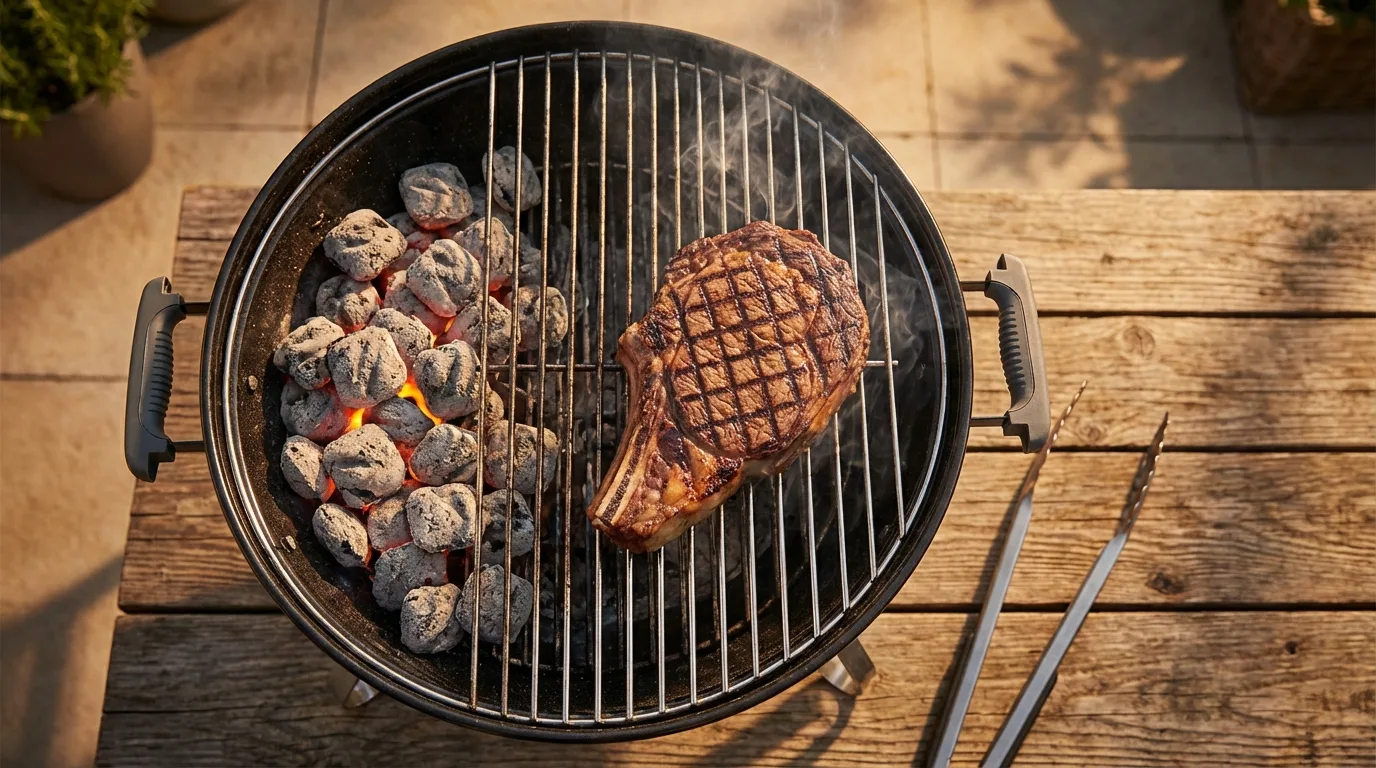
Flare-ups are the bane of any charcoal BBQ enthusiast. That sudden burst of flame can quickly turn a perfectly planned cookout into a charred disaster. The good news? Flare-ups are almost always preventable with the right knowledge and a few simple techniques. I've spent years perfecting my charcoal grilling, and I'm here to share my hard-earned wisdom.
In the summer of 2018, I was hosting a large BBQ party. I had prepared a beautiful 3-pound tri-tip roast, carefully seasoned and ready for the grill. I was using my Weber kettle grill with a standard charcoal basket setup. The coals were blazing hot, and I confidently placed the roast directly over the heat. Within minutes, a massive flare-up engulfed the meat. The outside was charred black before the inside even reached medium-rare. I salvaged what I could, but it was a stressful and disappointing experience. That's when I committed to understanding and mastering flare-up prevention.
Understanding Why Flare-Ups Happen
Flare-ups are primarily caused by fat and juices dripping from the meat onto the hot coals. This creates a volatile situation where the vaporized fat ignites, producing those large, sudden flames. The type of fuel you use, the temperature of the coals, and the fat content of the meat all play a role.
Choosing the Right Charcoal
The type of charcoal you use can impact flare-up frequency. There are two main types: briquettes and lump charcoal.
- Briquettes: These are manufactured charcoal, often containing additives like coal dust, wood scraps, and binders. They burn more consistently and for a longer period but can produce more ash and potentially more flare-ups due to the binders.
- Lump Charcoal: This is made from hardwood that has been burned in a low-oxygen environment. It burns hotter and cleaner than briquettes, producing less ash and often imparting a more subtle smoky flavor. Many pitmasters prefer lump charcoal for its performance.
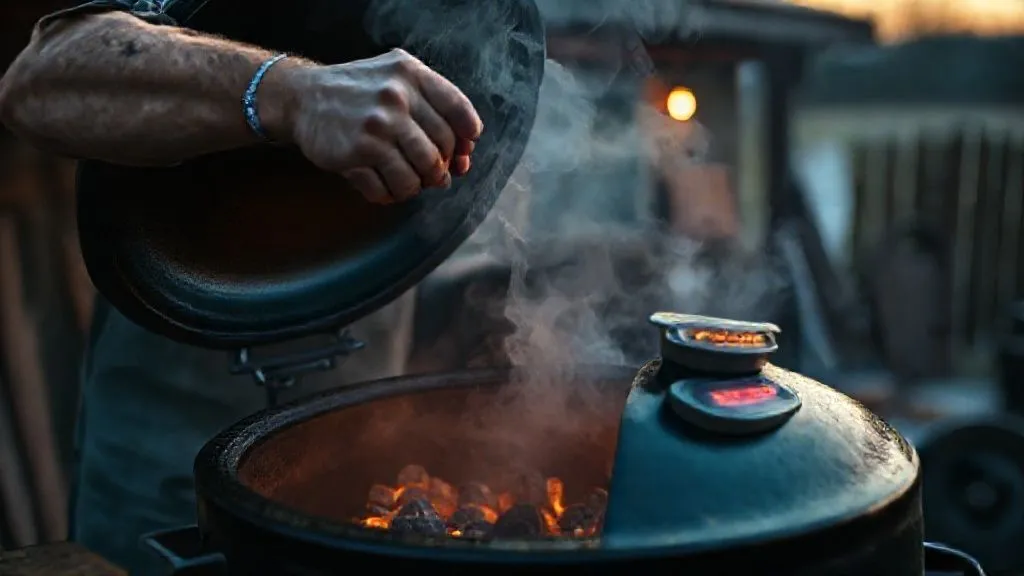
I personally find lump charcoal to be superior for reducing flare-ups. In 2020, I switched exclusively to using FOGO Super Premium Hardwood Lump Charcoal in my Big Green Egg. I noticed that I experienced far fewer flare-ups compared to using standard briquettes. My setup involved a full load of FOGO charcoal in the firebox, with the daisy wheel and bottom vent adjusted to maintain a consistent 275°F. The result was cleaner burning, less ash, and fewer unexpected flame bursts. The improved flavor was a bonus!
Mastering Indirect Heat
Indirect heat is your best friend when it comes to preventing flare-ups, especially when cooking fattier cuts of meat. This technique involves arranging the charcoal on one side of the grill and placing the food on the other side, away from the direct heat source. This allows the meat to cook through without being exposed to intense flames from dripping fat.
Here's how to set up your grill for indirect heat:
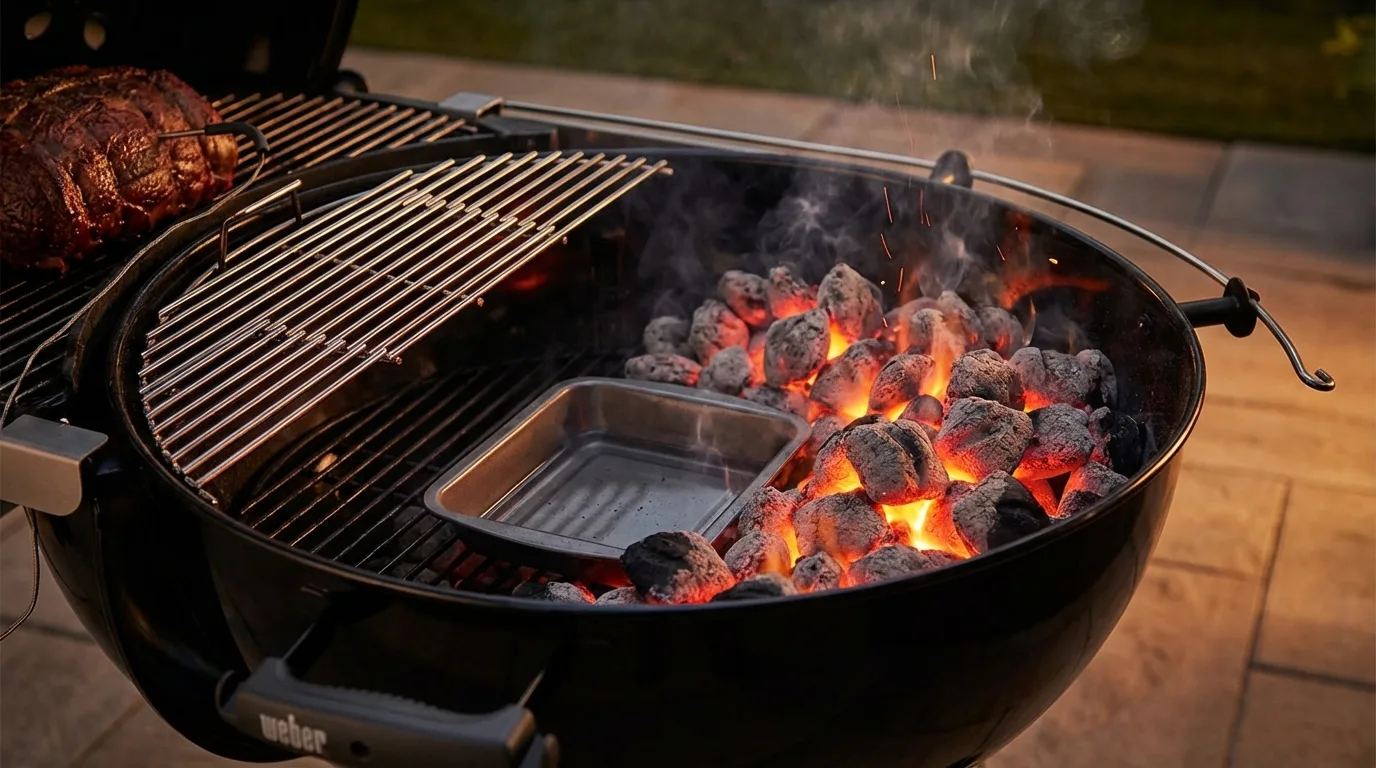
- Arrange the Charcoal: Place the lit charcoal on one side of the grill. You can use a charcoal basket or simply pile the coals to one side.
- Create a Drip Pan: Place a drip pan filled with water on the other side of the grill, under where the meat will be placed. This will catch any drippings and help to maintain moisture in the cooking environment.
- Position the Food: Place the meat on the grill grate above the drip pan, away from the direct heat.
- Close the Lid: Close the lid and allow the meat to cook through. Adjust the vents to maintain a consistent temperature.
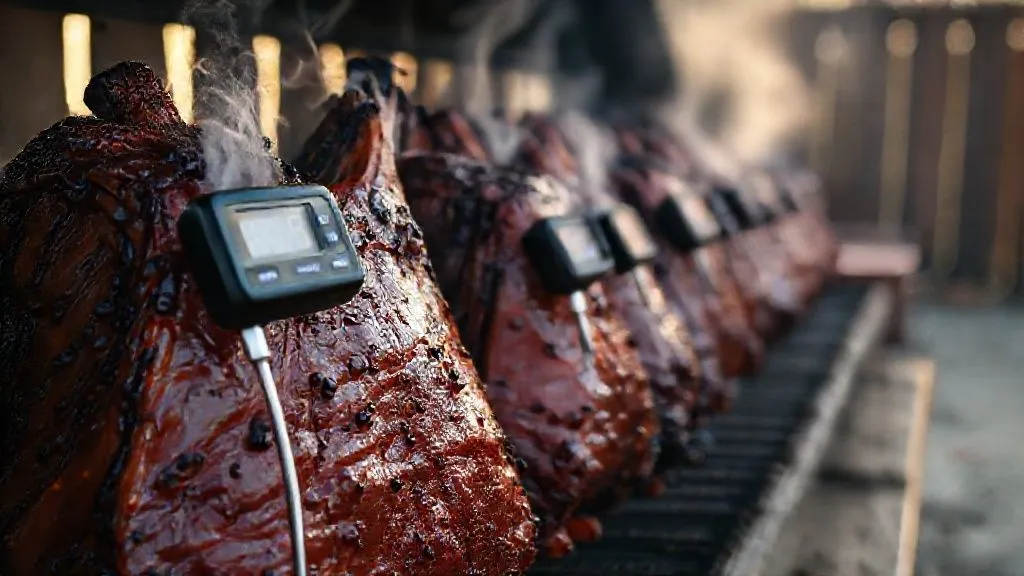
I had an interesting experience with this in 2021. I was smoking a 12-pound pork shoulder on my Weber Smokey Mountain. I arranged the charcoal in a ring around the water pan, filled the pan with a mixture of water and apple cider vinegar, and placed the pork shoulder on the top grate. I maintained a temperature of around 250°F for 12 hours. Because of the water pan and indirect cooking, I experienced absolutely zero flare-ups during the entire cook. The pork shoulder came out incredibly tender and juicy. A water pan is essential.
Trimming Excess Fat
While some fat is desirable for flavor and moisture, too much can lead to flare-ups. Before grilling, trim off any excess fat from the meat. This will reduce the amount of fat that drips onto the coals.
However, be careful not to remove all of the fat. A thin layer of fat is essential for keeping the meat moist and flavorful. I usually aim to leave about a 1/4-inch layer of fat on most cuts of meat.
Managing Grill Temperature
High temperatures are a major contributor to flare-ups. If the coals are too hot, even a small amount of dripping fat can ignite. Controlling the grill temperature is crucial.
Here are some tips for managing grill temperature:
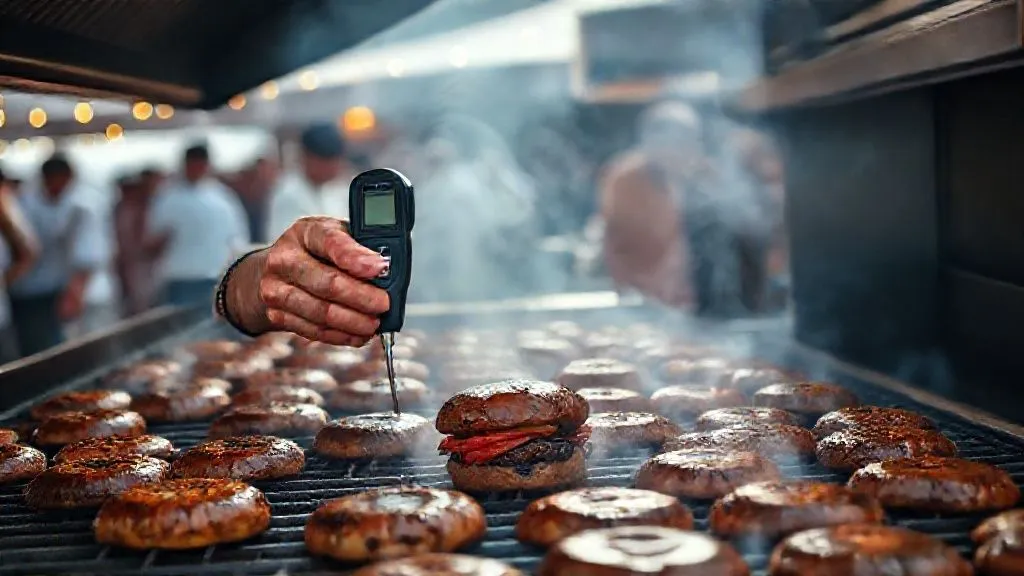
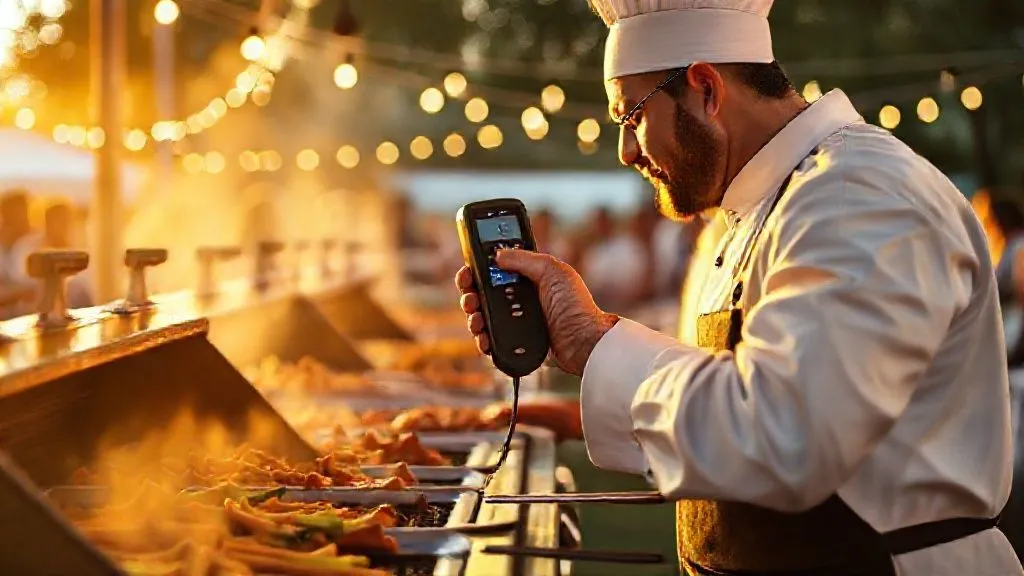
- Use a Thermometer: Use a reliable grill thermometer to monitor the temperature inside the grill. This will help you maintain a consistent temperature.
- Adjust the Vents: The vents control the airflow to the coals. Opening the vents allows more oxygen to reach the coals, increasing the temperature. Closing the vents restricts airflow, lowering the temperature.
- Control the Amount of Charcoal: Use only the amount of charcoal needed to maintain the desired temperature. Too much charcoal will result in excessive heat.
In 2022, I was experimenting with grilling a spatchcock chicken on my Kamado Joe Classic III. I initially loaded the grill with too much charcoal, resulting in a temperature that soared above 400°F. The chicken started to char on the outside before it was cooked through. I quickly adjusted the vents to restrict airflow and brought the temperature down to around 325°F. This allowed the chicken to cook evenly without burning. I now start with a smaller amount of charcoal and gradually add more as needed to maintain the desired temperature.
Essential Tools and Techniques
Having the right tools and knowing a few extra techniques can also help you prevent flare-ups.
- Spray Bottle: Keep a spray bottle filled with water nearby. If a flare-up occurs, spritz the flames with water to quickly extinguish them. Be careful not to use too much water, as this can lower the grill temperature too much.
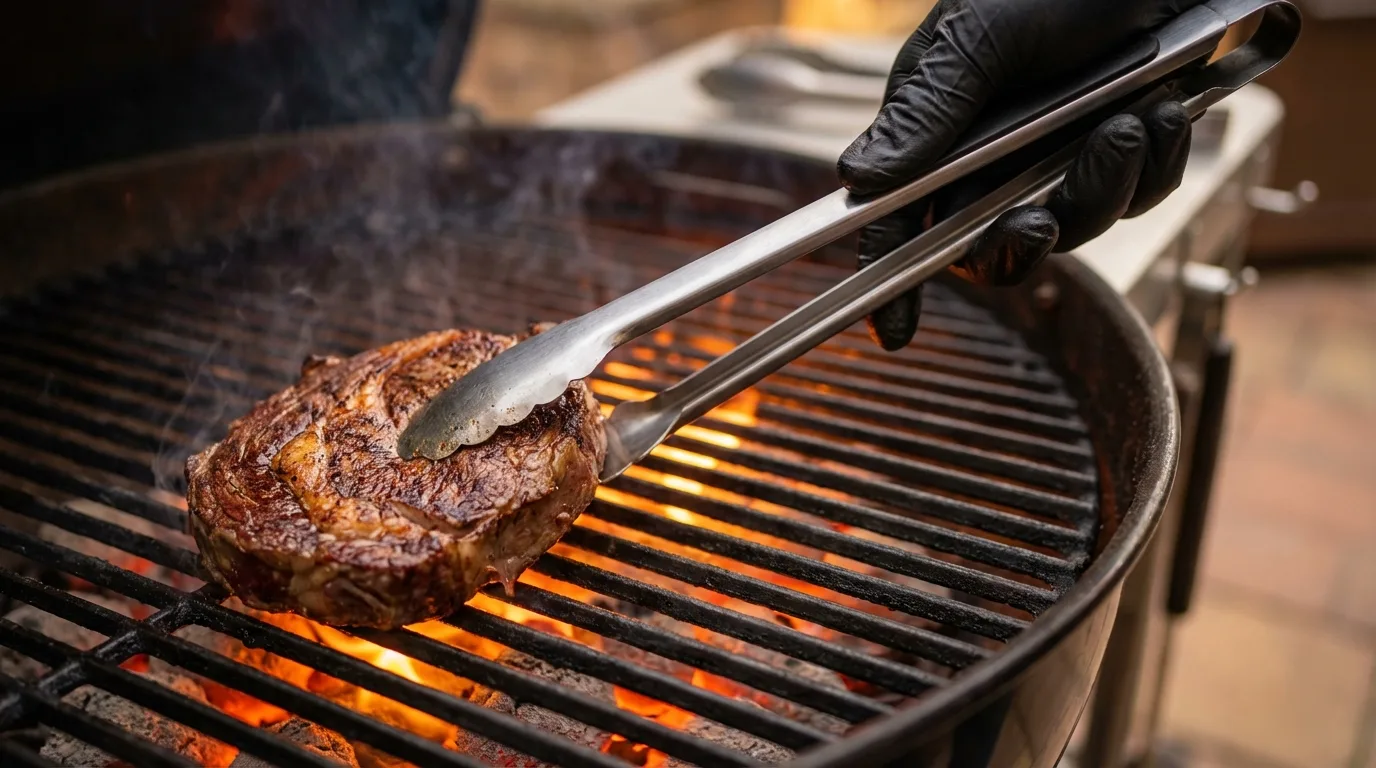
- Long-Handled Tongs: Use long-handled tongs to move the meat around the grill. This will keep your hands away from the heat and reduce the risk of burns.
- Grill Brush: Regularly clean the grill grates with a grill brush to remove any built-up grease and food particles. This will help to prevent flare-ups.
- Basting Carefully: If basting, do it sparingly and away from direct flames. Avoid sugary sauces early in the cook as they caramelize and burn easily.
Dealing with Flare-Ups When They Happen
Despite your best efforts, flare-ups can still occur. Here's how to handle them safely and effectively:
- Move the Meat: The first thing to do is move the meat away from the flames. Place it on a cooler part of the grill or remove it temporarily.
- Close the Lid: Closing the lid will cut off the oxygen supply to the flames, helping to extinguish them.
- Spritz with Water: If closing the lid doesn't work, spritz the flames with water.
- Don't Panic: Stay calm and avoid making sudden movements. Flare-ups are usually short-lived and can be easily managed.
In 2023, I was grilling some chicken thighs with a honey-based marinade. I knew that the sugar in the marinade would make them prone to flare-ups, so I was extra cautious. Despite my efforts, a small flare-up occurred. I immediately moved the chicken thighs to a cooler part of the grill and spritzed the flames with water. The flare-up quickly subsided, and the chicken thighs cooked perfectly. The key is to act quickly and decisively.
Fuel Type Comparison Table
| Fuel Type | Pros | Cons | Flare-Up Potential |
|---|---|---|---|
| Briquettes | Consistent burn, long-lasting, readily available | More ash, potential for off-flavors, additives | High |
| Lump Charcoal | Burns hotter and cleaner, less ash, better flavor | Burns faster, can be more expensive | Medium |
| Propane | Easy temperature control, clean burning | Less smoky flavor, can be expensive | Low |
Source: author's experience, supplemented by Weber - weber.com
Charcoal Arrangement Techniques Table
| Arrangement | Description | Best For | Flare-Up Risk |
|---|---|---|---|
| Direct Heat | Charcoal spread evenly under the entire cooking surface. | Searing, quick-cooking items like burgers and steaks. | High |
| Indirect Heat | Charcoal piled on one side of the grill, food on the other. | Roasts, whole chickens, larger cuts of meat. | Low |
| 50/50 | Charcoal on half the grill, leaving the other half empty. | Versatile for searing and indirect cooking. | Medium |
Source: author's experience, supplemented by Big Green Egg - biggreenegg.com
FAQ: Preventing Flare-Ups on a Charcoal Grill
Q: Why do flare-ups still happen even after I've trimmed the fat?
A: Even after trimming, some fat will inevitably render out of the meat during cooking. This is especially true for cuts like ribs or pork shoulder. The key is to manage the temperature and use indirect heat to minimize the risk of flare-ups.
Q: What is the real practical difference between using water and not using a water pan?
A: A water pan serves two main purposes. First, it catches drippings, preventing them from hitting the coals and causing flare-ups. Second, it adds moisture to the cooking environment, which helps to keep the meat tender and juicy. Without a water pan, the meat is more likely to dry out, and flare-ups are more likely to occur.
Q: Can the type of wood chips I use cause flare-ups?
A: While wood chips themselves don't directly cause flare-ups, they can contribute to the problem if they are placed directly on the hot coals. This can cause them to ignite and produce flames. To avoid this, soak the wood chips in water for at least 30 minutes before using them and place them in a smoker box or foil pouch to prevent them from burning too quickly.
Q: How often should I clean my grill to prevent flare-ups?
A: You should clean your grill after every use to remove any built-up grease and food particles. This will help to prevent flare-ups and keep your grill in good condition. Use a grill brush to scrub the grates and a scraper to remove any debris from the bottom of the grill.
Conclusion: Take Control of Your Charcoal BBQ
Flare-ups don't have to ruin your BBQ. By understanding the causes of flare-ups and implementing the techniques outlined in this guide, you can take control of your charcoal grill and cook perfectly every time. From choosing the right charcoal and mastering indirect heat to managing grill temperature and having the right tools on hand, you're now equipped to tackle even the fattiest cuts of meat with confidence.
Ready to take your grilling skills to the next level? Start by trying the indirect heat method with a pork shoulder or a whole chicken. Trim the excess fat, monitor the temperature closely, and be prepared to handle any flare-ups that may occur. With practice, you'll become a true charcoal BBQ master. And remember, clean your grill!
Recommended Reading
- 8 Ways to Innovate Seasonal Desserts: Cut Waste, Boost Profitability
- 5 Critical Reasons Your Gourmet Flavors Vanish on Plating
- Fix Mushy Sushi Rice: Authentic Japanese Flavor, Every Time!
- Bycatch Brilliance: How Chefs Innovate with Direct-Sourced Species
- Scaling Sous Vide Fish: 7 Pro Tips to Prevent Mushy Texture in Bulk Prep

0 Comentários: