 By
By 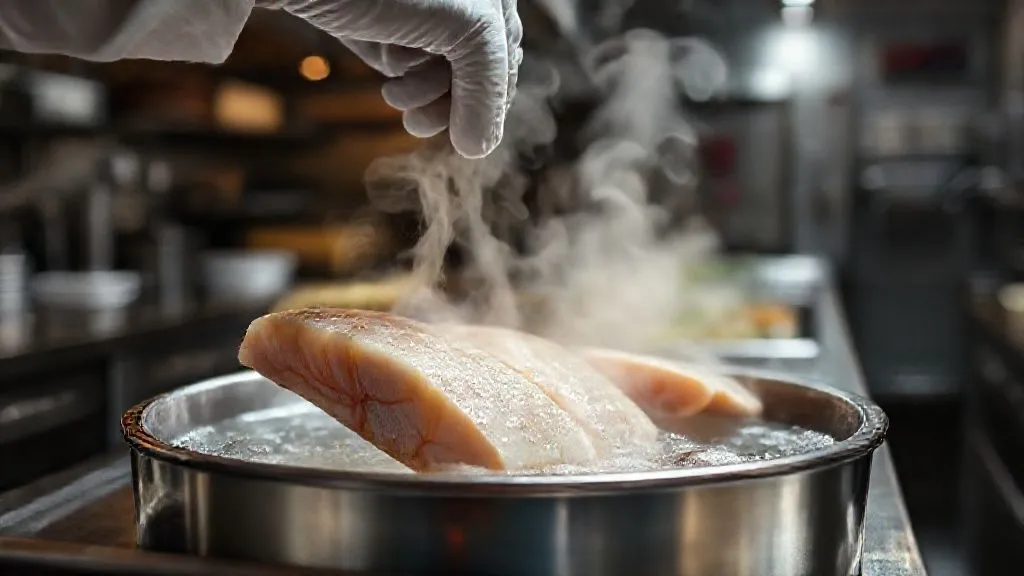
Preventing Mushy Sous Vide Fish Texture in High-Volume Prep?
For over 15 years in the professional culinary world, I've seen countless kitchens embrace sous vide for its unparalleled precision and consistency. It's a game-changer for everything from steaks to vegetables. However, when it comes to fish, especially in a high-volume setting, I've witnessed the disheartening sight of perfectly good fillets turning into a watery, mushy mess – a truly frustrating experience for any chef.
The problem is insidious: what works beautifully for a single portion often falters catastrophically when scaled up. Chefs find themselves battling inconsistent doneness, lost texture, and a significant amount of food waste, directly impacting profitability and, crucially, customer satisfaction. The promise of sous vide's perfection seems to vanish under the pressure of quantity.
But rest assured, this isn't an insurmountable challenge. In this definitive guide, I'll share the battle-tested strategies, scientific insights, and practical frameworks I've developed over years of experience to ensure your high-volume sous vide fish consistently achieves that desired firm, flaky, yet moist texture. You'll learn not just what to do, but why it works, empowering you to troubleshoot and master your sous vide fish production.
Understanding the Enemy: Why Fish Goes Mushy in Sous Vide
Before we can prevent mushy fish, we must understand its root causes. Fish flesh is delicate, composed of short muscle fibers held together by connective tissue (collagen). Unlike tougher cuts of meat, fish has very little collagen, meaning it cooks quickly and is highly susceptible to overcooking.
When fish is subjected to heat, two primary processes occur: protein denaturation and collagen breakdown. Protein denaturation causes the muscle fibers to contract, expelling moisture. If heated too aggressively or for too long, these fibers contract excessively, squeezing out too much liquid, leading to dry, tough fish. Conversely, if the temperature is just right but the time is too long, or if the fish is already compromised, the delicate structure can simply fall apart.
"Mushy fish in sous vide is often a symptom of treating it like a tougher protein. Its delicate structure demands a nuanced approach to temperature, time, and handling that differs significantly from, say, a beef short rib."
In high-volume scenarios, maintaining this delicate balance becomes exponentially harder. Factors like varying fish thickness, inconsistent starting temperatures, and the sheer quantity of product can throw off even a perfectly calibrated single-portion recipe. We need to account for these variables with robust, repeatable processes.
The Critical Role of Fish Selection and Prep
Your journey to perfect sous vide fish begins long before it ever touches the water bath. The quality and type of fish, along with meticulous preparation, are foundational.
Choosing the Right Fish for High-Volume Sous Vide
Not all fish are created equal when it comes to sous vide, especially at scale. Fattier, firmer fish tend to hold up better. Think salmon, cod, halibut, tuna, or swordfish. Leaner, more delicate fish like sole or tilapia can be done, but they demand even greater precision and shorter cooking times.
- Freshness is Paramount: There's no hiding poor quality. The enzymatic breakdown that leads to spoilage will accelerate in a warm water bath. Always source the freshest possible fish.
- Uniformity in Portions: For consistent results, portions must be as uniform in thickness as possible. This might mean trimming fillets or even investing in a portioning machine for large operations.

Brining: Your First Line of Defense Against Mushiness
Brining isn't just for flavor; it's a powerful tool for texture control. A short salt brine (a 5-10% salt solution for 15-30 minutes, depending on thickness) helps to denature some proteins, firming up the fish flesh and reducing the likelihood of albumin (the white protein 'gunk') leaching out. This is particularly effective for fish like salmon.
For high-volume, consider a large brining station or dedicated tubs. Ensure fish is fully submerged and then thoroughly rinsed and patted dry before vacuum sealing.
Precision Temperature and Time: The Golden Rules for High-Volume
This is where sous vide truly shines, but also where mistakes are most common with fish. Even a degree or two, or an extra 15 minutes, can make the difference between perfection and mush.
Optimal Temperatures for Different Fish
Generally, I recommend lower temperatures for fish than for other proteins, typically between 122°F (50°C) and 135°F (57°C). The lower end yields a very moist, almost sashimi-like texture, while the higher end provides a more traditional flaky consistency. Consistency is key here.
| Fish Type | Recommended Temp Range | Texture Profile |
|---|---|---|
| Salmon | 125-130°F (52-54°C) | Flaky, moist, tender |
| Cod/Halibut | 130-135°F (54-57°C) | Firm, opaque, very moist |
| Tuna/Swordfish | 115-125°F (46-52°C) | Rare to medium-rare, meaty |
| Snapper/Sea Bass | 128-132°F (53-56°C) | Delicate, tender, flaky |
Timing is Everything, Especially at Scale
The beauty of sous vide is that once the fish reaches its target internal temperature, it won't overcook in the traditional sense. However, prolonged exposure to heat, even at a precise low temperature, can break down the delicate fish structure, leading to a mushy texture. The goal is to cook just long enough to reach pasteurization (if desired for safety and extended hold times) and the desired texture.
For a standard 1-inch thick fillet, this usually means 30-45 minutes. For high-volume, you're often cooking many pieces. While the time to reach temperature is largely dictated by thickness, the total time in the bath should still be monitored. Avoid holding fish indefinitely at temperature; cook close to service or chill rapidly.
Water Bath Management: Consistency at Scale
In a high-volume operation, your water bath isn't just a vessel; it's a critical piece of precision equipment that needs active management. Inconsistent water temperatures are a primary culprit for mushy fish.
Circulation and Load Capacity
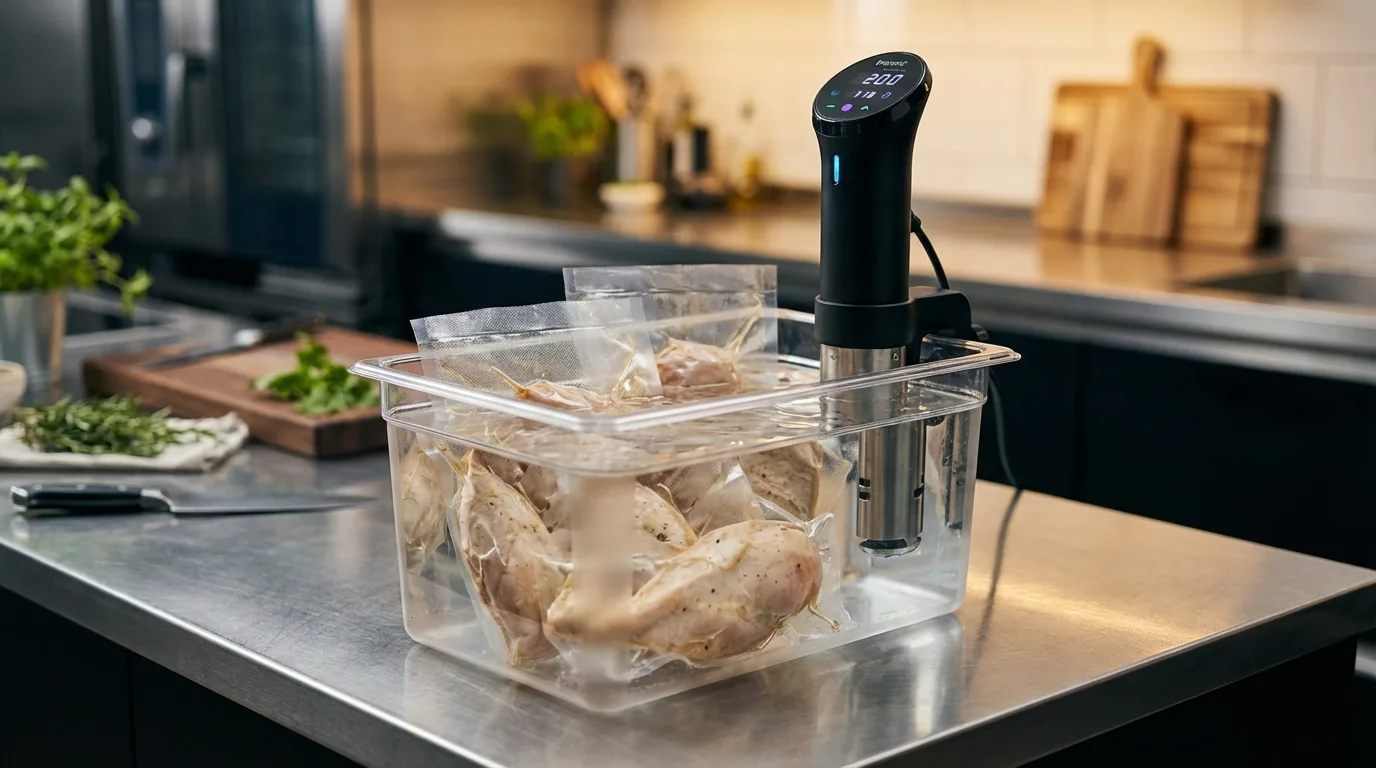
Adequate water circulation is non-negotiable. If your circulators are struggling to move water around a dense load of fish, you'll get hot and cold spots, leading to uneven cooking. Ensure your water baths are appropriately sized for the volume you're cooking, and consider adding extra circulators if needed.
Overloading the bath is a common mistake. Leave sufficient space for water to flow freely around each vacuum-sealed bag. A good rule of thumb is to not fill the bath more than 70-80% capacity with product.
Temperature Recovery and Stability
When you drop a large quantity of cold, vacuum-sealed fish into a hot water bath, the temperature will inevitably dip. A robust sous vide setup needs to recover quickly and maintain stability. Commercial immersion circulators are designed for this, but even they have limits. Pre-heating your water bath well in advance and ensuring your circulators are powerful enough for your tank size are crucial.
Case Study: How 'Ocean's Bounty' Restaurant Mastered Batch Sous Vide
Ocean's Bounty, a popular seafood restaurant, initially struggled with their sous vide salmon. They loved the precision for individual orders but found their batch-cooked salmon for weekend brunch buffets frequently came out mushy. Their 128°F (53°C) recipe worked perfectly for one fillet, but when they dropped 20 cold portions into a single bath, the temperature dipped to 120°F (49°C) for too long, then overshot, leading to inconsistent texture.
By implementing a few key changes – upgrading to two higher-capacity circulators in a larger bath, pre-chilling their salmon to a consistent 35°F (1.7°C) before sealing, and staggering the addition of bags to allow the bath to recover – they completely eliminated the mushy texture. Their weekend salmon now consistently boasts a perfect, flaky, and moist texture, leading to rave reviews and reduced waste.
The Chill-Down and Storage Imperative
What happens after the sous vide bath is just as important as what happens during it, particularly for high-volume prep where fish might be cooked hours or even a day in advance.
Rapid Cooling: The Ice Bath is Your Friend
If you're not serving immediately, rapid cooling is essential. Transferring your vacuum-sealed fish directly from the hot water bath into an ice bath (half ice, half water) immediately stops the cooking process. This is critical for both texture preservation and food safety (HACCP principles).
"Don't underestimate the power of a rapid ice bath. It's not just about food safety; it's about locking in that perfect texture you worked so hard to achieve. Slow cooling is slow cooking, and that's a recipe for mushy fish."
Ensure the ice bath is genuinely cold and that the fish bags are fully submerged. For high volume, you might need dedicated chiller units or multiple large ice baths. Cooling fish from 130°F (54°C) down to below 40°F (4°C) should take no more than 1-2 hours, ideally much faster.
Proper Storage for Extended Shelf Life
Once chilled, store the vacuum-sealed fish in a refrigerated environment, ideally at 34-38°F (1-3°C). The vacuum seal, combined with proper cooking and rapid chilling, can extend the shelf life of fish significantly, often up to a week. However, always adhere to local food safety guidelines and your establishment's HACCP plan. Labeling with date and product is crucial for inventory management in high-volume settings.
Post-Sous Vide Searing: The Texture Finisher
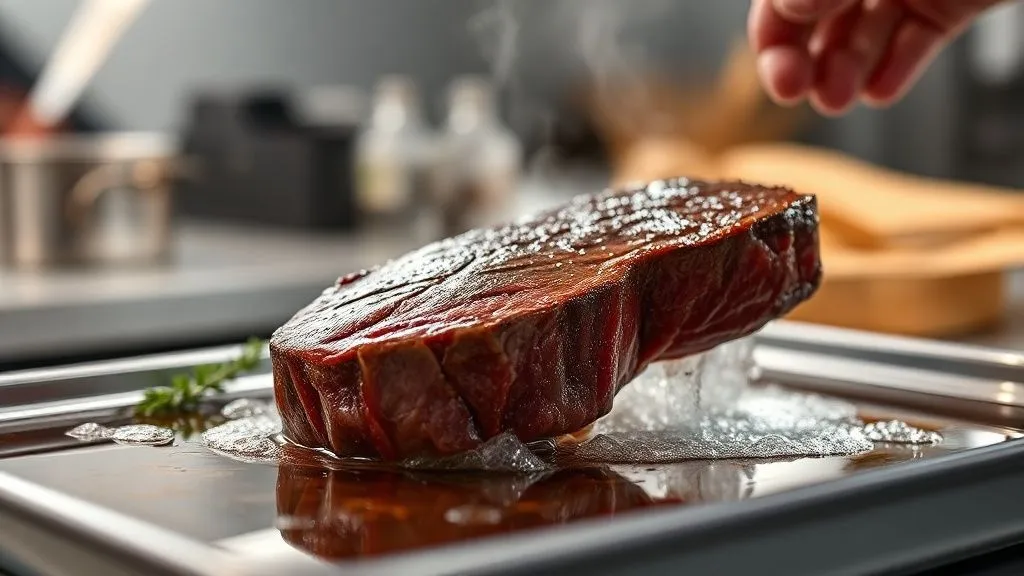
The sous vide process delivers perfectly cooked fish internally, but it lacks the desirable browned crust and firm exterior that diners expect. This is where a quick, high-heat sear comes in, and it's another point where texture can be compromised if not done correctly.
Searing Techniques for High-Volume Fish
The goal is a beautiful crust without cooking the interior further. This means extremely high heat and very short searing times.
- Preheat Your Searing Surface: Whether it's a cast-iron pan, a flat-top griddle, or a salamander, get it screaming hot.
- Pat Dry Thoroughly: Moisture is the enemy of searing. Use paper towels to meticulously dry the surface of the fish. This ensures a proper Maillard reaction (browning) and prevents steaming.
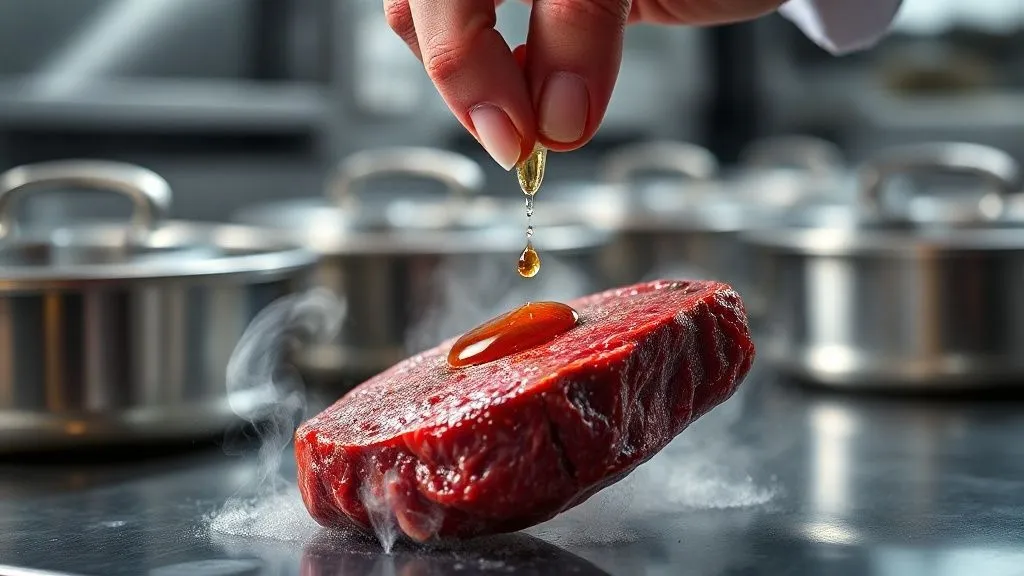
- Use High-Smoke-Point Oil: A thin layer of grapeseed, canola, or clarified butter works best.
- Sear Quickly: Place the fish presentation-side down and sear for only 60-90 seconds, depending on the heat and desired crust. Flip and sear the other side for an even shorter duration, just to warm through.
- Avoid Overcrowding: For high-volume, resist the urge to pack too many fillets onto your searing surface. This drops the temperature and leads to steaming, not searing. Work in batches if necessary.
For operations needing extremely high throughput, consider specialized equipment like high-powered commercial griddles or even infrared searing units, which can achieve a crust in seconds.
Quality Control and Training: Your Last Line of Defense
Even with the best equipment and recipes, human error or oversight can derail your efforts. Robust quality control and thorough staff training are indispensable in high-volume environments.
Implementing a Quality Control Protocol
- Spot Checks: Regularly pull a random sample of cooked fish from a batch to check for texture, doneness, and consistency. This should be done by an experienced chef or manager.
- Temperature Logs: Maintain detailed logs of water bath temperatures, chill-down times, and internal temperatures of finished product. This helps identify trends and potential issues.
- Visual Cues: Train staff to recognize the visual signs of perfectly cooked versus under/overcooked sous vide fish.

Comprehensive Staff Training
Every member of your team involved in the sous vide process, from prep to plate, needs to understand the 'why' behind each step. Don't just give them a recipe; explain the science.
- Hands-On Practice: Provide opportunities for staff to practice vacuum sealing, temperature monitoring, and searing techniques.
- Troubleshooting: Empower your team to identify and report issues immediately. What does a struggling circulator look like? What are the signs of a poor vacuum seal?
- Food Safety Refreshers: Reinforce HACCP principles, especially around rapid cooling and storage, as these are critical for both quality and safety.
Advanced Strategies for Peak Performance
Once you've mastered the fundamentals, there are additional techniques and considerations that can elevate your high-volume sous vide fish program.
Vacuum Sealing Consistency is Key
The quality of your vacuum seal directly impacts the cooking process. Air pockets can lead to uneven cooking and floaters. Invest in reliable commercial-grade vacuum sealers and ensure staff are trained on proper bag loading and sealing techniques. Double-sealing for longer cooks or more delicate fish can provide an extra layer of security.
The Power of Pre-Chilling and Staggering
As mentioned in the case study, pre-chilling your fish to a consistent low temperature before it enters the water bath can significantly reduce the temperature drop in the bath. For extremely high volumes, consider staggering the introduction of sealed bags into the water bath, allowing the circulators to maintain a stable temperature. This might mean having multiple baths or a larger bath with several high-powered circulators.
Exploring Unique Brining and Curing Solutions
Beyond simple salt brines, experiment with cures that incorporate sugar, herbs, or spices. These can further enhance flavor and texture. For example, a short sugar-salt cure can give salmon an even silkier texture. As culinary science expert J. Kenji López-Alt often demonstrates on Serious Eats, understanding the science of how salt and sugar interact with proteins can unlock new levels of texture control.

Leveraging Technology and Data
Modern sous vide systems often come with data logging capabilities. Utilizing this data can provide invaluable insights into your process. Track temperature fluctuations, recovery times, and even energy consumption. This data-driven approach, similar to principles discussed in Harvard Business Review for business operations, allows for continuous improvement and optimization of your high-volume sous vide fish production.
For example, if data consistently shows a significant temperature drop when adding a new batch, it might indicate a need for more powerful circulators or a revised batching strategy. This proactive approach prevents texture issues before they even arise.
Frequently Asked Questions (FAQ)
Question? Can I sous vide frozen fish directly in high volume? Yes, but with caveats. You'll need to increase the cooking time to account for thawing and reaching the target temperature, typically by about 50-100% depending on thickness. However, for high-volume, it's generally better to thaw fish first to ensure more consistent starting temperatures and cooking times across a large batch. This also allows for pre-brining, which is harder with frozen fish.
Question? What's the best way to maintain water bath temperature with a large load? Invest in powerful, commercial-grade immersion circulators. For very large baths, use multiple circulators. Pre-heat your water bath well in advance, and consider staggering the addition of product to prevent drastic temperature drops. Using a lid on your water bath can also help maintain temperature stability and reduce energy consumption.
Question? How do different fish types react to sous vide, and which are best for high volume? Fattier, firmer fish like salmon, cod, halibut, and swordfish generally fare best in sous vide, as their structure holds up well. Leaner fish like sole or tilapia can be done but require even lower temperatures and shorter times, making them more challenging for consistent high-volume prep. Always consult a specific temperature and time guide for each fish type.
Question? Is brining absolutely necessary for sous vide fish? While not strictly 'necessary' for every single fish, I strongly recommend it for high-volume sous vide fish, especially for types prone to albumin exudation like salmon. Brining significantly improves texture, firms up the flesh, and helps prevent that unsightly white 'gunk,' ensuring a more appealing final product and reducing the chances of mushiness.
Question? What's the biggest mistake I can make when scaling sous vide fish? The single biggest mistake is failing to adapt your processes from single-portion cooking to high-volume. This includes underestimating the impact of load size on water bath temperature, neglecting rapid chilling, and overlooking the importance of uniform portioning. Treating high-volume as simply 'more of the same' is a guaranteed path to inconsistent and mushy results. Always remember that scaling requires rethinking, not just multiplying.
Key Takeaways and Final Thoughts
Preventing mushy sous vide fish texture in high-volume prep is not an art form shrouded in mystery; it's a science backed by precision and meticulous process management. By focusing on quality inputs, precise temperature control, efficient water bath management, and robust post-cooking protocols, you can consistently achieve perfect results, even at scale.
- Prioritize Quality: Start with the freshest, most uniform fish.
- Embrace Brining: Use it as a powerful tool for texture enhancement.
- Master Temperature & Time: Adhere to precise parameters and avoid prolonged exposure.
- Optimize Water Bath: Ensure adequate circulation and temperature recovery for heavy loads.
- Chill Rapidly: An ice bath is essential for texture and safety when not serving immediately.
- Sear Smart: High heat, short duration, and dry surfaces are key for the perfect crust.
- Train & Monitor: Empower your team and implement strict quality control.
The journey to mastering high-volume sous vide fish requires attention to detail and a commitment to continuous improvement. Don't be discouraged by initial setbacks; view them as learning opportunities. By integrating these expert strategies into your culinary operations, you'll not only prevent mushy fish but elevate the consistency, quality, and reputation of your kitchen's sous vide program. Your diners will taste the difference, and your team will appreciate the reliable results.
Recommended Reading
- 8 Strategies to Keep Low-Carb Catering Menus Exciting for Repeat Clients
- 7 Strategies to Halve Smoothie Prep Time During Peak Café Hours
- Detected! 5 Urgent Solutions When Kids Find Hidden Veggies
- 5 Proven Steps: How to Stop Chocolate Bloom Ruining Pastry Showpieces
- Sous Vide Vibrant Veggies: Prevent Dullness Without Blanching – 7 Pro Tips

0 Comentários: