 By
By 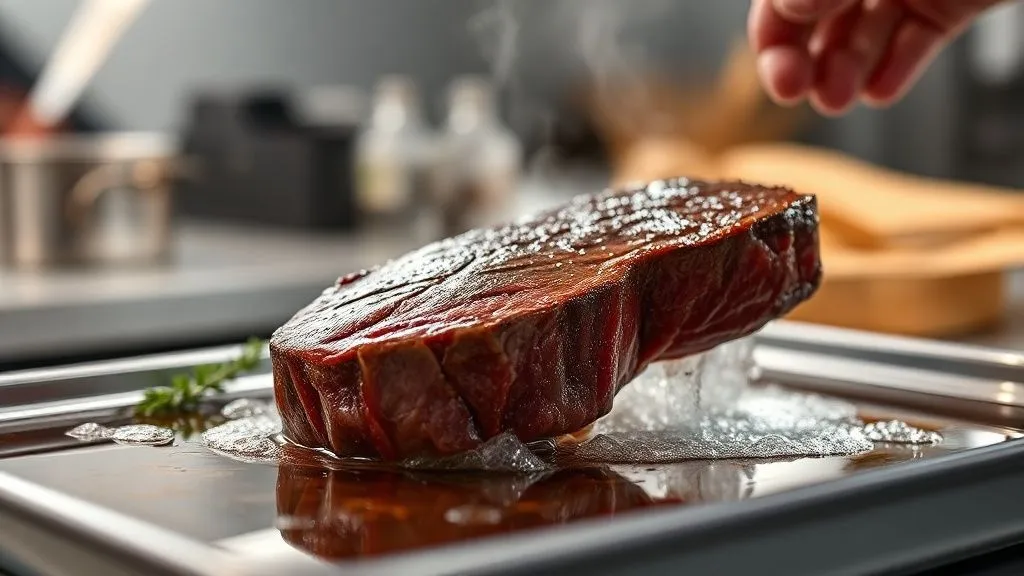
How to Prevent Quality Degradation in Held Sous Vide Dishes?
For over 15 years, I've navigated the intricate world of professional kitchens, where the demand for perfection meets the unforgiving realities of service. I’ve personally cooked thousands of pounds of proteins and vegetables using sous vide, only to witness the painstaking effort of precise cooking unravel during the holding phase. It's a common, often heartbreaking, mistake that can negate all the benefits of this incredible technique.
The paradox of sous vide is its precision: you achieve an unparalleled level of doneness and tenderness. Yet, maintaining that perfection when holding for service, or even for later use, presents a unique challenge. It’s not just about food safety—though that's paramount—it's about preserving the delicate texture, the vibrant moisture, and the nuanced flavors that make sous vide so special. This degradation can manifest as mushy vegetables, dry poultry, or steak that loses its perfect medium-rare blush.
This guide isn't just a collection of facts; it's a distillation of my hands-on experience and the lessons learned from countless successes and a few regrettable failures. I'll reveal the exact strategies, from precise holding temperatures to advanced rethermalization techniques, ensuring your sous vide creations remain pristine, from the moment they leave the bath to the very last bite. You'll gain actionable frameworks, real-world insights, and the confidence to master the art of holding sous vide dishes without compromising an ounce of quality.
Understanding the Enemy: What Causes Sous Vide Quality Degradation?
Before we can prevent quality degradation, we must first understand its root causes. Many chefs, myself included, initially believed that once a food reached its target sous vide temperature, its quality was locked in. My experience quickly taught me otherwise; the holding phase introduces new variables that can subtly, or dramatically, impact the final product.
The Perils of Prolonged Heat Exposure: Enzyme Activity and Protein Denaturation
Even at precise sous vide temperatures, enzymes within the food continue to act, albeit at a slower rate. Over extended holding periods, these enzymes can break down muscle fibers or cell walls, leading to a mushy or mealy texture, particularly in delicate items like fish or vegetables. Furthermore, while the initial cooking denatures proteins to achieve tenderness, prolonged holding, especially at temperatures slightly above the ideal serving temperature, can lead to further protein contraction and moisture expulsion, resulting in a dry, tough product.
Moisture Migration and Texture Loss: From Succulent to Subpar
One of sous vide's greatest strengths is its ability to retain moisture. However, during holding, especially if not properly handled, moisture can still be lost. This can happen through evaporation if the food is exposed to air, or through syneresis (the expulsion of liquid) if proteins continue to contract. A perfectly tender piece of meat can become noticeably drier, and vegetables can lose their crisp-tender snap, transforming into something far less appealing. It's a subtle process that can erode the very essence of what makes sous vide exceptional.
Flavor Fading and Oxidation: Muting Nuanced Tastes
While often overlooked, flavor degradation is a real concern. Prolonged exposure to heat can cause volatile aromatic compounds to dissipate, leading to a duller flavor profile. Oxygen, even in small amounts within a vacuum bag or during handling, can lead to oxidation, causing off-flavors or discoloration, particularly in fats. I've tasted countless dishes where the original vibrancy of herbs or spices, so prominent after initial cooking, had faded into the background during an extended hold.

The Golden Window: Optimal Holding Temperatures and Times
When it comes to holding sous vide dishes, temperature and time are your most critical controls. My rule of thumb, forged from years of kitchen experience, is to always prioritize both food safety and quality. These two aren't always perfectly aligned, requiring a nuanced approach.
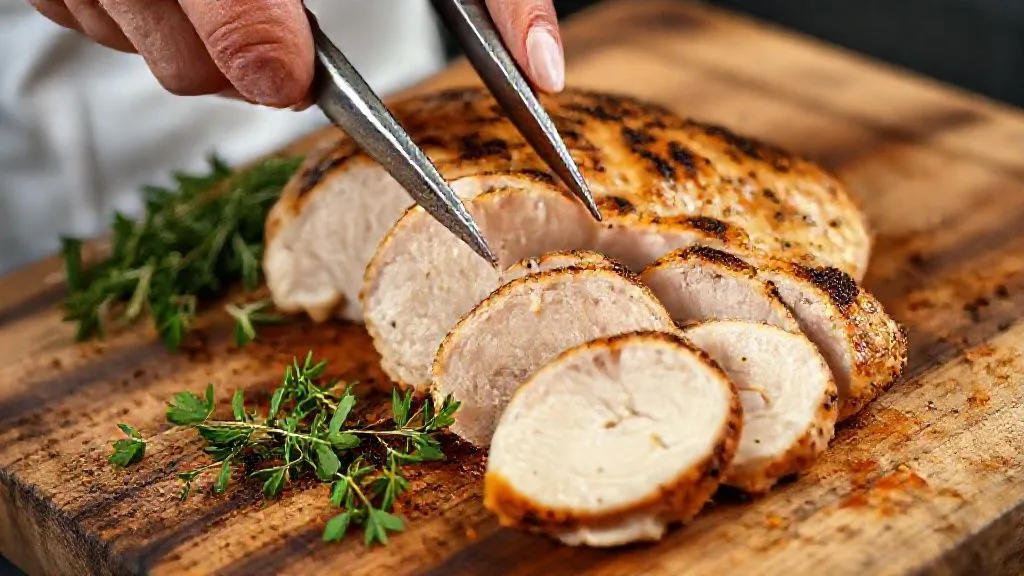
For hot holding, the absolute minimum safe temperature is 130°F (54.4°C), as mandated by food safety regulations in many regions. However, for optimal quality, especially for red meats like steak, holding at 130-135°F is ideal. Going higher, even within safe limits, can continue to cook the product, leading to dryness and texture changes. For poultry, holding around 140-145°F (60-63°C) is often suitable, as it prevents bacterial growth while maintaining moisture.
For cold holding, the food must be rapidly chilled to below 40°F (4.4°C). This halts bacterial growth and significantly slows down enzymatic activity. The speed of chilling is paramount to pass through the 'danger zone' (40-130°F) as quickly as possible. Once chilled, the food can be held refrigerated for several days, depending on the item and original packaging integrity.
The holding temperature isn't just about safety; it's the guardian of your culinary intent. It dictates whether your perfectly cooked dish remains perfect, or slowly drifts into mediocrity.
The duration of holding is equally critical. Even at ideal holding temperatures, quality will eventually degrade. For hot holding, I generally advise against holding most proteins for more than 2-4 hours. Beyond this, even at 130°F, you risk noticeable texture changes. For cold holding, properly cooked and chilled sous vide items can often last 5-7 days in the refrigerator, sometimes longer for more robust items, provided they were handled hygienically and sealed effectively. Always refer to local food safety guidelines for maximum holding times. For specific guidance, I often refer to comprehensive resources like those provided by USDA Food Safety and Inspection Service regarding temperature danger zones and holding practices.
| Food Item | Cook Temp (°F) | Optimal Hot Hold (°F) | Max Hot Hold (Hours) | Max Cold Hold (Days) |
|---|---|---|---|---|
| Beef Steak (Med-Rare) | 130-135 | 130-135 | 2-4 | 5-7 |
| Chicken Breast | 140-150 | 140-145 | 2-3 | 4-6 |
| Pork Loin | 135-140 | 135-140 | 2-4 | 5-7 |
| Fish (Delicate) | 125-130 | N/A (Serve Immediately) | <1 | 2-3 |
| Root Vegetables | 180-185 | 150-160 | 3-5 | 5-7 |
Cook-Chill-Hold: The Professional's Playbook for Batch Sous Vide
For any operation involving batch cooking or preparing components in advance, the cook-chill-hold method is indispensable. It's a strategy I've perfected in numerous kitchens, allowing for peak quality production during off-peak hours and seamless service during busy periods. This method is the cornerstone of preventing quality degradation in held sous vide dishes over longer periods.
Rapid Chilling Techniques: Ice Baths vs. Blast Chillers
The critical first step after cooking sous vide is rapid chilling. You must get the food out of the 'danger zone' (40-130°F / 4.4-54.4°C) as quickly as possible. In professional settings, blast chillers are ideal, capable of cooling food from cooking temperature to below 40°F in under two hours. For home cooks or smaller operations, a well-prepared ice bath is highly effective. I always recommend a 1:1 ratio of ice to water, ensuring the food is fully submerged. Agitate the water periodically to maximize heat transfer. The goal is to reach 40°F (4.4°C) within 90 minutes.
Proper Packaging for Storage: Vacuum Seal Integrity and Labeling
Once chilled, the integrity of your vacuum seal is paramount. Any air pockets can lead to oxidation and potential bacterial growth. Double-check seals, and if there's any doubt, re-seal. I always advocate for strong, high-quality vacuum bags that can withstand both the cooking and chilling processes. Proper labeling is non-negotiable: include the product name, date cooked, and recommended 'use by' date. This ensures clear inventory management and adherence to food safety standards. For robust guidelines on packaging and food safety, resources from organizations like NSF International are invaluable.
Storage Conditions: Refrigeration vs. Freezing, Shelf Life Considerations
For short-term holding (up to 5-7 days), refrigeration at 34-38°F (1-3°C) is generally sufficient. Ensure your refrigerator is not overcrowded, allowing for proper air circulation. For longer-term storage, freezing is an excellent option. Sous vide cooked and chilled items freeze exceptionally well, often maintaining their quality for several months. When freezing, ensure bags are laid flat initially for rapid freezing, then can be stacked. Thaw frozen sous vide items in the refrigerator or in a cold water bath before rethermalization.
- Cook to Precision: Cook your sous vide item to its desired doneness and tenderness.
- Prepare Ice Bath: Immediately after cooking, transfer the sealed bag to a large ice bath (1:1 ice to water ratio).
- Rapid Chill: Ensure the food reaches below 40°F (4.4°C) within 90 minutes. Agitate the ice bath for efficiency.
- Inspect & Label: Verify the vacuum seal integrity. Label clearly with item, cook date, and 'use by' date.
- Store Appropriately: Refrigerate for short-term (up to 7 days) or freeze for long-term storage.
Rethermalization Reimagined: Bringing Dishes Back to Life Flawlessly
Rethermalization is where many perfectly cooked and chilled sous vide dishes meet their undoing. It's not just about heating food up; it's about doing so without overcooking, drying out, or compromising the texture you worked so hard to achieve. In my experience, this phase demands as much precision as the initial cook.
The Gentle Approach: Sous Vide Rethermalization
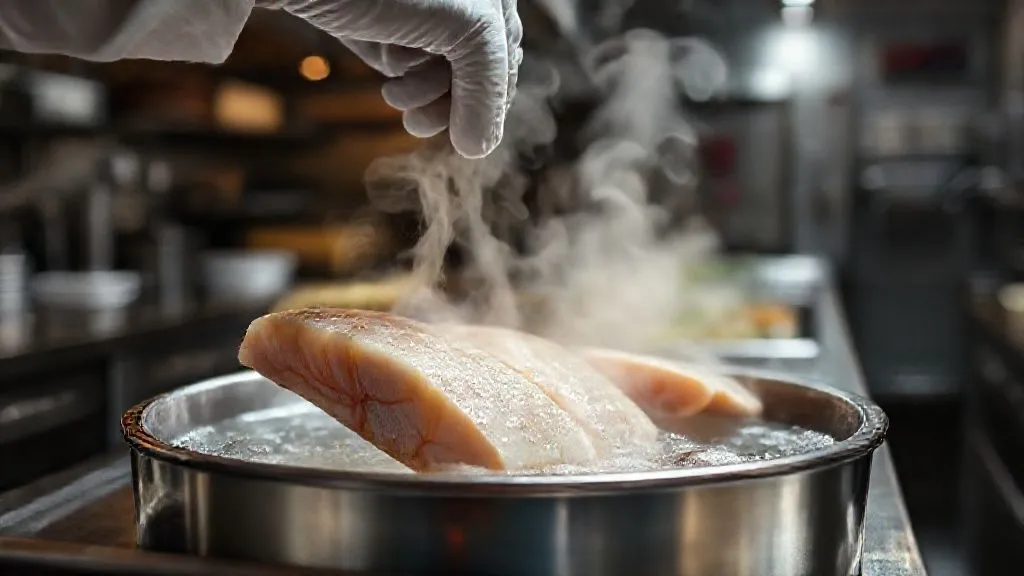
The most foolproof method for rethermalizing sous vide items is, unsurprisingly, another sous vide bath. This allows for gentle, even heating without exceeding the target temperature. Set your water bath to the original cooking temperature (or slightly below, if you plan a quick sear afterwards). For most items, 45-60 minutes per inch of thickness is a good guideline, though delicate items like fish may require less time. This method ensures the interior reaches serving temperature without any risk of overcooking the exterior.
Quick & Dirty (with caveats): Pan Searing and Oven Finishing
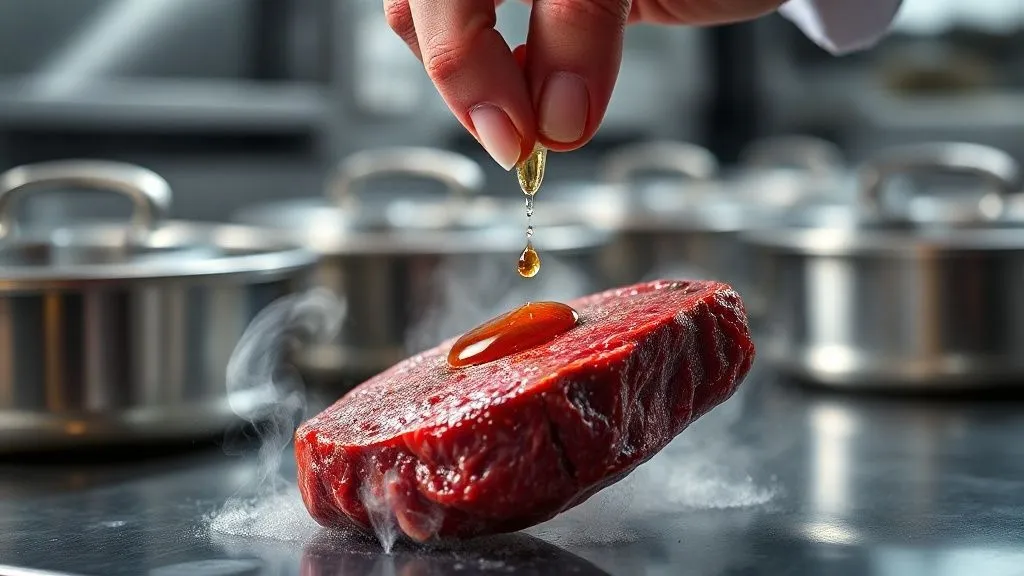
While sous vide rethermalization is ideal, sometimes speed is of the essence. For items like steak or chicken, a quick pan sear or oven finish can work, but with extreme caution. The goal is to heat the exterior and bring the internal temperature up without cooking it further. This requires high heat and very short exposure times. I recommend a screaming hot cast iron pan for a quick sear, or a hot oven (400°F/200°C) for just a few minutes, always monitoring closely with a probe thermometer. This method is best for items that benefit from a crust, like steak or pork belly, but carries a higher risk of overcooking.
Avoiding the Overcook Trap: Monitoring Internal Temperatures
Regardless of your rethermalization method, a reliable probe thermometer is your best friend. For sous vide rethermalization, you're aiming for the original cooking temperature. For other methods, you're targeting a safe serving temperature (e.g., 130-140°F for medium-rare steak) without exceeding it. Remember, the food is already cooked; you are merely bringing it to a pleasant eating temperature. Don't fall into the trap of 'cooking' it again.
Rethermalization isn't just reheating; it's a second chance to impress. Treat it with the same respect and precision as the initial cook, and your guests will never know it wasn't cooked à la minute.
Case Study: How 'The Perfect Plate' Restaurant Mastered Rethermalization
The Perfect Plate, a bustling bistro I consulted for, struggled with inconsistent quality in their popular sous vide short ribs. They were cooking large batches perfectly, but their rethermalization process—a quick oven blast—often led to dry, tough edges. By implementing a dedicated sous vide rethermalization station, setting the bath to 145°F (63°C) for their 135°F short ribs, they achieved a consistent, succulent product every time. This small change dramatically reduced food waste and garnered rave reviews, proving that the rethermalization step is as crucial as the initial cook.

Preventing Moisture Loss: The Role of Packaging and Environment
Moisture is the lifeblood of a perfectly cooked sous vide dish. Its retention is a key differentiator of the technique, and preventing its loss during holding is paramount to maintaining quality. My years of observation have shown me that even minor oversight in packaging or environment can lead to significant degradation.
Vacuum Sealing Mastery: Ensuring No Air Pockets, Proper Seal
The foundation of moisture retention begins with impeccable vacuum sealing. Any air pockets, no matter how small, create opportunities for evaporation, oxidation, and uneven heat transfer during rethermalization. I always stress the importance of using a high-quality vacuum sealer and bags. Ensure the bag is free of wrinkles near the seal and that no liquid is drawn into the sealing area, as this can compromise the seal. For liquid-rich items, using the 'pulse' function on your sealer or freezing liquids slightly beforehand can prevent issues. A perfect seal means a complete barrier against external elements and internal moisture escape.
Water Bath vs. Dry Heat Holding: Why Water Bath is Superior for Holding
When hot holding, a water bath is almost always superior to dry heat holding (e.g., warming drawers, hot boxes). Dry heat environments, by their very nature, draw moisture out of food. Even if your sous vide item is in a sealed bag, the external dry heat can create a temperature gradient that encourages moisture migration within the food itself, and if the seal is compromised, direct evaporation. A water bath, however, provides a humid, even-temperature environment that minimizes these risks. The water surrounding the bag ensures uniform temperature distribution and prevents any drying out of the external surface of the bag.
Preventing Evaporation in Holding Units: Covers, Humidity, and Circulators
If you absolutely must use a dry heat holding unit for plated sous vide dishes (after rethermalization and finishing), take measures to mitigate moisture loss. Covering dishes tightly with foil or cloches helps trap steam and humidity. For larger holding cabinets, maintaining a humid environment, perhaps with a small pan of water, can be beneficial. However, for holding the bagged sous vide items themselves, nothing beats the precision and humidity of a water bath. Ensure your immersion circulator is properly maintained and calibrated to prevent temperature fluctuations that could stress the product.
True sous vide mastery extends beyond the bath; it's about anticipating every stage of the food's journey, especially how to prevent quality degradation in held sous vide dishes, and proactively protecting its integrity.
Beyond Temperature: Advanced Strategies for Peak Quality Retention
While temperature control is foundational, true mastery of preventing sous vide quality degradation in held dishes involves a deeper understanding of food science and proactive culinary techniques. These are the nuances I've learned to apply that elevate good sous vide to consistently exceptional.
Pre-Sear and Chill: For Certain Cuts, an Initial Sear Can Help
This technique might seem counterintuitive, but for certain cuts, particularly those with a significant fat cap or skin (like duck breast or pork belly), a quick pre-sear before the sous vide bath and then chilling can offer benefits. The initial sear renders some fat and creates a barrier that can help protect the meat during longer holds. It also means less aggressive searing is required during rethermalization, reducing the risk of overcooking. I've found this particularly effective for items where a crispy skin or crust is desired but the internal temperature must remain precisely controlled.
Acidulation and Brining: Impact on Texture and Moisture
The pre-treatment of your ingredients significantly impacts their resilience during holding. Brining, for instance, not only seasons but also helps proteins retain moisture by altering their cellular structure. A simple salt brine can make chicken breast more forgiving during a hold. Similarly, a light acidulation (e.g., a squeeze of lemon or a splash of vinegar) for vegetables before vacuum sealing can help maintain their vibrant color and slight crispness, counteracting the enzyme activity that can lead to mushiness over time. This is about building a buffer against degradation from the start.
Strategic Thickeners/Gels: For Sauces or Components
When dealing with sauces or components that might be held alongside your main sous vide item, strategic use of natural thickeners or gels can be a game-changer. For example, a sauce component cooked sous vide might benefit from a touch of agar-agar or gelatin. These can help maintain consistency and prevent separation during holding and rethermalization, ensuring a perfectly emulsified and appealing presentation. I've used this for everything from hollandaise to jus, ensuring they hold their structure without needing last-minute adjustments.
Equipment Matters: Tools for Consistent Quality Holding
Just as a carpenter needs the right tools, so too does a chef aiming for consistent sous vide excellence. The right equipment isn't just about cooking; it's about maintaining that quality through the entire service cycle, directly addressing how to prevent quality degradation in held sous vide dishes.
Precision Immersion Circulators for Holding
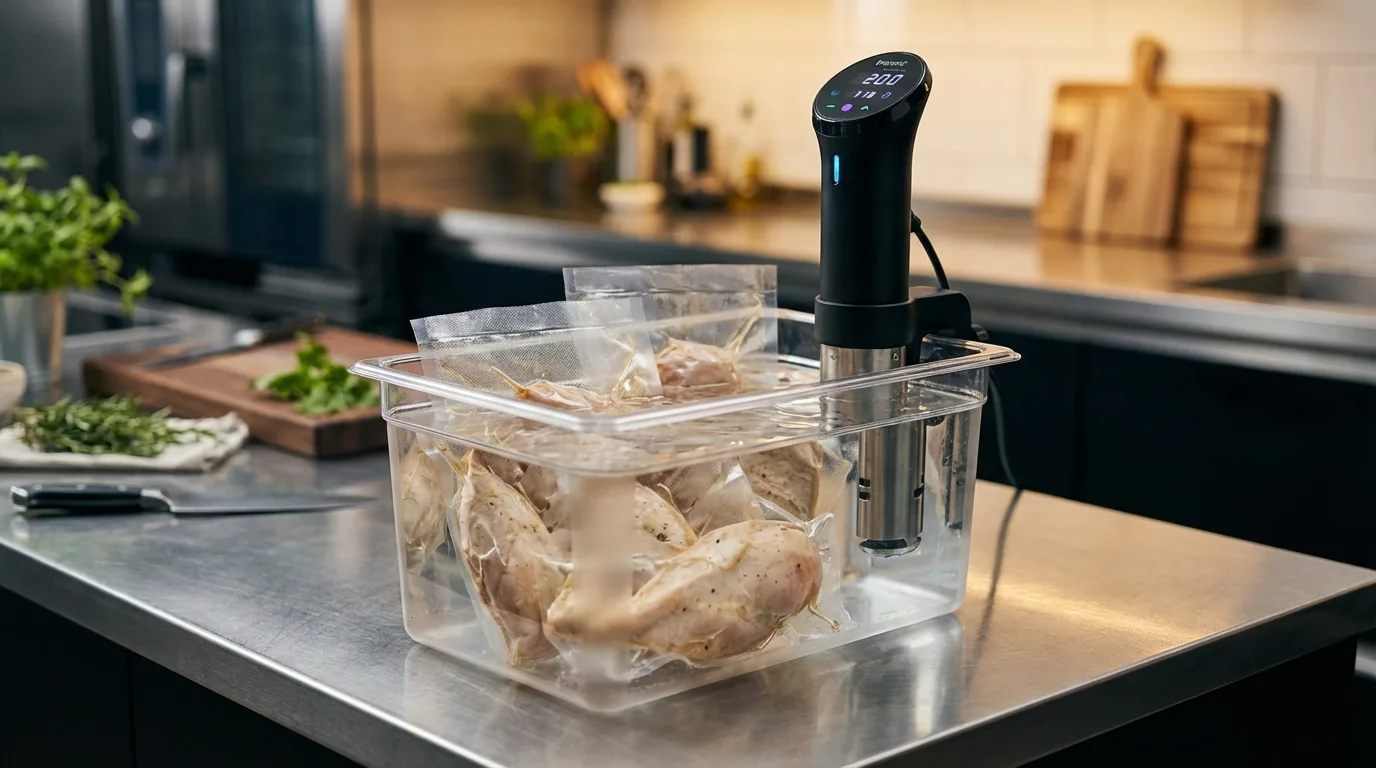
Your immersion circulator is not just for cooking; it's also your primary tool for hot holding and rethermalization. Invest in a reliable model known for its temperature stability. For professional settings, having a dedicated circulator for holding, separate from your main cooking bath, can prevent cross-contamination and allow for different temperature zones. Regular calibration is essential to ensure the displayed temperature truly matches the water temperature, preventing any accidental over or under-holding.
Insulated Containers and Lids
An insulated container with a well-fitting lid is crucial for energy efficiency and temperature stability, especially during long holds. It minimizes heat loss, reducing the workload on your circulator and ensuring a more consistent water bath temperature. I've seen kitchens use everything from professional polycarbonate containers with custom lids to simple picnic coolers with a towel-covered opening for the circulator. The key is insulation.
Vacuum Sealers and Bag Quality
As discussed, the quality of your vacuum seal is paramount. A robust chamber sealer is a significant investment for professional kitchens but offers unparalleled reliability and the ability to seal liquids effectively. For home cooks, a good external vacuum sealer with strong suction and a reliable heat seal bar is essential. Don't skimp on bag quality either; use BPA-free, food-grade bags designed for sous vide temperatures that can withstand the rigors of cooking, chilling, and holding.
Temperature Probes and Monitoring Systems
Beyond your circulator's built-in thermometer, having independent temperature probes is crucial for verifying bath temperatures and, more importantly, for spot-checking internal food temperatures during rethermalization. For advanced operations, wireless monitoring systems can provide real-time data, alerting you to any fluctuations and allowing for proactive adjustments. This level of vigilance is what separates good holding from truly exceptional holding.
| Equipment Type | Key Feature for Holding | Benefit |
|---|---|---|
| Immersion Circulator | Temperature Stability, Programmable | Precise, consistent hot holding/rethermalization |
| Insulated Water Bath Container | High Insulation, Fitted Lid | Energy efficiency, stable bath temperature |
| Vacuum Sealer (Chamber/External) | Strong Seal, Liquid Sealing Capability | Prevents moisture loss, extends shelf life |
| High-Quality Sous Vide Bags | Durable, BPA-Free, Food-Grade | Maintains integrity during cook-chill-hold cycle |
| Probe Thermometer | Accurate, Fast Read | Verifies internal food temp during rethermalization |
Frequently Asked Questions (FAQ)
Question: Can I hold all sous vide items at the same temperature? No, not ideally. While 130°F (54.4°C) is a common safe hot-holding temperature, optimal quality varies. Delicate fish might degrade quickly at 130°F, while chicken requires a slightly higher temperature (140-145°F) for both safety and texture. I always recommend tailoring your holding temperature to the specific protein and desired outcome.
Question: How long can I safely hold sous vide food in a hot water bath? While food safety guidelines allow for holding above 130°F (54.4°C) for several hours, my experience suggests limiting hot holding for most proteins to 2-4 hours for optimal quality. Beyond this, even if safe, texture can become mushy or dry, and flavors can fade. For delicate items like fish, I strongly advise serving immediately after cooking.
Question: What's the best way to rethermalize delicate fish cooked sous vide? For delicate fish, rethermalization in a precisely controlled sous vide bath at its original cooking temperature is by far the best method. This prevents any further cooking and ensures the fish returns gently to serving temperature. A quick, high-heat sear on one side immediately before serving can add texture without overcooking. Avoid aggressive oven or pan rethermalization for delicate items.
Question: Does freezing sous vide cooked food affect its quality? Freezing sous vide cooked and chilled food generally preserves its quality very well, often for several months, provided it was properly vacuum-sealed and rapidly chilled. The controlled cooking ensures less cellular damage than traditional methods, making it more resilient to freezing. Thaw slowly in the refrigerator or a cold water bath for best results, then rethermalize.
Question: Is it okay to use a warming drawer for holding sous vide dishes? Warming drawers typically operate as dry heat environments, which can be detrimental to the moisture content and texture of sous vide dishes, even if they are still in their bags. While they might keep food warm, they lack the precise temperature control and humid environment of a water bath. I only recommend them for very short holds (15-30 minutes) for plated, finished dishes, never for extended holding of bagged items.
Key Takeaways and Final Thoughts
Mastering sous vide extends far beyond the initial cook; it's a holistic approach that demands equal attention to the post-cook holding and rethermalization phases. My journey through countless kitchens has unequivocally taught me that the secret to preventing quality degradation in held sous vide dishes lies in a combination of vigilance, precision, and understanding the science behind the art.
- Prioritize Rapid Chilling: Get food out of the danger zone quickly to halt degradation.
- Respect Holding Temperatures: Balance food safety with optimal quality thresholds.
- Master Rethermalization: Use sous vide for gentle reheating to avoid overcooking.
- Ensure Impeccable Sealing: A perfect vacuum seal is your primary defense against moisture loss and oxidation.
- Invest in Quality Equipment: Reliable circulators, insulated baths, and vacuum sealers are non-negotiable.
- Think Proactively: Consider pre-treatments and environmental controls to bolster resilience.
The culinary world constantly evolves, but the pursuit of perfection remains constant. By integrating these strategies into your sous vide practice, you're not just preventing degradation; you're elevating your craft, ensuring that every dish you serve, whether cooked à la minute or prepared in advance, consistently delivers on the promise of sous vide's unparalleled precision and quality. Keep experimenting, keep learning, and your sous vide creations will continue to impress, plate after perfect plate.
Recommended Reading
- 8 Ways to Adapt Cocktail Recipes When Premium Spirits Are Unavailable
- Kombucha Too Vinegary? 7 Expert Fixes for a Perfectly Balanced Brew
- Mastering Kefir: 7 Strategies for Daily Bulk Production Consistency
- Mastering Large-Batch Preserves: 7 Steps to Unwavering Quality
- Unlock the Secret: Why Your No-Knead Bread is Dense & How to Fix It
0 Comentários: