 By
By 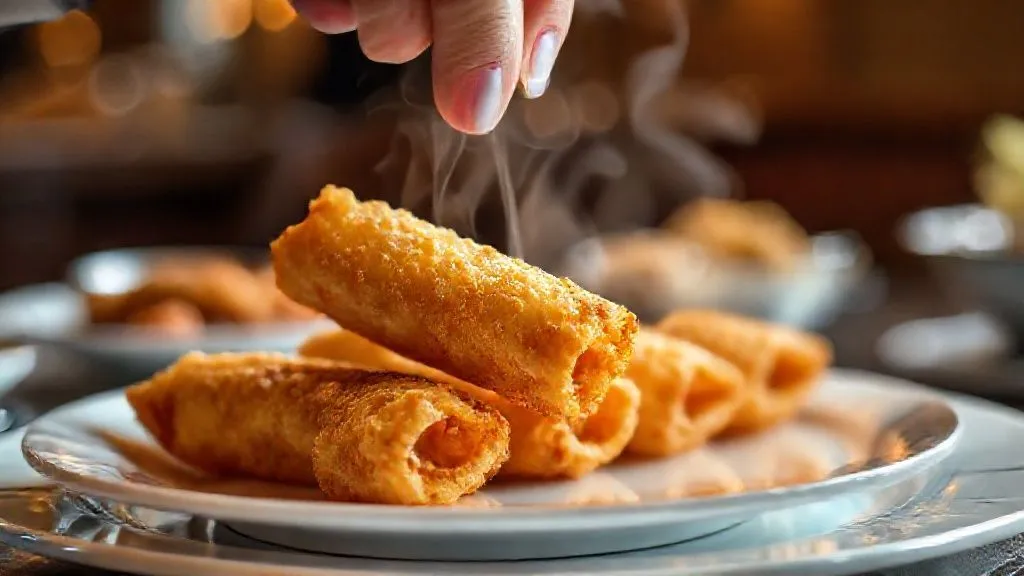
How to Prevent Air Fryer Snack Crispness Loss for Catering?
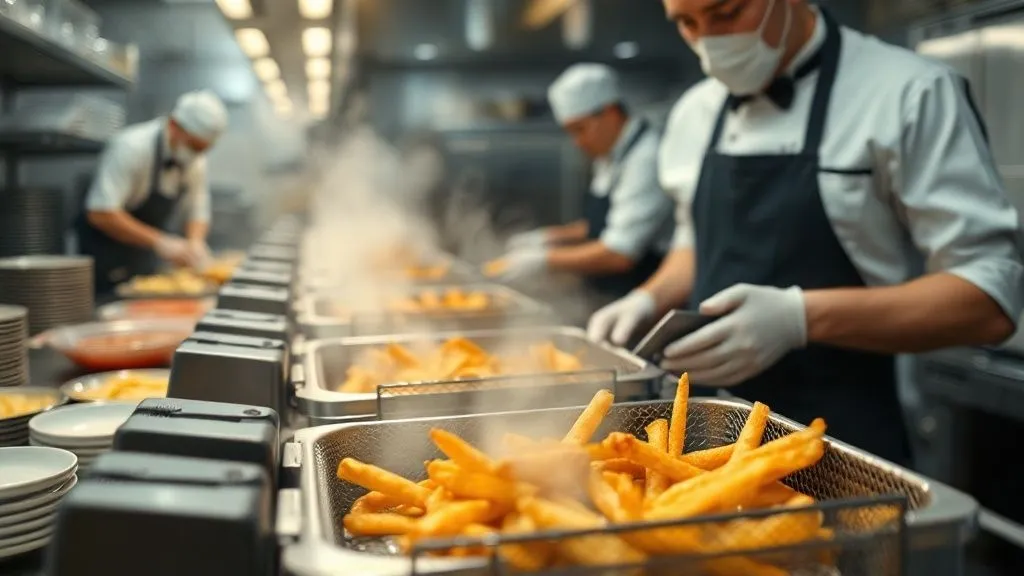
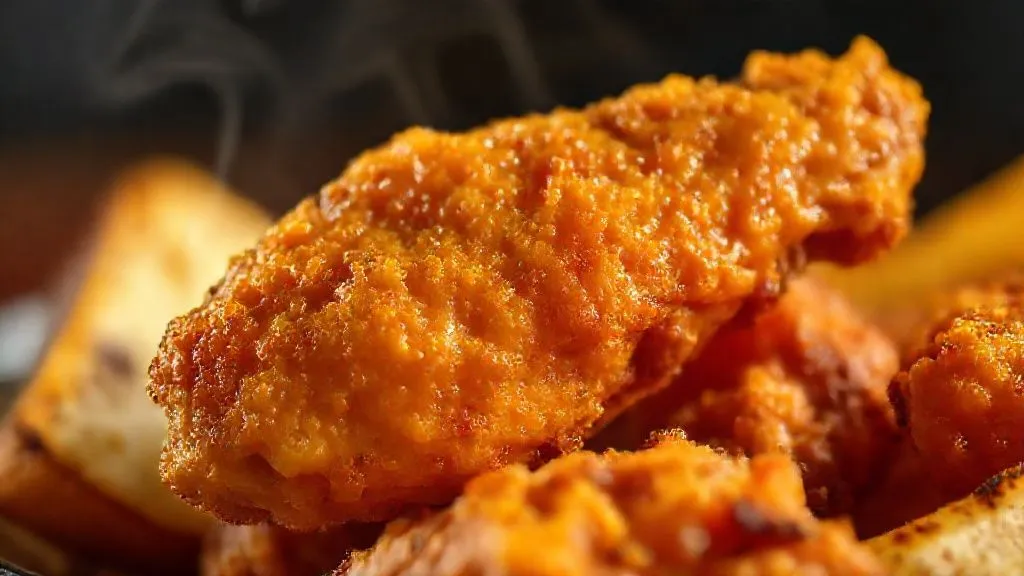
For two decades in the demanding world of high-volume catering, I've seen countless culinary triumphs – and heartbreaking defeats. One of the most common, and frankly, most frustrating challenges for caterers embracing the air fryer is the elusive nature of lasting crispness. That perfectly golden, audibly crunchy snack, so promising fresh out of the basket, can transform into a sad, soggy shadow of its former self by the time it reaches the guest.
The air fryer offers incredible benefits for catering: healthier options, faster cook times, and consistent results. However, scaling its use for events, where snacks need to hold their integrity for extended periods, introduces a unique set of hurdles. Condensation, temperature fluctuations, and improper holding techniques conspire to steal that coveted crunch, disappointing both the chef and the client. It's a problem I've grappled with, and one that requires a multi-faceted solution.
This isn't just a guide; it's a deep dive into the practical science and proven strategies I've developed to combat air fryer snack crispness loss for catering environments. We'll explore everything from meticulous ingredient selection and optimal cooking methods to advanced holding and serving logistics. By the end, you'll have a comprehensive framework, complete with actionable steps, real-world insights, and professional tips, to ensure your air-fried offerings consistently deliver that satisfying, irresistible crunch, no matter the scale of your event.
Understanding the Enemy: What Causes Crispness Loss?
The Science Behind the Soggy Snack Syndrome
The primary culprit behind crispness loss in air-fried snacks is moisture – whether it originates from the food itself or the surrounding environment. When hot food begins to cool, the steam trapped within its structure or released from its surface condenses. This condensation then rehydrates the crispy exterior, turning that delightful crunch into an unappealing chewiness or sogginess.
Think of it like this: your air fryer works by circulating superheated air, rapidly dehydrating the surface of the food and creating that delightful crust. But once that food leaves the fryer, it's exposed to cooler air, and the steam trapped within the food or released from other items in a closed container has nowhere to go but back onto the surface, effectively undoing all your hard work.
The moment an air-fried snack leaves its hot, dry environment, it begins a race against time, battling moisture migration from within and condensation from without. Victory lies in controlling both.
Key factors contributing to this culinary catastrophe include:
- Internal Moisture Release: Ingredients with high water content (e.g., certain vegetables) can release steam that gets trapped.
- External Condensation: Cooling hot food in an unvented or humid environment creates surface moisture.
- Improper Ventilation During Holding: Stacking or covering hot snacks without airflow prevents steam escape.
- Starch Retrogradation: For potato-based items, starches can re-gel and soften upon cooling, contributing to sogginess.
- Oil Absorption: If not air-fried properly or if the coating is compromised, some oil can be absorbed, leading to a greasy, soft texture.

Pre-Preparation Prowess: Setting the Stage for Lasting Crunch
Ingredient Selection and Coating Mastery
The journey to a consistently crispy snack begins long before it hits the air fryer basket. Your choice of ingredients and how you prepare them are foundational for preventing air fryer snack crispness loss for catering.
- Low-Moisture Ingredients: Prioritize vegetables or proteins with inherently lower water content. For items like zucchini or mushrooms, consider pre-blanching and thoroughly patting them dry, or even salting them to draw out excess moisture before coating.
- Optimal Coatings: A robust, well-adhered coating acts as a critical barrier against moisture. For items like chicken tenders or mozzarella sticks, a double-dredge (flour-egg-breadcrumbs-egg-breadcrumbs) creates a thicker, more durable crust. For vegetable-based items, a light cornstarch or rice flour dredge mixed with a tiny amount of oil can create a beautifully delicate yet crisp exterior. Panko breadcrumbs are often superior to fine breadcrumbs due to their larger, flakier texture.
- Seasoning Strategy: Apply dry seasonings *after* frying or during the final minutes of cooking. Adding salt or other moisture-drawing spices too early can pull water out of the food, leading to a softer crust.
The Power of Par-Cooking and Freezing
For high-volume catering, par-cooking can be an absolute game-changer. This involves partially cooking items beforehand, then rapidly cooling, storing, and finishing them just before serving. This technique is invaluable for managing kitchen flow and ensuring consistent quality.
- Par-Frying (Traditional Method): Briefly deep-fry items for 1-2 minutes to set a crisp exterior without fully cooking the interior. Cool rapidly on wire racks, then flash freeze. Re-air fry from frozen until golden and heated through.
- Par-Air Frying: Air fry items for approximately 50-70% of their total cooking time until a crust forms and the exterior is firm, but the interior is still slightly undercooked. Cool rapidly on wire racks, then freeze. Finish from frozen in the air fryer or oven.
- Flash Freezing Protocol: For delicate or coated items, flash freezing them in a single layer on a parchment-lined sheet pan before transferring to freezer bags or containers prevents them from sticking together and helps maintain their shape and coating integrity.
According to a study published in the Journal of Food Science, controlled par-frying and subsequent freezing can significantly improve the textural quality of fried foods upon reheating, by minimizing moisture migration during the final cooking stage and ensuring a crisper end product.
| Snack Type | Best Coating | Pre-Prep Tip |
|---|---|---|
| Chicken Tenders | Double Breadcrumb (Panko) | Marinade in buttermilk, pat dry thoroughly |
| Mozzarella Sticks | Flour-Egg-Breadcrumb-Egg-Breadcrumb | Freeze solid before air frying |
| Spring Rolls | Thin Rice Paper/Wheat Wrapper | Ensure filling is dry, brush with oil |
| Potato Wedges | Light Oil + Cornstarch | Soak then dry thoroughly, par-boil optional |
Masterful Air Frying: Techniques for Optimal Initial Crispness
The Golden Rules of the Air Fryer Basket
Achieving maximum crispness begins with how you load and operate your air fryer. Overlooking these fundamental steps is a common error in high-volume settings and directly impacts your ability to prevent air fryer snack crispness loss for catering.
- Never Overcrowd: This is paramount. Air fryers rely on hot air circulation. Overcrowding blocks this essential airflow, leading to uneven cooking and, critically, steaming instead of frying. Always cook in small, single layers, leaving space between items.
- Preheat Properly: Always preheat your air fryer for at least 5-10 minutes. A hot basket immediately sears the exterior of the food, creating a crisp barrier and reducing cooking time.
- Use Minimal Oil (Strategically): While air frying uses less oil than deep frying, a light spray of high smoke-point oil (like avocado, grapeseed, or canola) can significantly enhance browning and crispness, especially for items that don't have their own fat or a breaded coating. Apply evenly with an oil mister.
- Shake or Flip Regularly: To ensure all surfaces are exposed to the circulating hot air for even crisping, shake the basket or flip individual items every 5-7 minutes during cooking.
Temperature and Timing: Precision is Key
Different snacks require different approaches. Don't treat all items the same; fine-tune your settings for optimal results.
- Higher Heat, Shorter Time (Generally): For most snacks, a higher temperature (e.g., 375-400°F / 190-200°C) for a shorter duration is generally better for crispness. This rapidly dehydrates the exterior without completely drying out the interior, unlike lower heat for longer periods, which can lead to a tougher, less pleasant texture.
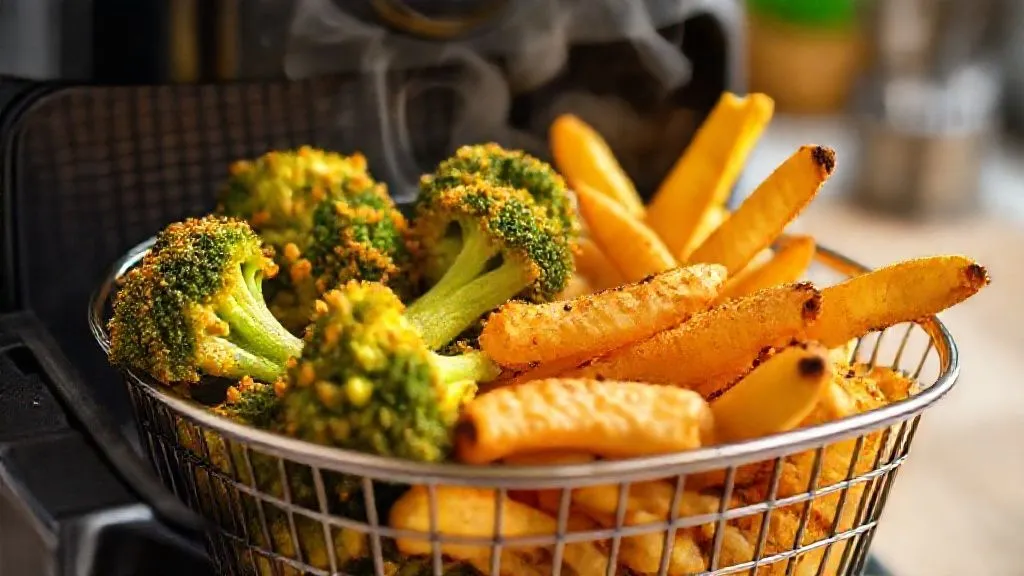
- The 'Double Fry' Air Fryer Edition: For items like french fries, potato wedges, or even some thicker cut vegetables, a two-stage air fry can be revolutionary for achieving a truly crispy interior and exterior.
- Stage 1 (Cook and Dehydrate): Air fry at a slightly lower temperature (e.g., 300-325°F / 150-160°C) until the food is cooked through but not fully crispy. This stage focuses on softening the interior and reducing moisture.
- Stage 2 (Crisp): Increase the temperature to 375-400°F (190-200°C) for the last 5-10 minutes. This final blast of high heat is where the magic happens, developing that deep golden color and irresistible crunch.

The Critical Holding Zone: Preserving Crispness Post-Cook
Ventilation: Your Best Friend Against Condensation
This is where many caterers stumble. The moment a hot, crispy snack leaves the air fryer, it begins to cool. If this cooling process happens in an enclosed space, condensation forms rapidly, and your hard-won crispness evaporates within minutes. Preventing air fryer snack crispness loss for catering hinges on smart holding.
- Wire Racks are Essential: Never, under any circumstances, place hot air-fried snacks directly into solid containers or onto flat surfaces. Always transfer them immediately to wire racks set over sheet pans. This crucial step allows air to circulate around all sides, preventing steam from getting trapped underneath and causing sogginess.
- Paper Towel Layers: For very short holding times or for items that tend to release more oil, placing a layer of absorbent paper towels beneath the snacks on a wire rack can help wick away some residual moisture and oil.
- Avoid Covering Tightly: If you must cover items to maintain warmth, use a loose tent of foil or a vented lid to allow some steam to escape. A completely sealed container is a death sentence for crispness.
Warm Holding Equipment: Not All Are Created Equal
Selecting the right equipment for holding is paramount. Your standard chafing dish might keep food warm, but it's often a death trap for crispiness due to its tendency to trap steam.
- Heated Holding Cabinets with Humidity Control: This is the gold standard for professional catering. These units allow you to set specific temperature and, crucially, humidity levels. By maintaining a warm, dry environment, they create an ideal climate to keep food hot without making it soggy. Look for models with active humidity management to truly control the microclimate.
- Infrared Warming Lamps: Excellent for short-term holding and serving lines. The radiant heat keeps the surface of the food warm and dry, actively preserving crispness. They are perfect for maintaining quality on a buffet or a pass-through line.
- Convection Ovens (on low): A conventional convection oven set to its lowest temperature (e.g., 170-200°F / 77-93°C) with the fan on can mimic a dry holding environment. The circulating air helps to prevent condensation. Monitor closely to prevent excessive drying out, and consider keeping the door slightly ajar if possible to allow moisture to escape.
As renowned food scientist Harold McGee emphasizes in 'On Food and Cooking', understanding the interplay of heat, moisture, and airflow is crucial for maintaining food quality, particularly texture, after cooking. His insights underscore the importance of these holding strategies.
The secret to sustained crispness in a catering environment isn't just about keeping food hot; it's about keeping it hot and dry. This distinction is critical for preventing air fryer snack crispness loss for catering.
Case Study: How 'Crunchy Bites Catering' Conquered Condensation
Crunchy Bites Catering, a bustling event company specializing in gourmet appetizers, consistently struggled with their signature air-fried arancini balls and spring rolls losing their crispness within 15 minutes of leaving the fryer. Their initial solution involved placing them in covered chafing dishes, which only exacerbated the problem, leading to customer complaints and wasted product. After consulting with a culinary expert (myself, in this case!), they implemented a multi-pronged strategy to prevent air fryer snack crispness loss for catering.
First, they switched from traditional breadcrumbs to a panko-cornstarch blend for their arancini, creating a more robust and less moisture-absorbent coating. Second, they invested in two commercial heated holding cabinets with active humidity control, setting them to 150°F (65°C) with minimal humidity. Most importantly, they instituted a strict protocol: all fried items were immediately transferred to perforated sheet pans on wire racks for a brief 2-minute cooling period before being placed into the holding cabinets. This allowed initial steam to dissipate before controlled holding. The result? Arancini and spring rolls that remained audibly crispy for up to an hour, significantly reducing food waste and boosting customer satisfaction ratings by 25% within three months. This case highlights that investing in the right equipment and establishing strict post-frying protocols are non-negotiable for catering success.
Strategic Serving: Delivering the Perfect Bite
Batch Cooking and Staggered Frying: The Logistics Dance
For large events, it's simply not feasible to air fry everything at once. Strategic batch cooking and staggered frying are vital for preventing air fryer snack crispness loss for catering by ensuring freshness.
- Estimate Demand Accurately: Work closely with your client to get accurate guest counts, serving times, and expected consumption rates for each snack. This allows you to plan your production schedule efficiently.
- Stagger Frying Times: Plan your air fryer schedule so that fresh batches are coming out continuously, ideally no more than 15-20 minutes before they are expected to be consumed. This minimizes holding time and maximizes freshness.
- Utilize Multiple Units: If budget and space allow, having several smaller commercial air fryers running simultaneously is often more effective and flexible than one very large unit. This enables greater batch control and staggered production.
On-Site Finishing Touches and Revitalization
Sometimes, despite the best planning, a quick refresh on-site is the best solution for items that might have softened slightly or for those requiring a final burst of crispness.
- Quick Blast: If you have access to an air fryer or a high-powered convection oven on-site, a 2-3 minute blast at 400°F (200°C) can often revive soggy items, bringing back their crispness just before serving. Ensure items are in a single layer.
- Infrared Lamps: Position portable infrared warming lamps strategically over serving platters. The radiant heat keeps the surface of the snacks warm and dry, effectively maintaining and even enhancing crispness.
- Garnish Strategically: While no substitute for proper crispness, a sprinkle of fresh, crunchy herbs, toasted nuts, or a drizzle of a vibrant sauce can distract from minor textural imperfections and add to the overall appeal.

Beyond the Basics: Advanced Tactics for High-Volume Events
Specialized Equipment for the Serious Caterer
For those operating at the highest level of catering, specialized equipment can provide an undeniable edge in preventing air fryer snack crispness loss for catering.
- Commercial Holding Cabinets with Forced Air: These advanced units not only keep food warm but actively circulate dry, heated air throughout the cabinet. This dynamic airflow creates an unparalleled environment for crisp retention, often superior to static holding cabinets.
- Ventilated Transport Containers: Invest in catering-grade insulated carriers that feature adjustable vents. These allow you to control airflow during transport, preventing steam buildup that can occur in sealed containers, thereby preserving crispness on the journey to the event.
- Heat Lamps with Humidity Control: Some cutting-edge heat lamp systems integrate moisture management capabilities. These can prevent food from drying out while simultaneously maintaining crispness, offering a superior solution for buffet lines.
Innovative Packaging and Serving Solutions
Even how you present and package your snacks can impact their crispness and contribute to preventing air fryer snack crispness loss for catering.
- Perforated Serving Liners: Use paper liners with small holes or mesh patterns in serving baskets or trays. These allow steam to escape from below the snacks, preventing the dreaded soggy bottom.
- Individual Vented Containers: For grab-and-go or individually portioned options, consider small containers specifically designed with built-in vents. These are crucial for preventing condensation inside the packaging.
- "Crispness Pockets": Some innovative caterers experiment with small, breathable pouches or edible wrappers that hold individual snacks. These provide a protective barrier while still allowing for some essential airflow, balancing warmth and crispness.
Post-Frying Dusting and Seasoning for Texture Enhancement
A final flourish can sometimes make all the difference, enhancing both flavor and perceived crispness.
- Fine Cornstarch Dusting: For some items, a very light dusting of fine cornstarch or rice flour immediately after air frying can absorb any lingering surface moisture and contribute to a delicate, enhanced crispness.
- Crispy Seasoning Blends: Utilize seasoning blends that include texture-adding ingredients. Think toasted sesame seeds, very finely crushed fried onions, or even a sprinkle of finely grated Parmesan cheese, which can crisp up beautifully on warm snacks.
- Acidic Spritz: A quick, fine mist of vinegar or citrus juice (like lemon or lime) *just before serving* can cut through richness, brighten flavors, and make the crispness of the snack feel more pronounced and appealing.
| Holding Equipment | Crispness Retention | Best Use Case |
|---|---|---|
| Standard Chafing Dish | Poor (high condensation) | Sauced items, stews |
| Heated Holding Cabinet (Standard) | Moderate (can still get steamy) | Bread, rolls, items less sensitive to moisture |
| Heated Holding Cabinet (Humidity Control) | Excellent (controlled dry heat) | All air-fried snacks, fried items |
| Infrared Warming Lamps | Good (surface dry heat) | Short-term holding on serving line |
| Convection Oven (Low Temp, Fan On) | Good (dry, circulating air) | Bulk holding for short periods |
Troubleshooting Common Crispness Catastrophes
Diagnosing the Problem on the Fly
Even with the best planning and execution, things can sometimes go awry in a fast-paced catering environment. Being able to quickly identify the cause of crispness loss is key to rapid recovery and effectively preventing air fryer snack crispness loss for catering.
- Too Soft/Chewy Texture: This often indicates undercooking, insufficient oil application, or a poor coating that didn't crisp up properly. The interior might still be too moist.
- Soggy/Wet Surface: This is almost always a sign of condensation from improper cooling or holding. Too much steam was trapped, rehydrating the exterior.
- Dry but Not Crispy: If snacks feel dry but lack that satisfying crunch, they might have been overcooked at too low a temperature, or they may have had insufficient fat or an inadequate coating to begin with.
Rapid Response Strategies
When disaster strikes, these quick fixes can often salvage your snacks and maintain your event's quality.
- Re-Crisp in Air Fryer: If time and equipment allow, quickly spread the slightly soggy items in a single layer in a preheated air fryer. A 2-3 minute blast at 400°F (200°C) can often revive crispness by evaporating surface moisture.
- Oven Re-Crisp: For larger batches, spread items in a single layer on a wire rack set over a baking sheet. Bake at 350-375°F (175-190°C) for 5-10 minutes, or until crisp. Ensure good air circulation in the oven.
- Ventilation Adjustments: Immediately transfer any soggy items to a wire rack in a warm, well-ventilated area. If using a holding cabinet, check and adjust the humidity settings to the lowest possible level. Open vents on transport containers.
- Emergency Infrared: If you have access to portable infrared heat lamps, position them over the affected snacks. The radiant heat is highly effective at drying out surfaces and restoring crispness quickly.
Frequently Asked Questions (FAQ)
What's the absolute best coating for air fryer snacks to ensure maximum crispness? In my experience, a double-dredge coating using Panko breadcrumbs is unparalleled for most savory items like chicken, fish, or cheese sticks. The coarse, flaky texture of Panko creates more surface area for crisping, and the double layer forms a robust barrier against moisture. For vegetable-based items, a light dusting of cornstarch or rice flour mixed with a tiny bit of oil can achieve a wonderfully delicate crunch. The key is even coating and ensuring the food surface is as dry as possible before applying any coating.
Can I air fry snacks hours in advance for a catering event and expect them to stay crispy? While it's possible to air fry snacks hours in advance, expecting them to maintain peak crispness without specific, controlled holding strategies is unrealistic. For optimal results, aim to air fry within 30-60 minutes of serving. If you must prepare further in advance, par-frying and then finishing on-site or utilizing a high-quality, humidity-controlled holding cabinet are your best bets. Never store finished air-fried items in sealed containers at room temperature, as this guarantees sogginess due to trapped condensation.
What's the ideal temperature and environment for holding air-fried snacks to prevent crispness loss for catering? The ideal holding temperature for air-fried snacks is typically between 140-160°F (60-70°C). However, temperature alone isn't enough; the environment must be as dry as possible. This means utilizing specialized equipment like heated holding cabinets with active humidity control, or infrared warming lamps. Always place snacks on wire racks to allow air circulation, and avoid tightly covering them, which traps steam and leads to condensation. Good airflow is just as important as heat.
How do I prevent specific items like spring rolls or french fries from getting soggy in a catering context? For spring rolls, ensure the filling is well-drained and relatively dry before wrapping. After air frying, immediately transfer them to a wire rack for initial cooling to release steam, then hold them in a dry, warm environment. For french fries, the 'double fry' method (air fry at lower temp, then higher temp) works wonders. After the final crisping, spread them on a wire rack, season immediately, and hold under an infrared lamp or in a dry holding cabinet. Avoid piling them up, as this creates a steam trap.
Are there any ingredients or methods I should absolutely avoid if crispness is my top priority when air frying for catering? Absolutely. Avoid ingredients with very high water content that haven't been adequately pre-treated (e.g., watery vegetables not blanched or dried). Steer clear of thick, gummy batters that don't crisp well in an air fryer; they tend to become rubbery. Most importantly, avoid storing hot, freshly air-fried items in sealed, non-vented containers or stacking them high in chafing dishes. This creates a steam bath that will inevitably destroy any crispness you worked so hard to achieve, turning your delicious snacks into a soggy disappointment.
Key Takeaways and Final Thoughts
Mastering the art of preventing air fryer snack crispness loss for catering is a nuanced skill, but one that is entirely achievable with the right knowledge and tools. It's about understanding the science of moisture, being meticulous in your preparation, precise in your cooking, and strategic in your holding and serving. By integrating these expert strategies into your operations, you'll not only elevate your menu offerings but also solidify your reputation as a caterer who truly understands the art and science of exceptional food.
- Control Moisture from Start to Finish: Focus on thoroughly drying ingredients, applying robust coatings, and ensuring rapid steam dissipation post-frying.
- Prioritize Airflow at Every Stage: Never overcrowd the air fryer, and always use wire racks for cooling and holding to prevent condensation.
- Invest in Smart Holding Equipment: Humidity-controlled cabinets and infrared lamps are game-changers for maintaining crispness in a catering environment.
- Plan Your Production Strategically: Implement staggered frying schedules and consider on-site finishing touches to deliver the freshest, crispiest snacks possible.
- Embrace Continuous Learning: The culinary world, especially with new technologies like air fryers, constantly evolves. Stay updated on new techniques, equipment, and best practices.
The satisfaction of serving perfectly crispy, delicious air-fried snacks to your catering clients is immense. By implementing these professional strategies, you will consistently deliver that irresistible crunch, delighting every guest and ensuring your catering business stands out. Go forth, and may your snacks always be audibly crunchy!
Recommended Reading
- 7 Steps to Master Complex Flavor Layering in One-Pot Dutch Oven Meals
- 7 Steps to Cut Bar Pour Costs Without Sacrificing Drink Quality
- Kahm Yeast on Kimchi? 7 Proven Steps to Recover Your Large Batch
- 7 Proven Ways to Extend Artisan Bread Shelf Life for Commercial Sales
- The Ultimate Guide: How to Safely Can Fruit Without a Pressure Canner
0 Comentários: