 By
By 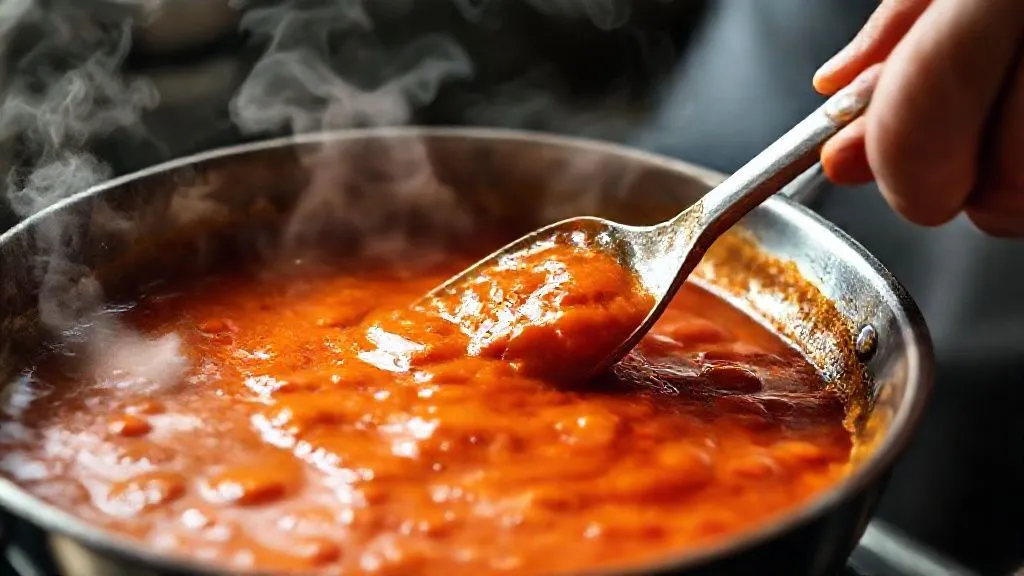
Why do complex gourmet sauces lose distinct flavor notes after reheating?
For over two decades in the world of gourmet cooking, I've witnessed the sheer artistry that goes into crafting a truly complex sauce. It's a symphony of flavors, a delicate balance of acidity, richness, umami, and freshness, often built layer by meticulous layer. Yet, I've also seen the heartbreak – the moment a chef or home cook, proud of their creation, attempts to bring it back to life the next day, only to find its soul has evaporated.
There's nothing quite as disheartening as carefully preparing a sublime sauce – a rich bordelaise, a delicate hollandaise, a vibrant beurre blanc, or a nuanced curry – only for it to lose its distinct character, its very essence, when you try to bring it back to life. The once bright acidity dulls, the rich umami flattens, and the aromatic top notes vanish, leaving behind a shadow of its former glory. This isn't just bad luck; it's a predictable outcome of underlying chemical and physical changes.
This article isn't just about 'how to reheat.' It's a deep dive into the 'why,' exploring the molecular chemistry, the culinary pitfalls, and the expert strategies I've honed over years to ensure your gourmet sauces retain their brilliance, even after a second dance with heat. We'll uncover the secrets to preserving those elusive flavor notes and equip you with the knowledge to consistently deliver outstanding culinary experiences.
The Molecular Ballet: Understanding Flavor Degradation
To truly understand why complex gourmet sauces lose distinct flavor notes after reheating, we must look beyond the surface and delve into the microscopic world of flavor molecules. What seems like a simple act of warming up is, in fact, a complex molecular ballet where delicate compounds are highly susceptible to transformation.
Volatile Compounds and Heat
Many of the most cherished and distinct flavor notes in gourmet sauces come from volatile aromatic compounds. These are molecules with low boiling points, meaning they readily evaporate into the air, reaching our olfactory receptors and creating the intricate aromas we associate with fresh, vibrant food. Think of the bright citrus notes from a lemon zest, the herbaceous lift from fresh basil, or the spicy kick from certain chilies.
"The delicate balance of volatile compounds is the very essence of a sauce's complexity. Any uncontrolled application of heat acts like a blunt instrument, shattering this balance and releasing these precious molecules into the ether." - Industry Specialist Insight
When you reheat a sauce, especially rapidly or at high temperatures, these volatile compounds are the first casualties. They simply evaporate, taking with them the 'top notes' and 'mid-notes' that provide freshness, complexity, and distinctiveness. This is why a freshly made pesto smells intensely vibrant, but a reheated one often smells dull and flat.
Emulsion Breakdown and Texture
Many classic gourmet sauces, like hollandaise, beurre blanc, or even some creamy curries, are emulsions – stable mixtures of two immiscible liquids, typically fat and water, held together by emulsifiers. These emulsions are crucial not only for texture but also for flavor delivery. Fats are excellent carriers of fat-soluble flavor compounds, and a stable emulsion ensures these flavors are evenly distributed and perceived harmoniously.
Reheating can be brutal on emulsions. Excessive heat or rapid temperature changes can cause the emulsifiers to fail, leading to the fat and water separating. This results in a 'broken' sauce that is greasy, watery, or curdled, with a vastly inferior mouthfeel. More importantly, when the emulsion breaks, the fat-soluble flavor compounds are no longer uniformly distributed, leading to an uneven and less intense flavor perception. The sauce feels thin, and the flavors feel muted or isolated.
Oxidation: The Silent Flavor Thief
Oxidation is a chemical process where oxygen reacts with other molecules, often leading to undesirable changes in food. In sauces, fats are particularly susceptible to oxidation, especially when exposed to heat and light. This process can lead to rancidity, producing 'off-flavors' that are metallic, stale, or bitter, completely masking the original delicate notes.
Certain flavor compounds themselves can also oxidize, changing their chemical structure and losing their intended aroma and taste. For instance, many compounds responsible for fruity or floral notes are highly susceptible to oxidation. Even the natural pigments in ingredients like herbs can degrade, leading to a duller color alongside the flavor loss. This is a subtle yet pervasive reason why complex gourmet sauces lose distinct flavor notes after reheating, particularly if they've been stored improperly or reheated multiple times.

Beyond Temperature: Ingredient-Specific Vulnerabilities
While molecular changes are universal, different ingredients react uniquely to reheating. Understanding these specific vulnerabilities is key to preserving flavor.
Delicate Herbs and Aromatics
Fresh herbs like basil, cilantro, parsley, or chives, and delicate aromatics such as garlic, ginger, and citrus zest, contribute vibrant, fresh, and often volatile top notes. Their flavor compounds are extremely heat-sensitive. Prolonged exposure to heat, even moderate reheating, causes these compounds to degrade or evaporate entirely. The bright, fresh character transforms into something dull, sometimes even bitter or 'cooked' tasting.
Dairy and Fat-Based Sauces
Sauces rich in dairy (cream, milk, cheese) or high in fat (butter, olive oil) face specific challenges. Dairy proteins can curdle when exposed to high heat or sudden temperature changes, resulting in a grainy or separated texture. Fats, as mentioned, are prone to oxidation and can become rancid. The delicate balance of a creamy sauce can quickly turn into a greasy, unappetizing mess with a 'cooked milk' flavor that overpowers everything else.
Acidic Components and Reduction
Acids, such as those from wine, vinegar, or citrus, play a crucial role in balancing and brightening flavors. During reheating, especially if the sauce reduces further, the acidity can become concentrated and overly sharp, throwing the entire flavor profile out of whack. Conversely, some delicate acidic notes might evaporate, leaving the sauce feeling flat or heavy. The interplay of acids with other ingredients can also change, leading to unexpected flavor shifts.
| Ingredient Type | Reheating Vulnerability | Impact on Flavor | Mitigation Strategy |
|---|---|---|---|
| Volatile Aromatics (e.g., Basil, Citrus Zest) | Evaporation and degradation of fresh notes | Dull, flat, sometimes bitter | Add fresh at the end, component reheating |
| Dairy/Cream | Curdling, fat separation, 'cooked' flavor | Grainy, greasy, off-notes | Gentle heat, whisking, tempering |
| Fats (e.g., Butter, Olive Oil) | Oxidation, rancidity | Stale, metallic, bitter aftertaste | Airtight storage, minimal air exposure |
| Acidic Components (e.g., Wine, Vinegar) | Concentration or evaporation | Overly sharp or flat, unbalanced | Adjust acidity with fresh acid post-reheat |
| Umami-rich (e.g., Mushroom, Tomato Paste) | Less prone to loss, but can become overly concentrated | Can become heavy or one-dimensional | Dilution with stock, fresh additions |
The Reheating Gauntlet: Common Mistakes & Their Impact
Even with the best intentions, many common reheating practices unwittingly contribute to the demise of gourmet sauce flavors. Avoiding these pitfalls is as crucial as understanding the science.
Overheating and Scorching
The most common and destructive mistake is simply applying too much heat, too quickly. High temperatures not only accelerate the evaporation of volatile compounds but can also lead to scorching. The burnt sugars and proteins on the bottom of a pan infuse the entire sauce with acrid, bitter notes that are impossible to remove. This is particularly true for thicker, sugar-containing sauces or those with delicate milk solids.
Rapid Temperature Fluctuations
Taking a sauce straight from the refrigerator and blasting it on high heat is a recipe for disaster, especially for emulsions. The sudden thermal shock can cause fats and liquids to separate, proteins to seize, and delicate textures to break down. This is akin to trying to wake someone up with a fire alarm; it’s jarring and destructive rather than gentle and restorative.
Improper Storage: A Pre-Reheating Sin
The flavor degradation often begins long before reheating. Storing sauces in containers that allow significant air exposure accelerates oxidation, even in the refrigerator. Large, half-empty containers trap air, which is rich in oxygen, giving it ample opportunity to react with the sauce's fats and flavor compounds. Additionally, absorbing odors from other foods in the refrigerator can impart unwanted flavors, further masking the original complexity. As Harold McGee, the renowned food scientist, often emphasizes, proper storage is the first line of defense against flavor loss. Understanding the chemistry of taste helps us appreciate storage's role.

Mastering the Art of Flavor Preservation: Proactive Strategies
Preventing flavor loss is far more effective than trying to restore it. Here are the proactive strategies I've perfected over the years.
Strategy 1: Component-Based Cooking
For truly complex sauces, especially those with delicate fresh elements, consider a component-based approach. Instead of fully integrating all ingredients, hold back the most volatile and heat-sensitive components until the last possible moment. For example:
- Herbaceous Sauces: Prepare the base (e.g., stock, cream, foundational aromatics) and reheat it. Just before serving, stir in freshly chopped herbs, a squeeze of fresh citrus, or a swirl of high-quality extra virgin olive oil.
- Aromatic Sauces (e.g., Curry): Reheat the main curry base. Fry fresh aromatics like ginger, garlic, or green chilies separately for a minute, then stir them into the hot sauce just before serving to reintroduce vibrancy.
- Delicate Emulsions: Reheat the foundational liquid, then re-emulsify with fresh butter or oil, perhaps with an ice cube or two to control temperature, just before serving.
Strategy 2: Optimized Storage Techniques
The way you store your sauce directly impacts its reheated quality. Minimize exposure to air, light, and fluctuating temperatures.
- Airtight Containers: Always use airtight containers. If possible, press plastic wrap directly onto the surface of the sauce before sealing the container to create an oxygen barrier.
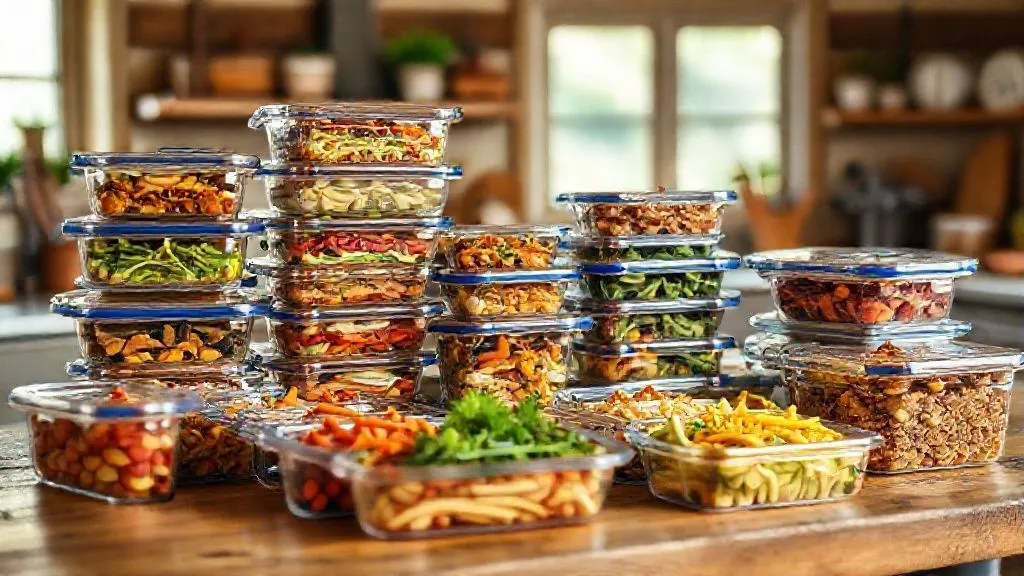
- Small Portions: Store sauces in individual or small serving-sized portions. This not only makes reheating easier and more uniform but also reduces the number of times the entire batch is exposed to air and temperature changes.
- Rapid Cooling: Cool sauces quickly before refrigerating. A quick cool-down minimizes the time bacteria have to grow and also reduces the overall thermal stress on the sauce. An ice bath is highly effective for this.
Strategy 3: The Gentle Reheating Method
This is arguably the most critical step to avoid why complex gourmet sauces lose distinct flavor notes after reheating. Slow, gentle, and even heat is paramount.
- Use a Double Boiler or Bain-Marie: For delicate sauces (like hollandaise, béchamel, or cream sauces), a double boiler provides indirect, gentle heat, preventing scorching and minimizing the risk of emulsion breakdown.
- Low Heat on Stovetop: If using a direct stovetop, always use the lowest possible heat setting.
- Frequent Stirring: Stir the sauce constantly and gently with a whisk or spatula. This ensures even heating, prevents scorching on the bottom, and helps to re-incorporate any fats that might be trying to separate.
- Add a Splash of Liquid: Often, sauces thicken slightly upon cooling. Add a tablespoon or two of water, stock, wine, or cream (matching the sauce's base) to help loosen it and aid in even reheating.
- Monitor Temperature: Bring the sauce just to serving temperature, not to a rolling boil. Overheating is the enemy.
These techniques are fundamental to professional kitchens. As a resource like ChefSteps often highlights, precision in temperature control is what elevates good cooking to gourmet excellence.
Revitalizing Reheated Sauces: Rescue Missions and Reinforcement
Sometimes, despite our best efforts, a reheated sauce still needs a little help. Here are some expert 'rescue' techniques.
Case Study: Chef Antoine's Bordelaise Revival
Chef Antoine, a colleague of mine from a Michelin-starred restaurant, once faced a crisis. A large batch of his signature bordelaise, painstakingly reduced over hours, had been slightly over-reheated by a junior chef, resulting in a slightly dull, almost one-dimensional flavor profile. Panic set in. Instead of discarding it, Antoine sprang into action.
He gently warmed the sauce again, but this time, he slowly whisked in a tablespoon of cold, unsalted butter, piece by piece, to re-emulsify and add richness. He then deglazed a separate pan with a splash of fresh red wine, reducing it slightly, and added it to the bordelaise along with a few drops of freshly made veal stock. Finally, a touch of freshly cracked black pepper and a chiffonade of fresh parsley were stirred in just before serving. The result? A bordelaise that, while not identical to its fresh counterpart, was remarkably vibrant, rich, and utterly delicious. It was a testament to the power of understanding flavor and knowing how to rebuild it.
Re-emulsification Techniques
If your fat-based sauce has broken, don't despair! You can often bring it back:
- Cold Butter Whisk: Gradually whisk in small cubes of very cold butter into a gently warmed, broken sauce. The cold butter helps stabilize the emulsion as it melts.
- Ice Cube Method: For some sauces, adding an ice cube and vigorously whisking can shock the emulsion back together.
- Lecithin Power: A tiny amount of lecithin (found in egg yolks or as a powder) can be a powerful emulsifier to rescue stubborn sauces.
- New Base: Sometimes, starting a small new base (e.g., a teaspoon of fresh stock or a fresh egg yolk) and slowly whisking the broken sauce into it can work wonders.
Fresh Aromatic Infusion
The easiest way to combat the loss of volatile top notes is to reintroduce them. This is where fresh ingredients shine:
- Fresh Herbs: Stir in finely chopped fresh herbs like parsley, chives, tarragon, or cilantro just before serving.
- Citrus Zest/Juice: A tiny grating of lemon or orange zest, or a few drops of fresh juice, can brighten an entire sauce.
- Freshly Ground Spices: For spice-based sauces, a pinch of freshly ground cumin, coriander, or black pepper added at the end can revive their pungency.
- High-Quality Finishing Oils: A drizzle of a good quality extra virgin olive oil, truffle oil, or a flavored oil can add back richness and aromatic complexity.

Advanced Techniques: Sous Vide & Beyond for Ultimate Preservation
For the truly dedicated gourmet, advanced culinary techniques offer unparalleled control over reheating and preservation, almost entirely eliminating the concern of why complex gourmet sauces lose distinct flavor notes after reheating.
The Precision of Sous Vide Reheating
Sous vide, or 'under vacuum,' cooking involves sealing food in a vacuum-sealed bag and cooking it in a precisely temperature-controlled water bath. This method is a game-changer for reheating delicate sauces because it:
- Prevents Evaporation: Since the sauce is sealed, no volatile aromatic compounds can escape. All the flavor stays locked within the bag.
- Gentle, Even Heat: The water bath provides incredibly uniform and gentle heat, preventing scorching, protein coagulation, and emulsion breakdown. You can set the temperature to exactly what you want your sauce to be, and it will never exceed it.
- No Oxidation: The vacuum seal minimizes oxygen exposure, significantly reducing oxidation and the development of off-flavors.
To use sous vide for reheating, simply place your sauce (ideally already chilled in a vacuum-sealed bag or a freezer-safe zip-top bag with air removed) into a water bath set to your desired serving temperature (e.g., 140-160°F / 60-70°C) for 15-30 minutes, depending on volume. This method truly preserves the integrity of the sauce's original flavor and texture.
Cryogenic Freezing and Thawing Considerations
While often associated with science fiction, cryogenic freezing (flash freezing at extremely low temperatures, often with liquid nitrogen or specialized freezers) offers superior preservation for sauces intended for longer storage. The key benefit is the formation of much smaller ice crystals, which cause less damage to the cellular structure and emulsions of the sauce upon thawing. While not practical for most home cooks, the principle applies: faster freezing generally leads to better quality upon thawing.
For home freezing, aim to freeze sauces quickly in small, airtight portions. Thaw slowly in the refrigerator overnight, then reheat gently using the methods described above. Avoid thawing at room temperature, which can compromise both safety and quality. The goal is to minimize the time the sauce spends in the 'danger zone' for bacterial growth and to reduce thermal shock.
The Science of Flavor: A Deeper Dive into Chemical Stability
Beyond the immediate effects of heat, several underlying chemical processes continue to influence sauce stability even during reheating.
Enzymatic Activity and Microbial Growth
Even after cooking, some enzymes in food can remain active, especially if the sauce is not cooled rapidly or properly. These enzymes can continue to break down flavor compounds, leading to subtle but noticeable changes in taste and aroma over time. For instance, enzymes in alliums (onions, garlic) can contribute to a more pungent flavor profile if not fully denatured. Furthermore, improper storage allows for microbial growth, which produces metabolic byproducts that can introduce off-flavors, masking the original delicate notes.
This highlights the importance of proper food safety and storage, as the microbial activity directly impacts the sensory quality of the reheated product. FoodSafety.gov provides guidelines for safe food handling, which are foundational to flavor preservation.
The Maillard Reaction and Caramelization in Reheating
While the Maillard reaction (browning) and caramelization are desirable in initial cooking, they can sometimes work against delicate sauces during reheating. If a sauce contains sugars and proteins and is reheated at too high a temperature, these reactions can continue, leading to the development of new, often heavier, roasted, or slightly bitter notes that can overpower the original nuanced flavors. This is particularly noticeable in sauces that were already deeply reduced or caramelized during their initial preparation. The 'second browning' can push the flavor profile too far, resulting in a sauce that tastes 'overcooked' or less fresh.
The key is to reheat gently, avoiding temperatures that would encourage further significant browning or caramelization, unless that is the specific desired outcome for a particular type of sauce.
| Chemical Factor | Mechanism During Reheat | Flavor Impact | Prevention Focus |
|---|---|---|---|
| Volatile Compound Evaporation | Heat energy causes molecules to escape liquid phase | Loss of fresh, top-note aromas | Gentle, contained reheating |
| Lipid Oxidation | Oxygen reacts with fats, forming off-flavor compounds | Rancid, metallic, stale notes | Airtight storage, minimal air exposure |
| Emulsion Destabilization | Heat breaks emulsifier bonds, fat and water separate | Greasy, watery texture; muted, uneven flavor delivery | Gentle heat, re-emulsification |
| Protein Denaturation/Coagulation | High heat alters protein structure | Curdling in dairy, grainy texture | Low, indirect heat |
| Enzymatic Activity | Residual enzymes continue to break down compounds | Subtle flavor shifts, increased pungency | Rapid cooling, proper cooking temperatures |

Frequently Asked Questions (FAQ)
Q: Can all gourmet sauces be reheated successfully? No, not all. Highly delicate emulsions like fresh hollandaise or beurre blanc are notoriously difficult to reheat without breaking or losing significant flavor. Sauces with a high proportion of fresh, volatile herbs also suffer greatly. However, most stock-based sauces, gravies, and robust tomato sauces can be reheated with care, especially if fresh elements are added back.
Q: Is freezing a better option than refrigerating for preserving sauce flavor? For longer-term storage (beyond 3-4 days), freezing is generally better. Freezing halts microbial growth and significantly slows enzymatic and oxidative reactions. However, the quality upon thawing depends heavily on the freezing method (rapid freezing is best) and the sauce's composition (e.g., high-fat dairy sauces can sometimes separate). Always thaw slowly in the refrigerator.
Q: How does a microwave affect sauce flavor compared to stovetop reheating? Microwaves heat food by causing water molecules to vibrate rapidly, generating internal heat. This can be very uneven, leading to 'hot spots' that overheat and 'cold spots' that remain cool. Uneven heating exacerbates flavor loss by causing rapid evaporation and potential scorching in concentrated areas. While convenient, it's generally the least ideal method for delicate gourmet sauces. If used, stir frequently and heat in short bursts.
Q: What's the role of fat in sauce stability during reheating? Fat plays a dual role. It's a fantastic carrier for fat-soluble flavor compounds, contributing richness and mouthfeel. However, fat is also highly susceptible to oxidation, which can lead to off-flavors. In emulsions, fat stability is crucial, as its separation leads to a broken sauce. High-quality, stable fats are less prone to degradation, but all fats require careful handling during reheating.
Q: Are certain flavor profiles more resilient to reheating than others? Generally, sauces with robust, less volatile flavor profiles tend to hold up better. Think deeply reduced meat glazes, rich tomato sauces, or foundational stocks. Sauces relying heavily on fresh herbs, bright citrus, or delicate dairy elements are the most vulnerable. Umami-rich and savory notes often persist, while fresh, acidic, and aromatic top notes are frequently lost.
Key Takeaways and Final Thoughts
The challenge of why complex gourmet sauces lose distinct flavor notes after reheating is a multifaceted one, rooted in the delicate chemistry of flavor, the physical properties of emulsions, and the impact of heat. But with knowledge and intention, you can overcome it.
- Understand the Enemy: Volatile compounds evaporate, emulsions break, and oxidation steals freshness.
- Proactive Preservation: Optimize storage with airtight containers and rapid cooling.
- Gentle Reheating is Key: Employ low, indirect heat methods like a double boiler and constant stirring.
- Rebuild & Reinforce: Don't be afraid to re-emulsify or add fresh aromatics, acids, or fats just before serving.
- Embrace Advanced Techniques: For ultimate control, consider sous vide reheating.
The pursuit of culinary excellence is a continuous journey of learning and refinement. By embracing these principles, you'll transform the challenge of reheating into an opportunity to showcase your mastery, ensuring that every spoonful of your gourmet sauces delivers the vibrant, complex flavors you painstakingly created. Your culinary creations deserve to be enjoyed at their best, every single time.
Recommended Reading
- 5 Strategies to Streamline One-Pot Weeknight Dinners for Efficiency
- Air Fryer Fails? 7 Reasons Your Dishes Are Uneven or Dry & How to Fix Them
- Mastering Bulk Slow Cooking: 7 Steps to Perfect Meat Tenderness
- Mastering Moisture: 7 Pro Baking Secrets to Prevent Dry Cakes
- Unlock the Secret: How to Rehydrate Dried Chiles for Perfect Mole Sauce
0 Comentários: