 By
By 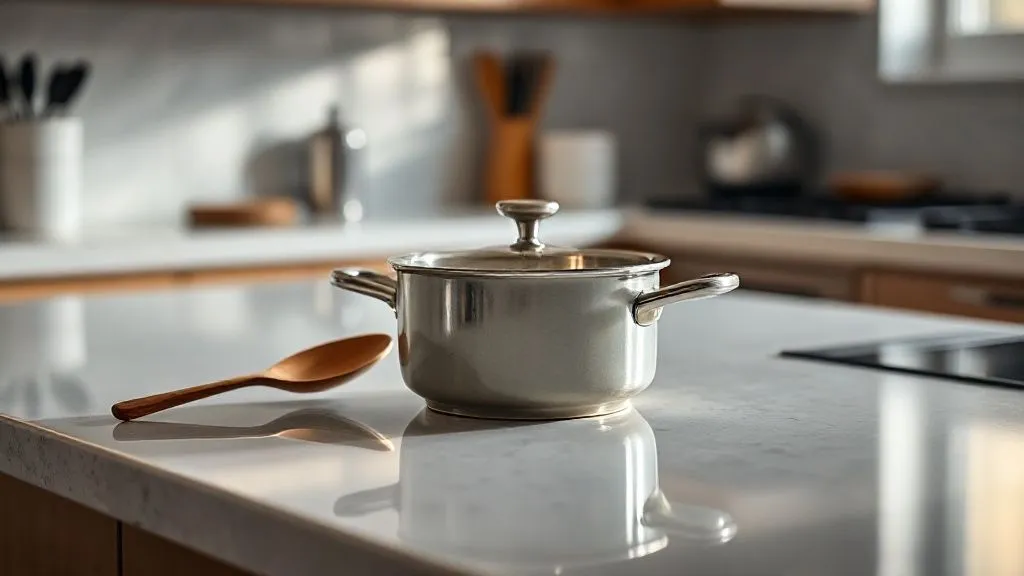
Eliminating all dishwashing after cooking one-pot meals?
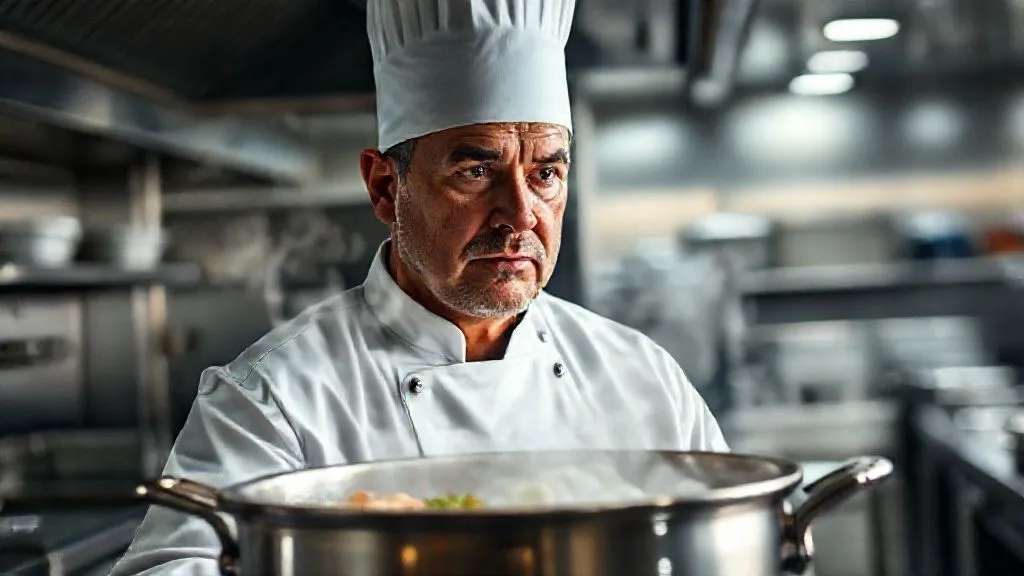
For over two decades in the culinary world, specializing in efficient kitchen practices and one-pot wonders, I've heard the siren song of 'minimal cleanup' countless times. Often, what starts as a promise of effortless cooking devolves into a sink full of hidden extras: a cutting board, a serving spoon, a mixing bowl, and sometimes even the 'one pot' itself requiring a strenuous scrub.
The reader's pain point is palpable: the desire for the simplicity and flavor of a one-pot meal often clashes with the reality of post-dinner dish duty. You invest time in cooking, anticipating a quick tidy-up, only to find yourself scrubbing away, wondering if the 'one-pot' claim was a cruel joke. It's frustrating, time-consuming, and can deter even the most enthusiastic home cook from trying these convenient recipes.
This isn't just about reducing dishes; it's about reclaiming your evening, minimizing kitchen stress, and truly embracing the efficiency one-pot meals *should* offer. In this definitive guide, I'll share my battle-tested frameworks, expert insights, and actionable strategies to move beyond 'minimal cleanup' to a truly zero-dish experience. We're not just aiming for less washing; we're aiming for virtually no washing at all after cooking your delicious one-pot meals.
The Anatomy of a Truly 'No-Wash' One-Pot Meal
When I talk about **eliminating all dishwashing after cooking one-pot meals**, I'm not just referring to using a single pan for the cooking process. That's merely the starting point. A truly 'no-wash' meal extends this philosophy to every single step, from ingredient preparation to serving and even post-meal storage.
This holistic approach requires a fundamental shift in mindset. It's about designing your meal and your process to anticipate and prevent dirty dishes before they even appear. It's about intelligent ingredient choices, strategic cooking techniques, and mindful serving practices that ensure your 'one pot' is the only thing that even *might* need a quick rinse, not a full scrub.
The secret to zero-dish cooking isn't just about the pot; it's about the entire culinary ecosystem you create around it. Every choice, from your cutting method to your serving vessel, either contributes to or detracts from your cleanup goal.
We'll delve into specific tools and techniques that facilitate this. Think beyond just non-stick pans; consider how you handle raw ingredients, how you stir, and even how you plate. The goal is to make the one-pot meal not just a cooking method, but a complete, streamlined experience designed for ultimate convenience.

Strategic Ingredient Selection: Your First Line of Defense
Your journey to **eliminating all dishwashing after cooking one-pot meals** begins long before you even turn on the stove: it starts at the grocery store. The ingredients you choose, and their form, profoundly impact your cleanup burden. This is where proactive planning truly shines, preventing dishes before they even have a chance to get dirty.
Pre-Prepped & Minimal Prep Ingredients
Embrace the convenience of pre-cut vegetables, pre-minced garlic, or even frozen, pre-portioned proteins. While these might sometimes carry a slight premium, the time and dishwashing savings are often invaluable. Think about ingredients that require minimal intervention: cherry tomatoes instead of slicing large ones, baby spinach instead of chopping a head of lettuce, or canned beans that just need a quick rinse.
Non-Sticking & Easy-Rinse Components
Certain ingredients are inherently less prone to sticking and leaving residue. Think about fresh herbs you can just tear, or ingredients like pasta and rice that, when cooked correctly, don't leave stubborn bits. Avoid ingredients notorious for burning or creating thick, hard-to-remove layers, unless your cooking vessel is specifically designed to handle them with ease.
Here’s a strategic shopping list for a truly minimal-dish approach:
- Pre-cut vegetables: Onions, peppers, mirepoix mixes.
- Frozen ingredients: Peas, corn, spinach, shrimp, pre-cooked chicken strips.
- Canned goods: Diced tomatoes, beans (rinse directly in can).
- Quick-cooking grains: Instant rice, couscous, small pasta shapes.
- Seasonings: Pre-mixed spice blends, dried herbs.
By making these intentional choices, you drastically reduce the need for cutting boards, knives, and measuring cups. According to the FDA's guidelines on food safety, proper handling of raw ingredients is crucial, and minimizing contact surfaces inherently reduces contamination points and, consequently, cleanup.
- Scan for 'Ready-to-Use' Labels: Prioritize items that require zero to minimal chopping.
- Utilize Frozen Produce: Often pre-cut and pre-washed, they go straight into the pot.
- Buy Whole, Peelable Items: Think potatoes or carrots that can be peeled directly over a waste bin and then chopped in the pot (more on this later).
- Pre-Portioned Ingredients: Single-serve yogurt or sauces can often be added directly.
The Pan-Perfect Choice: Materials and Coatings for Effortless Release
The type of cookware you choose is arguably the most critical factor in **eliminating all dishwashing after cooking one-pot meals**. Not all 'one pots' are created equal when it comes to post-meal cleanup. The material and coating of your pan dictate how much food sticks, how easily it releases, and ultimately, how much effort you'll expend scrubbing.
Non-Stick vs. Cast Iron vs. Stainless Steel
Each material has its pros and cons. High-quality non-stick pans are often the go-to for minimal cleanup due to their inherent food-release properties. However, they require careful handling and specific tools to maintain their coating. Well-seasoned cast iron offers a naturally non-stick surface that improves with age and use, but it requires specific care and can be heavy. Stainless steel, while durable, is the most prone to sticking without proper technique and heat management, often necessitating more vigorous scrubbing.
Here's a quick comparison to guide your choice:
| Cookware Type | Pros for Cleanup | Cons for Cleanup | Best Use Cases |
|---|---|---|---|
| High-Quality Non-Stick | Excellent food release, easy wipe-down | Delicate coating, no metal utensils | Sauces, delicate proteins, anything prone to sticking |
| Well-Seasoned Cast Iron | Natural non-stick improves with use, durable | Requires specific seasoning/care, heavy, no soap (initially) | Roasts, braises, high-heat searing, rustic meals |
| Ceramic Coated | Often very smooth, non-toxic options | Can lose non-stick over time, variable durability | Similar to non-stick, good for everyday use |
| Stainless Steel | Extremely durable, versatile | Prone to sticking, often requires scrubbing | Deglazing, acidic sauces, browning (with proper technique) |
Seasoning and Care for Longevity
For cast iron, proper seasoning is paramount. A well-seasoned pan will release food almost as easily as a non-stick. For non-stick, using silicone or wooden utensils is crucial to avoid scratching the surface. According to a study published by Cook's Illustrated on nonstick cookware, maintaining the integrity of the non-stick coating can significantly reduce food adhesion and make cleanup virtually effortless. Always let your pan cool slightly before cleaning, but don't let food dry and harden.

Mastering the 'In-Pot' Prep: Cutting Down on Cutting Boards
One of the most insidious culprits of post-one-pot-meal dishwashing is the innocent-looking cutting board. To truly achieve **eliminating all dishwashing after cooking one-pot meals**, we must minimize or even eliminate the need for this common kitchen tool. This requires a bit of creativity and confidence, but it's entirely achievable.
Direct-to-Pot Chopping Techniques
For many ingredients, particularly softer ones, you can chop them directly into the pot using kitchen shears. Think about green onions, fresh herbs, or even soft vegetables like mushrooms. For harder vegetables, a technique I often employ involves using a small, dedicated 'mini' cutting board (like a flexible plastic mat) that can be quickly rinsed or even just wiped down, or, for the truly adventurous, holding the vegetable firmly and carefully slicing it directly into the pot with a sharp knife, using the pot's edge as a guide. This takes practice, but it's a game-changer.
The Art of Layering and Sequential Addition
Beyond chopping, the order in which you add ingredients can also reduce peripheral dish use. Instead of pre-mixing spices in a bowl, add them directly to the pot, distributing them evenly with your stirring utensil. Measure liquids directly into the pot using the pot itself as a reference, or use a single measuring cup that can be rinsed immediately after. This sequential addition minimizes the need for intermediate bowls and measuring tools.
Case Study: How Chef Elena Achieved Zero-Board Meals
Chef Elena, a busy culinary consultant, struggled with the constant need for cutting boards even with her one-pot meals. By implementing my 'direct-to-pot' chopping method for soft ingredients and adopting a single, small flexible cutting mat for harder items, she transformed her cleanup routine. She now pre-washes all her produce, peels root vegetables directly over the bin, and uses kitchen shears for herbs and spring onions. Her cleanup time for a complex one-pot curry went from 15 minutes (including board and knife washing) to under 2 minutes, simply wiping down her pan and rinsing her shears. This resulted in significant time savings and reduced her post-meal stress dramatically.
For more advanced knife skills and safe chopping techniques, consider exploring resources from reputable culinary schools or publications like Serious Eats, which can help build the confidence needed for direct-to-pot prep.
The 'Serve-from-Pot' Revolution: Eliminating Serving Dishes
The moment of truth for a truly 'no-wash' one-pot meal often comes at serving time. If you transfer your meticulously cooked creation into a fancy serving bowl, you've just created another dish. To achieve **eliminating all dishwashing after cooking one-pot meals**, we must embrace the art of serving directly from the cooking vessel.
Aesthetic Presentation Directly from the Cookware
Modern cookware is often designed to be beautiful enough for table presentation. A gleaming cast iron Dutch oven, an elegant ceramic casserole dish, or a stylish stainless steel pot can look incredibly appealing placed directly on a trivet at the center of your table. This rustic, communal style of eating not only saves dishes but also fosters a warm, inviting atmosphere. Ensure your pot is clean on the exterior and handle it with care to avoid table damage.
Individual Portions: Bowls vs. Plates
Encourage family members or guests to serve themselves directly from the pot into their individual eating bowls or plates. For meals like stews, curries, or pasta dishes, bowls are often ideal as they contain the food better and require less surface area than a plate, potentially reducing spillage. If using plates, opt for rimmed plates that can hold saucier dishes without overflow.
The elegance of serving directly from the pot lies in its honesty. It celebrates the meal in its most authentic form, eliminating unnecessary ceremony and dishes. It’s a statement of confidence in your cooking and your cleanup strategy.
Consider using matching placemats or chargers to elevate the presentation of your pot-to-table meal. This small detail can make the experience feel intentional and sophisticated, rather than merely casual. The goal is to make serving from the pot feel like an enhancement, not a compromise.
The Wipe-Down Wonder: Post-Meal Pan Care for Instant Cleanliness
Even with the most meticulous planning for **eliminating all dishwashing after cooking one-pot meals**, your primary cooking vessel will still require attention. The key, however, is to transform 'dishwashing' into a quick 'wipe-down' or 'rinse-and-dry' process. This is where immediate action and proper technique are paramount.
Immediate Deglazing and Scraping Techniques
As soon as you've served the last portion, while the pot is still warm (but not scorching hot), add a small amount of hot water to the bottom. The residual heat will help deglaze any stuck-on bits. Use a wooden spoon or a silicone scraper to gently dislodge any food particles. This simple step prevents food from drying and hardening, which is the nemesis of easy cleanup.
The Power of Hot Water and Minimal Soap
For most non-stick or well-seasoned cast iron pans, often all that's needed is hot water and a soft sponge or cloth. For stubborn bits, a tiny drop of dish soap can be used, but avoid excessive suds, especially with cast iron, which benefits from minimal soap contact to preserve its seasoning. Rinse thoroughly with hot water, ensuring no soap residue remains. The heat of the water will also help the pan dry quickly.
Essential tools for a quick wipe-down:
- Silicone scraper: Gentle on non-stick, effective on stuck-on food.
- Soft sponge or dishcloth: For gentle scrubbing and wiping.
- Wooden spoon: For deglazing and stirring without scratching.
- Paper towels or clean kitchen towel: For immediate drying to prevent water spots.
By addressing the pan immediately after serving, you leverage residual heat and prevent food from cementing to the surface. This proactive approach turns what could be a 10-minute scrub into a 30-second wipe. For more on eco-friendly cleaning practices that are gentle on your cookware and the environment, explore resources like those from the EPA's Safer Choice program.
Advanced Strategies: Meal Planning & Batch Cooking for Zero-Dish Weeks
To truly master **eliminating all dishwashing after cooking one-pot meals** on an ongoing basis, you need to elevate your approach to include strategic meal planning and batch cooking. This isn't just about individual meals; it's about designing a week or even a month of cooking that inherently minimizes cleanup.
The 'Cook Once, Eat Thrice' Philosophy
This principle is a cornerstone of efficient cooking. Instead of making a one-pot meal for one dinner, make a larger batch that can serve as lunch leftovers or even form the base for another meal later in the week. For example, a large batch of one-pot chili can be served with rice one night, as a topping for baked potatoes another, and even as a filling for wraps. This means you only dirty the 'one pot' once for multiple meals.
Smart Storage Solutions that Double as Serving Wares
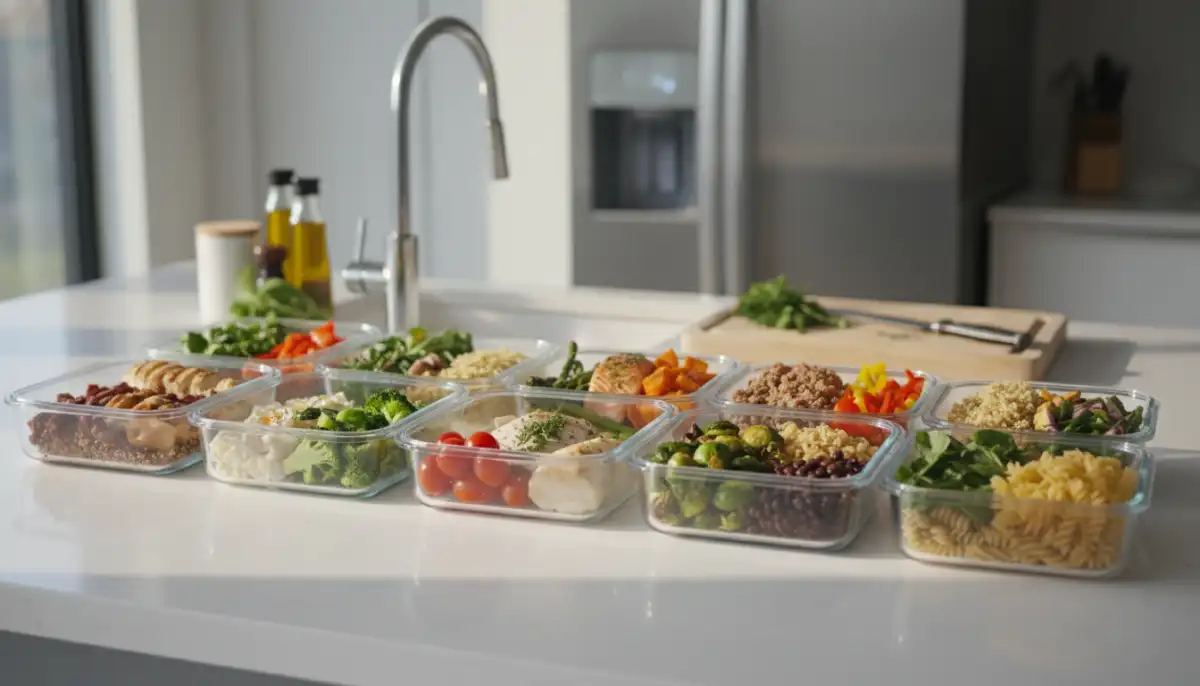
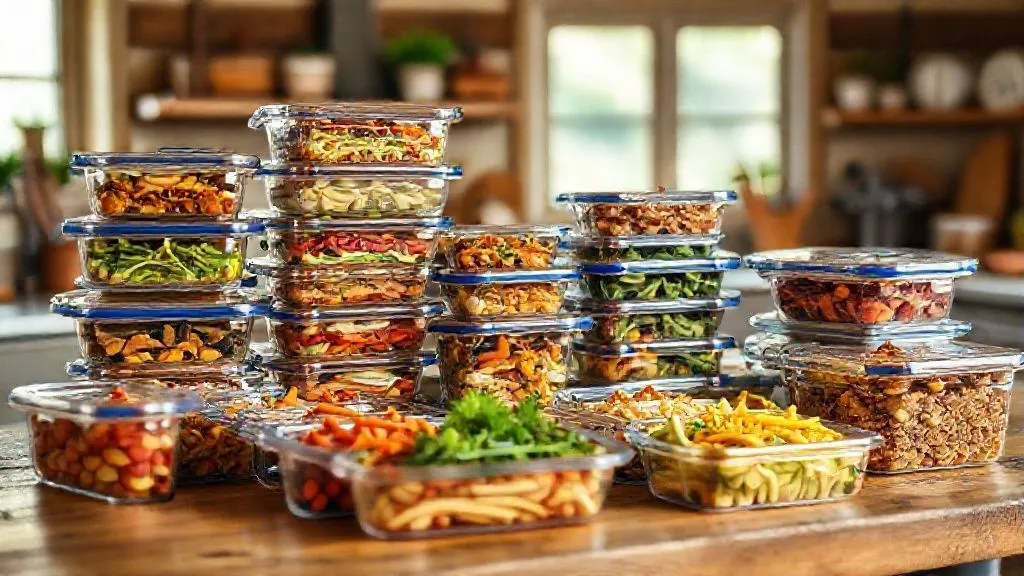
Invest in high-quality, oven-safe, and microwave-safe food storage containers that can go straight from the fridge to the oven (if reheating) or microwave, and then serve as your eating vessel. Glass containers with airtight lids are excellent for this. This eliminates the need for transferring food to separate plates for reheating or eating, saving you yet another dish.
Here’s a sample zero-dish meal plan for a week, leveraging batch cooking:
| Day | Meal | Prep Notes | Cleanup Strategy |
|---|---|---|---|
| Monday | One-Pot Lemon Herb Chicken & Veggies | Batch cook for 3 meals, use pre-cut veggies. | Serve directly from roasting pan, wipe clean. |
| Tuesday | Leftover Chicken & Veggies | Reheat in individual glass container. | Eat from container, rinse. |
| Wednesday | One-Pot Lentil Soup with Crusty Bread | Cook large batch, freeze portions. | Serve directly from Dutch oven, quick rinse. |
| Thursday | Leftover Lentil Soup | Reheat frozen portion in microwave-safe bowl. | Eat from bowl, rinse. |
| Friday | One-Pan Pasta with Tomatoes & Spinach | Minimal ingredients, quick cook. | Serve directly from pan, immediate wipe-down. |
| Saturday | One-Pot Breakfast Bake (Eggs, Sausage, Veggies) | Use parchment paper liner for pan. | Serve from pan, discard parchment, quick wipe. |
| Sunday | Restaurant/Takeout | No cooking, ultimate zero-dish day! | Enjoy! |
By thinking ahead and strategically combining batch cooking with intelligent serving and storage, you can dramatically reduce your overall dish load throughout the week. This approach is not just about convenience; it's about creating a sustainable, stress-free cooking rhythm.
Frequently Asked Questions (FAQ)
Question: Can I truly eliminate *all* dishwashing, including utensils? Absolutely! While the primary focus is on the cooking vessel, eliminating utensils is also achievable. For stirring and serving, use a single wooden spoon or silicone spatula that can be quickly rinsed. For eating, if you're comfortable, some one-pot meals like stews can be eaten with a fork or spoon that is then immediately rinsed. For true zero-dish, consider 'finger foods' if appropriate, or meals that can be eaten directly from a bowl with a single utensil. The goal is to minimize, and often, a single rinseable utensil is the only 'extra.'
Question: What about ingredients that require precise measuring? Doesn't that always mean extra measuring cups/spoons? Not necessarily. For liquids, you can often estimate by eye once you gain experience, or use the cooking pot itself as a measuring guide (e.g., filling to a certain line). For spices, use measuring spoons directly over the pot, shaking them clean before placing them back in the drawer. For a truly strict zero-dish approach, pre-portioned spices or spice blends in sachets can be added directly. The key is to avoid transferring ingredients into separate measuring tools.
Question: Is this approach suitable for all types of one-pot meals, or just specific ones? While some one-pot meals lend themselves more naturally to this zero-cleanup philosophy (e.g., stews, casseroles, sheet pan dinners), the principles can be applied to most. The more complex a meal, the more creative you'll need to be with ingredient prep and serving. For example, a delicate risotto might still benefit from a serving spoon, but the pot itself can go straight to the table. It's about adapting the techniques to your specific recipe and comfort level.
Question: Does using parchment paper or foil liners truly eliminate pan washing? Yes, for many oven-based one-pot meals (like sheet pan dinners or baked casseroles), parchment paper or aluminum foil liners are incredibly effective. They create a barrier between the food and the pan, allowing you to simply lift out the liner and discard it, leaving a virtually spotless pan underneath. This is a highly recommended strategy for dishes prone to sticking or baking onto surfaces. Always ensure the liner is oven-safe for the temperature you're using.
Question: What if I have sticky food residue even after immediate deglazing? Even with the best techniques, occasionally you'll encounter stubborn residue. For non-stick pans, a gentle scrub with a soft brush and a small amount of dish soap should suffice. For cast iron, avoid soap if possible; instead, use hot water and a stiff brush or a chainmail scrubber specifically designed for cast iron, followed by a quick re-seasoning if needed. The key is to address it before it dries completely. Prevention through proper heat management and pan choice is always the best defense.
Key Takeaways and Final Thoughts
The quest for **eliminating all dishwashing after cooking one-pot meals** is not a pipe dream; it's an achievable reality with the right strategies and mindset. As an industry veteran, I've seen firsthand how small changes can lead to monumental shifts in kitchen efficiency and personal satisfaction.
- Proactive Planning is Paramount: Your cleanup journey begins at the grocery store with smart ingredient choices.
- Choose Your Cookware Wisely: The right pan material and coating are your best allies against sticky residue.
- Embrace 'In-Pot' Prep: Minimize or eliminate cutting boards and measuring bowls with direct techniques.
- Serve from the Source: Let your beautiful cooking vessel double as your serving dish.
- Act Immediately: Address any residue while the pot is still warm for effortless cleaning.
- Batch Cook Smart: Extend the benefit of one-pot cooking across multiple meals to reduce weekly dish load.
Remember, the goal isn't just about avoiding dishes; it's about reclaiming your time, reducing stress, and making the act of cooking more enjoyable and less of a chore. By integrating these expert-level strategies into your routine, you'll discover the true liberation that comes with a kitchen that's as clean after dinner as it was before. Embrace the zero-dish challenge, and enjoy the peace of mind that follows a truly minimal cleanup one-pot meal.
Recommended Reading
- Mastering Craft Beer & Fine Dining: 7 Obscure Pairing Strategies
- Boost Remote Productivity: 7 Trust-Based Strategies (No Micromanaging!)
- 7 Expert Strategies: Prevent Soggy Sheet Pan Meals for Catering Events
- 5-7 Year Olds & Knives: 7 Steps to Safely Teach Basic Skills
- Unlock the Secrets: How to Effectively Clean & Maintain Your Air Fryer
0 Comentários: