 By
By 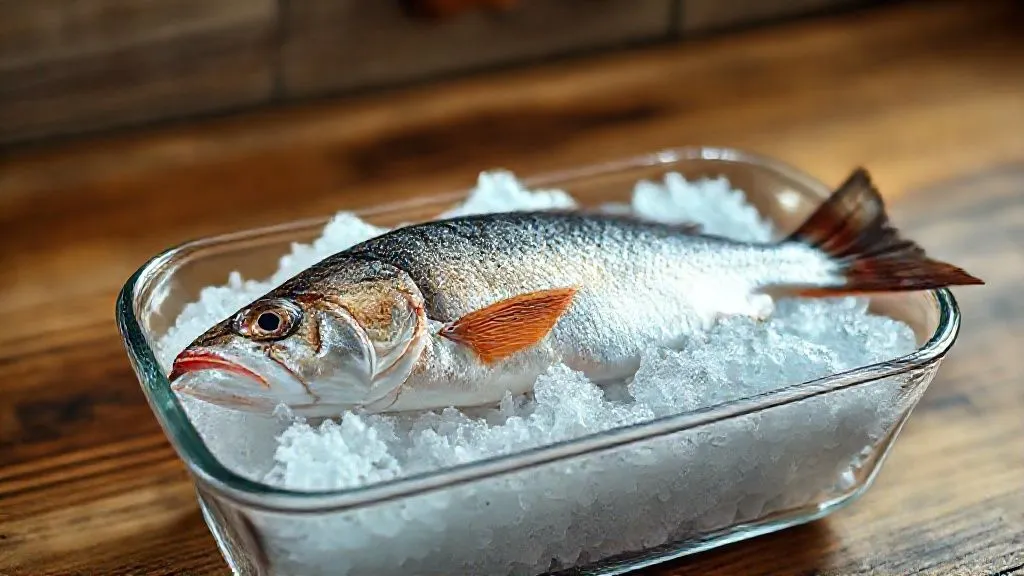
How to Extend Fresh Fish Shelf Life for a Week Without Freezing?
For over three decades in the seafood industry, from bustling fish markets on the coast to Michelin-starred kitchens, I’ve witnessed countless home cooks and even professional chefs struggle with one fundamental challenge: keeping fresh fish truly fresh without resorting to the freezer. It’s a common misconception that once you buy fresh fish, you have a mere day or two before its quality dramatically declines. I've seen the disappointment of a planned gourmet meal ruined by fish that's 'just not quite right.'
This rapid spoilage isn't just frustrating; it leads to significant food waste and often means sacrificing the delicate flavors and textures that make fresh fish such a culinary delight. The truth is, many people simply don't know the nuanced techniques required to properly handle and store fish, leading to premature degradation and a less-than-optimal cooking experience. The problem isn't the fish itself, but often the method of its preservation.
But what if I told you there are time-tested, expert-approved methods that can genuinely extend the pristine quality of your fresh fish for up to a week, all without ever touching a freezer? In this definitive guide, I'll share the frameworks, actionable steps, and insider insights I've gathered over my career, helping you master the art of fish preservation and enjoy perfect seafood, days after your purchase.
Understanding the Enemies of Fresh Fish: Why Does it Spoil?
Before we can master preservation, we must first understand the adversaries. The primary culprits behind fish spoilage are bacteria, enzymatic reactions, and oxidation. Bacteria, naturally present on the fish's surface and in its gut, multiply rapidly at room temperature, producing off-odors and slime. Enzymatic processes, particularly those breaking down fats and proteins, contribute to texture changes and flavor deterioration. Finally, exposure to air (oxidation) can lead to rancidity, especially in fatty fish.
Temperature is the single most critical factor. For every 10°C (18°F) increase in temperature, bacterial growth can double or even triple. This is why the 'cold chain' – maintaining a consistently low temperature from catch to kitchen – is paramount. Ignoring these factors is like leaving a precious jewel exposed to the elements; its inherent value quickly diminishes. Understanding these mechanisms is the first step to actively combatting them.
The Immediate Post-Purchase Protocol: Your First Line of Defense
The moment you bring your fish home, your preservation efforts begin. Many people make the mistake of simply tossing the fish, still in its market wrapper, directly into the fridge. This is a critical error. The goal is to get it as cold as possible, as quickly as possible, without freezing it.
- Inspect and Rinse: As soon as you get home, unwrap the fish. Give it a quick, gentle rinse under cold running water to remove any surface bacteria or residual scales. Pat it thoroughly dry with paper towels. Moisture is a breeding ground for bacteria.
- Wrap Tightly: Wrap the fish tightly in parchment paper or wax paper. Avoid foil directly on the fish as it can react with the delicate flesh. This initial wrap protects the fish from direct contact with ice and prevents it from becoming waterlogged.
- The Ice Bath Method: This is non-negotiable for extending shelf life. Place the wrapped fish in a colander, then place the colander inside a larger bowl. Fill the bowl with a generous amount of crushed ice, ensuring the fish is completely surrounded and nestled within the ice. The colander allows melted ice water to drain away, preventing the fish from sitting in stagnant water.
- Refrigerate Immediately: Place the entire setup (bowl with colander and ice) in the coldest part of your refrigerator, typically the bottom shelf. Replenish the ice daily, ensuring it remains fully packed around the fish.
This immediate protocol, particularly the ice bath, dramatically slows bacterial growth and enzymatic activity, buying you precious days. According to a study published by the FDA, maintaining fish at temperatures near 0°C (32°F) can extend its quality significantly compared to standard refrigeration temperatures.

Advanced Preservation Techniques: Beyond Basic Icing
While the ice bath is foundational, incorporating additional layers of protection can further enhance freshness and flavor retention.
The 'Dry Brine' or Salt-Sugar Cure (Short-Term)
This isn't about curing fish to make lox, but rather using a very light salt and sugar application to draw out excess moisture and inhibit bacterial growth. It's a technique I've seen used by master fishmongers to give their premium fillets an extra edge.
- Prepare the Mix: Combine 2 parts coarse sea salt with 1 part sugar (caster or granulated). For a standard fillet (e.g., 1 lb salmon), you might use 1 tablespoon salt and 1/2 tablespoon sugar.
- Apply Lightly: Pat the fish very dry. Sprinkle a very thin, even layer of the salt-sugar mix over all surfaces of the fish. Don't overdo it; this isn't a cure, it's a 'seasoning' for preservation.
- Re-wrap and Ice: Wrap the lightly seasoned fish in fresh parchment paper and return it to your ice bath setup. The salt and sugar will draw out a small amount of moisture, further concentrating flavor and inhibiting bacteria.
Expert Insight: "The subtle application of salt and sugar acts as a gentle osmotic barrier, pulling moisture from the surface where bacteria thrive. It's a delicate balance that enhances texture and extends vitality without altering the fish's inherent character significantly."
Vacuum Sealing for Maximum Air Exclusion
Oxygen is a major contributor to spoilage through oxidation and provides an environment for certain aerobic bacteria. Vacuum sealing removes this enemy, creating an anaerobic environment that significantly slows down degradation. This is one of the most effective non-freezing methods.
- Dry Thoroughly: Ensure your fish is impeccably dry before vacuum sealing. Any surface moisture can lead to an inferior seal or create a breeding ground for anaerobic bacteria once oxygen is removed.
- Seal Properly: Place the fish in a vacuum seal bag. Ensure there's enough space at the top for a strong seal. Use your vacuum sealer according to its instructions.
- Ice Bath Follow-Up: Even vacuum-sealed fish benefits from being stored on ice in the refrigerator. The vacuum seal prevents waterlogging, but the low temperature is still crucial for slowing enzymatic activity and any residual anaerobic bacterial growth.
While vacuum sealing won't stop spoilage indefinitely, it can add several days to your fish's shelf life, often pushing it to the full week mark when combined with proper refrigeration. Be aware of the risks of Clostridium botulinum in anaerobic environments if fish is not kept at very low, consistent temperatures.
Environmental Control: The Unsung Hero of Freshness
Beyond the fish itself, the environment in which it's stored plays a critical role. Think of your refrigerator not just as a cold box, but as a controlled ecosystem for your perishable goods.
Temperature Consistency and Monitoring
Fluctuations in refrigerator temperature are detrimental. Every time you open the door, the temperature rises. Aim for a consistent temperature between 0°C and 4°C (32°F and 39°F). I always recommend investing in a dedicated refrigerator thermometer to monitor the actual internal temperature, not just rely on the fridge's dial setting.
Case Study: The 'Fishmonger's Fridge' at The Gilded Plate
Case Study: How The Gilded Plate Maintained Peak Fish Quality
The Gilded Plate, a renowned seafood restaurant, faced challenges with consistent fish quality for their daily specials. Despite sourcing premium fish, occasional batches would show signs of accelerated spoilage before their intended use. After consulting with me, we identified temperature inconsistency in their walk-in cooler as a primary culprit. By implementing dedicated digital thermometers with alarms and training staff on strict 'door-open' protocols, they stabilized their cooler at a consistent 1°C (34°F). This small change, combined with an enhanced ice-packing routine, extended their average fish usability by 2-3 days, significantly reducing waste and ensuring every dish met their exacting standards.
| Storage Method | Expected Shelf Life | Key Issues |
|---|---|---|
| Standard Fridge (4°C) | 1-2 Days | Bacterial growth, oxidation |
| Ice Bath (0°C) | 3-5 Days | Meltwater management, ice replenishment |
| Vacuum Seal + Ice Bath (0°C) | 5-7 Days | Anaerobic bacteria risk if temp not ideal, thorough drying |
| Dry Brine + Ice Bath (0°C) | 4-6 Days | Salt/sugar balance, thorough drying |
Odor Prevention and Cross-Contamination
Fish, especially as it ages, can emit odors that affect other foods in your refrigerator. Use airtight containers for your ice bath setup to minimize this. More importantly, always store raw fish on the lowest shelf of your refrigerator to prevent any potential drips from contaminating ready-to-eat foods below. This is a fundamental food safety principle that cannot be overlooked.

The Role of Packaging: Choosing the Right Materials
The materials you use to wrap and contain your fish are more important than you might think. They need to protect the fish, allow for proper drainage, and prevent cross-contamination.
- Parchment Paper/Wax Paper: Ideal for direct contact with fish. It's breathable enough to prevent excessive moisture buildup but creates a barrier.
- Plastic Wrap: Can be used for an outer layer over parchment, but avoid direct contact for extended periods as it can trap moisture and accelerate bacterial growth in some instances.
- Colander and Bowl: Essential for the ice bath. The colander lifts the fish out of melted water, while the bowl catches the drainage.
- Airtight Container with Lid: For the entire ice bath setup. This contains odors and helps maintain a stable micro-environment.
When to Say Goodbye: Recognizing the Signs of Spoilage
Even with the best preservation methods, fish is a perishable item. Knowing when to discard it is crucial for health and enjoyment. Trust your senses.
- Smell: Fresh fish should have a mild, oceanic, or cucumber-like smell. A strong, pungent, 'fishy' odor, or ammonia-like smell, is a definite sign of spoilage.
- Appearance: The flesh should be firm, translucent (for fillets), and glistening. Whole fish should have clear, bright eyes and red gills. Dull eyes, cloudy slime, discoloration, or a milky appearance are red flags.
- Texture: Fresh fish should spring back when gently pressed. If it feels slimy, mushy, or falls apart easily, it's past its prime.
When in doubt, throw it out. No recipe is worth the risk of foodborne illness. Your health, and the reputation of your kitchen, depend on it.

Incorporating Fish into Your Weekly Meal Prep
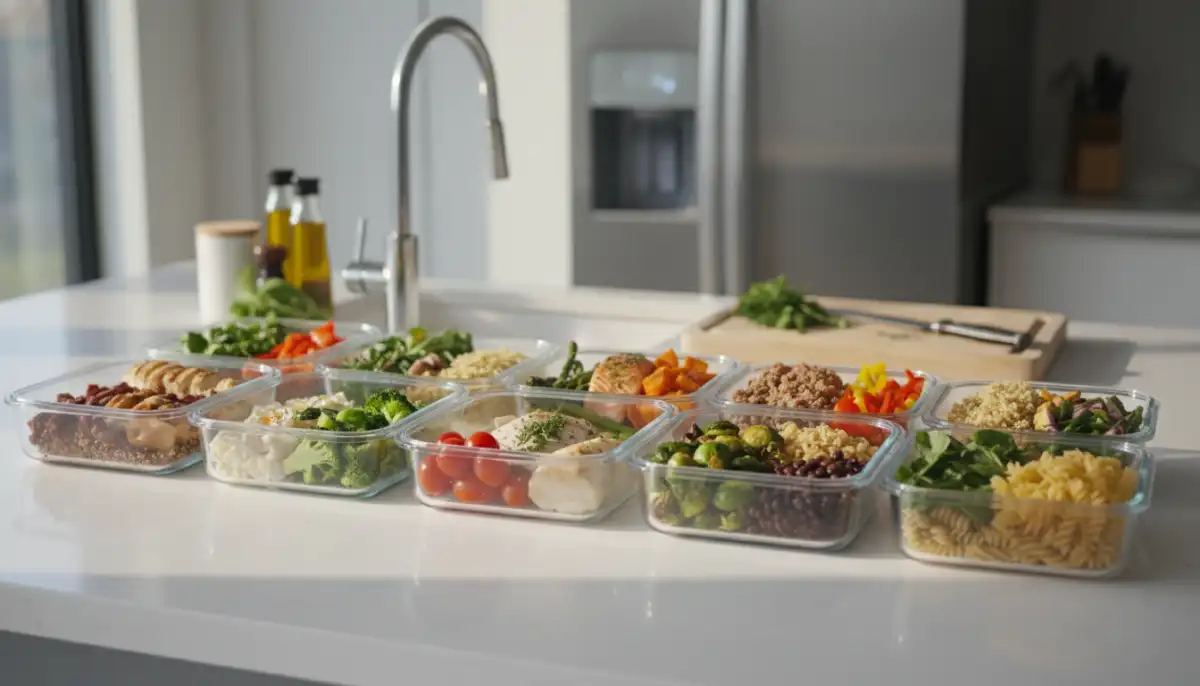
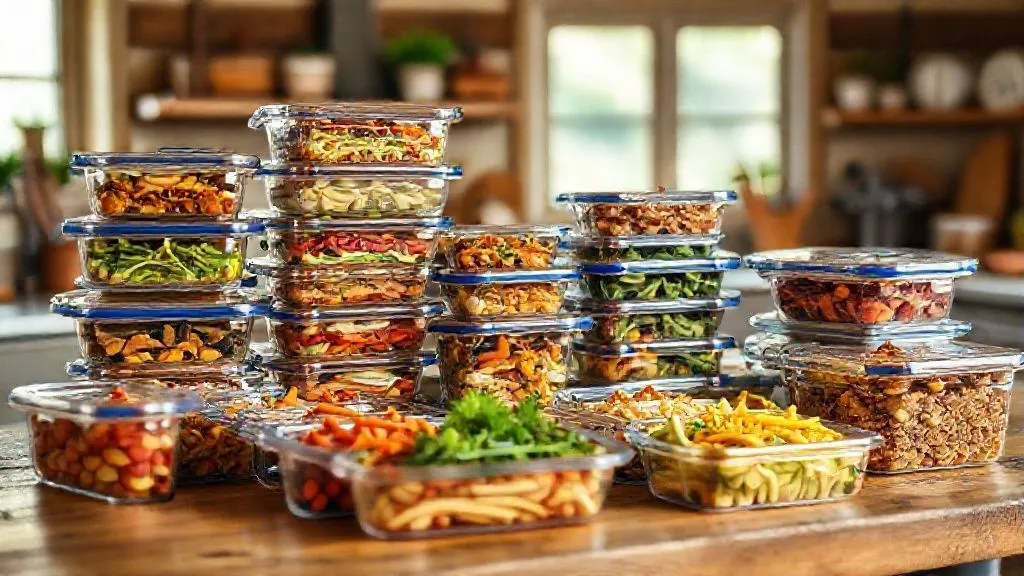
With these extended shelf-life techniques, you can now confidently plan your meals further in advance. Instead of rushing to cook your fish within 24 hours, you have the flexibility to buy on a weekend and enjoy it midweek, or even towards the end of the week.
- Plan Your Purchases: Buy your fish early in the week, knowing you have up to 7 days of prime freshness.
- Batch Prep Aromatics: While your fish is chilling, prepare your vegetables, sauces, and marinades.
- Mid-Week Culinary Delights: Enjoy a fresh fish dish on Wednesday or Thursday that tastes as good as if you bought it that morning.
This approach not only reduces waste but also opens up new possibilities for diverse and healthy meal planning. As Forbes often emphasizes the power of strategic planning, applying it to your kitchen can yield incredible results.
Frequently Asked Questions (FAQ)
Q: Can I use tap water for the ice bath, or does it need to be purified? A: Tap water is perfectly fine for making ice for the ice bath. The key is the cold temperature, not the purity of the water itself, as the fish is wrapped and not directly exposed to the melting water. Ensure your ice is fresh and clean, made from potable water.
Q: What about storing fish in milk? Does that extend shelf life? A: Storing fish in milk is a traditional method primarily used to mitigate strong 'fishy' odors and sometimes to firm up the flesh, not necessarily to extend shelf life for a week. While it might mask some initial signs of spoilage, it doesn't offer the same bacterial inhibition or temperature control benefits as an ice bath. I recommend focusing on temperature control and proper wrapping for true shelf life extension.
Q: Is it safe to re-wrap fish in the same parchment paper if I just check it quickly? A: No, it's best practice to use fresh parchment paper each time you handle or re-wrap the fish, especially if you're aiming for a week of freshness. The old paper might have absorbed some moisture or odors, which could harbor bacteria and counteract your preservation efforts. Fresh paper ensures a clean, dry surface.
Q: Can I use gel packs instead of ice for the ice bath? A: While gel packs can provide cold temperatures, crushed ice is generally superior for fish preservation. Crushed ice molds perfectly around the fish, providing maximum surface contact and consistent 0°C (32°F) temperatures. Gel packs, being solid, may not conform as well and can sometimes be too cold, potentially causing slight freezing if they directly contact the fish for too long. Stick to ice for optimal results.
Q: My fridge is quite cold, almost freezing on the bottom shelf. Is this good for fish? A: A temperature very close to 0°C (32°F) is ideal for fish storage without freezing. However, you must be careful not to actually freeze the fish, as this will damage its delicate cell structure. Use a reliable thermometer to ensure the temperature stays just above freezing. If your fridge consistently dips below 0°C, adjust its settings or consider placing the ice bath in a slightly warmer, but still cold, part of the fridge.
Key Takeaways and Final Thoughts
Extending the fresh fish shelf life for a week without freezing isn't a myth; it's a science, an art, and a commitment to quality. By understanding the enemies of freshness and implementing these expert techniques, you can elevate your home cooking and reduce food waste significantly.
- Immediate Action is Key: Rinse, dry, and wrap your fish in parchment paper immediately after purchase.
- The Ice Bath is Non-Negotiable: Store your wrapped fish on a bed of crushed ice in a colander within a bowl, draining daily.
- Consider Advanced Methods: Light dry brining or vacuum sealing can provide additional layers of protection.
- Monitor Your Environment: Maintain consistent, low refrigerator temperatures (0-4°C) and prevent cross-contamination.
- Trust Your Senses: Always inspect for signs of spoilage; when in doubt, discard.
Embrace these practices, and you'll transform the way you handle seafood. You’ll not only enjoy the freshest possible fish for longer but also gain a deeper appreciation for the delicate balance of nature and nurture in your kitchen. Happy cooking, and may your fish always be perfectly fresh!
Recommended Reading
- Master Anti-Inflammatory Meal Prep: 7 Steps for Busy Clients
- Scaling Baba Ghanoush for 500: Mastering Authentic Smoky Texture
- 7 Proven Steps: How to Teach Basic Knife Safety to Children Effectively
- Mastering Microgreens: 7 Pro Tips to Prevent Wilting on Gourmet Plates
- The Ultimate Guide: Scoring a Sourdough Boule Like a Pro


0 Comentários: