 By
By 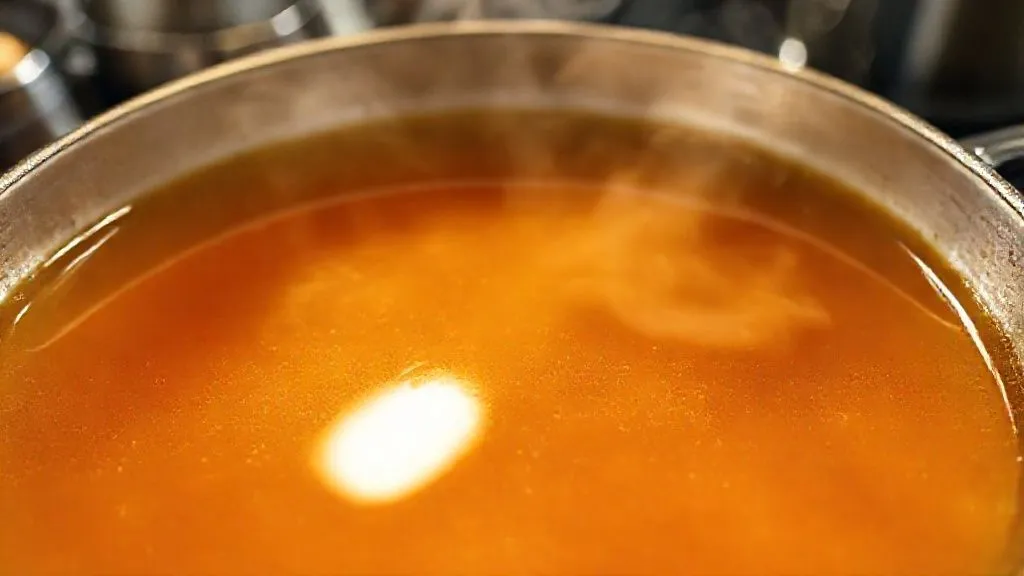
How to Prevent Metallic Off-Flavors in Professional Slow Broths?
For over two decades in the demanding world of professional kitchens, I've witnessed countless chefs pour their heart and soul into creating the perfect slow broth, only to be met with a subtle, yet undeniably frustrating, metallic off-flavor. It's a silent saboteur that can undermine hours of meticulous work, compromise a dish's integrity, and, frankly, damage a chef's reputation for excellence.
This isn't just a minor inconvenience; it's a critical flaw that can render an otherwise magnificent stock unusable. That tell-tale tinny, bitter, or astringent note can taint delicate soups, sauces, and braises, leaving diners with an unpleasant aftertaste and chefs scratching their heads in frustration.
But here's the good news: preventing metallic off-flavors in professional slow broths is entirely achievable with the right knowledge and techniques. In this definitive guide, I'll share the actionable frameworks, real-world insights, and expert strategies I've honed over years to ensure your broths are consistently clean, pure, and bursting with the intended, exquisite flavors.
Understanding the Culprits: Where Do Metallic Notes Originate?
Before we can prevent a problem, we must understand its roots. Metallic off-flavors aren't random occurrences; they stem from specific, identifiable sources within the slow-cooking process. Pinpointing these culprits is the first critical step.
The Role of Cookware and Utensils
Perhaps the most common, and often overlooked, source of metallic off-flavors is the very vessel we use to cook our broths. Reactive metals, particularly aluminum and low-grade stainless steel, can leach metallic ions into your stock, especially when subjected to prolonged heat and the presence of acidic ingredients. This chemical interaction is a primary cause of that undesirable tinny taste.
Expert Insight: "Your cookware isn't just a container; it's an active participant in your broth's flavor development. Choose wisely, as it can be your greatest ally or your most insidious foe."
Even seemingly innocuous utensils, if made from reactive materials and left in contact with hot broth for extended periods, can contribute to the problem. The quality and type of metal are paramount.

Water Quality: An Overlooked Factor
Water is often considered a mere vehicle, but in broth-making, it's a foundational ingredient. The mineral content, chlorine levels, and even the pH of your water source can significantly impact the final flavor profile. Hard water, rich in dissolved minerals, can react with other ingredients or even your cookware, potentially contributing to off-notes or cloudiness. Highly chlorinated water can introduce its own chemical taste, masking delicate flavors and sometimes interacting in unforeseen ways.
Ingredient Sourcing and Preparation
While less common as a direct cause of metallic taste, improper ingredient handling can exacerbate other issues. Bones that haven't been thoroughly cleaned, for instance, can carry residual blood or impurities that lead to gamey or off-flavors which, in some palates, might be perceived as metallic. Certain vegetables, if old or bruised, can also introduce bitterness or undesirable notes that complicate the broth's overall cleanliness.
The Foundation of Flavor: Bone Preparation and Roasting Mastery
A truly exceptional broth begins long before the pot hits the stove. The meticulous preparation of your bones is a non-negotiable step in achieving a clean, pure flavor profile, free from any metallic taint. This is where we build the bedrock of taste.
Step-by-Step Bone Cleaning Protocol
I've seen many kitchens rush this critical stage, and it always shows in the final product. Here's my protocol for ensuring your bones are pristine:
- Rinse Thoroughly: Place your bones (beef, chicken, fish, etc.) in a large colander in a sink. Rinse them under cold running water for several minutes, turning them to ensure all surfaces are washed.
- Blanch (Optional but Recommended for Beef/Veal): For beef or veal bones, especially, blanching can make a significant difference. Place the rinsed bones in a large stockpot, cover with cold water, and bring to a rolling boil. Boil vigorously for 10-15 minutes.
- Skim and Drain: During blanching, a greyish, foamy scum will rise to the surface. This is rendered fat and impurities. Skim it off diligently. Then, drain the bones completely, discard the blanching water, and rinse the bones again under cold water until they are visibly clean and free of any clinging residue.
- Scrub if Necessary: For particularly stubborn bits or marrow, a stiff brush can be used to scrub the bones clean. This ensures no impurities remain to taint your broth.
This rigorous cleaning process removes blood, bone fragments, and other impurities that can contribute to cloudiness and off-flavors, including those sometimes perceived as metallic.
Optimizing the Roasting Process
Roasting bones (for beef, veal, or sometimes chicken) develops incredible depth of flavor through the Maillard reaction. However, improper roasting can introduce bitterness or burnt notes that mimic or mask other off-flavors. The key is to achieve a deep, even caramelization, not charring.
Spread your cleaned bones in a single layer on a baking sheet. Roast them in a hot oven (around 400-450°F / 200-230°C) until they are deeply golden brown. Turn them periodically for even browning. This process should take anywhere from 30 minutes to an hour, depending on the bone type and oven. Avoid burning at all costs; burnt spots will impart a acrid taste to your broth. A perfectly roasted bone is a symphony of flavor waiting to be extracted.

Strategic Cookware Selection: Your First Line of Defense
The type of pot you use for your slow broth is not merely a detail; it's a fundamental choice that dictates the potential for metallic off-flavors. This is an area where I've seen even seasoned professionals make costly mistakes, often due to expediency or budget constraints. Investing in the right cookware is investing in the quality of your product.
The Gold Standard: Enameled Cast Iron and High-Grade Stainless Steel
For slow broths, especially those with acidic components like tomatoes or wine, enameled cast iron and high-grade stainless steel (specifically 18/8 or 18/10 surgical grade) are your best friends. These materials are non-reactive, meaning they will not leach metallic ions into your food, even over extended cooking times or when interacting with acidic ingredients. Enameled cast iron offers superb heat retention and even cooking, while high-grade stainless steel is durable, easy to clean, and provides good heat distribution, especially with a clad bottom.
Brands like Le Creuset, Staub, and Fissler are examples of manufacturers producing cookware ideal for this purpose. Their quality ensures that the only flavors in your broth are those you intentionally put there.
Avoiding Pitfalls: When to Say No to Certain Metals
Conversely, there are materials that, while common in some kitchens, should be strictly avoided for slow broth production. Aluminum, particularly non-anodized aluminum, is highly reactive. It readily leaches into acidic foods, imparting a distinct metallic taste and often discoloring the broth. Copper, unless it's lined with a non-reactive material like tin or stainless steel, also poses a risk due to its reactivity and potential for toxicity.
The allure of lower cost or lighter weight should never trump the integrity of your broth. As a professional, your reputation is built on consistent quality.
| Cookware Material | Reactivity | Pros | Cons | Best Use |
|---|---|---|---|---|
| Enameled Cast Iron | Non-reactive | Excellent heat retention, even cooking, durable, non-leaching | Heavy, can be expensive | Long, slow simmers, rich broths |
| High-Grade Stainless Steel (18/8 or 18/10) | Non-reactive | Durable, easy to clean, good heat distribution (with clad bottom) | Can be expensive, less even heat than cast iron | Versatile for all broths, stocks |
| Aluminum (non-anodized) | Highly reactive | Lightweight, inexpensive, good heat conductor | Leaches metal into acidic foods, can impart metallic taste, discolors | Avoid for broths and acidic cooking |
| Copper (unlined) | Highly reactive | Exceptional heat conductor | Leaches copper into food, toxic in high doses, requires lining | Primarily decorative or for specific confectionery (lined) |
Water Wisdom: Filtering for Purity and pH Balance
Water, often the most abundant ingredient in broth, is frequently the most overlooked. Yet, its quality can profoundly influence the final flavor, clarity, and even the potential for metallic off-flavors in your professional slow broths. You wouldn't use subpar ingredients for your solids, so why compromise on your liquid foundation?
Understanding Your Water Source
Tap water varies dramatically from region to region. Factors like hardness (mineral content), chlorine levels, and pH can all play a role. Hard water can lead to a duller, sometimes slightly chalky taste and can interfere with the extraction of flavors from bones and aromatics. Chlorinated water, even in small amounts, can introduce a chemical tang that is utterly unwelcome in a delicate broth. As a professional, understanding your local water report or even testing your water is a worthwhile investment.
| Water Quality Parameter | Impact on Broth | Solution |
|---|---|---|
| Hardness (Mineral Content) | Can introduce off-flavors, cloudiness, affect extraction | Filtration, especially for very hard water |
| Chlorine/Chloramines | Strong chemical taste, can destroy delicate flavors | Carbon filtration, boiling off (for chlorine) |
| pH Level | Affects extraction of compounds, can influence metallic taste potential | No direct 'fix' for pH, but quality water sources help |
| Sediments/Particulates | Cloudiness, gritty texture if not strained | Pre-filtration, careful straining |
Filtration Techniques for Professional Kitchens
For consistent, high-quality broth, filtration is often essential. Carbon filters are excellent for removing chlorine, chloramines, and other organic contaminants that can impart off-flavors. For areas with exceptionally hard water or specific mineral concerns, a reverse osmosis (RO) system might be considered, though this can also strip beneficial minerals, so it's a balance. The NSF International offers comprehensive resources on water filtration options.
Expert Insight: "Treat your water with the same reverence you treat your prime cuts. It's not just H2O; it's the medium that carries and defines every flavor in your broth."
Using filtered water ensures a neutral canvas, allowing the true flavors of your bones and aromatics to shine through, unadulterated by tap water impurities. This is a subtle but powerful step in preventing metallic notes and achieving superior clarity and taste.
The Gentle Simmer: Temperature Control and Skimming Techniques
The term "slow broth" isn't just a suggestion; it's a fundamental principle. The way you manage the heat during the long cooking process, and your diligence in maintaining a pristine surface, are crucial in preventing metallic off-flavors and ensuring a clean, pure stock.
Maintaining the Perfect Simmer (Not a Boil!)
One of the most common mistakes I observe is allowing broth to come to a rolling boil. While it might seem efficient, a vigorous boil emulsifies fats and impurities into the liquid, leading to a cloudy broth with a less clean flavor. It can also cause delicate proteins to break down too rapidly, potentially contributing to off-notes. The ideal is a gentle simmer: tiny bubbles breaking the surface, just enough movement to ensure even heat distribution without agitation. This typically means maintaining a temperature between 180-205°F (82-96°C). A consistent, low simmer ensures a slow, steady extraction of collagen and flavor compounds, yielding a richer, clearer, and more nuanced broth.
Mastering the Art of Skimming
As your broth gently simmers, impurities, rendered fat, and coagulated proteins will rise to the surface as a scum or foam. This must be meticulously removed. If left in the broth, these impurities can re-incorporate, leading to cloudiness and off-flavors. Skim frequently during the first few hours of cooking, using a fine-mesh skimmer or a ladle. Continue to skim periodically throughout the entire cooking process to remove any additional fat or impurities that rise. This diligent skimming is a hallmark of professional broth-making and is vital for a clean finish, preventing metallic off-flavors.

Ingredient Harmony: Balancing Flavors and Avoiding Reactive Elements
While bones and water form the backbone of your broth, the supporting cast of aromatic vegetables and herbs plays a vital role in shaping its character. Thoughtful selection and careful management of these ingredients, particularly concerning acidity, are key to preventing metallic off-flavors and achieving a balanced, harmonious profile.
Aromatic Vegetables and Herbs: Freshness is Key
Always opt for fresh, high-quality aromatic vegetables like onions, carrots, celery, leeks, and garlic. Old, bruised, or decaying vegetables can impart bitter, earthy, or off-flavors that detract from the broth's purity. Similarly, ensure your herbs (parsley stems, bay leaves, thyme) are fresh and vibrant. Avoid dried herbs if possible, as their flavor can be less nuanced and sometimes contribute to a dusty or hay-like note. The goal is clean, vibrant aromatics that enhance, not compromise, the broth.
Acid Management: A Double-Edged Sword
Acidic ingredients, such as a splash of wine, a few tomatoes, or a touch of vinegar, are often added to broths. They can enhance flavor extraction, brighten the broth, and even help break down collagen. However, acid is also a catalyst for metallic leaching if reactive cookware is present. This is why the cookware selection discussed earlier is so critical. If you're using appropriate non-reactive pots, judicious use of acid can be beneficial. If you're unsure, or using less-than-ideal equipment, it's safer to minimize acidic additions, especially during prolonged cooking.
As strategic thought leaders often emphasize, every decision has downstream effects. In broth-making, every ingredient choice and cooking parameter influences the final outcome, including the presence of metallic off-flavors.
Case Study: Chef Antoine's Broth Transformation
How a Michelin-Starred Chef Eliminated Metallic Notes from His Consommé
Chef Antoine, a celebrated culinary artist with a prestigious Michelin star, faced a recurring challenge: a subtle, yet persistent, metallic whisper in his signature beef consommé. Despite using premium ingredients and traditional techniques, his broth sometimes lacked the pristine purity he demanded. His team was frustrated, and Antoine knew it was impacting the perception of his dishes.
After a deep dive into his process, we identified several key areas for improvement. First, his kitchen was using heavy-gauge stainless steel stockpots, but some were older and, upon closer inspection, showed signs of pitting and minor corrosion. We immediately transitioned to new, high-grade 18/10 stainless steel and a few large enameled cast iron pots, ensuring zero reactivity. Second, his bone preparation, while good, wasn't meticulous enough. We implemented the detailed blanching and scrubbing protocol I outlined earlier, ensuring every bone was pristine before roasting.
The most significant change, however, came from his water. Chef Antoine's restaurant was in an area with moderately hard, chlorinated tap water. We installed a commercial-grade carbon filtration system dedicated solely to his broth station. This simple upgrade removed the chlorine and significantly reduced mineral content.
The results were transformative. Within weeks, the metallic off-flavor vanished entirely. His consommé achieved a new level of clarity, depth, and clean taste. Customer feedback noted a remarkable improvement in the richness and purity of his dishes. This not only boosted his kitchen's morale but also reinforced his reputation for uncompromising quality, leading to increased demand for his tasting menus and a renewed sense of pride in his culinary creations.
Post-Cook Care: Storage and Reheating Without Compromise
You've meticulously prepared, cooked, and skimmed your broth to perfection, ensuring it's free from any metallic off-flavors. The journey isn't over yet! Improper handling after cooking can just as easily introduce undesirable notes or compromise its integrity. This final stage is about preservation and respecting the hard work you've put in.
Cooling Protocols: Rapid and Safe
Rapid cooling is crucial for food safety and flavor preservation. Large quantities of hot broth should never be left to cool slowly at room temperature, as this enters the "danger zone" for bacterial growth. Instead, portion your broth into smaller, shallow containers, or employ an ice bath. Place the pot of broth into a larger vessel filled with ice and water, stirring the broth frequently until it cools rapidly to below 40°F (4°C). According to FoodSafety.gov, rapid cooling is essential to prevent pathogen proliferation.
Storage Vessels: Glass and Food-Grade Plastics Reign Supreme
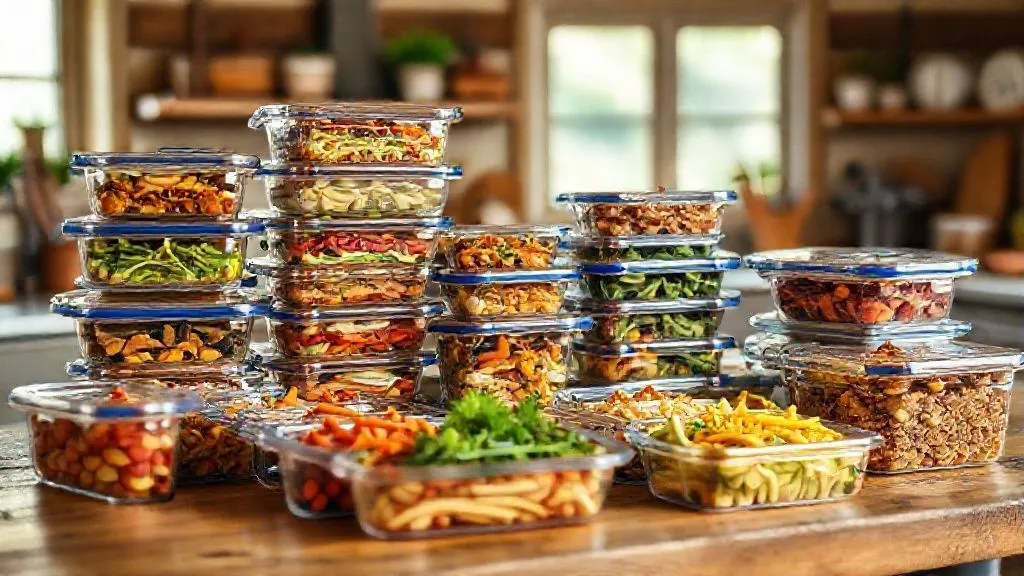
Once cooled, transfer your broth to appropriate storage containers. Glass jars or high-quality, food-grade plastic containers are ideal. Avoid storing broth for extended periods in reactive metal containers, even if they were used for cooking, as the long contact time can still lead to leaching. Ensure containers are airtight to prevent oxidation and absorption of other refrigerator odors. Proper storage is a vital step in how to prevent metallic off-flavors in professional slow broths from re-emerging.
Reheating Best Practices
When reheating your precious broth, do so gently. Use a non-reactive pot (again, glass or high-grade stainless steel) over medium-low heat. Avoid scorching the bottom, which can introduce bitter, burnt notes. Bring it to a gentle simmer, just enough to heat through, rather than a rolling boil. This preserves the delicate flavors you've worked so hard to achieve.
Frequently Asked Questions (FAQ)
Q: Can I use aluminum foil to cover my broth while simmering? A: I strongly advise against it. While less direct than cooking in an aluminum pot, prolonged contact between hot, acidic broth and aluminum foil can still lead to leaching and introduce metallic off-flavors. Use a non-reactive lid (stainless steel, glass, or enameled) for your pot instead.
Q: My broth tastes metallic even after using good cookware. What else could it be? A: If cookware is ruled out, consider your water source. High chlorine levels or unusual mineral content can impart a metallic or chemical taste. Also, ensure your bones were thoroughly cleaned and not over-roasted to the point of charring. Sometimes, an overabundance of certain gamey bones without proper balancing can also contribute to a perceived metallic note.
Q: Is it possible to salvage a metallic-tasting broth? A: Unfortunately, it's very difficult to completely remove a metallic off-flavor once it's present. You can try to mask it with strong aromatics or other ingredients, but the underlying metallic note will often persist. Prevention is truly the only reliable cure. Sometimes, diluting it significantly with a clean, neutral broth can help, but it often compromises the overall intensity.
Q: How does water hardness affect broth flavor beyond metallic notes? A: Hard water, rich in minerals like calcium and magnesium, can inhibit the full extraction of flavors from bones and vegetables, leading to a duller, less vibrant broth. It can also contribute to cloudiness. While not directly causing metallic taste, it can certainly degrade the overall quality and mask other delicate notes.
Q: What's the best way to clean my broth pots to prevent future issues? A: For high-grade stainless steel and enameled cast iron, thorough cleaning with hot, soapy water and a non-abrasive sponge is usually sufficient. For stubborn residues, a paste of baking soda and water can be effective. Always ensure pots are completely clean and dry before storage to prevent any lingering residues or potential for rust, which could contribute to future off-flavors.
Key Takeaways and Final Thoughts
Mastering the art of slow broth, free from the dreaded metallic off-flavor, is a hallmark of truly professional cooking. It demands attention to detail at every stage, from the initial preparation of ingredients to the final storage.
- Choose Your Cookware Wisely: Opt for non-reactive materials like high-grade stainless steel or enameled cast iron.
- Prioritize Bone Preparation: Meticulously clean and properly roast your bones for a clean foundation.
- Invest in Water Quality: Filter your water to remove chlorine and undesirable minerals.
- Maintain a Gentle Simmer: Avoid boiling and diligently skim impurities for clarity and pure flavor.
- Store with Care: Use non-reactive containers and cool rapidly to preserve your broth's integrity.
By integrating these expert strategies into your culinary workflow, you're not just preventing a common problem; you're elevating your craft. The reward is a consistently pure, deeply flavorful broth that forms the perfect foundation for any dish, enhancing your reputation and delighting every palate. Embrace these principles, and let your broths speak volumes about your commitment to excellence.
Recommended Reading
- Scaling Authentic Street Food: 7 Proven Strategies to Preserve Original Taste
- Mastering Vegan Indian Curries: 7 Flavor Secrets for Authentic Taste
- 5 Expert Steps: Crispy Fish Skin Without Overcooking, Guaranteed!
- Unlock the Secret: How to Make Perfect Dehydrated Fruit Slices for Drink Garnishes
- 7 Pro Strategies: Deep Flavor Tofu for Elite Vegan Catering Menus


0 Comentários: