 By
By 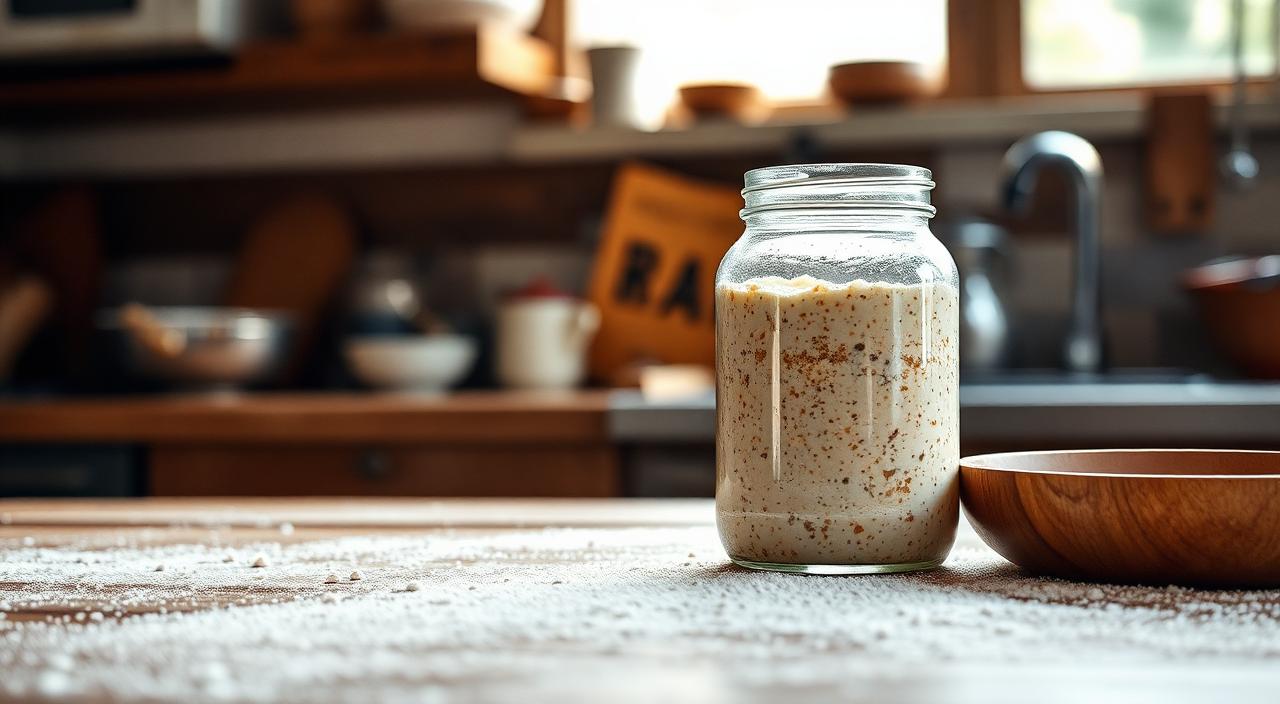
Why Sourdough Starter Maintenance Deserves a Second Look
If you’ve been baking with a natural leaven for more than a few weeks, you’ve probably noticed that sourdough starter maintenance can feel like a second job. Between daily feedings, discarding half the jar, and worrying about hooch or mold, many home bakers end up frustrated. But here’s the truth: maintaining a healthy starter doesn’t require a lab-grade routine or a strict feeding schedule. In fact, most of the elaborate advice floating around online is overkill.
You might be asking yourself: Why does my starter need so much attention? Is the discard really necessary? Can I skip a feeding without killing it? These questions are common, especially for new bakers who are told that a starter is a delicate, high-maintenance pet. The reality is far simpler. Sourdough starter maintenance is about consistency and understanding what your culture actually needs to thrive.
In this article, we’ll strip away the myths and show you a practical, minimal-effort approach to keeping your starter alive, active, and ready to bake. You’ll learn when to feed, how much to keep, and why your current routine might be wasting flour and time. By the end, you’ll have a clear, stress-free plan that works with your schedule, not against it.
For more information, see: sourdough starter maintenance - Wikipedia.
The Minimalist Feeding Schedule That Actually Works
The most common mistake in sourdough starter maintenance is overfeeding. Many recipes call for daily feedings at a 1:1:1 ratio (equal parts starter, flour, and water), with a discard of at least half the jar. While this works, it’s wasteful and unnecessary if you’re not baking every day. A healthier approach is to match your feeding schedule to your baking frequency.
Here’s a straightforward system:
- If you bake weekly: Keep your starter in the refrigerator and feed it once a week. Use a 1:2:2 ratio (starter, flour, water) to build strength before baking. The cold temperature slows fermentation, so a weekly feeding is plenty.
- If you bake 2–3 times per week: Keep the starter at room temperature and feed every 12–24 hours. Use a 1:5:5 ratio to stretch feedings longer. This reduces discard and keeps the starter active without constant attention.
- If you bake daily: A 1:1:1 feeding every 12 hours is fine, but you can still reduce discard by maintaining a small starter (50g total).
Most bakers don’t need to feed their starter every single day. The refrigerator is your best tool for simplifying sourdough starter maintenance. When stored cold, a mature starter can go 7–14 days between feedings without issue. Just give it a refresh 12–24 hours before you plan to bake.
How to Reduce Discard Without Hurting Your Starter
One of the biggest pain points in sourdough starter maintenance is the discard. Throwing away half a cup of flour every day feels wasteful, especially with flour prices where they are in 2026. The good news: you don’t have to discard nearly as much as most recipes suggest.
Read also: Quick One Pot Dinners: 7 Stress-Free Meals for Exhausted Chefs
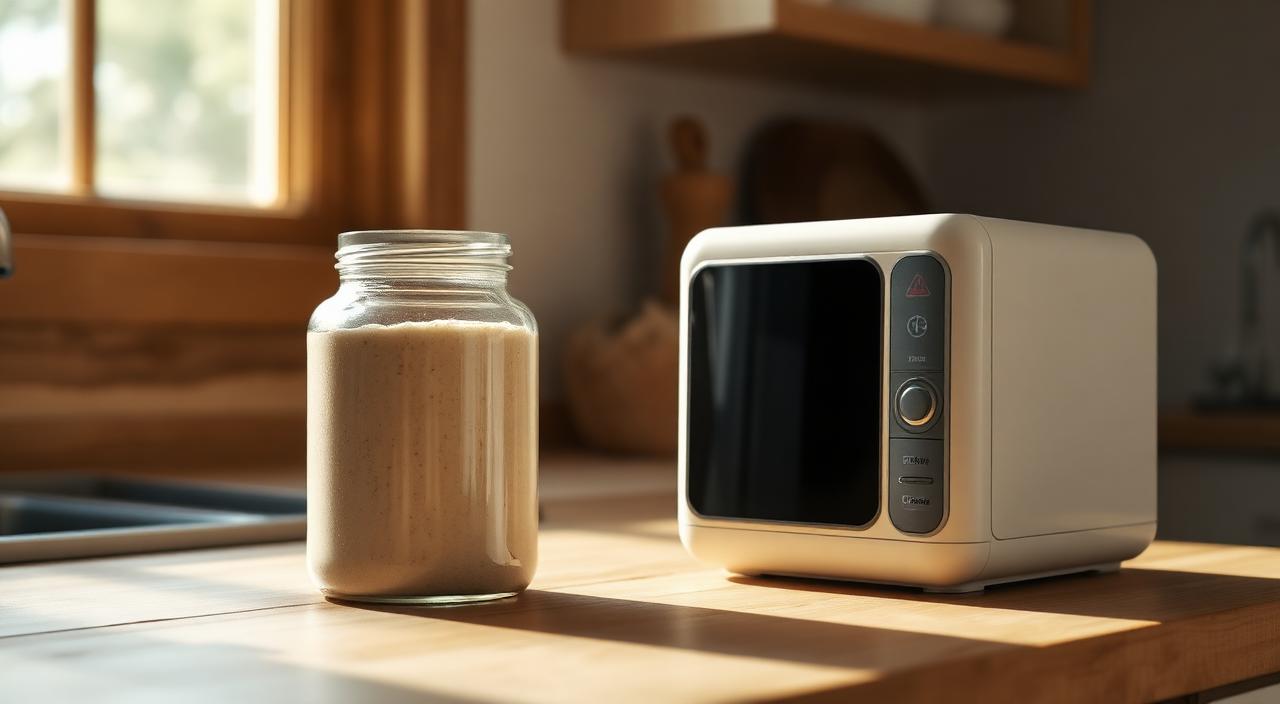
Here’s the key: keep a small starter. Instead of maintaining 200g or 300g of starter, reduce it to 50g. That’s about 3 tablespoons of starter. With a 50g mother culture, even a 1:1:1 feeding uses only 50g of flour — and the discard is negligible. If you feed at a 1:5:5 ratio (10g starter, 50g flour, 50g water), the discard is even smaller relative to the total.
Another option: use your discard in recipes. Sourdough discard can be used in pancakes, crackers, waffles, and quick breads. This turns waste into a bonus, not a burden. Many bakers keep a separate jar in the fridge just for discard and use it within a week or two.
If you’re really committed to zero waste, you can even skip the discard entirely by using a “scrapings method.” After using most of your starter for baking, leave only a thin coating on the inside of the jar, add fresh flour and water, and let it ferment. This method works well for experienced bakers who bake regularly and don’t mind a slightly less predictable rise time.
Troubleshooting Common Starter Problems (No Panic Required)
Even with a simplified routine, things can go wrong. A starter might develop a layer of liquid on top (hooch), smell like acetone, or stop rising. Don’t panic — these are signs that your starter needs a small adjustment, not a complete reset.
Here’s a quick reference table for common issues and fixes:
| Problem | Cause | Fix |
|---|---|---|
| Hooch (dark liquid on top) | Starter is hungry; too long between feedings | Pour off hooch or stir it in; feed immediately |
| Acetone or nail polish smell | Starter is underfed or too warm | Increase feeding frequency or ratio; move to cooler spot |
| Starter not rising after feeding | Weak culture or wrong flour type | Use whole wheat or rye flour for a few feedings to boost activity |
| Mold on surface | Contamination from dirty jar or too much moisture | Discard affected portion; clean jar thoroughly; avoid airtight lids |
| Separated liquid and solids | Starter is over-fermented or too warm | Stir well, feed at a higher ratio (1:5:5), and refrigerate |
Most problems in sourdough starter maintenance are caused by either underfeeding or temperature stress. A starter kept between 70°F and 78°F (21°C–26°C) with regular feedings will self-correct within a few days. If you see hooch, your starter is telling you it’s hungry — feed it sooner next time. If it smells strongly of acetone, reduce the time between feedings or increase the feeding ratio.
See also: Stop the Flames: Mastering Charcoal BBQ to Avoid Flare-Ups
One more tip: use filtered or dechlorinated water. Chlorine in tap water can inhibit fermentation. Let tap water sit out overnight, or use a simple carbon filter. This small change often fixes sluggish starters overnight.
Storing Your Starter Long-Term Without Daily Attention
Life gets busy, and sometimes you don’t bake for weeks or months. The good news is that sourdough starter maintenance can be put on hold without killing your culture. You have two reliable options: refrigeration and drying.
Refrigeration: As mentioned, a cold starter can go 2–4 weeks without feeding if it’s mature and healthy. Before storing, give it a fresh feeding, let it sit at room temperature for 1–2 hours, then seal the jar and place it in the back of the fridge (coldest part). When you’re ready to bake again, take it out, discard half, feed it, and let it sit at room temperature for 12–24 hours. It may take two feedings to return to full activity.
Drying: This is the ultimate low-maintenance method. Spread a thin layer of active starter on parchment paper or a silicone mat and let it dry at room temperature for 24–48 hours. Once brittle, break it into flakes and store in an airtight jar in a cool, dark place. Dried starter can last for years. To revive it, crumble a few flakes into warm water and flour, and feed as usual. Within 2–3 days, you’ll have a fully active starter again.
For bakers who travel frequently or have unpredictable schedules, drying is a game-changer. It eliminates the guilt of neglecting your starter and ensures you always have a backup. Many professional bakers maintain a dried “mother” culture as insurance, while keeping a liquid starter for regular baking.
When to Buy a Commercial Starter vs. Grow Your Own
Not everyone wants to start from scratch. If you’re considering a commercial starter to simplify sourdough starter maintenance, you have several options available in 2026. Popular choices include Sourdough International’s “San Francisco” and “French” starters, which have been available since 1995 and are known for consistent performance. Breadtopia’s “Classic Sourdough Starter” (released in 2012) is another reliable option, often praised for its mild tang and vigorous rise. Both are available online, with prices currently ranging from approximately $15 to $25 USD for a dried or freeze-dried culture.
If you prefer to support a local artisan, many bakeries sell fresh starter cultures for $5–$10. Local starters are already adapted to your area’s wild yeast and bacteria, which can make them more resilient in your kitchen. However, growing your own from scratch is free and surprisingly easy — it just takes about 7–10 days of daily attention.
Check out: Cloudy Kombucha? Troubleshoot & Fix Fermentation Failures (Pro Guide)
For most home bakers, a homemade starter works perfectly fine. The advantage of a commercial starter is consistency: you know exactly what flavor profile and rise time to expect. That said, both options require the same basic sourdough starter maintenance once established. A commercial starter isn’t a shortcut to zero maintenance — it’s just a head start.
If you’re new to sourdough, I recommend trying a homemade starter first. It’s a rewarding process, and you’ll learn how your culture behaves. If you’re already experienced and want a specific regional strain, a commercial culture might be worth the investment.
Practical tip: Keep your starter jar clean and use a loose-fitting lid or cloth cover. An airtight lid can cause gas buildup and mold growth. A simple coffee filter secured with a rubber band works perfectly.
FAQ
How often do I really need to feed my sourdough starter? It depends on storage temperature. At room temperature (70°F–78°F), feed every 12–24 hours. In the refrigerator, once every 7–14 days is sufficient. Adjust based on how often you bake.
Can I skip a feeding without ruining my starter? Yes. If you miss a feeding by a day or two, your starter may develop hooch or a sour smell, but it’s rarely dead. Pour off the hooch, give it a normal feeding, and it will recover within 24 hours.
What’s the easiest way to reduce discard in sourdough starter maintenance? Keep a smaller starter (50g total) and use a higher feeding ratio like 1:5:5. This minimizes the amount of flour needed per feeding and reduces discard. Alternatively, save discard for pancakes or crackers.
Conclusion
Simplifying sourdough starter maintenance comes down to three things: matching your feeding schedule to your baking frequency, keeping a small starter to reduce waste, and using the refrigerator or drying method when life gets busy. You don’t need expensive tools, a strict daily routine, or a chemistry degree to keep a healthy culture.
- Match feeding to baking: Feed daily only if you bake daily. Otherwise, refrigerate and feed weekly.
- Keep it small: A 50g starter reduces flour waste and makes discard manageable.
- Use cold storage or drying: Both allow you to pause maintenance for weeks or months.
- Don’t fear problems: Hooch and sour smells are fixable, not fatal.
For more content, visit the homepage of Cooking Melt.
Your starter is more resilient than you think. By stepping back from the overcomplicated advice, you’ll save flour, time, and stress — and still have a bubbly, fragrant culture ready for your next bake. Start simplifying today, and enjoy the process again.





0 Comentários: