 By
By 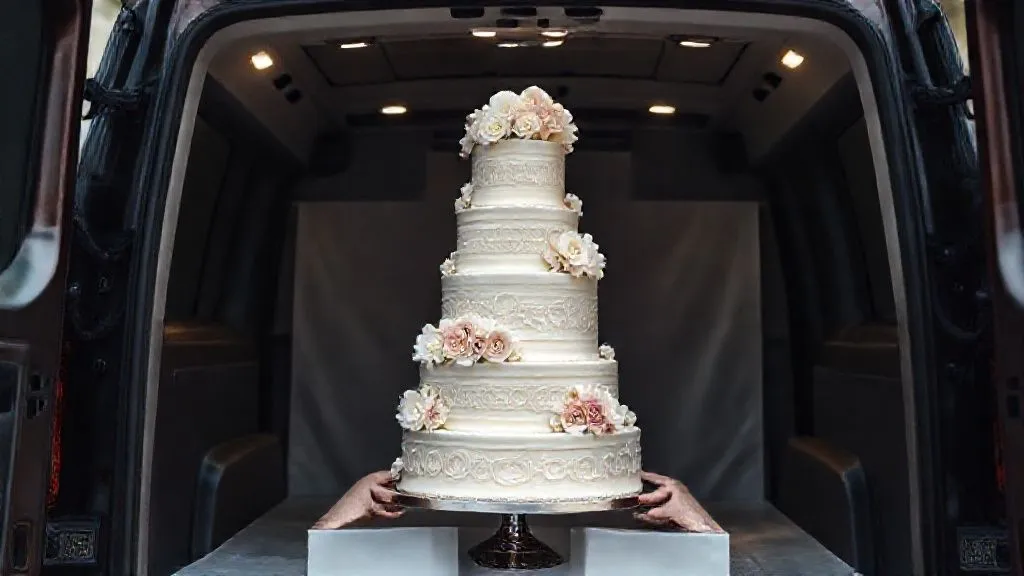
How to Prevent Tiered Wedding Cakes from Collapsing During Delivery?
For over 15 years in the intricate world of baking and pastry, I've witnessed the sheer panic and heartbreak that can arise when a beautifully crafted tiered wedding cake faces the perilous journey of delivery. I still remember a close call early in my career, a stunning five-tier creation, where a slight miscalculation in internal support nearly turned a dream into a disaster just miles from the venue. It taught me invaluable lessons that I’ve since perfected.
The stakes couldn't be higher: a wedding cake isn't just dessert; it's a centerpiece, a symbol, and often the most expensive single item on a couple's special day. The pressure to deliver it flawlessly, intact and pristine, weighs heavily on every baker's shoulders. The fear of a collapse during transit, a tilt, a crack, or even a minor smudge, is a constant source of anxiety, and for good reason—it’s a complex logistical challenge.
But what if you could virtually eliminate that anxiety? In this definitive guide, I'll share the accumulated wisdom from my years of experience, providing you with actionable frameworks, battle-tested techniques, and expert insights. We’ll delve into everything from foundational engineering to advanced transport strategies, ensuring your magnificent creations arrive at their destination as perfect as they left your kitchen. You will learn precisely how to prevent tiered wedding cakes from collapsing during delivery, transforming a stressful task into a confident, predictable process.
The Foundation: Engineering Your Cake for Success
Before any thought of transport, the structural integrity of your tiered cake begins in the kitchen. A sturdy cake is a stable cake, and stability is paramount for successful delivery. Think of your cake as a building; a weak foundation leads to collapse, regardless of how beautiful the facade.
Choosing the Right Recipe and Structure
Not all cake recipes are created equal when it comes to tiered structures. Light, airy sponges might be delicious, but they often lack the density required to support multiple tiers. I always recommend using denser, more robust cake recipes for wedding cakes, such as classic vanilla or chocolate mud cakes, dense pound cakes, or firm red velvet.
- Dense Cake Batters: Opt for recipes with a tighter crumb structure. These cakes are less prone to compression under weight.
- Stable Fillings: Avoid overly soft or liquid fillings that can shift or squeeze out during transport. Buttercream, ganache, and firm fruit curds are excellent choices. Mousse or fresh cream fillings, while delicious, pose a higher risk.
- Chilling Layers: Always chill your cake layers thoroughly before torting, filling, and frosting. This makes them much easier to handle, less crumbly, and firmer for stacking.
The Unsung Heroes: Internal Support Systems
This is where the true engineering comes into play. Proper internal support is the single most critical factor in preventing a tiered wedding cake from collapsing. Without it, even the densest cake will buckle under its own weight and the forces of movement.
- Measure and Mark: For each tier, place the cake board for the tier above it on top of the current tier. Gently press to leave a faint mark, indicating where the supports need to be placed.
- Dowel Placement: Cut your dowels (plastic or wooden) to the exact height of the cake tier they are supporting, ensuring they are flush with the top of the cake. Insert them vertically within the marked area, creating a strong, level platform for the tier above. I typically use 4-5 dowels for an 8-inch tier, increasing proportionally for larger tiers.
- Central Dowel (Optional but Recommended): For taller or more complex cakes, a central dowel hammered through all tiers and into the baseboard provides an extra layer of security. This acts like a central pillar, preventing lateral shifting. Ensure it's food-safe and cut precisely.
- Leveling: Use a spirit level to ensure your dowels are perfectly level across the entire tier. Uneven supports are a recipe for disaster, causing the cake to tilt.
My advice? Never skimp on supports. It's better to over-support than under-support.

Stacking with Precision: A Blueprint for Stability
Once your internal supports are in place, the actual stacking process requires meticulous attention to detail. Every tier must be perfectly centered and level to distribute weight evenly and maintain the cake's aesthetic appeal.
Cake Boards and Anti-Slip Measures
Each individual cake tier must rest on its own sturdy cake board, typically made of corrugated cardboard or thin plywood. These boards are crucial for distributing the weight of the tier above onto the internal supports below. Never stack a cake directly onto another cake layer without a board in between.
- Correct Board Size: The board should be the same size as the cake tier resting on it. This prevents visible gaps and provides a stable base.
- Anti-Slip: A thin smear of buttercream or royal icing between the cake board and the tier below can act as an adhesive, preventing the tier from shifting during transport. For the very base, a non-slip mat under the main cake board is indispensable.
The Art of Stacking: Layer by Layer
This is a moment where patience and precision pay off. A slight misalignment can become a glaring problem by the time the cake reaches its destination.
- Chill Each Tier: Before stacking, ensure each individual tier (on its own board, with its own supports if it's a bottom tier) is thoroughly chilled and firm. This makes handling much easier.
- Center with Care: Use a ruler or visual guides to center each tier perfectly on the one below it. Take your time, lowering it slowly and making tiny adjustments. Once it touches, it's difficult to move without damaging the frosting.
- Secure the Central Dowel: If using a central dowel, ensure it passes cleanly through the center of each cake board and cake layer as you stack. Once all tiers are stacked, gently tap the central dowel further into the baseboard to secure everything.
“The difference between a cake that arrives perfectly and one that doesn't often comes down to the extra five minutes of meticulous attention during stacking. Haste is the enemy of stability.”
Chilling and Crusting: Your Cake's Armor
Once stacked and decorated, a final crucial step before transport is to thoroughly chill and crust your cake. This process creates a protective 'armor' that helps the cake withstand minor bumps and temperature fluctuations.
The Power of a Cold Cake
A cold cake is a firm cake. Chilling your finished, stacked cake for several hours (or even overnight) in a refrigerator significantly increases its rigidity. This makes the cake less susceptible to movement, compression, and damage during handling and transit. The colder the cake, the more resilient it becomes.
- Firmness: Cold buttercream or ganache is much firmer than room temperature frosting, providing additional structural support.
- Reduced Movement: Cold cakes are less likely to shift or sag internally.
- Decoration Protection: Decorations, especially delicate sugar flowers or fondant elements, are less prone to melting, deforming, or detaching when the cake is cold.
Crusting Buttercream and Ganache Shells
Many buttercreams, particularly American buttercream, develop a 'crust' when exposed to air. This firm outer layer adds a significant protective shell to your cake. Ganache, when set, also forms a very strong, protective layer. This is why I often favor these frostings for wedding cakes.
For best results, ensure your frosting has fully crusted or set before handling or packaging the cake for transport. This shell acts as a first line of defense against minor impacts or accidental touches. King Arthur Baking provides excellent insights into stable buttercream, which is essential for this process.
| Chilling Method | Duration | Benefit |
|---|---|---|
| Standard Refrigeration | 4-6 hours | Moderate firmness, good for short transports |
| Deep Chill (Commercial Fridge) | Overnight (8-12 hours) | Maximum firmness, ideal for long/risky transports |
| Quick Freeze (Freezer) | 1-2 hours | Rapid hardening, use with caution for delicate decorations |
The Transport Vessel: Custom Packaging Solutions
The best-engineered cake can still fail if not properly packaged. Your transport box isn't just a container; it's a crucial part of the stability system, protecting against external forces.
Secure Boxes and Insulated Containers
Invest in high-quality, sturdy cake boxes. For multi-tiered cakes, custom-designed boxes with internal supports or dividers are often necessary. I prefer using boxes that are at least 2-3 inches wider than the cake's base tier on all sides, allowing for safe padding.
- Custom Cake Boxes: Many professional bakers use custom-built plywood boxes for very large or intricate cakes. These offer unparalleled rigidity.
- Insulated Containers: Especially in warm climates, an insulated container or cooler box for the cake box is vital. This helps maintain the cake's internal temperature and prevents frosting from softening.
- Non-Slip Base: Ensure the inside bottom of your transport box has a non-slip surface, or add a non-slip mat to prevent the cake board from sliding around.
Anti-Movement Strategies
Once the cake is in its box, the goal is to prevent any movement whatsoever. Even a slight shift can cause structural damage.
- Internal Padding: Use food-safe packing materials like bunched-up parchment paper, crinkled wax paper, or even soft towels (ensuring they don't touch the cake directly) to fill any gaps between the cake board and the box walls. This immobilizes the cake.
- Securing the Box: If using a custom box, screw it shut. For cardboard boxes, use strong packing tape to seal all seams.
- Vehicle Placement: The absolute best place for a tiered cake is on a flat, level surface in the passenger footwell (if it fits), or in the trunk/boot secured with straps or surrounded by heavy, immovable objects. Never place it on a seat unless it's perfectly level and secured.

The Journey Itself: Driving Dynamics and On-Site Assembly
Even with the most perfectly constructed and packaged cake, the actual journey can be its undoing if not managed correctly. The driver plays a critical role in ensuring safe passage.
The Driver's Role: Smooth Operator
The person driving the cake needs to be acutely aware of the precious cargo. This isn't a race; it's a delicate operation requiring utmost care.
- Gentle Acceleration and Braking: Sudden movements are the enemy. Accelerate and brake smoothly and gradually.
- Cornering with Care: Take corners slowly and wide, minimizing the centrifugal force on the cake.
- Avoid Bumps and Potholes: Drive defensively, actively scanning the road for hazards and avoiding them. If unavoidable, slow down to a crawl.
- Constant Monitoring: If possible, have a passenger hold or monitor the cake, providing an extra pair of eyes and hands for stability.
“The journey is an extension of the baking process. Every bump, every turn, every stop is a potential stressor on your cake's structure. Drive as if you're carrying a glass sculpture.”
On-Site Touch-Ups and Final Assembly
No matter how careful you are, minor imperfections can occur. Having an emergency kit for on-site touch-ups is non-negotiable.
Case Study: How 'Sweet Success Bakery' Eliminated Delivery Stress
Sweet Success Bakery, a popular custom cake shop, struggled with a 15% rate of minor cake damage during delivery, leading to stressful last-minute repairs and occasional client dissatisfaction. By implementing a comprehensive delivery protocol, including mandatory internal doweling for all tiers, custom-built transport boxes for cakes over three tiers, and a dedicated 'cake driver' training program focused on smooth driving techniques and on-site repair, they reduced their damage rate to less than 1%. This resulted in a significant boost in client testimonials, reduced stress for their team, and allowed them to confidently expand their service area, demonstrating the power of a holistic approach to cake stability and transport.
Environmental Factors: Temperature, Humidity, and Time
Beyond physical forces, the environment itself can pose significant threats to a tiered wedding cake during delivery. Understanding and mitigating these factors is crucial for success.
Battling the Elements
Temperature and humidity are silent saboteurs that can compromise your cake's stability and appearance.
- Temperature Control: High temperatures can cause buttercream to melt, fondant to sweat, and internal structures to soften. Always transport cakes in an air-conditioned vehicle. For longer journeys or very hot climates, consider using additional ice packs or a refrigerated vehicle. FoodSafety.gov emphasizes the importance of temperature control for perishable foods, which includes most wedding cakes.
- Humidity: High humidity can make fondant sticky, cause sugar decorations to droop, and affect the texture of buttercream. Keep the cake sealed in its box until arrival at the venue to minimize exposure. A small desiccant pack (food-safe) in the transport box can help absorb excess moisture.
- Time is of the Essence: While some cakes can handle longer journeys, minimize transit time whenever possible. The less time the cake is exposed to external elements and movement, the lower the risk of damage.

Contingency Planning: When Things Go Wrong
Even with the most meticulous planning, minor mishaps can occur. Being prepared for these eventualities is a mark of a true professional. Think of it as your baker's emergency kit.
Emergency Kit Essentials
Every professional cake delivery should include a small, well-stocked emergency kit. This can turn a potential disaster into a minor inconvenience.
- Extra Buttercream/Frosting: A small container of the exact frosting used on the cake, for patching up dents or cracks.
- Small Palette Knife and Spatula: For smooth repairs.
- Fondant Smoother: If your cake is covered in fondant.
- Small Container of Water and Brush: For reattaching small fondant pieces or sugar decorations.
- Extra Decorations: A few spare sugar flowers, leaves, or pearls to replace any that might have fallen off or been damaged.
- Clean Cloths/Paper Towels: For wiping hands or cleaning up smudges.
- Scissors/Exacto Knife: For trimming or making small adjustments.
Damage Control and Problem Solving
The key to damage control is to remain calm and assess the situation quickly. Most minor issues are fixable on-site before the guests arrive.
For small cracks in buttercream, use a warm, damp palette knife to gently smooth them over, applying a tiny bit of fresh buttercream if needed. If a sugar flower has detached, use a dab of royal icing or a tiny bit of water (for fondant elements) to reattach it. Practice these quick fixes in your kitchen so you're not fumbling under pressure. Remember, the goal is often to make the cake presentable and beautiful from a normal viewing distance, not necessarily to achieve absolute perfection under a microscope.
Frequently Asked Questions (FAQ)
Q: Is it better to deliver a tiered cake fully assembled or in separate tiers for on-site stacking? A: For most bakers, delivering a tiered cake fully assembled is preferred if the cake is 3 tiers or less and properly supported. It saves significant time and stress on-site. However, for 4+ tiers or very complex designs, delivering in separate, pre-supported tiers and assembling on-site is often safer, especially for longer distances or challenging venues. Always ensure you have ample time and a stable workspace for on-site assembly.
Q: How far in advance can I make a wedding cake to ensure freshness and stability for delivery? A: Most wedding cakes can be baked 2-3 days in advance, allowing ample time for cooling, torting, filling, and decorating. Freezing cake layers even further in advance (weeks) is also a common practice that locks in freshness. Always ensure the cake is completely thawed before decorating. The key is to keep it properly wrapped and refrigerated to maintain freshness and firmness until delivery.
Q: What's the biggest mistake bakers make when transporting tiered cakes? A: In my experience, the biggest mistake is inadequate internal support, followed closely by insufficient chilling. Many bakers underestimate the sheer weight of multiple tiers and rely too heavily on the cake itself for structural integrity. Always use sturdy dowels cut to the precise height of each tier, and ensure the cake is thoroughly chilled and firm before it leaves your kitchen.
Q: Can I use a regular car for wedding cake delivery, or do I need a special vehicle? A: A regular car can be sufficient for most wedding cake deliveries, provided it has a flat, level surface large enough for the cake box (like the passenger footwell or a well-secured trunk) and good air conditioning. The most critical factor is the driver's caution and the cake's internal structure and packaging. For very large cakes or extremely long distances, a van with custom shelving or a refrigerated vehicle might be more appropriate.
Q: How do I handle very delicate decorations like sugar flowers during transport? A: Delicate sugar flowers or intricate fondant work should ideally be attached on-site after the cake has been delivered and placed. If they must be transported on the cake, ensure they are securely attached with royal icing or melted chocolate. Thoroughly chilling the cake will also firm up these decorations, making them less fragile. Consider using a separate, smaller box for extra delicate elements to be attached upon arrival.
Key Takeaways and Final Thoughts
Mastering the art of delivering a tiered wedding cake without incident is a testament to a baker's skill, foresight, and meticulous planning. It's a comprehensive process that begins long before the cake ever leaves your kitchen, encompassing everything from recipe selection to the final drive to the venue.
- Prioritize Internal Engineering: Never compromise on robust doweling and sturdy cake boards for each tier.
- Embrace the Chill: A thoroughly cold and crusted cake is your best defense against movement and environmental factors.
- Invest in Secure Packaging: A custom-fitted, padded, and insulated transport box is an extension of your cake's support system.
- Drive with Utmost Care: The driver is the final guardian of your creation; smooth, cautious driving is non-negotiable.
- Prepare for Contingencies: An emergency repair kit can save the day and your reputation.
By integrating these expert strategies into your workflow, you're not just preventing a potential disaster; you're building a reputation for reliability, quality, and peace of mind. Every flawless delivery reinforces your expertise and allows your magnificent creations to shine as they were intended. Go forth, bake with passion, and deliver with unwavering confidence—your clients are counting on it!
Recommended Reading
- Stop Mirror Glaze Cracks: 7 Pro Steps for Flawless Frozen Pastries
- Mastering Low-Sugar Jam Set: 7 Pro Strategies for Commercial Success
- 5-Minute Fixes: How to Quickly Repair Broken Hollandaise During Service
- 7 Non-Pasteurization Strategies to Extend Kimchi Shelf Life for Retail
- 7 Proven Ways to Stop Bloating from Vegan Legume Dishes
0 Comentários: