 By
By 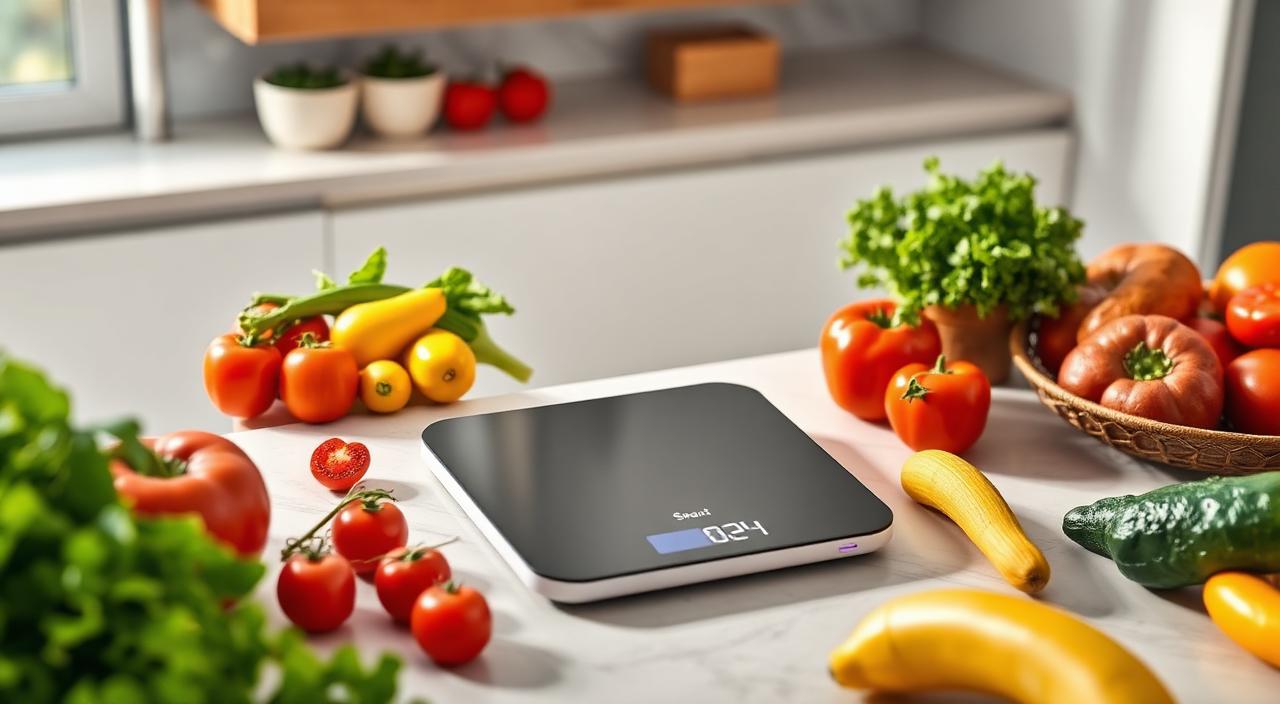
Why Your Smart Food Scale 2026 Might Be Working Against You
If you bought a smart food scale 2026 hoping it would transform your eating habits, you are not alone. Sales of connected kitchen scales have grown steadily, with brands like Etekcity, Greater Goods, and Withings releasing updated models this year. The idea is simple: weigh your food, track nutrients, and hit your goals. But here is the problem—many people use these devices incorrectly, and the scale itself can introduce errors that quietly undermine progress.
You might be weighing the wrong things, ignoring crucial settings, or relying on outdated food databases. The result? You think you are eating 500 calories, but it is actually 650. Over a week, that adds up to a pound of unintended weight gain or stalled fat loss. This article will show you exactly where your scale might be failing you and how to fix it.
For more information, see: smart food scale 2026 - Wikipedia.
For more information, see: USA.gov.
How Accurate Is Your Smart Food Scale 2026 Really
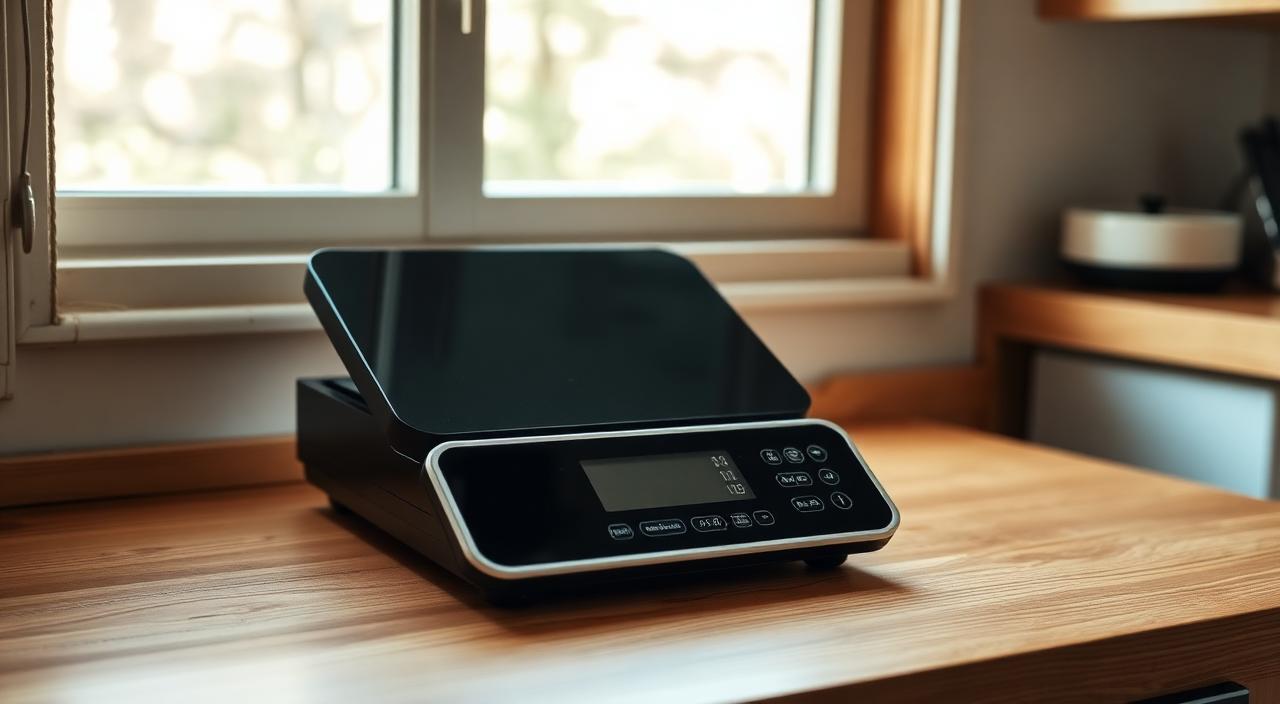
Accuracy varies significantly between models. The smart food scale 2026 from Etekcity, for example, claims precision to 1 gram, while the Withings Food Scale (last updated in 2024) offers similar specs. But real-world tests reveal that factors like surface level, battery charge, and even temperature can throw readings off by 5–10%.
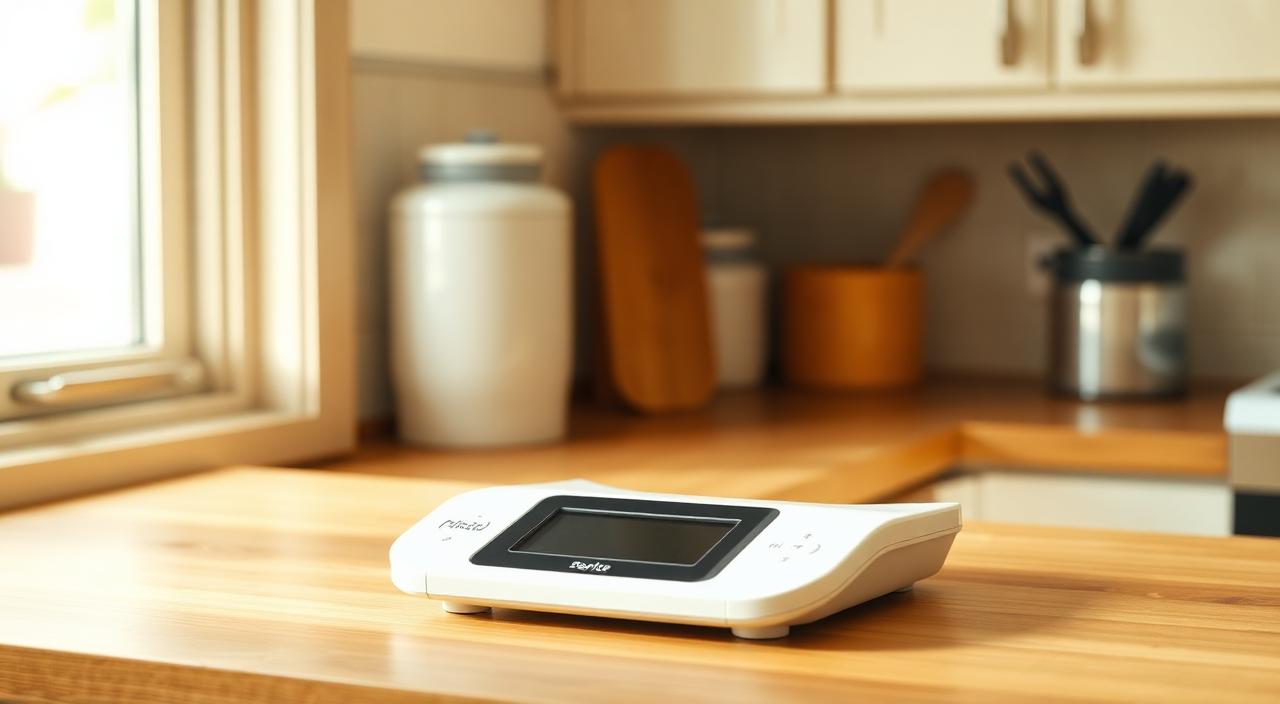
To get reliable measurements, always place your scale on a hard, flat surface—never on a cutting board or towel. Calibrate it if the manufacturer allows it. Most modern scales auto-calibrate, but it is worth checking the manual. If you notice inconsistent readings, replace the batteries or use the USB charging cable that came with the unit.
Read also: Mastering Mise en Place: 7 Steps to Zero Waste & No Delays
| Model | Accuracy | Price Range | Database Size |
|---|---|---|---|
| Etekcity Smart Food Scale (2026) | ±1 gram | $30–$40 | Over 500,000 foods |
| Greater Goods Smart Scale (2026) | ±2 grams | $25–$35 | Over 300,000 foods |
| Withings Food Scale (2024) | ±1 gram | $60–$80 | Over 800,000 foods |
Approximate prices as of 06/06/2026, subject to change. Check official sources for current values.
The Hidden Problem With Food Databases
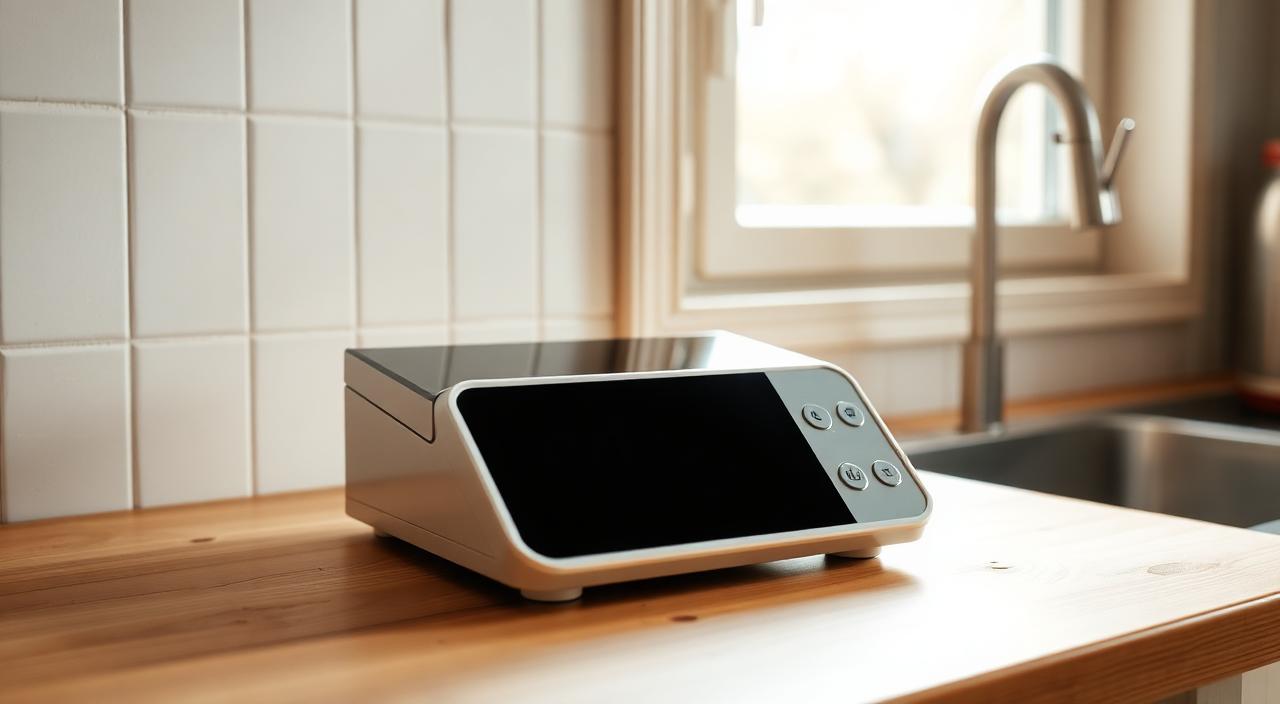
Your smart food scale 2026 relies on a built-in or companion app database to convert weight into calories and macros. But these databases are not always accurate, especially for fresh produce or homemade meals. For instance, an apple listed as 95 calories might actually be 120 depending on size and variety. The scale does not know the difference—it just multiplies weight by a generic value.
- Check entries manually: When logging a food, verify the calorie and macro values against a trusted source like the USDA National Nutrient Database.
- Use barcode scanning: Most smart scales now scan barcodes to pull official nutrition info. This is far more reliable than generic entries.
- Create custom foods: If you eat a meal regularly, enter its exact recipe once. This saves time and improves accuracy long-term.
Avoid assuming the database is correct. In May 2026, Etekcity released a firmware update that added AI-based meal logging for common Brazilian foods, but similar updates for US foods are still rolling out. Check your app store for the latest version.
Are You Weighing the Right Things
Another common mistake is weighing cooked food when the database assumes raw weights. Pasta, rice, and meat change weight dramatically during cooking due to water loss or absorption. A 4-ounce chicken breast raw becomes about 3 ounces cooked. If you log it as cooked but the entry is for raw, you could be underestimating calories by 25% or more.
See also: Your Sourdough Starter Maintenance Routine Might Be Overcomplicating Things
Here is a simple rule: Weigh raw ingredients before cooking whenever possible. Most food databases default to raw weights. If you must weigh cooked food, look for entries labeled "cooked" or "boiled." Your smart food scale 2026 can help here—some models let you toggle between raw and cooked modes.
- Weigh your protein raw, before seasoning or cooking.
- Weigh grains and pasta dry, then cook.
- For vegetables, raw is usually fine—but note that leafy greens like spinach shrink significantly.
Pro tip: Always use the tare function to zero out the container. This eliminates the weight of bowls, plates, or bags, giving you the net weight of the food only.
App Integration and Data Sync Issues
Your scale is only as good as the app it connects to. The Etekcity app works with Apple Health and Google Fit, while Withings syncs with its own Health Mate platform. But sync failures happen—especially if Bluetooth drops or the app crashes mid-log. A missed sync means you lose that meal's data, which can throw off your entire day's tracking.
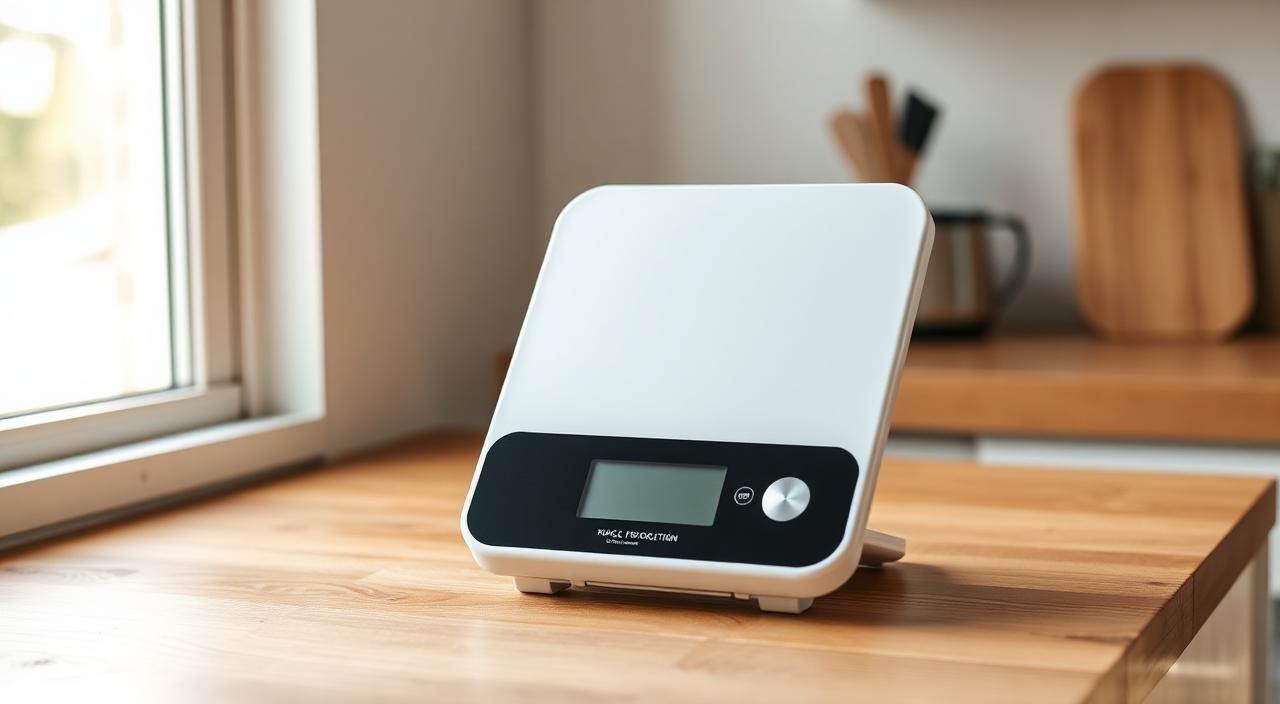
- Enable auto-sync: Most apps have a setting to sync every time you open them. Turn it on.
- Check manually after each use: Look at the app to confirm the data transferred before putting the scale away.
- Keep firmware updated: Both Etekcity and Greater Goods have pushed updates in 2026 that improve Bluetooth stability.
If you use multiple apps (MyFitnessPal, Cronometer, etc.), ensure your scale's app can export data properly. Withings and Etekcity both support third-party integrations, but you may need to reconnect them after major app updates.
Battery Life and Maintenance
A dying battery can cause erratic readings. The smart food scale 2026 from Greater Goods uses AAA batteries, while Etekcity's model has a rechargeable lithium-ion battery. If your scale starts showing inconsistent weights or fails to connect, replace or recharge the battery first. Dirty sensors or food debris under the weighing platform can also skew results. Wipe the surface with a damp cloth after each use, and avoid submerging the scale in water.
Check out: Quick One Pot Dinners: 7 Stress-Free Meals for Exhausted Chefs
Most manufacturers recommend recalibrating once a month if you use the scale daily. Check your model's support page for instructions—it usually involves pressing a button combination while placing a known weight (like a 100g calibration weight) on the platform.
FAQ
How do I know if my smart food scale 2026 is accurate? Place a known weight, like a 100g calibration weight or a sealed bag of sugar that lists its net weight, on the scale. If the reading deviates by more than 2 grams, recalibrate or contact support.
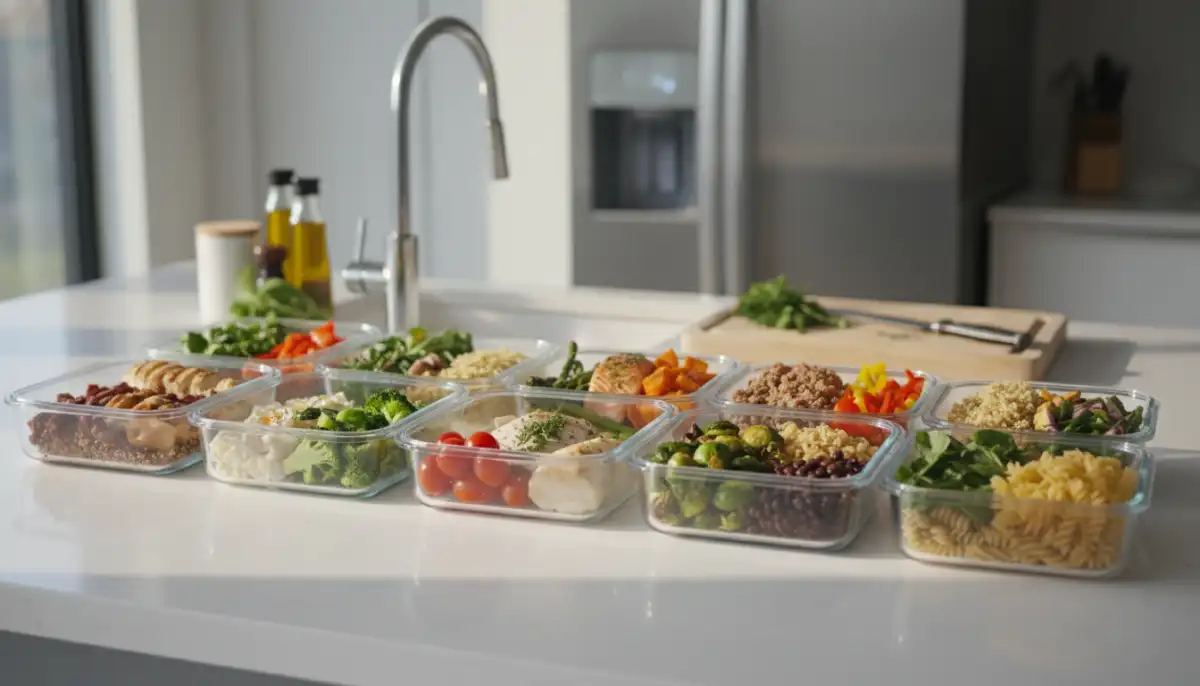
Can I use my smart food scale 2026 for meal prep? Yes, it is ideal for meal prep. Weigh ingredients before cooking, portion out meals into containers, and log everything at once. Many apps let you save recipes for future use.
Which smart food scale 2026 is best for budget-conscious buyers? The Greater Goods Smart Scale (2026) offers solid accuracy and a large database for around $25–$35. It is a great entry-level choice without sacrificing core features.
Conclusion
A smart food scale 2026 is a powerful tool, but it is not infallible. If you rely on it blindly, you risk inaccurate logging, missed data, and stalled progress. The good news is that small adjustments—checking database entries, weighing raw foods, keeping firmware updated, and maintaining the hardware—can dramatically improve your results.
- Always verify food database entries against official sources.
- Weigh raw ingredients before cooking for maximum accuracy.
- Keep your scale clean, calibrated, and fully charged.
- Confirm app sync after each use.
For more content, visit the homepage of Cooking Melt.
Your health goals deserve accurate data. Take control of your smart food scale 2026 today, and make it work for you—not against you. For more details on specific models, check the manufacturer's official website or read verified user reviews on trusted retail platforms.

0 Comentários: