 By
By 
Creating healthy, profitable functional beverages for a restaurant?
For over two decades in the culinary and beverage industry, I've witnessed countless trends come and go, but one shift has proven to be an enduring revolution: the demand for healthier, functional options. I've seen restaurants pour significant resources into their food menus, only to overlook the incredible potential, and often untapped profits, residing in their beverage programs.
Many restaurateurs find themselves at a crossroads. They recognize the burgeoning consumer interest in wellness and specific health benefits from their drinks, but struggle to translate this into a menu that is both genuinely appealing and consistently profitable. The challenge isn't just about mixing a few 'healthy' ingredients; it's about understanding the science, sourcing, marketing, and operational intricacies that differentiate a fleeting fad from a sustainable, high-margin offering.
In this definitive guide, I will share my accumulated wisdom and a proven framework for creating healthy, profitable functional beverages for a restaurant. We'll delve into everything from consumer psychology and ingredient selection to strategic pricing, operational efficiency, and compelling marketing, equipping you with actionable insights and frameworks to not just meet, but exceed, your customers' evolving expectations and significantly boost your bottom line.
Understanding the Modern Consumer: Beyond Just 'Healthy'
The term 'healthy' has evolved dramatically. Today's diners, especially those seeking functional beverages, are discerning. They look beyond low-calorie or sugar-free; they want specific benefits, transparent ingredients, and a connection to their overall wellness journey.
The Rise of the Wellness Warrior
I've observed a clear demographic shift towards what I call the 'wellness warrior' – individuals who actively seek out products that support their physical and mental well-being. They are informed, often researching ingredients and their purported benefits. For a restaurant, this means moving beyond simple fruit juices and offering beverages with a clear purpose.
- Immune Support: Drinks fortified with Vitamin C, zinc, elderberry, or ginger.
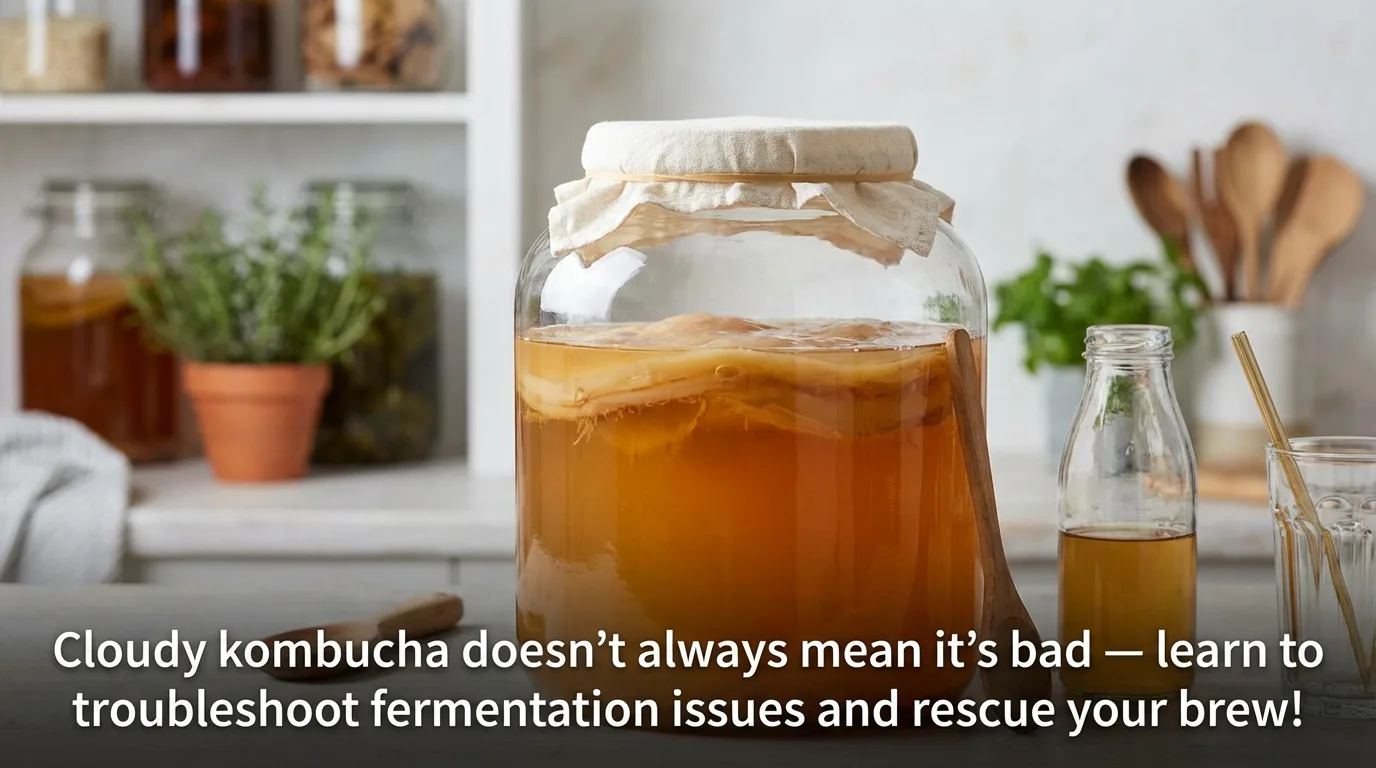
- Digestive Health: Probiotic-rich kombuchas, kefirs, or drinks with digestive enzymes.
- Energy & Focus: Natural caffeine sources like matcha, adaptogens like rhodiola or ginseng.
- Relaxation & Sleep: Herbal infusions, CBD-infused drinks (where legal), or L-theanine rich teas.
- Detox & Cleansing: Green juices, chlorophyll water, or activated charcoal drinks.
Demystifying Functional Ingredients
The key to success here is not just using these ingredients, but also educating your staff and, by extension, your customers. Transparency builds trust. If you're using spirulina, explain its benefits. If it's ashwagandha, share its adaptogenic properties.
"In my experience, the story behind an ingredient is often as powerful as the ingredient itself. Consumers crave knowledge and authenticity; give it to them."
This approach allows you to justify premium pricing and differentiate your offerings from generic alternatives. Remember, the modern consumer is willing to pay more for perceived value and tangible benefits.

The Art of Formulation: Balancing Health, Taste, and Appeal
Crafting a functional beverage that is both healthy and delicious is where true expertise shines. It's a delicate balance of science and artistry. A drink can boast incredible health benefits, but if it doesn't taste good, it won't sell.
Ingredient Selection: What Works and Why
When selecting ingredients, I always prioritize quality and efficacy. Look for organic, ethically sourced options where possible. Consider the synergy between ingredients – how they interact to enhance both flavor and function.
- Bases: Filtered water, coconut water, cold-pressed fruit/vegetable juices, unsweetened teas (green, herbal).
- Functional Boosters: Chia seeds, flax seeds, turmeric, ginger, spirulina, chlorella, maca, adaptogens (ashwagandha, reishi), probiotics.
- Sweeteners: Natural options like a touch of maple syrup, agave, stevia, monk fruit, or dates. Avoid high-fructose corn syrup entirely.
- Acidity Regulators: Lemon juice, lime juice, apple cider vinegar for flavor balance and preservation.
Flavor Profiles and Palatability
Taste is king. Even the most beneficial drink will fail if it's not enjoyable. Experiment with different combinations, aiming for balanced flavors that are refreshing and intriguing. Think about the mouthfeel, the aroma, and the aftertaste.
- Start with a Strong Base: A good quality juice or tea provides a solid foundation.
- Layer in Functional Ingredients: Introduce them incrementally, tasting at each stage to ensure they don't overpower.
- Balance Sweetness and Acidity: Use natural sweeteners sparingly and balance with citrus notes.
- Consider Texture: Ingredients like chia seeds can add an interesting texture; ensure it's pleasant.
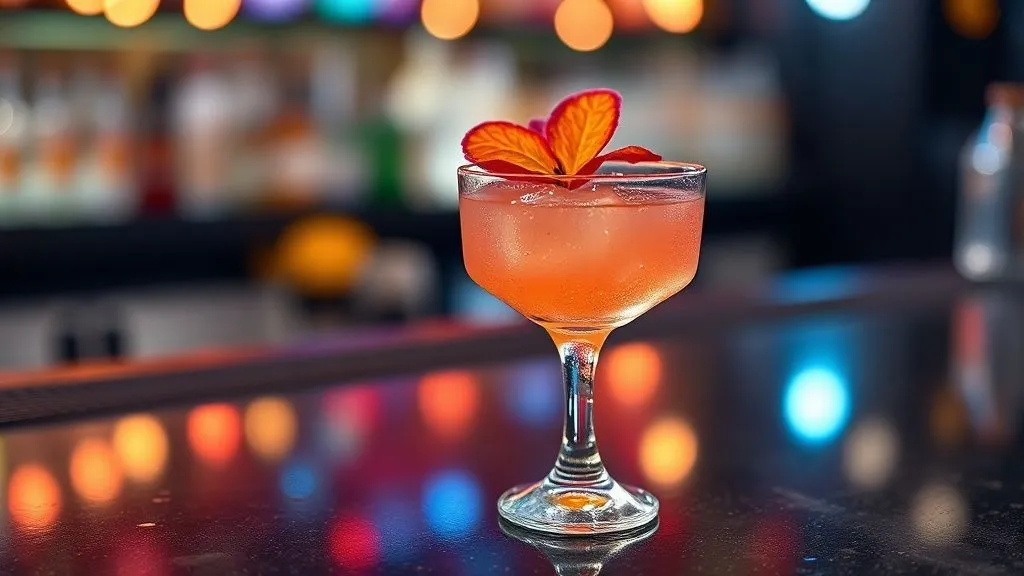
- Garnish for Appeal: Fresh herbs, fruit slices, or edible flowers elevate the visual experience.
Here's a quick look at some popular functional ingredients and their primary benefits:
| Ingredient | Primary Benefit | Flavor Profile | Best Paired With |
|---|---|---|---|
| Turmeric | Anti-inflammatory, antioxidant | Earthy, slightly bitter | Ginger, orange, coconut milk |
| Ginger | Digestive aid, anti-nausea | Spicy, pungent | Lemon, honey, apple |
| Matcha | Sustained energy, focus, antioxidants | Grassy, umami | Almond milk, vanilla, agave |
| Spirulina | Detoxification, protein, vitamins | Marine, slightly earthy | Pineapple, banana, mint |
| Ashwagandha | Stress reduction, adaptogen | Earthy, subtly bitter | Cacao, dates, nut milks |
Sourcing Smart: Quality, Cost, and Sustainability
The success of creating healthy, profitable functional beverages for a restaurant hinges significantly on your sourcing strategy. High-quality ingredients often come with a higher price tag, but smart sourcing can mitigate this, ensuring both quality and healthy margins.
Building Supplier Relationships
I cannot stress enough the importance of establishing strong, transparent relationships with your suppliers. This goes beyond just price negotiation; it's about reliability, quality assurance, and shared values. Seek out suppliers who understand the functional beverage market and can provide certifications for organic, non-GMO, or fair-trade ingredients.
Consider local farms for fresh produce when possible. This not only supports your local economy but also reduces your carbon footprint and provides a compelling story for your marketing efforts. Diversify your suppliers to ensure continuity and competitive pricing. For specialty ingredients, a good distributor who specializes in health and wellness products can be invaluable.
Cost-Benefit Analysis for Premium Ingredients
It's a common misconception that all premium ingredients will decimate your profit margins. While the upfront cost might be higher, consider the perceived value to the customer and the potential for increased sales and customer loyalty. A customer willing to pay $9 for a meticulously crafted, beneficial beverage is more valuable than one paying $3 for a generic soda.
Perform a thorough cost analysis for each ingredient, including wastage and shelf life. Can you buy in bulk? Are there seasonal ingredients that offer better value? Remember, the cost of goods sold (COGS) is critical, but so is the potential revenue and brand enhancement. Learn more about effective supply chain management strategies by exploring resources like Harvard Business Review's insights on supply chain optimization.
Case Study: How 'The Green Spoon' Optimized Sourcing
The Green Spoon, a mid-sized urban cafe, initially struggled with the high cost of organic functional beverage ingredients, leading to slim margins. By implementing a multi-pronged sourcing strategy, they turned the tide. First, they established direct relationships with two local organic farms for seasonal fruits and vegetables, negotiating bulk pricing. Second, for specialty items like adaptogens and specific teas, they partnered with a single, reputable wellness ingredient distributor, leveraging volume discounts across their entire product line. Finally, they cross-utilized ingredients between their food and beverage menus, reducing waste and increasing purchasing efficiency. This holistic approach reduced their COGS for functional beverages by 18% within six months, allowing them to maintain premium pricing while significantly increasing their profit margins.
Menu Engineering for Profitability: Pricing and Placement
Once you've perfected your healthy functional beverages, the next critical step is to strategically integrate them into your menu to maximize profitability. This involves more than just listing them; it's about presenting them in a way that entices customers and drives sales.
Strategic Pricing Models
Pricing functional beverages requires a careful balance. You need to cover your COGS, account for labor, and generate a healthy profit, all while remaining competitive and perceived as good value. Don't be afraid to price higher than traditional sodas or juices; the added value of health benefits justifies it.
- Value-Based Pricing: Price according to the perceived health benefits and premium ingredients. Customers expect to pay more for quality and functionality.
- Cost-Plus Pricing: Calculate your total cost per serving (ingredients, labor, overhead) and add a desired profit margin.
- Competitive Pricing: Research what similar establishments are charging, but don't blindly follow. Differentiate with your unique offerings.
- Tiered Pricing: Offer different sizes or 'add-on' boosters (e.g., a shot of spirulina for an extra $1.50) to cater to varying budgets and preferences.
Visual Merchandising and Descriptive Language
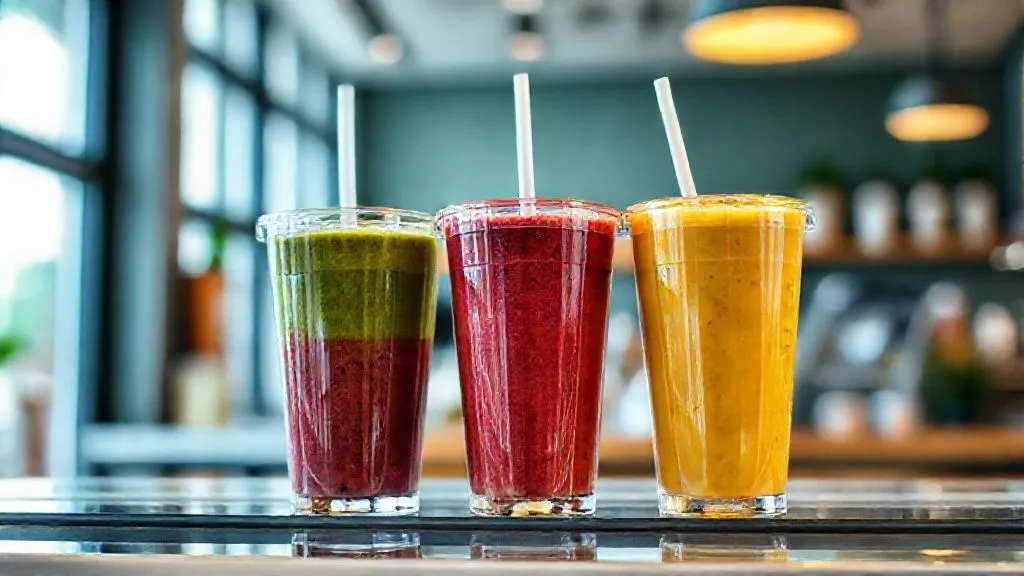
Your menu isn't just a list of items; it's a sales tool. Use descriptive language that highlights the benefits and unique ingredients of your functional beverages. Instead of 'Green Juice,' try 'Emerald Elixir: A revitalizing blend of organic kale, spinach, apple, and ginger, crafted to boost your daily vitality.'
Visual merchandising within the restaurant is equally important. Create attractive displays of fresh ingredients, perhaps a clear dispenser showcasing infused waters, or a vibrant menu board highlighting your daily specials. A picture truly is worth a thousand words – high-quality photography on your menu can significantly increase appeal.

Understanding consumer psychology in menu design can further enhance your sales. Resources like Forbes' insights on menu psychology offer valuable tips on placement, pricing, and description to guide customer choices.
Marketing Your Functional Beverage Program: Telling Your Story
Even the most perfectly formulated and priced functional beverage won't sell itself. Effective marketing is about telling a compelling story that resonates with your target audience and highlights the unique value proposition of your offerings.
In-Restaurant Promotion: Staff Training and Signage
Your staff are your frontline marketers. Invest in comprehensive training for your team on the ingredients, benefits, and flavor profiles of each functional beverage. They should be able to confidently answer questions and make personalized recommendations. Consider incentive programs for staff who upsell these specific drinks.
- Product Knowledge Sessions: Regular tastings and information sessions for all front-of-house staff.
- Benefit-Oriented Language: Train staff to describe drinks by their benefits (e.g., 'This will give you sustained energy without the jitters').
- Point-of-Sale Materials: Attractive table tents, posters, and digital menu boards clearly highlighting the functional beverages.
- Sampling: Offer small complimentary samples during off-peak hours to introduce new drinks.
Digital Engagement and Social Proof
In today's digital age, your online presence is paramount. Utilize your social media channels to showcase your vibrant drinks, highlight their ingredients, and share customer testimonials. Encourage user-generated content by creating a unique hashtag.
"Authenticity is your most powerful marketing tool. Show the fresh ingredients, the preparation, and the passionate people behind your functional beverages. This builds a deeper connection with your customer base."
Collaborate with local health influencers or nutritionists for reviews and promotions. Run targeted ads on platforms like Instagram and Facebook, focusing on demographics interested in health, wellness, and specific dietary preferences. Email marketing can also be highly effective for promoting new seasonal functional drinks or special offers.
Operational Excellence: Consistency and Efficiency
The best functional beverage program can falter without robust operational practices. Consistency in quality and efficient preparation are non-negotiable for customer satisfaction and profitability. I've seen many promising menus fail due to a lack of operational discipline.
Standardized Recipes and Training
Every functional beverage must have a standardized recipe that is followed precisely every time. This ensures consistency in taste, appearance, and, crucially, the functional benefits. Provide clear, easy-to-follow recipe cards and conduct regular training refreshers for your staff.
Invest in the right equipment – high-quality blenders, juicers, and storage solutions. Proper maintenance of this equipment is essential to prevent breakdowns and ensure hygienic operations. A well-organized beverage station, with all ingredients and tools readily accessible, will significantly speed up preparation times.
Inventory Management and Waste Reduction
Functional ingredients often have shorter shelf lives than conventional beverage components. Implementing a robust inventory management system is critical to minimize waste and control costs. Utilize a 'first-in, first-out' (FIFO) system for all perishable ingredients.
Regularly review sales data to forecast demand accurately and adjust your purchasing accordingly. Consider batch prepping certain ingredients (e.g., chopping ginger, juicing lemons) to reduce on-demand preparation time, but always balance this with maintaining freshness. Waste reduction directly impacts your profitability when creating healthy, profitable functional beverages for a restaurant.
Here's a checklist for operational efficiency:
| Task | Status | Notes |
|---|---|---|
| Standardized Recipe Cards | Implemented | Must be accessible at each station |
| Staff Training (Weekly Refreshers) | Ongoing | Focus on new menu items & ingredient benefits |
| FIFO Inventory System | Mandatory | Check perishables daily |
| Equipment Maintenance Schedule | Bi-Weekly | Clean juicers/blenders meticulously |
| Prep List Optimization | Daily | Batch prep high-volume ingredients |
| Sales Data Review for Forecasting | Weekly | Adjust purchasing based on trends |

Scaling and Innovation: Keeping Your Edge
The functional beverage market is dynamic, with new ingredients and health trends constantly emerging. To maintain your edge and ensure long-term profitability, continuous innovation and adaptability are key.
Monitoring Trends and Feedback
Stay informed about global health and wellness trends. Subscribe to industry publications, attend food and beverage expos, and follow leading nutritionists and food scientists. More importantly, listen to your customers. Solicit feedback through surveys, comment cards, and direct conversations. What are they looking for? What are their health goals? This direct input is invaluable for informing your innovation pipeline.
Analyze your sales data regularly. Which functional beverages are top sellers? Which are lagging? This data will guide your menu adjustments and new product development. Don't be afraid to discontinue underperforming items to make room for fresh ideas.
Seasonal Offerings and Limited Editions
Seasonal ingredients not only offer peak flavor and nutritional value but also provide a natural opportunity for innovation. Introduce seasonal functional beverages that utilize fresh, local produce. This creates excitement, encourages repeat visits, and allows you to experiment with new flavor combinations without committing to a permanent menu change.
Limited-edition 'wellness shots' or 'detox programs' can also generate buzz and drive sales. These short-term offerings create a sense of urgency and allow you to test market new concepts. For a deeper dive into current and future trends in the food and beverage industry, I highly recommend consulting reports from reputable sources like Statista's Food & Beverages market insights.

Frequently Asked Questions (FAQ)
How do I calculate the true cost of a functional beverage? The true cost goes beyond just ingredient cost. You must factor in labor (prep time, blending/juicing, serving), packaging (cups, lids, straws), and a portion of your overhead (rent, utilities). A detailed recipe costing sheet should include all these elements, plus an allowance for waste, to give you an accurate per-serving cost, allowing you to price for a healthy profit margin.
What are the legal considerations for health claims on functional beverages? This is crucial. In many regions, making specific health claims (e.g., 'cures X disease') without scientific backing and regulatory approval is illegal. Stick to general wellness benefits (e.g., 'supports digestion,' 'boosts vitality,' 'rich in antioxidants') and avoid medical claims. Always consult local food and beverage regulations and a legal expert if you plan to make specific claims. Transparency about ingredients, however, is always encouraged.
Can small restaurants compete with larger chains in this space? Absolutely, and often with an advantage! Smaller restaurants can offer a more authentic, personalized, and agile approach. You can source locally, tell a compelling story, and quickly adapt to customer feedback and new trends in ways larger chains cannot. Focus on quality, unique formulations, and exceptional customer service to carve out your niche. Your authenticity is your superpower.
How do I train my staff effectively to sell these drinks? Effective training involves both knowledge and enthusiasm. Conduct regular tasting sessions so staff genuinely understand and enjoy the products. Provide concise, easy-to-understand information about each ingredient's benefits. Role-play sales scenarios, focusing on how to recommend drinks based on a customer's stated needs or preferences. Empower them to be ambassadors for your wellness offerings.
What's the biggest mistake restaurants make with functional beverages? The biggest mistake I've observed is treating them as an afterthought or a temporary trend. They either compromise on quality to save costs, neglect proper marketing, or fail to train staff adequately. This leads to inconsistent products, poor sales, and ultimately, wasted effort. To succeed, functional beverages must be integrated into your core strategy with the same dedication as your food menu.
Key Takeaways and Final Thoughts
Creating healthy, profitable functional beverages for a restaurant isn't just about following a trend; it's about strategically responding to a fundamental shift in consumer values. By embracing this movement with intention and expertise, you can unlock significant new revenue streams and enhance your brand's reputation as a forward-thinking, health-conscious establishment.
- **Understand Your Customer:** Go beyond basic health claims; identify specific wellness needs.
- **Master Formulation:** Balance taste, function, and visual appeal with high-quality ingredients.
- **Source Smart:** Prioritize quality, build strong supplier relationships, and manage costs effectively.
- **Engineer Your Menu:** Price strategically and use compelling descriptions to drive sales.
- **Market Authentically:** Train your staff and leverage digital channels to tell your story.
- **Optimize Operations:** Ensure consistency and efficiency through standardized practices and smart inventory.
- **Innovate Continuously:** Stay ahead of trends and use feedback to evolve your offerings.
The journey to a thriving functional beverage program requires dedication, but the rewards—in terms of customer loyalty, increased revenue, and a stronger brand identity—are well worth the effort. Embrace the challenge, apply these proven strategies, and watch your restaurant flourish in the exciting world of wellness drinks. Your customers, and your bottom line, will thank you.
Recommended Reading
- 7 Proven Ways to Prevent Potency Loss in Dried Culinary Herbs
- Scaling Stir-Fries for Catering: 7 Pro Strategies to Prevent Soggy Results
- Mastering Vegan Umami: 7 Pro Techniques for Complex Flavor
- 7 Secrets to Varied Family Meal Prep: Sustain Without Burnout or Waste
- Beyond 5 Safe Foods: 7 Steps to Expand Your Picky Toddler's Repertoire
0 Comentários: