 By
By 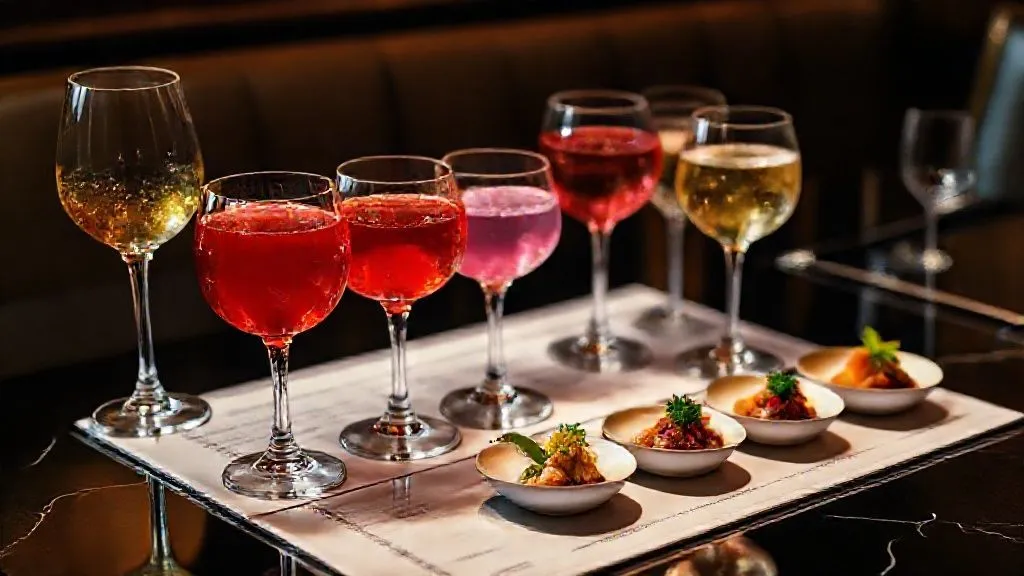
How to craft non-alcoholic pairings for exclusive tasting menus?
For over two decades in the 'Beverages Drinks' niche, specializing in beverage pairing for high-end culinary experiences, I've witnessed a profound transformation in guest expectations. There was a time when the non-alcoholic option meant little more than sparkling water or a basic fruit juice. But those days are long gone. The discerning diner of today, whether by choice or necessity, demands a sophisticated, thoughtful, and equally engaging alcohol-free journey to complement their exclusive tasting menu.
The problem I see countless establishments grapple with is the perception that non-alcoholic pairings are an afterthought, a simple substitution rather than an integral part of the gastronomic narrative. This oversight not only diminishes the guest experience but also leaves a significant gap in an establishment's ability to truly cater to all palates with equal reverence and creativity. It’s a missed opportunity to elevate the entire dining experience and showcase true culinary ingenuity.
In this definitive guide, I will share the frameworks, philosophies, and actionable steps I've honed over years of crafting bespoke beverage programs. You will learn not just *what* to pair, but *how* to think like a sommelier of zero-proof, creating non-alcoholic pairings for exclusive tasting menus that are as complex, balanced, and memorable as their alcoholic counterparts. Prepare to transform your approach and delight every guest.
The Evolving Palate: Why Non-Alcoholic Pairings Are Essential
The culinary landscape is in constant flux, driven by evolving consumer preferences and a heightened awareness of health and wellness. The rise of mindful drinking, sobriety movements, and a general shift towards healthier lifestyles means that a significant portion of your clientele is actively seeking exceptional non-alcoholic options. This isn't a niche request anymore; it's a mainstream expectation in high-end dining.
As Forbes recently highlighted, the non-alcoholic beverage market is experiencing explosive growth, reflecting a broader cultural shift. For an exclusive tasting menu, this translates into a direct imperative: to offer an alcohol-free pairing experience that is not merely acceptable but genuinely exciting and thoughtfully curated. Anything less risks alienating guests and falling behind competitors who are already embracing this trend wholeheartedly. It's about inclusivity, creativity, and ultimately, providing an unparalleled dining journey for everyone.
Deconstructing Flavor: Understanding the Core Principles of Pairing
Before we can craft exceptional non-alcoholic pairings, we must first understand the fundamental language of flavor. This is the bedrock of any successful pairing strategy, whether alcoholic or not. We're talking about the five basic tastes – sweet, sour, bitter, salty, and umami – but also the nuances of texture, temperature, aroma, and mouthfeel.
Identifying Flavor Profiles: Sweet, Sour, Bitter, Umami
Every dish, and every beverage, possesses a unique flavor fingerprint. Sweetness can soften harshness but needs balance; too much can cloy. Acidity (sourness) brightens, cuts through richness, and cleanses the palate. Bitterness adds complexity and can provide a structural backbone, but in excess, it can overwhelm. Saltiness enhances other flavors, while Umami provides depth and savory satisfaction. Understanding these interactions is the first step in creating harmony or exciting contrast.
The Art of Complement vs. Contrast
Pairing isn't just about matching; it's about creating a dialogue between food and drink. Do you want the beverage to complement the dish, echoing its flavors and enhancing its inherent characteristics? Or do you want it to contrast, introducing an opposing element that cleanses the palate, cuts richness, or provides a surprising counterpoint? A rich, fatty dish might demand a tart, acidic drink to cut through its unctuousness (contrast), while a delicate, floral dessert might sing with a subtly sweet, aromatic tea (complement).
“The most profound pairings aren't just about what tastes good together; they're about creating a balanced sensory experience where each element elevates the other, revealing new dimensions of flavor and enjoyment.”
Building Your Non-Alcoholic Arsenal: Beyond Water and Juice
The days of merely offering sparkling water or orange juice are long gone. To truly craft non-alcoholic pairings for exclusive tasting menus, you need a diverse and sophisticated arsenal of ingredients. Think of yourself as a liquid chef, layering flavors and textures to create complex, engaging beverages.
Infusions, Syrups, and Shrubs: Crafting Complex Bases
This is where the magic begins. Infusions allow you to extract subtle flavors from herbs (rosemary, thyme), spices (cardamom, star anise), fruits (citrus peel, berries), or even vegetables. Cold infusions often yield cleaner, brighter flavors. Syrups, beyond simple sugar, can be crafted from demerara, maple, agave, or infused with anything from ginger to lavender, providing sweetness and body. Shrubs, vinegar-based fruit syrups, offer a fantastic balance of sweetness and acidity, providing a sophisticated tang that mimics some wine characteristics.
Teas, Tisanes, and Fermented Delights
Don't underestimate the power of tea. High-quality teas, especially cold-brewed green, oolong, or even certain black teas, can offer incredible complexity, tannins, and aroma. Tisanes (herbal infusions) can range from floral chamomile to earthy rooibos, each with unique aromatic profiles. Furthermore, fermented beverages like kombucha, kefir, or house-made kvass introduce probiotics, effervescence, and a delightful funkiness that can stand up to robust dishes. Non-alcoholic spirits, while sometimes controversial, have also evolved significantly, offering a base for more traditional cocktail structures.

The Methodical Approach: A Step-by-Step Pairing Framework
Crafting non-alcoholic pairings for exclusive tasting menus requires a systematic approach, much like developing the dishes themselves. I've distilled my process into a three-step framework that ensures thoughtfulness and consistency.
Step 1: Analyze the Dish's Components (Flavor, Texture, Acidity)
Before even thinking about a drink, meticulously dissect the dish. What are its dominant flavors? Is it rich, light, spicy, earthy, acidic, umami-driven? Consider its texture: creamy, crispy, chewy, unctuous? What is the cooking method? Roasting will bring out different notes than poaching or searing. Identify the key aromatic compounds. For example, a seared scallop with a saffron emulsion and pea shoots presents a delicate, slightly sweet, subtly savory profile with a hint of bitterness from the saffron. This granular analysis is critical.
Step 2: Brainstorm Beverage Categories and Profiles
Once the dish is fully understood, begin brainstorming. If the dish is rich, you might need acidity to cut through it. If it’s delicate, a subtle, aromatic beverage would be better than an overpowering one. Consider the desired interaction: complement or contrast? For our scallop example, a light, acidic, perhaps slightly floral beverage would work – maybe a cold-brewed white tea infused with lemon verbena, or a delicate sparkling shrub made from honeydew and mint. Don't limit yourself; explore teas, infusions, shrubs, craft sodas, and even non-alcoholic spirits.
Step 3: Test, Refine, and Document
This is the iterative heart of the process. Prepare small portions of the dish and the potential beverages. Taste them together. How do they interact? Does the drink overwhelm the food, or vice-versa? Does it cleanse the palate? Does it enhance a specific flavor in the dish? Adjust ratios, add a pinch of salt, a dash of acidity, or a new aromatic. Document everything: the dish components, the beverage recipe, and your tasting notes. This documentation is invaluable for consistency and future menu development.
| Dish Profile | Challenge | Non-Alcoholic Pairing Strategy | Example Beverage |
|---|---|---|---|
| Rich, fatty, savory (e.g., Duck Confit) | Cut richness, provide balance | High acidity, subtle bitterness, effervescence | Sparkling Cranberry-Rosemary Shrub |
| Delicate, floral, slightly sweet (e.g., White Fish Ceviche) | Complement without overpowering | Light body, aromatic, gentle acidity | Cold-Brewed Jasmine Green Tea with Cucumber Essence |
| Earthy, umami-rich (e.g., Mushroom Risotto) | Match depth, enhance earthiness | Medium body, savory notes, hint of spice | Smoked Paprika & Tomato Leaf Infusion |
| Spicy, bold (e.g., Chili-Glazed Pork Belly) | Cool palate, provide contrast | Fruity, cooling, slightly sweet, effervescent | Ginger-Pineapple Switchel |
Presentation and Storytelling: Elevating the Guest Experience
The most exquisitely crafted non-alcoholic pairing can fall flat without proper presentation and a compelling narrative. In exclusive tasting menus, the visual and intellectual engagement are just as important as the taste itself. This is where you transform a drink into an experience.
The Visual Appeal: Garnishes and Glassware
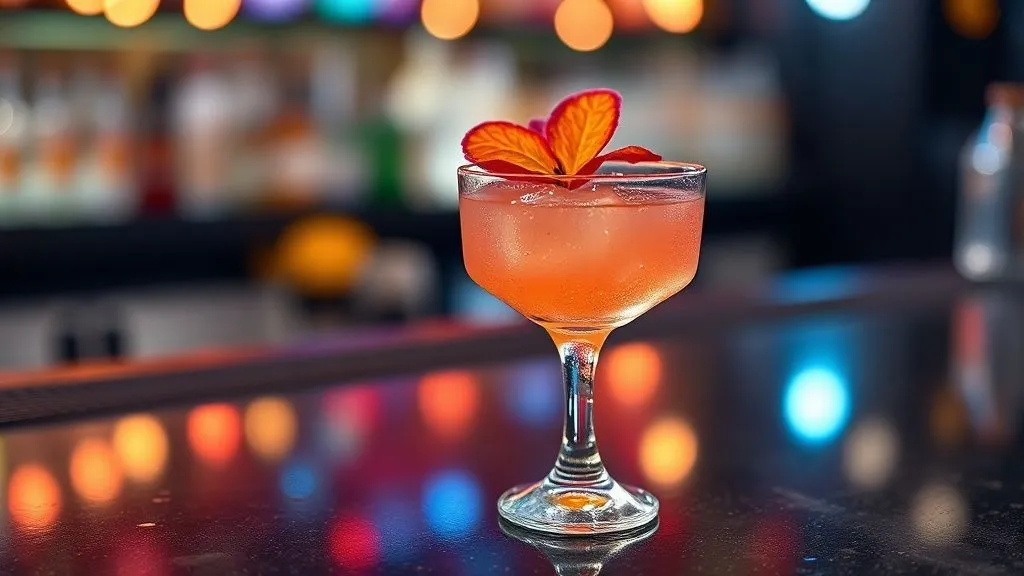
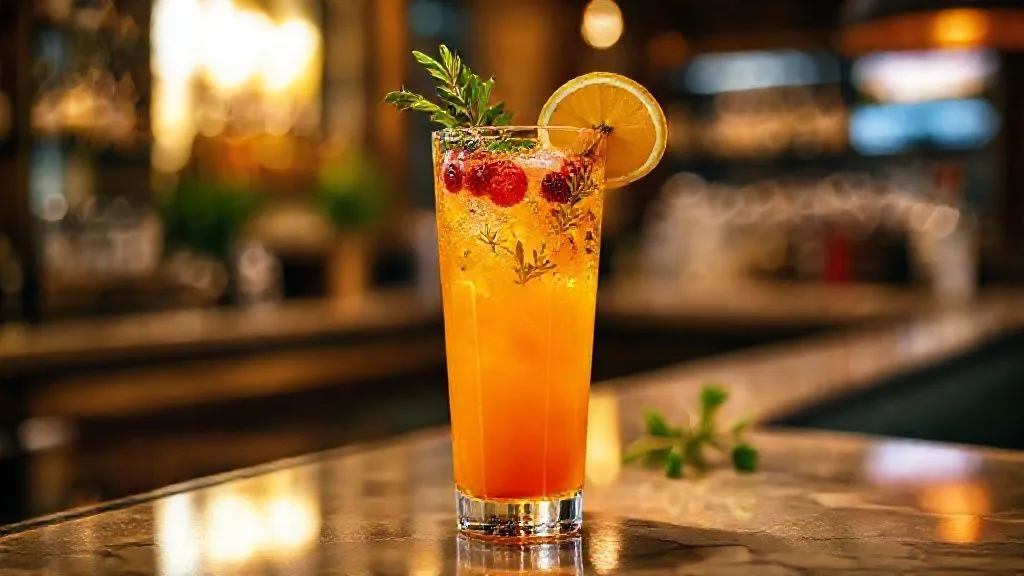
Think beyond a simple lemon wedge. Garnishes should be thoughtful, edible, and visually stunning. Consider dehydrated fruit slices, intricate herb sprigs, edible flowers, or even custom ice cubes infused with flavors or botanicals. The choice of glassware is also paramount; use elegant stemware, unique coupes, or sophisticated highball glasses that elevate the perception of the drink. A beautifully presented drink signals care, creativity, and attention to detail, matching the artistry of the food.
Narrating the Pairing: Educating and Engaging
Your service staff are crucial storytellers. They must be educated on each non-alcoholic pairing: its ingredients, its creation process, and, most importantly, *why* it pairs with the specific dish. Explaining how the tartness of a shrub cuts through the richness of a dish, or how the smoky notes of an infused tea echo the char on a protein, engages the guest on a deeper level. This narrative transforms a simple drink into a conversation piece, enhancing the perceived value and the overall enjoyment of the tasting menu. As research from Harvard Business Review suggests, emotional engagement drives loyalty and satisfaction.

Overcoming Challenges: Common Pitfalls and Expert Solutions
Even with a solid framework, challenges will inevitably arise when you craft non-alcoholic pairings for exclusive tasting menus. I've encountered many over the years, and here are some common pitfalls and my go-to solutions.
Balancing Sweetness: Avoiding Overtly Sugary Drinks
One of the most frequent complaints about non-alcoholic options is their excessive sweetness. This can quickly fatigue the palate and make a drink feel childish rather than sophisticated. The solution lies in a multi-pronged approach: utilize acidity (citrus, vinegar, verjus), bitterness (tonic water, cinchona bark, certain teas), and even a touch of salt or spice (ginger, chili) to create balance. Think of sweetness as a component, not the dominant flavor. A well-balanced non-alcoholic beverage should rarely be overtly sweet unless it's specifically designed for a dessert course.
The 'Watery' Dilemma: Adding Body and Depth
Another common issue is drinks that feel thin or watery, lacking the body and structure that alcohol often provides. To combat this, consider ingredients that naturally add viscosity or richness. This could include fruit purées, vegetable juices (like beet or carrot), gum Arabic, or even a very small amount of high-quality vegetable glycerin for mouthfeel. For depth, explore smoked ingredients (tea, spices), aged vinegars, or complex infusions that build layers of flavor over time. Think about introducing savory elements to ground the drink.
Case Study: The "Botanical Symphony" Menu
A few years ago, I consulted for "The Verdant Table," a Michelin-starred restaurant struggling with their non-alcoholic program. Their tasting menu featured a rich, pan-seared foie gras with fig jam. Their initial non-alcoholic pairing was a simple grape juice spritzer, which was universally panned as too sweet and thin. By applying the principles of contrast and complexity, we developed a Smoked Pear & Verjus Shrub. The smoky notes echoed the sear on the foie, the verjus provided crucial acidity to cut through the richness, and the pear offered a subtle sweetness that harmonized with the fig. This pairing not only elevated the dish but also demonstrated that a non-alcoholic option could be just as thoughtful and impactful as a wine pairing, significantly boosting guest satisfaction and positive reviews for their non-alcoholic offerings.
Sourcing and Sustainability: Responsible Beverage Curation
In today's culinary world, the narrative of a dish or drink extends beyond its taste to its origins and environmental impact. For exclusive tasting menus, responsible sourcing and sustainability are not just ethical choices but also powerful differentiators that resonate deeply with guests.
When curating your non-alcoholic beverage program, prioritize local and seasonal ingredients. Forge relationships with local farmers for fresh fruits, herbs, and even unique vegetables for infusions. Explore small-batch producers for craft sodas, kombuchas, or specialty teas. This not only ensures freshness and supports local economies but also provides a unique story for your staff to share with guests. Minimize waste by utilizing fruit peels for oleo saccharum, herb stems for infusions, or repurposing spent ingredients. As UNEP reports on food waste, every effort towards sustainability contributes to a larger global impact, and guests at high-end establishments are increasingly aware of these practices.

Frequently Asked Questions (FAQ)
How do I price non-alcoholic pairings competitively for a tasting menu? Pricing should reflect the creativity, complexity, and premium ingredients involved, not just the absence of alcohol. Consider the labor, unique components, and the elevated experience provided. Often, a non-alcoholic pairing menu can be priced at 50-70% of the alcoholic wine pairing, depending on your cost of goods and perceived value. Transparently communicate the craft behind each drink.
What about non-alcoholic spirits? Are they worth incorporating into an exclusive menu? Non-alcoholic spirits have come a long way. While some purists remain skeptical, many brands now offer sophisticated flavor profiles that can provide excellent bases for complex mocktails, mimicking the structure of traditional cocktails. They can be a valuable tool for replicating familiar flavor profiles (e.g., gin botanicals) and adding depth, but always taste them critically and ensure they genuinely enhance the pairing, rather than just filling a void.
How do I train my staff to confidently present these pairings? Comprehensive training is key. Conduct regular tasting sessions where staff can experience the pairings with the dishes. Educate them on the ingredients, the flavor profiles, and the specific rationale behind each pairing. Empower them with compelling narratives to share with guests, ensuring they understand the 'why' as much as the 'what'. Role-playing service scenarios can also build confidence.
Can I adapt these principles for more casual dining experiences? Absolutely. While the level of complexity and bespoke crafting might be scaled down for casual settings, the core principles remain the same: understand the dish, analyze flavor interactions, and strive for balance and thoughtful pairing. Even a simple, house-made iced tea can be elevated with a unique infusion or a touch of a special syrup if approached with these principles in mind.
What are some common ingredients or approaches to avoid when crafting non-alcoholic pairings? Avoid excessive reliance on pre-made juices or sodas, which often contain high sugar levels and artificial flavors. Steer clear of overly sweet or one-dimensional drinks that don't evolve on the palate. Also, avoid creating drinks that are merely "de-alcoholized" versions of cocktails; instead, focus on crafting unique beverages that stand on their own merit and complement the food naturally.
Key Takeaways and Final Thoughts
- Embrace the Shift: Non-alcoholic pairings are no longer an afterthought but a vital component of an inclusive, high-end dining experience.
- Master Flavor Fundamentals: Deeply understand taste interactions, textures, and aromas to create harmonious or contrasting pairings.
- Build a Diverse Arsenal: Go beyond basics, utilizing infusions, shrubs, craft teas, and fermented beverages for complexity.
- Follow a Methodical Framework: Systematically analyze dishes, brainstorm solutions, and rigorously test and refine pairings.
- Elevate with Presentation & Storytelling: Visual appeal and a compelling narrative are crucial for guest engagement and perceived value.
- Address Challenges Head-On: Combat common issues like excessive sweetness and lack of body with thoughtful, expert solutions.
- Prioritize Sourcing & Sustainability: Align your beverage program with ethical and environmental values, enhancing your brand's narrative.
Crafting non-alcoholic pairings for exclusive tasting menus is an art form, a testament to culinary ingenuity, and a profound commitment to inclusivity. It challenges us to think differently, to explore new flavor frontiers, and to elevate the dining experience for every single guest. By embracing these principles, you're not just offering an alternative; you're creating an equally compelling and memorable journey that resonates deeply with the evolving palate of today's discerning diner. The future of fine dining is inclusive, and your non-alcoholic program is at its heart.
Recommended Reading
- Zero-Prep Gourmet: 5 Steps to One-Pot Slow Cooker Mastery?
- Uncork the Secret: How to Prevent Oxidation in Your Aging Homemade Wine
- 7 Urgent Strategies: Kids' Healthy School Lunches Solved Now
- The Chef's Secret: How to Make Clear, Flavorful Stocks Consistently
- High-Stakes Dinners: How to Grill Fish That Impresses Every Time
0 Comentários: