 By
By 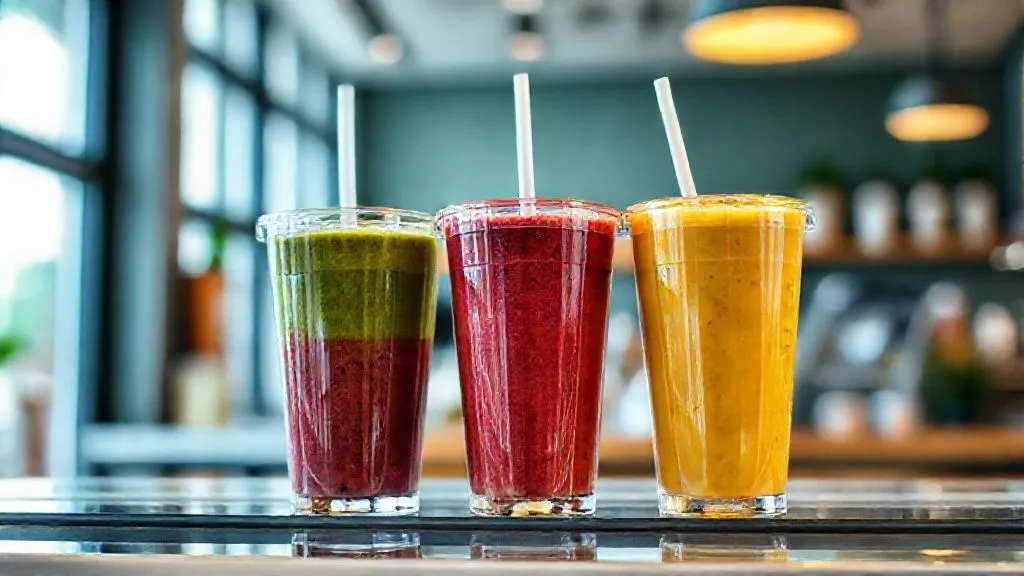
How to Prevent Rapid Smoothie Separation for High-Volume Grab-and-Go?
For over 15 years in the bustling world of high-volume beverage production, I've seen countless cafes, juice bars, and even large-scale catering operations grapple with a seemingly simple yet profoundly frustrating challenge: rapid smoothie separation. It’s the silent killer of customer satisfaction and perceived quality, turning a vibrant, appealing drink into a sad, unappetizing two-layer concoction before it even leaves the fridge. This isn't just an aesthetic issue; it speaks directly to freshness, quality, and your brand's reputation.
The pain point is palpable. Imagine a customer grabbing a beautiful, freshly made smoothie, only to find a watery layer at the bottom and a thick, congealed layer on top just an hour later. It screams 'old' or 'poorly made,' regardless of when it was actually prepared. For businesses relying on grab-and-go sales, where visual appeal and perceived freshness are paramount, this rapid separation can lead to wasted product, lost sales, and a significant hit to customer loyalty.
But fear not! Through years of trial, error, and deep dives into food science, I've developed a comprehensive framework to tackle this very problem. In this definitive guide, I'll share my hard-won expertise, breaking down the science behind separation, revealing the secret ingredients that act as natural stabilizers, and outlining the precise techniques you need to implement. You’ll learn not just what to do, but *why* it works, empowering you to create consistently stable, visually appealing, and delicious smoothies that stand the test of time, even in a high-volume grab-and-go environment. Let's make smoothie separation a thing of the past!
Understanding the Enemy: What Causes Smoothie Separation?
Before we can prevent rapid smoothie separation for high-volume grab-and-go, we must first understand its root causes. Separation isn't random; it's a predictable outcome of fundamental food science principles. Think of your smoothie as a complex mini-ecosystem, a delicate balance of liquids, solids, and air.
The Science of Emulsions and Suspensions
At its core, a smoothie is a combination of an emulsion and a suspension. An emulsion is a mixture of two immiscible liquids (like oil and water) where one is dispersed in the other, often stabilized by an emulsifying agent. Think mayonnaise. A suspension, on the other hand, is a heterogeneous mixture where solid particles are dispersed in a liquid and can eventually settle out. Think muddy water. Most smoothies are a blend of both, with fruit pulp, seeds, and protein powders suspended in a liquid base, often with fats from nuts or avocados forming an emulsion.
Separation occurs when these suspended particles or emulsified droplets, due to differences in density and the absence of sufficient stabilizing forces, begin to coalesce or settle. Gravity is the primary antagonist here, relentlessly pulling denser particles downwards and allowing lighter liquids to rise. This is why you often see a clear liquid layer at the bottom and a thicker, denser layer on top.
Common Culprits: Water Content, Fiber, and Protein
Several factors exacerbate this natural tendency towards separation:
- High Water Content: Recipes heavy on water-rich fruits (like watermelon, cucumber) or excessive added liquid (water, certain juices) dilute the mixture, making it harder for solids to remain suspended.
- Low Fiber/Pulp: Fiber acts as a natural scaffolding, trapping water and suspended particles. Smoothies lacking sufficient fibrous ingredients are inherently less stable.
- Inadequate Protein or Fat: Proteins and certain fats can contribute to viscosity and act as emulsifiers, helping to bind the mixture. A lack of these can lead to quicker breakdown.
- Poor Blending Technique: Insufficient blending or incorrect layering can result in an inconsistent particle size, leading to faster settling.
- Temperature Fluctuations: While cold helps preserve, dramatic temperature changes can affect the viscosity and stability of ingredients.
Case Study: The 'Sunrise Cafe' Separation Struggle
Sunrise Cafe, a popular urban spot, was renowned for its vibrant smoothie menu. However, their grab-and-go offerings were plagued by rapid separation, leading to customer complaints and significant product waste. Their 'Tropical Sunshine' smoothie, a blend of pineapple, mango, and coconut water, consistently separated within an hour. The root cause? High water content from the coconut water and fruits, combined with insufficient fibrous stabilizers and a blending process that didn't fully emulsify the ingredients. By introducing a small amount of pre-soaked chia seeds and blending for an additional 30 seconds at high speed, they saw a dramatic improvement in stability, extending shelf life and reducing waste by 25%.
The Core Strategy: Ingredient Selection for Stability
The journey to prevent rapid smoothie separation for high-volume grab-and-go begins with thoughtful ingredient selection. This is where you lay the foundation for a stable product. My experience has shown that certain ingredients are natural allies in this battle, offering viscosity, emulsification, and suspension properties.
Fiber-Rich Stabilizers: Bananas, Avocados, and Chia Seeds
These ingredients are your first line of defense:
- Bananas: Ripe bananas are excellent natural thickeners. Their pectin content and creamy texture contribute significantly to mouthfeel and stability. Use frozen bananas for an even thicker, colder blend.
- Avocados: The healthy fats in avocados are fantastic natural emulsifiers. They create a smooth, creamy texture and help bind liquids and solids, preventing separation. A quarter to half an avocado can make a huge difference without overpowering the flavor.
- Chia Seeds & Flax Seeds: These are superstar hydrocolloids. When soaked, they form a gel that dramatically increases viscosity and acts as a binder, holding everything in suspension. Pre-soaking them for 10-15 minutes before blending is key to maximizing their stabilizing power.
Protein Powerhouses: Yogurt, Protein Powder, and Silken Tofu
Proteins don't just add nutritional value; they can significantly improve smoothie stability:
- Greek Yogurt/Skyr: The thick, creamy texture and high protein content of Greek yogurt or skyr naturally add viscosity and body, helping to prevent settling. The natural gums in dairy also contribute to stability.
- Protein Powder: Many protein powders (whey, casein, pea protein) act as emulsifiers and thickeners. Casein, in particular, is known for its slow digestion and ability to create a thick, stable texture. Experiment with different types to find what works best for your flavor profile and desired consistency.
- Silken Tofu: A neutral-flavored, high-protein option that adds incredible creaminess and stability without altering the taste. It's an excellent choice for vegan or dairy-free options.
Emulsifying Fats: Nut Butters and Coconut Cream
Fats, in moderation, are crucial for creating stable emulsions:
- Nut Butters (Almond, Peanut, Cashew): The natural oils and finely ground nuts in nut butters are excellent emulsifiers. They add richness, flavor, and a smooth texture that resists separation.
- Coconut Cream: Similar to nut butters, coconut cream (the thick part from a can of full-fat coconut milk) provides healthy fats that contribute to a stable, creamy emulsion, especially in tropical or dairy-free recipes.

Mastering the Blend: Techniques for a Homogeneous Mix
Even with the right ingredients, poor blending technique can undermine all your efforts to prevent rapid smoothie separation for high-volume grab-and-go. The goal is to achieve a truly homogeneous mixture with consistent particle size and thorough emulsification.
The Layering Method: Order Matters
The order in which you add ingredients to your blender is not trivial; it's a science. I've found that this specific layering method consistently yields the best results:
- Liquids First: Always start with your liquids (water, juice, milk, yogurt). This creates a vortex that pulls solids down towards the blades efficiently.
- Soft Ingredients: Next, add soft fruits and vegetables (spinach, berries, ripe banana).
- Powders/Seeds: Add protein powder, chia seeds, flax seeds, or other dry thickeners on top of the soft ingredients. This helps prevent them from sticking to the bottom or sides of the blender.
- Hard/Frozen Ingredients: Finally, add your hardest ingredients, like ice, frozen fruits, or fibrous vegetables (carrots, kale stems). These will get chopped up by the spinning blades and then pushed down into the liquid base.
High-Powered Blending: Speed and Duration
A high-quality, high-powered blender is an indispensable tool for achieving stable smoothies, especially in a high-volume setting. Consumer-grade blenders often struggle to create the fine particle size and thorough emulsification needed.
- Start Low, Go High: Begin blending on a low speed to break down larger chunks, then gradually increase to high speed. This prevents cavitation (air pockets forming around the blades) and ensures even processing.
- Blend Longer, Not Just Harder: Don't stop as soon as it looks smooth. Blend for an additional 30-60 seconds on high. This extra time allows for maximum breakdown of fibers, thorough mixing of liquids and solids, and proper emulsification of fats, significantly reducing the likelihood of separation.
- Use the Tamper: If your blender has one, use the tamper to push ingredients down towards the blades. This is far more effective than adding more liquid, which can dilute your smoothie and increase separation.
| Ingredient Type | Impact on Stability | Best Practices |
|---|---|---|
| Liquid Base | Initial vortex, emulsification medium | Add first, ensure adequate volume |
| Soft Fruits/Veggies | Texture, flavor, some fiber | Add after liquids, blend thoroughly |
| Protein/Thickeners | Viscosity, emulsion, nutrient density | Add mid-blend, ensure even dispersion |
| Frozen Fruits/Ice | Chilling, thickening (when blended finely) | Add last, high-speed blend to pulverize |
The Role of Temperature and Storage in Grab-and-Go
Even a perfectly blended smoothie can fall victim to improper temperature management and storage. For high-volume grab-and-go operations, controlling the cold chain is crucial to prevent rapid smoothie separation and maintain quality.
Pre-Chilling Ingredients: A Game Changer
This is a simple yet often overlooked step that can drastically improve stability. Start cold, stay cold:
- Frozen Fruits & Vegetables: Maximize your use of frozen produce. Not only does it eliminate the need for ice (which can dilute your smoothie), but it also keeps the smoothie colder for longer, slowing down the natural settling process.
- Refrigerated Liquids: Ensure all your liquid bases (milk, juice, yogurt, water) are thoroughly chilled before blending.
- Chill Your Blender Pitcher: In high-volume settings, consider pre-chilling your blender pitchers. A cold pitcher helps maintain a lower temperature throughout the blending process.
Optimal Container Design and Filling
The container itself plays a subtle but important role:
- Air-Tight Seals: Use containers with tight-fitting lids. Exposure to air can lead to oxidation and slight changes in consistency over time.
- Fill to the Top: Minimize headspace in your containers. Less air means less oxidation and less room for ingredients to slosh and separate during transport.
- Material Matters: While largely aesthetic, clear containers allow customers to see the unseparated beauty of your product, reinforcing freshness.
Cold Chain Management for Extended Shelf Life
Maintaining a consistent cold temperature is non-negotiable for grab-and-go smoothies:
- Rapid Cooling: After blending, if your smoothie isn't already ice-cold, cool it rapidly. Blast chilling can be beneficial for large batches.
- Refrigerated Display: Store smoothies in a consistently cold refrigerated display unit (ideally 35-40°F or 1-4°C). Avoid placing them near warm lights or in areas prone to temperature fluctuations.
- Rotation: Implement a strict 'first-in, first-out' (FIFO) system to ensure smoothies are sold within their optimal window of freshness and stability. While we're aiming for longer stability, freshness is always key.

Natural Stabilizers and Thickeners: Beyond the Basics
While bananas and avocados are great, sometimes you need a little extra help to prevent rapid smoothie separation for high-volume grab-and-go. This is where natural hydrocolloids and gelling agents come into play, offering powerful stabilizing properties without altering flavor.
Hydrocolloids: Xanthan Gum and Guar Gum
These are food additives derived from natural sources, widely used in the food industry for their thickening and stabilizing properties. They are effective in tiny amounts:
- Xanthan Gum: A powerful thickener and emulsifier. It prevents ingredients from settling by increasing the viscosity of the liquid phase. Use sparingly (e.g., 1/8 to 1/4 teaspoon per large batch of smoothies) as too much can create a slimy texture. It disperses best when blended into liquids with a high-speed blender. According to a study published in the Journal of Food Hydrocolloids, xanthan gum effectively reduces particle sedimentation in beverages.
- Guar Gum: Similar to xanthan gum, guar gum is a natural thickening agent derived from guar beans. It's often used in combination with xanthan gum for synergistic effects. Start with small amounts (e.g., 1/8 to 1/4 teaspoon) and adjust as needed.
Pectin and Agar-Agar: Unsung Heroes
These gelling agents can also contribute to smoothie stability:
- Pectin: Naturally found in fruits, pectin is a soluble fiber that forms a gel in the presence of acid and sugar. While you won't be making jam, adding fruits high in pectin (like apples, citrus peel, or even a small amount of commercially available pectin powder) can subtly enhance the gelling matrix of your smoothie, contributing to stability.
- Agar-Agar: A vegan gelatin substitute derived from seaweed. While typically used for firmer gels, a very tiny amount (e.g., a pinch) can be used to add a barely perceptible structure to the liquid phase, helping to keep solids suspended. It usually requires heating to dissolve, so it's more suitable for base liquid prep rather than direct addition to a cold blend.
"In my experience, the judicious use of a tiny amount of a neutral hydrocolloid like xanthan gum isn't 'cheating'; it's smart food science. When used correctly, it elevates the entire grab-and-go experience by ensuring visual consistency, which directly translates to perceived quality and freshness for your customer. It’s about meeting expectations, every single time." - Expert Industry Specialist
Batching and Prep: Efficiency for High-Volume Operations
Optimizing your batching and preparation processes is paramount for high-volume operations seeking to prevent rapid smoothie separation for high-volume grab-and-go. Efficiency goes hand-in-hand with consistency and stability.
Standardizing Recipes for Consistency
Consistency is key. Any variation in ingredients or quantities can lead to unpredictable results in terms of stability:
- Precise Measurements: Move beyond 'a handful' or 'a splash.' Use gram scales for solids and accurate liquid measures. This ensures every batch is identical.
- Recipe Cards: Develop detailed, easy-to-follow recipe cards for each smoothie, including ingredient weights, blending order, and blending times.
- Ingredient Prep: Pre-portion non-frozen ingredients into individual bags or containers for quick assembly. For example, pre-weigh spinach, protein powder, and chia seeds for each recipe.
Equipment Considerations: Industrial Blenders
For high-volume production, commercial-grade blenders are an investment that pays dividends:
- Power and Durability: Industrial blenders offer superior motor power and blade design, capable of pulverizing ingredients to a much finer consistency and creating a more stable emulsion than home blenders. Brands like Vitamix Commercial or Blendtec are industry standards.
- Larger Capacity: Opt for blenders with larger pitcher capacities to handle bigger batches, reducing the number of blending cycles needed.
- Noise Reduction: Consider models with noise reduction enclosures, especially if your blending station is near customer areas.
| Workflow Step | Action | Benefit |
|---|---|---|
| Ingredient Pre-prep | Weigh and portion all non-frozen ingredients into individual bags/containers. | Reduces blending time, ensures recipe accuracy. |
| Liquid Chilling | Ensure all liquid bases are pre-chilled to 35-40°F (1-4°C). | Maintains cold chain, slows separation. |
| Batch Blending | Follow precise layering method; blend for 60-90 seconds on high. | Optimal particle size, thorough emulsification. |
| Rapid Filling & Sealing | Immediately fill pre-chilled grab-and-go containers, minimizing headspace, and seal tightly. | Prevents oxidation, maintains temperature. |
| Cold Storage | Transfer immediately to refrigerated display at 35-40°F (1-4°C); implement FIFO. | Extends stability, ensures freshness. |

Quality Control and Troubleshooting Common Issues
Even with the best practices, occasional issues can arise. A robust quality control process is essential to consistently prevent rapid smoothie separation for high-volume grab-and-go and adapt to real-world variables.
Visual Inspection and Taste Testing Protocols
Your eyes and taste buds are your first line of defense:
- Regular Visual Checks: Periodically check stored smoothies for signs of separation. Establish a visual standard for acceptable separation (e.g., no more than X mm of clear liquid after Y hours).
- Taste Test Batches: Conduct daily taste tests of freshly made and stored smoothies. This helps identify subtle changes in flavor or texture that might indicate an underlying stability issue.
- Staff Training: Train all staff involved in smoothie production and sales to identify and report separation issues immediately. Empower them to pull problematic products from the display.
Adjusting for Seasonal Ingredient Variations
Nature isn't always consistent, and neither are your ingredients:
- Fruit Ripeness: The ripeness of fruits significantly impacts their sugar content, water content, and pectin levels. Overly ripe fruits can be softer and release more liquid, while under-ripe fruits might be too fibrous. Adjust your recipes slightly based on the ripeness of incoming produce. For instance, if bananas are less ripe, you might need a touch more liquid or a longer blend time.
- Water Content of Produce: Some produce, like spinach or cucumber, can vary in water content depending on the season or growing conditions. Be prepared to slightly adjust your liquid base to maintain optimal viscosity.
- Supplier Communication: Maintain open communication with your produce suppliers. Understanding their harvest cycles and potential variations can help you anticipate and adjust your recipes proactively. As Forbes often highlights in articles on supply chain management, strong supplier relationships are key to consistent product quality.
Frequently Asked Questions (FAQ)
Question: How long can I expect a perfectly stable smoothie to last in a grab-and-go fridge without separation? With the right ingredients and techniques, you should aim for 6-8 hours of minimal to no visible separation. Some well-formulated recipes, especially those utilizing hydrocolloids and optimal cold chain management, can extend this to 12-24 hours for acceptable quality, though I always recommend aiming for a quicker turnover for peak freshness.
Question: Can I use fresh ingredients instead of frozen for stability? While fresh ingredients are wonderful for flavor, frozen ingredients are a powerful ally in preventing separation. They contribute to a colder, thicker smoothie base without added ice, which helps maintain stability longer. If using fresh, ensure they are thoroughly chilled, and be prepared to add a small amount of ice or a natural thickener.
Question: What's the best way to incorporate protein powder without making the smoothie grainy or affecting stability? Add protein powder after your liquids and soft fruits, but before frozen ingredients. Blend on medium-high speed for a good 30-60 seconds to ensure it's fully dissolved and integrated. Some protein powders (like casein) naturally thicken, while others might require additional stabilizers. For best results, consider a blend designed for beverages.
Question: Is adding ice detrimental to smoothie stability? Excessive ice can be detrimental. As ice melts, it dilutes the smoothie, increasing its water content and making it more prone to separation. My advice is to rely primarily on frozen fruits and chilled liquids for coldness and thickness. If you must use ice, use a minimal amount and ensure your blender thoroughly pulverizes it into the mixture.
Question: Are there any specific fruits or vegetables that are particularly bad for smoothie stability? Fruits and vegetables with very high water content and low fiber, such as watermelon, cucumber, or very watery oranges, can increase the likelihood of separation if used in large quantities without balancing stabilizers. Juices like apple juice or coconut water, while common bases, should be balanced with thicker, fiber-rich ingredients to maintain stability. Remember, it's all about balance! You can always check academic resources like those from the Institute of Food Technologists for more specific ingredient properties.
Key Takeaways and Final Thoughts
Preventing rapid smoothie separation for high-volume grab-and-go isn't about a single magic bullet; it's a holistic approach rooted in understanding food science and meticulously refining your process. From my years in the industry, I've seen that success hinges on a few core principles:
- Strategic Ingredient Selection: Prioritize fiber-rich fruits, healthy fats, and proteins that naturally thicken and emulsify.
- Masterful Blending Techniques: Optimize your layering, blend duration, and utilize high-powered equipment to achieve a truly homogeneous mixture.
- Rigorous Cold Chain Management: Start cold, stay cold. Pre-chill ingredients, use appropriate containers, and ensure consistent refrigeration.
- Judicious Use of Stabilizers: Don't shy away from natural hydrocolloids like xanthan or guar gum in tiny amounts for an extra stability boost.
- Standardization and Quality Control: Implement precise recipes and regular checks to maintain consistency across all batches.
Embrace these strategies, and you'll transform your grab-and-go smoothie offerings from a potential liability into a consistent, high-quality product that delights your customers and strengthens your brand. The effort you put into understanding and implementing these solutions will pay dividends in customer satisfaction, reduced waste, and a reputation for excellence. Go forth and blend with confidence!
Recommended Reading
- 7 Proven Steps: How to Prevent Mold Growth in Large Sourdough Starters
- 5 Low-Carb Dinners: Prep Smarter, Beat Post-Work Slumps
- Stalled Ferment? 7 Ways to Rescue Wild Vegetables Without New Cultures
- Scaling Natto Fermentation: 7 Pro Steps to Preserve Texture & Flavor
- 7 Expert Strategies: Stop Commercial Brioche Buns Staling Fast

0 Comentários: