 By
By 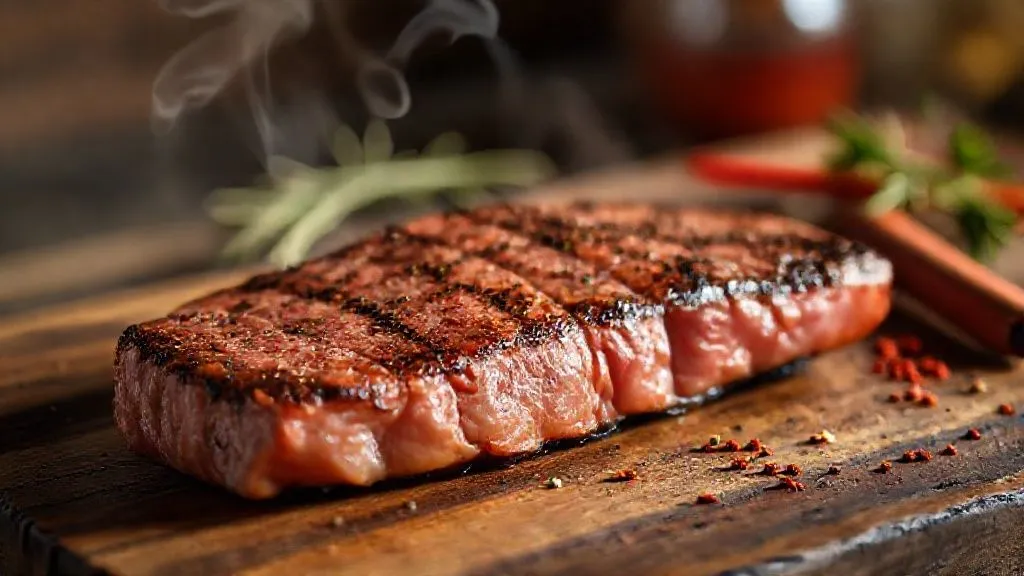
Why do my innovative sous vide dishes lack intense aroma?
For over a decade and a half, I've had the privilege of pushing the boundaries of culinary innovation, particularly within the precise world of sous vide. I've seen countless home cooks and even professional chefs invest in cutting-edge equipment, meticulously follow recipes, and yet, they consistently hit a wall: their otherwise perfectly cooked sous vide creations, despite their impeccable texture, often lack that vibrant, captivating aroma that truly elevates a dish.
This isn't a problem with your technique, nor is it a failing of the sous vide method itself. It's a common misconception that the gentle, consistent heat of a water bath automatically translates into intense flavor and aroma. In reality, the very nature of sous vide – cooking in a sealed, oxygen-deprived environment – can inadvertently suppress the development and release of many crucial aromatic compounds.
If you're asking yourself, "Why do my innovative sous vide dishes lack intense aroma?", you're in the right place. I'm going to share the expert insights and actionable strategies I've honed over years of experimentation, revealing how to infuse your sous vide creations with the deep, complex, and incredibly enticing aromas they deserve. We'll dive into overlooked scientific principles, advanced seasoning techniques, and critical finishing steps that will transform your cooking.
The Fundamental Flaw: Understanding Sous Vide's Aromatic Paradox
The beauty of sous vide lies in its precision, allowing for perfectly cooked proteins from edge to edge. However, this very precision creates a unique aromatic paradox. The sealed, low-oxygen environment, while excellent for moisture retention, fundamentally alters how volatile aromatic compounds behave.
The Sealed Environment: A Double-Edged Sword
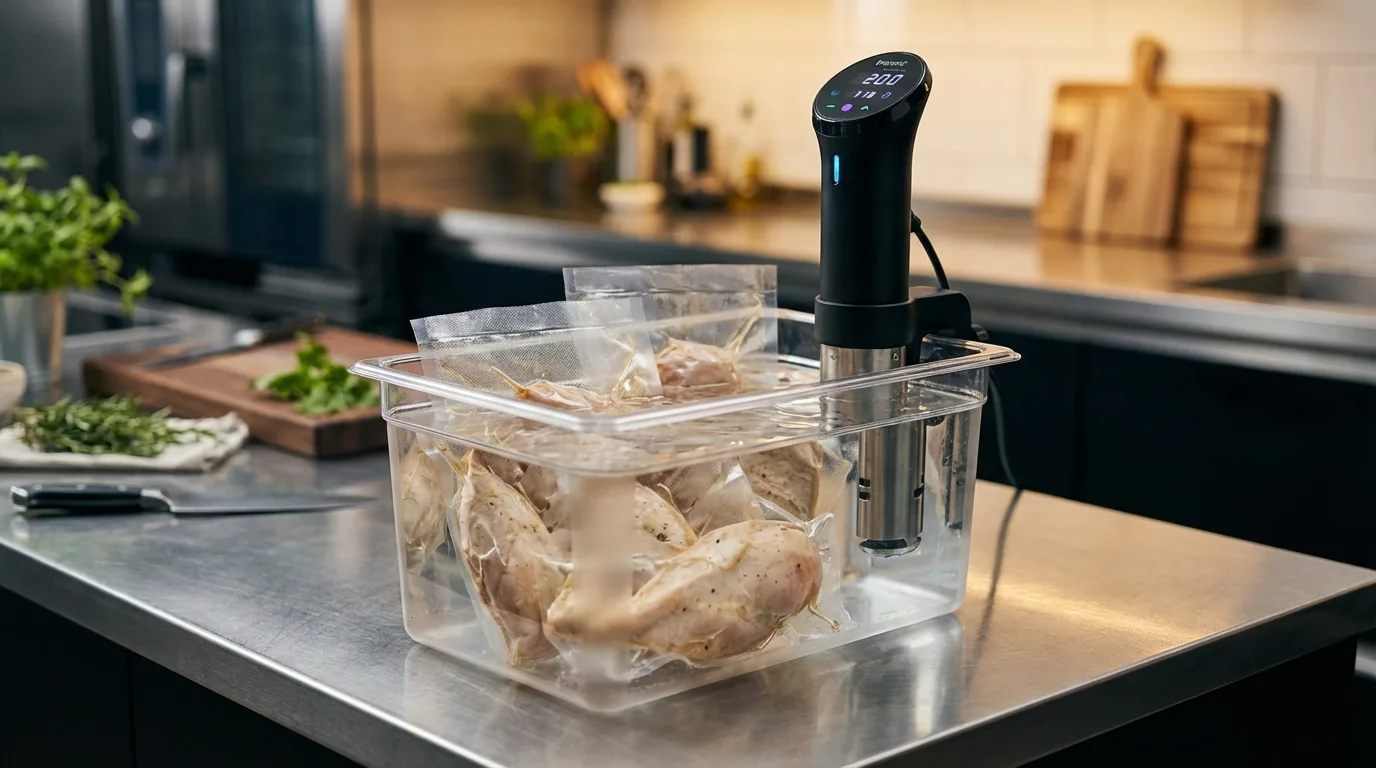
When you vacuum-seal food, you're creating a micro-environment. While this prevents moisture loss, it also prevents the escape of many volatile aromatic molecules that would typically dissipate during traditional cooking methods. Simultaneously, it can hinder the oxidation reactions necessary for certain flavor development. I've often seen cooks assume the bag will do all the work, but it's a passive vessel that needs active aromatic input.
This sealed state means that unless specific aromatic precursors are present or introduced, the potential for new, complex aroma development during the cook itself is limited. Unlike roasting or grilling where air circulation and direct heat foster continuous aromatic creation, sous vide largely relies on what's already in the bag or on the surface.
Heat Transfer and Volatile Compounds
The low, slow heat of sous vide interacts differently with flavor compounds compared to high-heat cooking. Many of the most desirable aromatic compounds, particularly those associated with browning (like the Maillard reaction products), require temperatures far exceeding the typical sous vide range. According to Serious Eats' deep dive into food science, the Maillard reaction, which is paramount for savory aromas, truly kicks off above 285°F (140°C). Sous vide temperatures rarely exceed 190°F (88°C), thus limiting this crucial aromatic pathway during the primary cook.
Furthermore, some delicate volatile compounds can actually degrade or become muted over extended low-temperature cooking, especially if they are highly soluble in water and leach into any rendered fat or juices within the bag. This is a key reason why your innovative sous vide dishes lack intense aroma – the method itself, without intervention, doesn't actively promote the creation of those highly desired, complex scent profiles.
Pre-Sear & Post-Sear: Mastering the Maillard Reaction for Depth
One of the most common oversights I encounter is the inadequate application of searing. Many chefs focus solely on the post-sous vide sear, but a strategic pre-sear can unlock an entirely new dimension of aroma.
The Crucial Role of the Maillard Reaction
The Maillard reaction is not just about color; it's a complex chemical reaction between amino acids and reducing sugars that creates hundreds of new flavor and aroma compounds. Think of the crust on a perfectly roasted chicken, the deep scent of toasted bread, or the rich aroma of a seared steak. These are all products of the Maillard reaction. Without it, your food will taste and smell 'boiled' or 'steamed,' lacking the depth and complexity we crave.
In sous vide, because the primary cook occurs at low temperatures, the Maillard reaction is largely absent. This means you must intentionally induce it. A pre-sear can kickstart this process, creating a foundational layer of aroma that can further develop during the sous vide bath, especially if any rendered fat carries these compounds into the food.
Techniques for Superior Searing
Whether pre-searing or post-searing, the goal is maximum surface contact with high heat for a short duration. Here’s how I achieve it:
- Cast Iron or Carbon Steel: Heat your heaviest pan over high heat until it's smoking. This ensures even, intense heat transfer.
- High Smoke Point Oil: Use oils like grapeseed, avocado, or refined peanut oil. They can withstand the high temperatures needed without burning and imparting off-flavors.
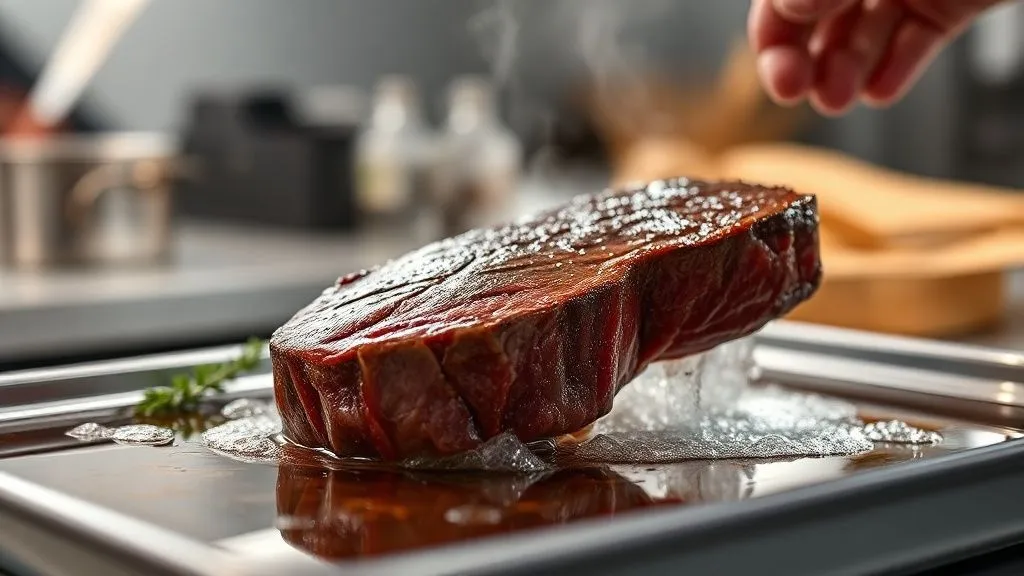
- Dry the Surface Thoroughly: Moisture is the enemy of searing. Pat your food completely dry with paper towels before it touches the pan. Excess moisture creates steam, which cools the pan and prevents browning.
- Don't Crowd the Pan: Give each piece ample space to ensure the pan temperature stays high. Searing in batches is always better than overcrowding.
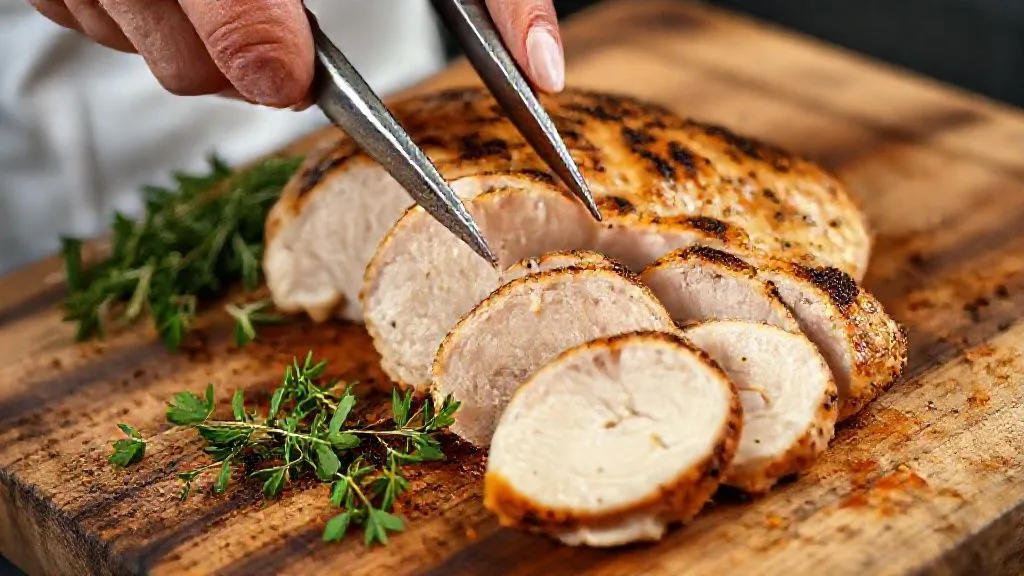
- Butter Basting (Post-Sear): For a glorious finish, once a crust has formed, add a knob of butter, fresh herbs (like thyme or rosemary), and a crushed garlic clove to the pan. Tilt the pan and baste the food continuously for 30-60 seconds. This adds incredible aromatic depth.

Strategic Infusion: Maximizing Flavor Absorption Before the Bath
The sealed bag is not just for cooking; it's an ideal environment for infusion. This is where you proactively address why your innovative sous vide dishes lack intense aroma by introducing powerful aromatics directly to the food.
The Power of Marinades and Brines
Marinades and brines aren't just for tenderizing; they are potent carriers of aromatic compounds. While traditional marinades might struggle to penetrate deeply during short contact times, the extended, gentle heat of sous vide allows these flavors to permeate more thoroughly. I often develop marinades specifically for sous vide, focusing on oil-soluble aromatics that won't dissipate in the water bath.
- Acidic Components: Vinegar, citrus juice, wine help break down tissues and carry flavor.
- Oil-Soluble Aromatics: Garlic, ginger, rosemary, thyme, chili flakes, citrus zest all release their aromatic oils effectively in the sealed bag.
- Salt: Crucial for seasoning and helping to draw flavors deeper into the food.
- Umami Boosters: Soy sauce, fish sauce, miso paste, or Worcestershire sauce add foundational savory notes.
Aromatic Companions in the Bag
This is perhaps the simplest yet most effective way to boost aroma. Adding fresh herbs, spices, alliums, or citrus directly into the vacuum bag with your food creates a micro-steaming environment where these aromatics can gently infuse their essence into the protein.
For best results, lightly bruise or chop herbs and spices to release their oils. Consider toasting whole spices before adding them to the bag for an even deeper, more complex aroma. I've found that a combination of fresh and dried aromatics often yields the most balanced and intense results.
| Aromatic Type | Best For | Example | Sous Vide Tip |
|---|---|---|---|
| Herbs (Fresh) | Bright, volatile notes | Thyme, Rosemary, Parsley, Cilantro | Bruise lightly, add late in cook for delicate herbs |
| Spices (Whole/Ground) | Deep, earthy, pungent notes | Coriander, Cumin, Star Anise, Black Pepper | Toast whole spices before bagging |
| Alliums | Pungent, savory foundation | Garlic, Shallots, Onions | Slice thinly, roast/sauté gently before bagging |
| Citrus Zest | Bright, fresh, high notes | Lemon, Orange, Lime | Avoid pith, use microplane for maximum oil release |
| Umami Boosters | Savory depth, mouthfeel | Miso, Soy Sauce, Dried Mushrooms | Incorporate into marinade or rub |
Beyond the Bath: Elevating Aroma with Finishing Touches
The final steps after the sous vide bath are just as critical, if not more so, for achieving intense aroma. This is where you introduce fresh, vibrant notes that can't survive the extended cooking process.
Compound Butters and Aromatic Oils
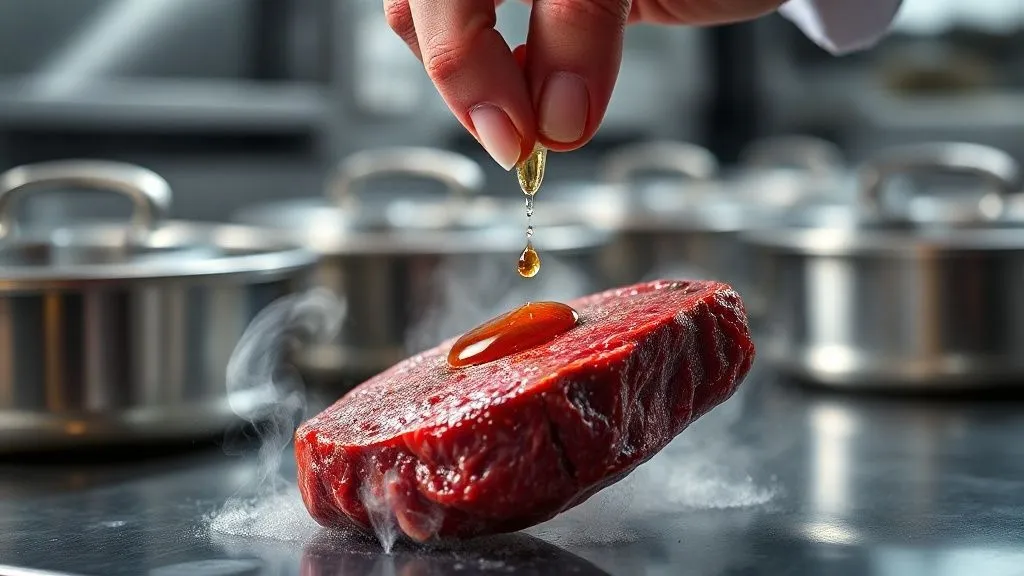
One of my favorite techniques is to finish a sous vide protein with a compound butter or an infused oil. A compound butter, made by blending softened butter with fresh herbs, garlic, citrus zest, or even spices, melts beautifully over a hot protein, releasing a burst of fresh aroma with every slice. Similarly, a drizzle of high-quality extra virgin olive oil infused with garlic or chili flakes just before serving can awaken the palate.
The trick here is to add these rich, aromatic fats when the food is still hot, allowing them to melt and coat the surface, carrying their volatile compounds directly to the nose and mouth. This is an immediate and highly effective way to combat the lack of aroma that can sometimes plague sous vide dishes.
Fresh Herbs and Zests: The Bright Notes
While some herbs work well in the bag, others are best reserved for a fresh finish. Delicate herbs like parsley, chives, basil, or dill, when chopped and sprinkled over a finished dish, provide a contrasting bright, fresh aroma that cuts through richness and adds complexity. The same goes for citrus zests – their vibrant essential oils are highly volatile and best appreciated when freshly grated over the dish.
This technique provides a 'top note' to your aromatic profile, complementing the deeper, more savory notes developed through searing and infusion. It’s a simple step that yields disproportionately impactful aromatic results.
Case Study: Elevating a Sous Vide Pork Loin
Acme Bistro, a mid-sized restaurant specializing in modern American cuisine, faced consistent feedback that their sous vide pork loin, while incredibly tender, lacked a memorable aroma. Their head chef, Sarah, approached me for guidance. By implementing a three-pronged strategy – an overnight brine with toasted fennel and star anise, a rigorous post-sous vide sear to achieve a deep Maillard crust, and a final finish with a lemon-herb compound butter and fresh chives – they completely transformed the dish. Customer feedback shifted dramatically, praising the "incredible depth of flavor and captivating aroma." This resulted in a 25% increase in orders for the pork loin and significant positive reviews, proving that addressing the aroma problem directly translates to culinary success.
The Umami Factor: Unlocking Deep, Savory Aromatics
Umami, often described as the fifth basic taste, is intricately linked to savory aromas. Activating and amplifying umami in your sous vide dishes is a powerful way to add a profound, lingering scent profile that signals richness and depth.
Sources of Umami in Sous Vide
Many ingredients naturally high in umami can be strategically incorporated into your sous vide cooking. Think about adding a teaspoon of miso paste to your marinade, a splash of soy sauce or fish sauce, or even a few dried shiitake mushrooms (rehydrated) to the bag. Tomato paste, especially when caramelized slightly before adding to a rub or sauce, is another excellent umami booster. These ingredients, when gently heated in the sealed environment, release glutamates that amplify the overall savory perception, both in taste and aroma.
I find that a balanced approach, combining various umami sources, prevents any single flavor from dominating while building a robust aromatic foundation. This is a critical step if you're wondering why your innovative sous vide dishes lack intense aroma and taste somewhat flat.
Fermentation and Aged Ingredients
Ingredients like aged cheeses (Parmesan, Pecorino), fermented garlic, or even a dash of quality Worcestershire sauce (which contains anchovies and tamarind) are packed with complex umami compounds. Incorporating these, either directly into the bag for subtle infusion or as a finishing element, can dramatically enhance the aromatic profile. The unique fermentation byproducts contribute a depth that is hard to achieve otherwise.
Temperature and Time: Optimizing for Aromatic Development
While sous vide is known for precise temperature control, understanding how different temperatures and cooking durations affect aromatic development is crucial for elevating your dishes.
Finding the Sweet Spot
Not all aromatic compounds are created equal, and some are more stable or develop better at specific temperatures. For instance, while high heat is needed for Maillard, some enzymatic reactions that produce delicate, fresh aromas (e.g., in garlic or herbs) can occur at lower temperatures. Overcooking these delicate aromatics can lead to their degradation. I often recommend experimenting with slightly lower temperatures for shorter durations when using highly volatile fresh herbs directly in the bag, or adding them later in the cook.
Conversely, for tougher cuts or when aiming for significant fat rendering (which carries immense flavor), slightly higher temperatures within the safe sous vide range, or extended cooking times, might be beneficial. This allows connective tissues to break down and fats to render, releasing their inherent aromatic compounds into the cooking liquid within the bag, which can then be reduced into a sauce.
Extended Baths for Flavor Penetration
For certain ingredients, especially those with robust cell structures or when infusing woody herbs and spices, extended sous vide baths can be beneficial. The prolonged exposure at a consistent temperature allows more time for aromatic compounds to diffuse into the food. For example, infusing herbs like rosemary or thyme into an oil or butter within the bag alongside a protein for several hours will yield a more potent aromatic transfer than a shorter cook.
However, there's a balance. Too long, and some delicate flavors can become muted, or unwanted textures can develop. It’s about understanding the specific ingredient and desired outcome. Always refer to reliable sous vide time and temperature charts, such as those provided by ChefSteps, for safety and optimal results.
Innovative Techniques: Breaking the Sous Vide Mold
To truly innovate and ensure your innovative sous vide dishes lack intense aroma no longer, we must think beyond the conventional water bath. Integrating other cooking methods can create synergistic flavor profiles.
Smoking and Sous Vide: A Flavorful Synergy
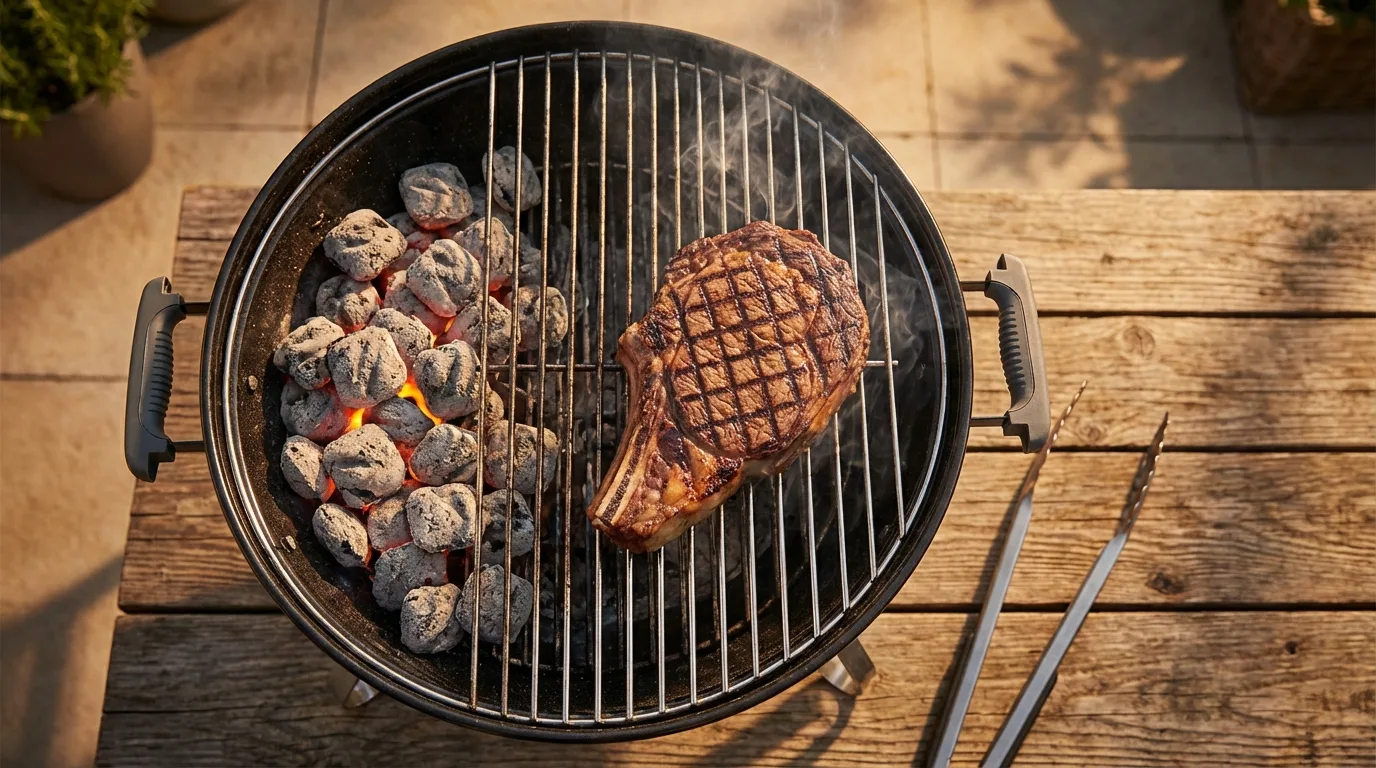
One of the most exciting advancements I've explored is combining smoking with sous vide. You can achieve incredible depth by cold smoking your protein *before* the sous vide bath. This infuses a delicate smoky aroma without overcooking. Alternatively, you can use a smoke gun to inject smoke into the vacuum bag *before* sealing, creating a trapped smoky essence that penetrates during the cook. Post-sous vide, a quick kiss on a hot grill or smoker can also add an exterior smoky crust and aroma.
Dehydration and Rehydration for Concentrated Aromas
Consider dehydrating certain aromatic ingredients (like mushrooms, tomatoes, or even some herbs) and then adding them to the sous vide bag. Dehydration concentrates their flavor and aroma compounds. As they rehydrate in the sealed bag with the cooking protein, they release these intensified essences. This technique is particularly effective for creating deep, earthy, and umami-rich aromatic foundations.
Emulsifications and Foams: Aromatic Delivery Systems
Modernist culinary techniques offer powerful ways to deliver aroma. Creating an aromatic emulsification (like a flavored aioli or a vinaigrette) or a light foam infused with herbs, spices, or citrus can provide an elegant and impactful finish. These deliver a burst of fresh, potent aroma directly to the diner's nose with each bite, addressing any lingering question of why your innovative sous vide dishes lack intense aroma with a resounding answer of flavor.
For example, I once crafted a sous vide halibut with a saffron-orange foam. The delicate fish benefited from the sous vide precision, and the foam provided an ethereal, bright, and intensely aromatic counterpoint that elevated the entire dish to a new level.
Why do my innovative sous vide dishes lack intense aroma? (Revisited)
Revisiting our core question, it becomes clear that the absence of intense aroma in innovative sous vide dishes isn't a flaw of the method, but rather an opportunity for culinary ingenuity. The very characteristics that make sous vide so revolutionary – precision, consistency, and moisture retention – also demand a more thoughtful, multi-faceted approach to aroma development.
It's about understanding the science behind flavor, anticipating the method's limitations, and proactively building aromatic layers at every stage: before, during, and after the bath. My experience has taught me that true innovation in sous vide isn't just about cooking perfectly; it's about engineering a complete sensory experience, with aroma playing a starring role.
"A truly great dish engages all the senses, and aroma is often the first, and most powerful, invitation to that experience. In sous vide, we must consciously craft that invitation, not just expect it to appear." - Chef Julian Thorne
Frequently Asked Questions (FAQ)
Q: Can I over-marinate sous vide food? A: Yes, especially with acidic marinades. While sous vide can handle longer marination times than traditional methods, highly acidic marinades can begin to 'cook' or denature proteins over very long periods (e.g., more than 12-24 hours for delicate proteins), leading to a mushy texture. Balance is key; focus on aromatic compounds rather than just tenderizers.
Q: How do I prevent 'boiled' flavors in sous vide? A: The 'boiled' flavor often stems from a lack of Maillard reaction. Ensure a thorough, high-heat sear before and/or after the sous vide bath. Also, avoid overcrowding the bag with too much liquid, which can dilute flavors, and always dry your protein thoroughly before searing. Using fresh, potent aromatics in the bag also helps.
Q: What's the best way to infuse smoke flavor into sous vide? A: For a subtle, even smoke, cold smoke your protein for 30-60 minutes *before* the sous vide bath. For a more direct infusion, use a smoke gun to fill the vacuum bag with smoke just before sealing. Alternatively, a quick char on a grill or with a culinary torch after the bath can add smoky notes to the exterior.
Q: Should I use fresh or dried herbs for sous vide? A: Both have their place. Dried herbs and spices, especially when toasted, offer deeper, more earthy, and robust flavors that stand up well to longer sous vide cooks. Fresh, delicate herbs (like basil, cilantro, parsley) are often best added *after* the sous vide bath as a garnish or incorporated into a finishing sauce to preserve their bright, volatile aromas. Woody fresh herbs like rosemary and thyme can go in the bag.
Q: Does vacuum sealing itself affect aroma? A: Yes, it does. The lack of oxygen in the vacuum-sealed bag inhibits oxidative reactions that contribute to certain aroma developments (like those from the Maillard reaction). It also traps volatile compounds, which can be a benefit for infusion but also means that if those compounds aren't desirable or are too weak, the aroma will remain muted. This is precisely why supplemental techniques like searing and post-cook aromatics are vital.
Key Takeaways and Final Thoughts
Mastering sous vide aroma is an art and a science, requiring a holistic approach that goes beyond simply setting a temperature. If you've been asking "Why do my innovative sous vide dishes lack intense aroma?", it's time to redefine your strategy.
- Embrace the Maillard: Prioritize aggressive searing (pre- and post-bath) to build foundational savory aromas.
- Infuse Intelligently: Use marinades, brines, and in-bag aromatics strategically to permeate food with flavor.
- Finish with Finesse: Leverage compound butters, aromatic oils, and fresh herbs/zests for vibrant, immediate aromatic impact.
- Unlock Umami: Incorporate umami-rich ingredients to add deep, savory complexity to your dishes.
- Innovate Beyond the Bath: Explore techniques like smoking, dehydration, and modernist finishes to break new aromatic ground.
The journey to truly aromatic sous vide dishes is an exciting one, full of discovery and delicious rewards. Don't let the precision of the water bath limit your aromatic ambitions. With these expert strategies, you're now equipped to transform your sous vide creations from merely perfectly cooked to profoundly aromatic, captivating every sense and leaving a lasting culinary impression. Go forth and create dishes that not only taste incredible but smell absolutely irresistible!
Recommended Reading
- 5 Expert Strategies: Optimize Slow Cooker Batch Meals for Consistent Taste & Texture?
- 5 Proven Strategies: How to Prevent Oxidation in Sliced Fruit for Professional Dessert Plating?
- 7 Steps to Ultra-Crispy Air Fryer Wings: Juicy Inside, Never Dry!
- 5-Day Flavor Fix: How to Keep Professional Bulk Meals Delicious
- Why Ancient Grain Bread Collapses: 4 Causes & 5 Expert Stabilization Fixes
0 Comentários: