 By
By 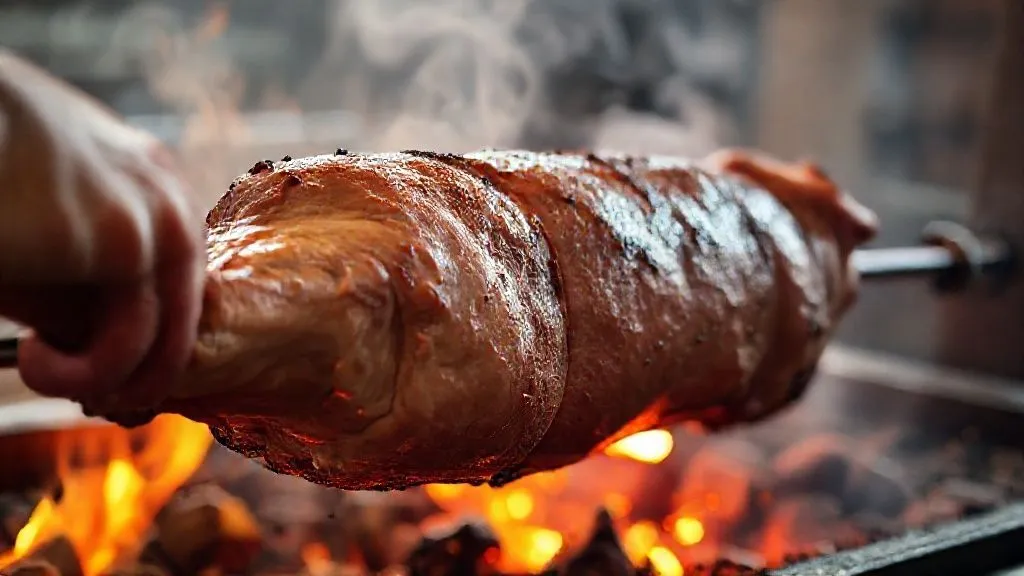
Troubleshooting Uneven Cooking on Professional Asado Spits?
For over two decades, I've lived and breathed the intoxicating aroma of wood smoke and sizzling meat, perfecting the craft of South American asado. I’ve seen countless pitmasters, even seasoned professionals, grapple with a silent saboteur that threatens to undermine hours of meticulous preparation: uneven cooking on professional asado spits.
It’s a frustrating dance – one part of your magnificent roast is beautifully rendered, caramelized, and juicy, while another remains stubbornly undercooked or, worse, charred beyond redemption. This isn't just a minor inconvenience; it's a culinary crisis that impacts flavor, texture, and ultimately, the reputation of your asado.
In this definitive guide, I will share my accumulated wisdom and practical strategies to diagnose and decisively conquer the challenge of uneven cooking on professional asado spits. We'll dive deep into heat dynamics, meat preparation, spit mechanics, and environmental controls, providing you with actionable insights and proven techniques to ensure every inch of your roast achieves succulent perfection.
The Art of Asado: Understanding the Core Principles
Before we troubleshoot, it's crucial to appreciate the delicate balance inherent in authentic South American grilling. Asado isn't just cooking; it's a slow, deliberate performance where heat, time, and technique converge.
Heat Dynamics and Spit Rotation
At its heart, asado spit cooking relies on radiant heat and convection, often from an open flame or embers. The continuous rotation ensures even exposure, allowing the meat to self-baste and develop that coveted crispy exterior and tender interior.
Meat Preparation and Balance
The choice and preparation of meat are paramount. From whole lambs (cordero) to suckling pigs (lechón) or prime cuts of beef, proper trimming, seasoning, and securing the meat onto the spit are foundational steps that directly influence cooking uniformity.
Diagnosing the Root Causes of Uneven Cooking
Uneven cooking rarely stems from a single issue; it's often a confluence of factors. Identifying the specific culprits is the first step towards a lasting solution for troubleshooting uneven cooking on professional asado spits.
Variable Heat Zones: The Invisible Enemy
The most common offender is inconsistent heat distribution. Open fires and large ember beds are dynamic, creating hot spots and cooler zones that can significantly impact cooking speed across different sections of the meat. Wind can exacerbate this, fanning flames in one area while cooling another.
Improper Meat Trimming and Lacing
If the meat itself isn't uniformly thick, or if fat layers are disproportionately distributed, some areas will cook faster than others. Likewise, loose lacing or an improperly secured roast can lead to parts sagging closer to the heat source, or rotating unevenly.
Spit Imbalance and Rotation Issues
A poorly balanced spit will wobble, jerk, or even stop rotating, causing certain sections of the meat to sit over intense heat for too long. Worn motors, loose gears, or bent spits are mechanical issues that directly contribute to this problem.
External Factors: Wind and Ambient Temperature
I’ve seen perfect cooking plans foiled by an unexpected shift in wind direction. Wind can dramatically lower the effective cooking temperature on one side of the roast while supercharging the heat on another. Significant drops in ambient temperature also demand adjustments to your fire management.
Expert Fix #1: Mastering Heat Management and Fuel Distribution
The fire is your paintbrush; learn to wield it with precision. Achieving uniform heat is fundamental for troubleshooting uneven cooking on professional asado spits.
Creating Zoned Heating with Coals
Instead of a monolithic bed of coals, think in zones. I often create a slightly deeper, hotter zone beneath the thickest parts of the meat and shallower, cooler zones for thinner sections or areas prone to overcooking. This requires constant vigilance and adjustment.
The Role of Ash and Airflow
Ash acts as an insulator; too much can dampen heat. Regularly rake and manage your ash bed. Conversely, ensuring consistent airflow to your coals helps maintain a steady, predictable heat output. Understanding two-zone grilling principles, even for open fires, is invaluable here.
- Build a Foundation: Start with a robust, evenly spread bed of hardwood coals. Avoid charcoal briquettes if possible; natural hardwood provides a cleaner, more consistent heat and superior flavor.
- Identify Hot & Cold Spots: Before the meat goes on, use your hand (carefully!) or an infrared thermometer to map out the heat intensity beneath the spit’s path.
- Adjust Coal Distribution: Strategically add or remove coals, or spread them thinner/thicker, to compensate for identified disparities. For instance, if the shoulder is cooking slower, pile more coals directly underneath it.
- Utilize a Heat Shield: For persistent hot spots, a simple metal sheet or even a brick can be placed temporarily between the coals and the meat to deflect direct heat.
- Monitor and Adapt: As the cook progresses, the fire will evolve. Be prepared to shift coals, add fresh fuel, or even spray stubborn hot spots with a little water to cool them down.

Expert Fix #2: Precision Meat Preparation and Lacing Techniques
The journey to even cooking begins long before the fire is lit. Meticulous meat preparation is non-negotiable for success when troubleshooting uneven cooking on professional asado spits.
Uniformity in Trimming and Deboning
Aim for as much uniform thickness as possible. If deboning a whole animal, ensure the remaining muscle mass is distributed evenly. For thick cuts, consider butterflying or scoring the thicker sections to help them cook at a similar rate to thinner parts.
The Art of Lacing and Tying
This is where experience truly shines. Tightly lacing the meat to the spit, and securing any loose flaps or appendages, prevents uneven rotation and ensures every part of the roast receives consistent heat. I often use heavy-gauge butcher's twine and specialized lacing needles.
- Trim Excess Fat & Uneven Muscle: Remove any large, protruding fat deposits that might render too quickly or cause flare-ups. Trim or tuck thinner muscle sections to match the overall thickness.
- Balance the Weight: Before lacing, position the meat on the spit and find its natural center of gravity. This might mean shifting the entire animal slightly off-center on the spit itself.
- Lace Tightly and Securely: Using strong butcher's twine, create a 'cage' around the meat, ensuring it's firmly attached to the spit. Pay special attention to the ends and any loose sections.
- Test Rotation Pre-Fire: Manually rotate the spit to ensure it spins smoothly without significant wobbling. Make adjustments to lacing or positioning if necessary.
| Meat Cut | Common Challenge | Preparation Tip |
|---|---|---|
| Whole Lamb (Cordero) | Uneven shoulder/leg cooking | Score thicker muscle, secure legs tightly to body |
| Suckling Pig (Lechón) | Belly overcooking, back undercooking | Stuff cavity with dense material, shield belly with foil initially |
| Beef Ribs (Costillar) | Outer edges dry, center undercooked | Ensure even thickness, use multiple ties along the length |
Expert Fix #3: Achieving Perfect Spit Balance and Rotation
A smoothly rotating spit is paramount. Any imbalance will lead to erratic cooking and frustrations when troubleshooting uneven cooking on professional asado spits. Think of it as a culinary gyroscope.
The Counterweight Principle
For large, irregularly shaped cuts, a counterweight system is essential. This could be as simple as adding heavy rocks or metal weights to the lighter side of the spit's rotation arm. The goal is effortless, consistent rotation.
Motor and Drive System Maintenance
Regular inspection of your spit motor, gears, and bearings is critical. A struggling motor or a worn gear can cause jerky movements, leading to uneven heat exposure. Lubricate moving parts and replace worn components as needed. I always keep spare parts on hand for professional setups.
- Perform a Manual Balance Test: With the meat secured, remove the spit from the motor and let it hang freely. Observe which side consistently rotates downwards. This is your heavy side.
- Adjust Meat Position: If possible, subtly shift the meat along the spit to re-center its weight.
- Apply Counterweights: Attach adjustable counterweights (often available from spit manufacturers or easily fabricated) to the opposite side of the heavy point until the spit rests balanced in any position.
- Inspect Motor & Drive Chain: Check for any signs of wear, rust, or loose connections. Ensure the motor is adequately powered for the weight of your roast. Maintaining proper cooking temperatures also relies on consistent rotation.
- Monitor During Cook: Periodically observe the spit's rotation for any signs of strain or imbalance as the meat cooks and renders fat.

Expert Fix #4: Shielding from Environmental Variables
The unpredictable nature of outdoor cooking demands adaptability. Protecting your roast from the elements is a key part of troubleshooting uneven cooking on professional asado spits.
Wind Breaks and Heat Reflectors
A simple yet effective solution is to construct temporary windbreaks using metal sheets or even plywood. These not only block direct wind but can also act as reflectors, bouncing radiant heat back towards the meat, promoting more even cooking.
Monitoring Ambient Conditions
Be aware of the weather forecast. On cold or windy days, you'll need a more aggressive fire or additional insulation. Conversely, on scorching days, you might need to manage heat more cautiously to prevent the exterior from charring before the interior cooks.
- Assess Wind Direction: Before starting your fire, note the prevailing wind direction. Position your setup to minimize direct exposure to the spit.
- Erect Windbreaks: Use sturdy, non-flammable materials (e.g., sheet metal, concrete blocks) to create a barrier on the windward side. Ensure it’s tall enough to protect the entire roast.
- Utilize Heat Reflectors: Place reflective surfaces (like aluminum foil-covered plywood) on the opposite side of the primary heat source to direct radiant heat towards the meat, creating a more enveloping cooking environment.
- Consider a Canopy or Roof: For longer cooks or unpredictable weather, a simple canopy can protect against rain and help stabilize ambient temperatures around the spit.
Expert Fix #5: Strategic Basting and Temperature Monitoring
These are your real-time adjustments, the final touches that ensure perfection when troubleshooting uneven cooking on professional asado spits.
The Importance of Internal Temperature
A reliable instant-read thermometer is your best friend. Don't guess; measure. Probe various sections of the meat – especially the thickest parts – to track internal temperature and identify any disparities. This is crucial for both doneness and food safety. USDA guidelines on safe meat temperatures are a must-know.
Basting for Even Browning and Moisture
Regular basting with a savory liquid (often a mix of drippings, wine, and herbs, known as "salmuera" in Argentina) not only adds flavor and moisture but also helps to even out the surface temperature and promote uniform caramelization and browning.
- Invest in a Quality Thermometer: An instant-read digital thermometer is essential. For large roasts, a leave-in probe thermometer with an alarm can be incredibly helpful.
- Probe Multiple Locations: Don't just check one spot. Probe the thickest parts of different sections of the meat to ensure consistent internal temperatures.
- Prepare Your Basting Liquid: A traditional salmuera (salt water with garlic, herbs, and sometimes vinegar) works wonders. Have it ready in a spray bottle or with a basting brush.
- Baste Strategically: Focus basting on areas that appear to be drying out or browning too quickly. This adds moisture and helps to cool the surface, slowing down the cook in that particular spot.
- Rotate Manually (if possible): For short periods, if you notice a specific side is lagging, you can briefly stop the motor and manually rotate the spit to expose that side more directly to the heat.
| Meat Section | Target Temp (°F) | Basting Frequency | Adjustment Strategy |
|---|---|---|---|
| Shoulder (thickest) | 180-195 (pulled/shredded) | Every 30-45 mins | Increase heat beneath, baste less if browning too fast |
| Leg (moderate) | 160-170 (sliced) | Every 45-60 mins | Maintain consistent heat, baste regularly |
| Belly/Flank (thinnest) | 170-185 (crispy skin) | Every 20-30 mins | Shield from direct heat, baste frequently to prevent charring |
Case Study: La Parrilla Perfecta's Turnaround
How a Renowned Asador Overcame Uneven Cooking
I recall a time when "La Parrilla Perfecta," a highly acclaimed asado restaurant in Buenos Aires, was facing a critical challenge. Their signature whole lamb, a crowd favorite, was consistently suffering from uneven cooking – beautiful on one side, but disappointingly dry or undercooked on the other. This was impacting customer satisfaction and their brand reputation. They had invested in a top-of-the-line professional asado spit, yet the problem persisted.
Working with their head asador, we implemented a comprehensive strategy focusing on three key areas: first, we meticulously re-evaluated their coal bed management, introducing a dynamic zoning system for heat. Second, we spent an entire afternoon perfecting their lacing technique, ensuring the lamb was absolutely balanced and secure on the spit. Finally, we introduced a strict regimen of internal temperature monitoring with probes in multiple locations. Within two weeks, their uneven cooking issues were virtually eliminated. Customer feedback soared, and "La Parrilla Perfecta" reaffirmed its status as a master of the asado. This success story underscores the power of a systematic approach to troubleshooting uneven cooking on professional asado spits.

Advanced Techniques: Beyond the Basics
For those looking to truly master the art, consider these advanced considerations.
Pre-Brining and Marinades for Moisture Retention
A pre-brine can significantly enhance moisture retention throughout the cooking process, especially for leaner meats. Marinades, particularly those with acidic components, can tenderize and add flavor, further contributing to a forgiving cook.
The Science of Maillard Reaction and Caramelization
Understanding the Maillard reaction (browning of proteins) and caramelization (browning of sugars) is key to achieving that perfect crust. These reactions occur at specific temperatures, and uneven cooking can prevent them from developing uniformly. Achieving consistent surface temperatures is paramount for this.
"The true pitmaster doesn't just manage fire; they orchestrate heat, coaxing every fiber of the meat to its peak potential. Uneven cooking is a symptom, not the disease; the cure lies in understanding the symphony of variables at play." - Expert Asado Maestro, Juan Carlos Rodriguez
Frequently Asked Questions (FAQ)
Q: How often should I rotate my asado spit? A: Professional asado spits are typically motor-driven and rotate continuously at a slow, steady pace (often 1-3 RPM). This constant, slow rotation is crucial for even cooking and self-basting. Manual rotation is only for brief adjustments, not the primary cooking method.
Q: Can I use different types of wood for my fire, and does it affect even cooking? A: Absolutely, different hardwoods impart distinct flavors (e.g., quebracho for a robust smoke, fruitwoods for milder notes). While the type of wood primarily affects flavor, consistent quality and size of wood pieces will contribute to more stable heat generation, indirectly aiding even cooking. Avoid softwoods, as they burn too quickly and produce excessive smoke.
Q: My spit motor seems to struggle with heavy roasts. What can I do? A: First, ensure your meat is perfectly balanced; an unbalanced load puts immense strain on the motor. Check the motor's weight rating and consider upgrading if you consistently cook larger animals. Also, inspect the drive chain/gears for wear and ensure proper lubrication. Sometimes, a slightly larger diameter spit rod can help distribute weight better.
Q: What’s the ideal distance between the meat and the coals for an asado spit? A: This is highly variable, depending on the heat intensity of your coals, the size of the meat, and the desired cooking speed. As a general rule, start with the meat about 18-24 inches (45-60 cm) above a medium-hot coal bed. You should be able to hold your hand over the coals at meat height for 5-7 seconds. Adjust as needed, moving the meat closer for more intense searing or further away for a slower cook.
Q: How do I prevent the skin from charring on a suckling pig while ensuring the meat cooks through? A: This is a common challenge. Start with a moderate fire and shield the skin with aluminum foil for the first few hours to prevent premature charring while the internal temperature rises. Remove the foil for the last hour or two, increasing heat slightly to crisp the skin. Regular basting with rendered fat or salmuera also helps to protect and moisten the skin.
Key Takeaways and Final Thoughts
Mastering the art of asado spit cooking, especially when facing the challenge of troubleshooting uneven cooking on professional asado spits, is a journey of continuous learning and refinement. It demands patience, keen observation, and a willingness to adapt.
- Heat is Dynamic: Never treat your fire as static. Constant adjustment of coals and airflow is paramount.
- Preparation is King: Meticulous meat trimming, lacing, and balancing are foundational for even results.
- Monitor, Don't Guess: Utilize thermometers to track internal temperatures across the roast.
- Protect from Elements: Wind and ambient temperature are not just annoyances; they are significant variables requiring mitigation.
- Baste & Adapt: Use basting as a tool to manage surface temperature and add moisture.
Remember, every asado is an opportunity to hone your craft. Embrace the challenges, learn from each experience, and trust in these proven techniques. Soon, you'll be consistently delivering perfectly cooked, succulent roasts that are a testament to your mastery of the South American grill. Happy grilling, my friends!
Recommended Reading
- Unlock Gourmet Menus: 7 Cost-Effective Ways to Source Rare Artisanal Ingredients
- Broken Hollandaise? 7 Expert Tips to Fix Your Splitting Sauce Instantly
- Mastering Mole: 7 Chef Secrets for Consistent Fermentation Every Time
- 7 Proven Strategies: Making Authentic International Traditional Dishes Profitable
- Broken Hollandaise/Mayonnaise? 5 Steps to Salvage During Service




0 Comentários: