 By
By 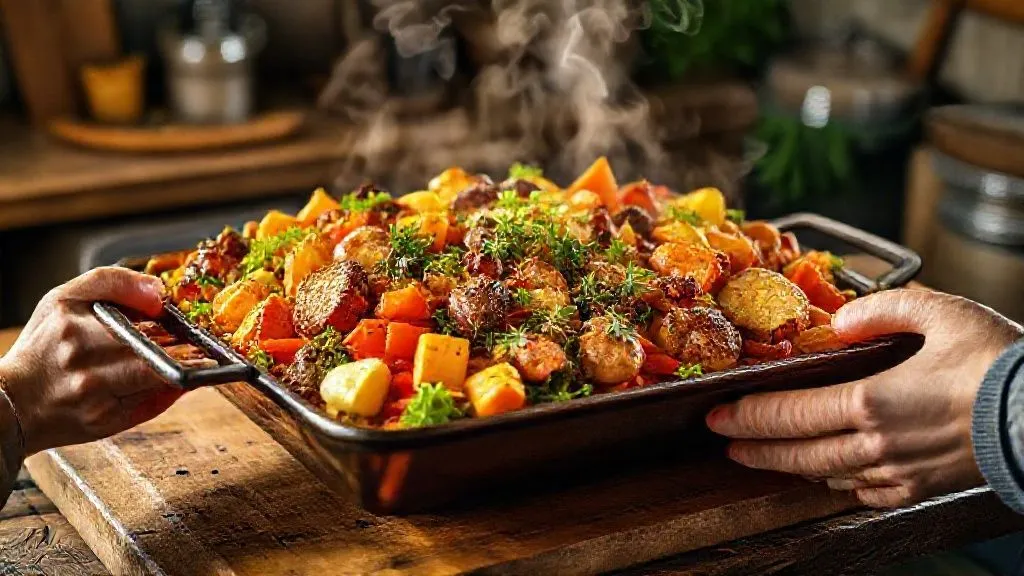
How to Avoid Bland, Repetitive Healthy Sheet Pan Meals Weekly?
For over 20 years in professional kitchens and home cooking alike, I've witnessed the rise and fall of countless food trends. But few have captured the imagination quite like the sheet pan dinner. It promises simplicity, speed, and health – a weeknight savior. Yet, I've also seen the initial enthusiasm wane, replaced by a common lament: 'It's just so... boring.'
You started with good intentions. Crisp vegetables, lean proteins, minimal cleanup. But soon, the same chicken and broccoli, the same predictable seasonings, turn your culinary adventure into a monotonous chore. The very convenience that drew you in becomes its downfall, leaving you wondering how to inject life back into your healthy eating routine. The question 'How to avoid bland, repetitive healthy sheet pan meals weekly?' echoes in kitchens everywhere.
Today, I’m pulling back the curtain on the strategies I’ve honed over decades to transform your sheet pan dinners from 'meh' to magnificent. We’ll delve into flavor architecture, smart ingredient pairing, advanced roasting techniques, and creative twists that will not only keep your meals exciting but also elevate your cooking prowess. Prepare to rediscover the joy and incredible versatility of the humble sheet pan, armed with actionable frameworks and expert insights.
The Flavor Foundation: Mastering Marinades, Rubs, and Sauces
The first step to banishing blandness from your sheet pan meals is to understand that flavor isn't an afterthought; it's the foundation. Relying solely on salt and pepper is a missed opportunity. Instead, think about building layers of taste before, during, and after cooking.
Crafting Dynamic Marinades
Marinades are your secret weapon for infusing proteins and even dense vegetables with deep flavor and tenderizing them. A good marinade typically consists of an acid (citrus juice, vinegar), an oil (olive, avocado), and aromatics (garlic, ginger, herbs, spices). The acid helps break down proteins, while the oil carries fat-soluble flavors.
- Choose Your Acid: Lemon juice, lime juice, apple cider vinegar, or balsamic vinegar work wonders.
- Select Your Oil: Extra virgin olive oil is classic, but sesame oil adds an Asian flair, and avocado oil is great for high heat.
- Layer Your Aromatics & Spices: Minced garlic, grated ginger, fresh rosemary, thyme, oregano, smoked paprika, cumin, chili powder – the possibilities are endless.
- Add a Touch of Sweetness (Optional): A drizzle of honey or maple syrup can balance flavors and aid in caramelization.
- Marinate Adequately: Smaller pieces of protein may only need 30 minutes, while larger cuts or dense vegetables can benefit from 2-4 hours, or even overnight in the refrigerator.
For a deeper dive into the science of how marinades work their magic, I often refer to resources like Serious Eats' breakdown on marinades, which highlights the chemical interactions that transform your ingredients.
The Power of Purposeful Rubs
Dry rubs are fantastic for creating a flavorful crust on proteins like chicken, fish, or pork, and they adhere beautifully to many vegetables. They're a blend of dried herbs and spices, often with a little salt, sugar, and sometimes a touch of heat. Wet rubs incorporate a small amount of oil or a liquid to form a paste, helping the spices cling even better.
- Mediterranean Blend: Dried oregano, thyme, garlic powder, onion powder, a pinch of cinnamon, salt, and pepper.
- Smoky BBQ Rub: Smoked paprika, brown sugar, cumin, chili powder, garlic powder, onion powder, cayenne, salt, and black pepper.
- Curry Infusion: Turmeric, coriander, cumin, ginger powder, garam masala, and a touch of cayenne.
Ensure your protein or vegetables are patted dry before applying a rub; this helps create a crispier exterior during roasting.
Finishing Sauces: The Grand Finale
Even the most perfectly roasted ingredients can benefit from a bright, fresh finishing sauce or a drizzle. These add a burst of flavor, moisture, and often, a beautiful visual appeal that combats the 'bland' feeling.
- Pesto: Classic basil pesto, or try spinach-walnut or cilantro-lime variations.
- Chimichurri: A vibrant Argentine herb sauce with parsley, cilantro, garlic, vinegar, and olive oil.
- Yogurt-Tahini Drizzle: Creamy, tangy, and perfect for Mediterranean-inspired meals.
- Quick Pan Sauce: Deglaze your sheet pan with a splash of broth or wine after removing the cooked food, scraping up all those flavorful bits.
"The judicious application of acid at the end of cooking is perhaps the single most overlooked secret to transforming a good meal into a great one. It brightens, balances, and awakens all the other flavors."

Strategic Ingredient Pairing: Beyond the Obvious Duos
One of the quickest ways to fall into a repetitive rut is to stick to the same protein-and-two-veg combinations. To truly avoid bland, repetitive healthy sheet pan meals weekly, you need to think strategically about how ingredients interact. It's about creating harmony and contrast on your plate.
The Art of Complementary Textures
Texture is just as important as flavor. A meal that's all soft or all crunchy quickly becomes monotonous. Aim for a mix of textures – crisp, tender, creamy, chewy – to keep each bite interesting.
- Crisp & Tender: Pair roasted broccoli (crisp florets) with tender sweet potato cubes.
- Chewy & Creamy: Combine roasted chicken breast (chewy exterior) with creamy avocado slices added post-roast.
- Crunchy Toppings: Add toasted nuts, seeds, or crispy fried onions at the very end for textural contrast.
Balancing Flavors: Sweet, Savory, Acidic, Umami
A truly satisfying meal hits multiple taste receptors. Don't just focus on savory. Incorporate natural sweetness, a touch of acidity, and umami-rich ingredients to create a complex and engaging flavor profile.
- Natural Sweetness: Carrots, sweet potatoes, bell peppers, apples (roast alongside pork), grapes (with chicken).
- Acidity: Lemon wedges, lime zest, a splash of vinegar, capers, or artichoke hearts.
- Umami Boosters: Mushrooms, sun-dried tomatoes, Parmesan cheese, soy sauce, miso paste, nutritional yeast.
Understanding these flavor profiles is key to building well-rounded meals, a principle often emphasized in nutritional guidelines from institutions like Harvard Health when discussing balanced eating.
Embracing Global Palates
Your sheet pan is a blank canvas for culinary exploration. Drawing inspiration from global cuisines is an effortless way to introduce new flavor combinations and spices, ensuring your meals are anything but repetitive. Think beyond the typical 'American' roast.
| Cuisine Inspiration | Key Flavors | Example Protein | Example Veggies |
|---|---|---|---|
| Mediterranean | Lemon, Oregano, Garlic, Olive Oil, Feta | Chicken Thighs | Bell Peppers, Zucchini, Cherry Tomatoes |
| Asian | Soy Sauce, Ginger, Garlic, Sesame Oil, Honey/Maple | Salmon/Tofu | Broccoli, Snap Peas, Carrots |
| Mexican | Cumin, Chili Powder, Lime, Cilantro, Smoked Paprika | Shrimp/Black Beans | Corn, Bell Peppers, Red Onion |
| Indian | Curry Powder, Turmeric, Cumin, Garam Masala, Yogurt | Chickpeas/Paneer | Cauliflower, Spinach, Potatoes |
| Italian | Basil, Oregano, Garlic, Balsamic, Parmesan | Sausage/Meatballs | Broccolini, Roma Tomatoes, Artichoke Hearts |
By rotating through these flavor profiles, you can enjoy vastly different meals each week, all prepared with the convenience of a single sheet pan.
Precision Roasting: Temperature, Timing, and the Maillard Magic
Many home cooks assume 'roasting' is a simple set-it-and-forget-it process. While it is straightforward, mastering the nuances of temperature, timing, and technique is crucial for perfectly cooked ingredients that are tender on the inside and beautifully caramelized on the outside, not soggy or burnt. This is a critical factor in how to avoid bland, repetitive healthy sheet pan meals weekly.
Understanding Oven Dynamics
Every oven has its quirks. Hot spots are common, so rotating your sheet pan halfway through cooking can ensure even browning. Always preheat your oven adequately – giving it at least 15-20 minutes after it signals it's reached temperature – ensures consistent heat from the start.
The Science of the Maillard Reaction
This is where the magic happens! The Maillard reaction is a chemical process between amino acids and reducing sugars that gives browned food its distinctive flavor. It's responsible for the delicious crust on roasted chicken, the sweet notes in roasted vegetables, and the rich aroma that fills your kitchen. To encourage this reaction:
- High Heat: Most sheet pan meals benefit from temperatures between 400°F and 425°F (200°C-220°C).
- Dry Surface: Patting ingredients dry before roasting helps achieve a crispier exterior.
- Don't Overcrowd: This is perhaps the most common mistake. Overcrowding steams food instead of roasting it. Use two pans if necessary, or roast in batches.
To truly appreciate the depth of flavor created by this reaction, I recommend exploring resources like Food Network's explanation of the Maillard reaction, which breaks down the science in an accessible way.
Staggered Cooking for Perfect Doneness
Different ingredients have different cooking times. Trying to cook delicate fish alongside dense root vegetables from the start will lead to either raw roots or overcooked fish. The solution? Staggered cooking.
- Identify Cook Times: Group ingredients by how long they take to cook (e.g., dense vegetables like potatoes/carrots take longer than quick-cooking items like bell peppers or shrimp).
- Start Long-Cookers First: Begin roasting your potatoes, sweet potatoes, or hard squash.
- Add Mid-Cookers: After 10-15 minutes, add chicken thighs, sausages, or denser vegetables like broccoli florets or Brussels sprouts.
- Introduce Quick-Cookers: In the last 8-10 minutes, add fish, shrimp, delicate greens, or cherry tomatoes.
- Finish with Freshness: Garnish with fresh herbs, a squeeze of citrus, or a finishing sauce after everything comes out of the oven.
"Never, ever overcrowd your sheet pan. Give your ingredients space to breathe and brown, or you'll end up with steamed, sad food instead of beautifully roasted, flavorful perfection."

The Weekly Variety Blueprint: Planning for Culinary Adventure
The 'repetitive' aspect of the keyword 'How to avoid bland, repetitive healthy sheet pan meals weekly?' is often the most challenging to overcome. Without a plan, it's easy to fall back on familiar combinations. A structured approach to meal planning, however, can unlock endless variety and keep your sheet pan dinners exciting.
Theme Nights: Injecting Excitement
One simple yet effective strategy is to assign a culinary theme to each night or week. This provides a framework for ingredient and flavor choices, ensuring you're not just throwing random items together.
- Mediterranean Mondays: Think chicken or fish with olives, feta, cherry tomatoes, zucchini, and lemon.
- Taco Tuesdays (Sheet Pan Style): Ground turkey or black beans with bell peppers, onions, corn, and fajita seasoning.
- Asian Fusion Fridays: Salmon or tofu with broccoli, snap peas, carrots, and a soy-ginger glaze.
- Italian Inspired: Italian sausage or meatballs with bell peppers, onions, and zucchini, finished with fresh basil and Parmesan.
Protein & Vegetable Matrix Swaps
Create a mental or physical matrix of proteins and vegetables. Instead of always pairing chicken with broccoli, consciously rotate your choices. If you had chicken last week, try fish or chickpeas this week. If you used broccoli, opt for Brussels sprouts or asparagus next time.
- Proteins: Chicken (thighs, breast, sausage), fish (salmon, cod, shrimp), tofu, tempeh, chickpeas, lentils, eggs.
- Vegetables: Broccoli, cauliflower, Brussels sprouts, asparagus, bell peppers, zucchini, green beans, carrots, sweet potatoes, regular potatoes, onions, mushrooms, cherry tomatoes.
The key is to think of these as interchangeable components within your chosen theme or flavor profile.
Case Study: How "FlavorFusion" Family Revitalized Their Dinners
The Miller family, a busy household of four, found themselves in a sheet pan rut. Every Tuesday was chicken and roasted root vegetables, leaving them uninspired. By implementing a weekly theme night blueprint, they transformed their routine. Week one was 'Mediterranean Magic,' featuring sheet pan chicken with olives, feta, and oregano. Week two was 'Spicy Southwest,' with shrimp, bell peppers, and corn seasoned with chili-lime. This simple shift, combined with conscious protein and vegetable swaps, not only eliminated dinner dread but also introduced their kids to a wider array of global flavors, making healthy eating an adventure.
Remember, planning doesn't mean rigidity. It means having a flexible framework that empowers you to make diverse and delicious choices, effortlessly ensuring you avoid bland, repetitive healthy sheet pan meals weekly.
Beyond the Main Course: Creative Sheet Pan Applications
When you hear 'sheet pan meal,' your mind likely jumps straight to dinner. But the versatility of the humble sheet pan extends far beyond the evening meal. Expanding your perception of what a 'sheet pan meal' can be is another powerful way to inject variety into your weekly cooking routine and truly answer how to avoid bland, repetitive healthy sheet pan meals weekly.
Sheet Pan Breakfasts & Brunches
Imagine waking up to a ready-made, hot breakfast with minimal cleanup. The sheet pan is perfect for this!
- Breakfast Hash: Roast diced potatoes, bell peppers, and onions. Add pre-cooked sausage or bacon bits. Crack eggs directly onto the pan for the last 10-15 minutes, or serve with fried eggs on the side.
- Roasted Fruit & Granola: Apples, pears, or berries roasted with a drizzle of maple syrup and cinnamon, served with yogurt and granola.
- Sheet Pan Pancakes/Frittata: While a frittata is more common, you can even make large, oven-baked pancakes on a sheet pan!
Sheet Pan Appetizers & Snacks
Hosting a gathering or just craving a fun snack? The sheet pan is your friend.
- Sheet Pan Nachos: Layer tortilla chips with cheese, seasoned ground meat or beans, and your favorite toppings. Bake until cheese is bubbly, then add fresh salsa, guacamole, and sour cream.
- Roasted Vegetable Platter: A colorful assortment of roasted vegetables (asparagus, cherry tomatoes, bell peppers) served with a dip like hummus or tzatziki.
- Sheet Pan Bruschetta: Toast baguette slices, then top with roasted tomatoes, garlic, and basil.
Sheet Pan Desserts: Sweet Surprises
Yes, you can even make desserts on a sheet pan! This is a fantastic way to simplify baking and portion control.
- Roasted Fruit Crumble: Toss apples or berries with a touch of sugar and cinnamon, top with a simple oat crumble, and bake until golden and bubbly.
- Sheet Pan Cookies/Brownies: Spread cookie dough or brownie batter evenly across a parchment-lined sheet pan for easy slicing into bars.
- S'mores Nachos: Graham cracker pieces, chocolate chips, and marshmallows baked until gooey.
Don't limit your imagination to dinner. By embracing these creative sheet pan concepts, you'll find yourself reaching for your sheet pan throughout the day, ensuring a constant influx of novel and delicious meals.

The Texture Triumvirate: Crunch, Cream, and Chew
While flavor is paramount, texture is the unsung hero that elevates a meal from merely 'good' to 'unforgettable'. A meal lacking textural variety can feel monotonous, even if the flavors are decent. To truly avoid bland, repetitive healthy sheet pan meals weekly, you must consciously integrate different textures.
The Crunch Factor: Nuts, Seeds, and Crisps
Adding something crispy at the end of cooking provides a delightful contrast to tender roasted vegetables and proteins. This simple addition can awaken your palate and make a familiar meal feel fresh.
- Toasted Nuts: Almonds, walnuts, pecans, or cashews, lightly toasted in a dry pan or in the oven for a few minutes.
- Seeds: Toasted sesame seeds, pumpkin seeds (pepitas), or sunflower seeds offer a subtle crunch and nutty flavor.
- Crispy Toppings: Crushed pita chips, baked tortilla strips, or even store-bought crispy fried onions can add a satisfying bite.
- Panko Breadcrumbs: Tossed with a little olive oil and herbs, then baked until golden, they create a fantastic crispy coating for fish or vegetables.
Creaminess Counterpoint: Yogurts, Cheeses, Avocados
A creamy element can provide a luscious counterpoint to the crispness of roasted ingredients. It adds richness and a soothing mouthfeel that rounds out the meal.
- Greek Yogurt/Sour Cream: A dollop of plain Greek yogurt or sour cream (or a non-dairy alternative) mixed with herbs or a squeeze of lime.
- Feta or Goat Cheese: Crumbled over warm roasted vegetables, these cheeses melt slightly and add a tangy creaminess.
- Avocado: Sliced or diced avocado, added after roasting, provides healthy fats and a smooth, buttery texture.
- Hummus or Tahini Drizzle: A swirl of creamy hummus or a tahini-lemon dressing can tie a whole meal together.
Adding Bite: Grains and Legumes
Introducing pre-cooked grains or legumes can add a satisfying chewiness and boost the nutritional value of your sheet pan meal, transforming it into a complete, hearty dish.
- Cooked Quinoa or Farro: Toss with roasted vegetables for a fulfilling grain bowl.
- Chickpeas or Lentils: Roasted until slightly crispy, they add a protein-packed bite and earthy flavor.
- White Beans: Can be roasted briefly with herbs for a tender, creamy addition.
"Many cooks focus solely on flavor, but texture is often the silent architect of satisfaction. A meal with varied textures is inherently more engaging and memorable."
By consciously layering these textural elements, you're not just cooking; you're crafting an experience that keeps your palate intrigued and your meals far from repetitive.
Essential Tools and Smart Prep for Seamless Sheet Pan Success
Even with all the flavor and technique knowledge, your sheet pan journey can be hindered by inadequate tools or poor preparation. Equipping yourself with the right gear and adopting smart prep habits are crucial steps in ensuring you can consistently avoid bland, repetitive healthy sheet pan meals weekly with ease.
The Right Sheet Pan Matters
Not all sheet pans are created equal. Investing in quality pans will make a significant difference in cooking performance and cleanup.
- Material: Opt for heavy-gauge aluminum or stainless steel. These conduct heat evenly and are durable. Avoid flimsy pans that warp at high temperatures.
- Size: A 'half-sheet' pan (roughly 18x13 inches) is the most versatile for home use. Having two allows you to cook larger quantities or separate ingredients for staggered cooking without overcrowding.
- Parchment Paper or Silicone Mats: These are non-negotiable! They prevent sticking, make cleanup a breeze, and ensure your food browns beautifully without fusing to the pan.
Efficient Chopping and Pre-Prep
The beauty of sheet pan meals is their simplicity, but that simplicity is amplified by smart pre-preparation. A little bit of work upfront can save you significant time during busy weeknights.
- Mise en Place: 'Everything in its place.' Before you start cooking, have all your ingredients chopped, measured, and ready to go.
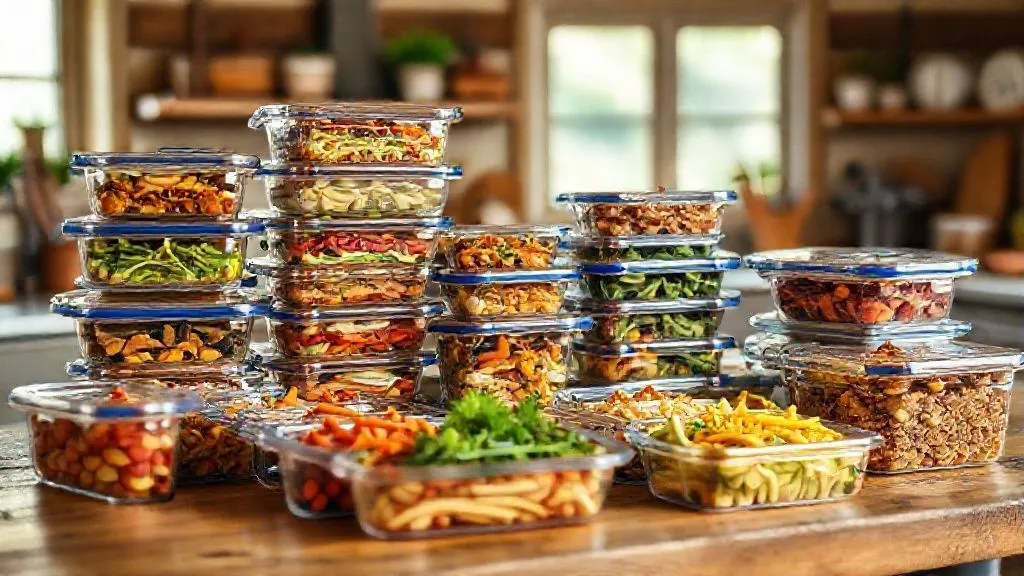
- Batch Chopping: Dedicate an hour on the weekend to chop and store vegetables for the week's meals. Store them in airtight containers in the refrigerator.
- Pre-made Marinades/Rubs: Mix up a double batch of your favorite dry rub or marinade ingredients. Store rubs in an airtight container, and marinades can be made a day or two ahead.
Smart Storage and Reheating
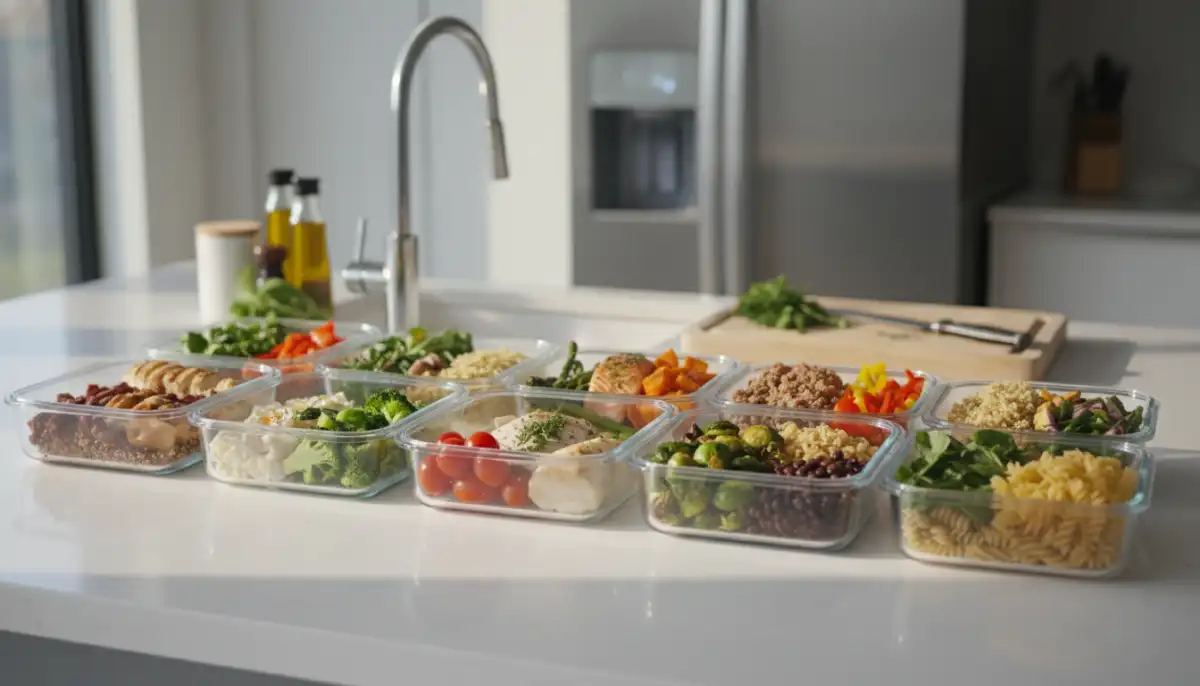
Sheet pan meals are excellent for meal prep, but proper storage and reheating are key to maintaining their quality and flavor.
- Cool Quickly: Once cooked, allow food to cool to room temperature before storing to prevent bacterial growth and condensation.
- Airtight Containers: Store individual portions in airtight containers in the refrigerator for up to 3-4 days.
- Reheating: While the microwave is convenient, reheating sheet pan meals in a toaster oven or conventional oven at 350°F (175°C) can help crisp up ingredients that might become soft in the microwave.
For best practices on food safety and storage, I often consult reliable sources like the USDA's Food Safety Guidelines.
By streamlining your tools and prep, you remove common barriers to consistent, varied, and healthy cooking, making your weekly sheet pan dinners a joy rather than a chore.
Frequently Asked Questions (FAQ)
Q: Can I really cook everything on one pan without overcooking some items? A: Absolutely, with the right technique! The key is staggered cooking. Start with ingredients that take longer to cook (like potatoes or dense root vegetables), then add mid-cook items (chicken thighs, broccoli), and finally, quick-cook items (fish, shrimp, bell peppers) in the last 8-10 minutes. Cutting ingredients into similar-sized pieces also helps ensure even cooking. Using two pans if your ingredients overcrowd one is always a better option than steaming your food.
Q: What's the best way to clean my sheet pan after sticky sauces or charred bits? A: Prevention is the best cure: always use parchment paper or a silicone baking mat. If you do get stuck-on bits, fill the pan with hot water and a squirt of dish soap immediately after use and let it soak for 15-30 minutes. A plastic scraper or a gentle scrubbing pad can then easily remove residue. For stubborn stains, a paste of baking soda and a little water can work wonders.
Q: How do I make sure my vegetables are crispy, not soggy, in a sheet pan meal? A: Several factors contribute to crispy vegetables. First, don't overcrowd the pan – give everything space to roast, not steam. Second, ensure your vegetables are thoroughly patted dry before tossing with oil and seasonings. Moisture is the enemy of crispness. Third, use high heat (400-425°F or 200-220°C) and avoid opening the oven door too frequently, which drops the temperature. Finally, a light coating of oil helps promote browning.
Q: Are sheet pan meals genuinely healthy, or just convenient? A: Sheet pan meals are inherently healthy due to their cooking method (roasting, which uses less fat than frying) and the typical inclusion of lean proteins and a wide variety of vegetables. Their convenience encourages home cooking, which is generally healthier than eating out. The healthfulness, however, depends on your ingredient choices – opting for plenty of non-starchy vegetables, lean proteins, and healthy fats, while being mindful of added sugars and excessive sodium in sauces.
Q: What are some pantry staples I should always have for diverse sheet pan meals? A: To ensure variety, keep a well-stocked pantry with: a range of dried spices (paprika, cumin, chili powder, oregano, garlic powder, onion powder), quality oils (olive, avocado, sesame), various vinegars (apple cider, balsamic, red wine), citrus fruits (lemons, limes), fresh garlic and ginger, soy sauce/tamari, honey or maple syrup, and maybe a few canned goods like chickpeas or diced tomatoes. These allow for quick pivots between different global flavor profiles.
Key Takeaways and Final Thoughts
The journey to consistently delicious, varied, and healthy sheet pan meals isn't about finding one magical recipe; it's about mastering a set of fundamental principles. As a veteran in the culinary world, I've seen firsthand how these strategies can transform a mundane cooking routine into an exciting exploration of flavors and textures. Remember, the goal is not perfection, but progress and enjoyment.
- Build Flavor Layers: Don't rely on just salt and pepper; use marinades, rubs, and vibrant finishing sauces.
- Embrace Ingredient Diversity: Strategically pair proteins, vegetables, and global flavors to avoid repetition.
- Master Roasting Technique: Understand temperature, timing, and staggered cooking for perfect doneness and browning.
- Plan for Variety: Utilize theme nights and ingredient matrices to ensure your meals are always fresh and exciting.
- Leverage Texture: Consciously add elements of crunch, creaminess, and chew to engage all your senses.
- Optimize Your Setup: Use quality pans, parchment paper, and smart prep to make the process seamless.
You now have the insights and actionable frameworks to confidently answer the question 'How to avoid bland, repetitive healthy sheet pan meals weekly?' Each meal is an opportunity to experiment, learn, and create something truly satisfying. Step into your kitchen with confidence, armed with these expert strategies, and turn your sheet pan into a canvas for culinary creativity. Your taste buds, and your weekly meal routine, will thank you.
Recommended Reading
- 7 Proven Strategies: How to Fix Muddled Flavor Profiles in Complex Fusion Dishes
- Mastering Brioche: 5 Steps to Prevent Final Proof Collapse
- 7 Steps: Decipher Obscure Client Dinner Menus & Impress
- The Secret to Unlocking Umami Flavor Pairings in Gourmet Cooking
- 5 Expert Steps: Prevent Dry Chicken & Mushy Fish in Your Meal Prep

0 Comentários: