 By
By 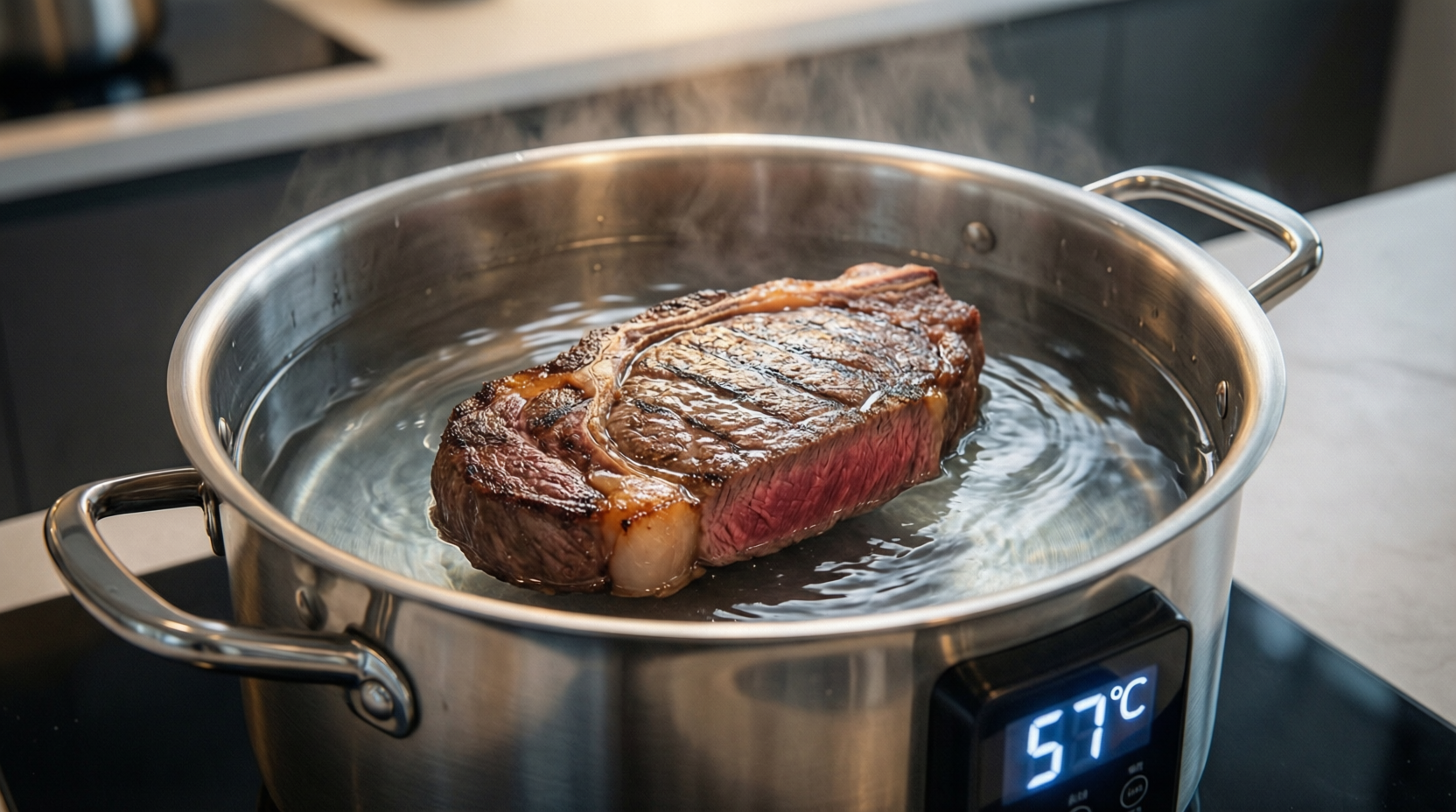
The Key to a Better Sous Vide Steak 2026
If you have been cooking sous vide steak 2026 style at home, you already know the magic of precise temperature control. The immersion circulator keeps your steak at a perfect 130°F for medium-rare, edge to edge, without any gray band. But there is one change that can elevate your results significantly, and it has nothing to do with buying a new machine or a pricier cut of meat.
After cooking dozens of steaks over the past few years, I noticed that the final texture often fell short of what I expected from restaurant-quality results. The flavor was there, but the bite was sometimes mealy or mushy, especially with thicker cuts like ribeye or sirloin. The problem was not the temperature or the time — it was the absence of a simple step that many home cooks skip entirely.
This article will walk you through that one change, why it works, and how to apply it to your next sous vide steak 2026 cook. You will also learn how to pair it with proper searing and resting techniques for a steak that rivals any high-end steakhouse.
Why Your Sous Vide Steak 2026 Might Be Missing the Mark
When you cook a steak sous vide, the meat stays in its own juices for an extended period. This is great for tenderness, but it can also lead to a loss of flavor concentration. The proteins break down, but the surface never gets the direct heat that creates a crust. That is why searing is essential.
But even with a good sear, some steaks come out tasting more like boiled meat than roasted or grilled meat. The missing element is dry brining — salting the steak and letting it rest uncovered in the refrigerator for at least 12 hours before bagging it. This simple step pulls moisture to the surface, where it evaporates, concentrating the flavor and creating a firmer, more steak-like texture.
I started dry brining my steaks before sous vide after reading about it on Wikipedia's sous vide article. The difference was immediate. The steak had a deeper beefy flavor and a texture that was more like a traditionally grilled steak. Without dry brining, the sous vide steak 2026 approach can leave you with a texture that is technically perfect but lacks that satisfying chew.
How to Dry Brine Your Sous Vide Steak 2026
Dry brining is straightforward, but there are a few key details to get right. Here is a step-by-step guide that works for any cut of steak you plan to cook sous vide.
Read also: Sous Vide Rubbery Chicken? Avoid It With These Meal Prep Secrets
- Pat the steak dry with paper towels. Moisture on the surface will prevent the salt from penetrating evenly.
- Season generously with kosher salt on all sides. Use about 1 teaspoon per pound of meat. Do not worry about over-salting — some salt will be lost during the sous vide cook.
- Place the steak on a wire rack set over a baking sheet. This allows air to circulate around the entire surface.
- Refrigerate uncovered for 12 to 24 hours. For thinner steaks (1 inch or less), 12 hours is enough. For thick steaks (1.5 to 2 inches), aim for 24 hours.
- Rinse and pat dry before bagging. This removes excess salt from the surface. Then proceed with your usual sous vide cooking method.
One common concern is that dry brining will make the steak too salty. In my experience, the opposite is true — the salt penetrates the meat, seasoning it evenly from the inside out. The result is a more flavorful steak without a salty exterior. If you are new to dry brining, start with a 12-hour brine for a sous vide steak 2026 cook and adjust from there.
Important tip: Do not skip the rinsing step if you brine for more than 18 hours. The surface salt can become concentrated and create a bitter taste if left on.
Temperature and Timing for Sous Vide Steak 2026
Once your steak is dry brined, the next critical factor is temperature. The table below shows recommended temperatures for different doneness levels when cooking sous vide. These temperatures are based on industry standards and work well for most cuts.
| Doneness | Temperature | Texture |
|---|---|---|
| Rare | 120°F - 125°F (49°C - 52°C) | Cool red center, very soft |
| Medium-Rare | 129°F - 134°F (54°C - 57°C) | Warm red center, tender but firm |
| Medium | 135°F - 144°F (57°C - 62°C) | Pink center, firmer bite |
| Medium-Well | 145°F - 155°F (63°C - 68°C) | Slightly pink, quite firm |
| Well Done | 156°F+ (69°C+) | No pink, very firm, risk of dryness |
For a classic sous vide steak 2026 experience, medium-rare at 131°F is the sweet spot. The dry brining ensures the steak stays juicy even at this lower temperature, because the salt has helped the proteins retain moisture.
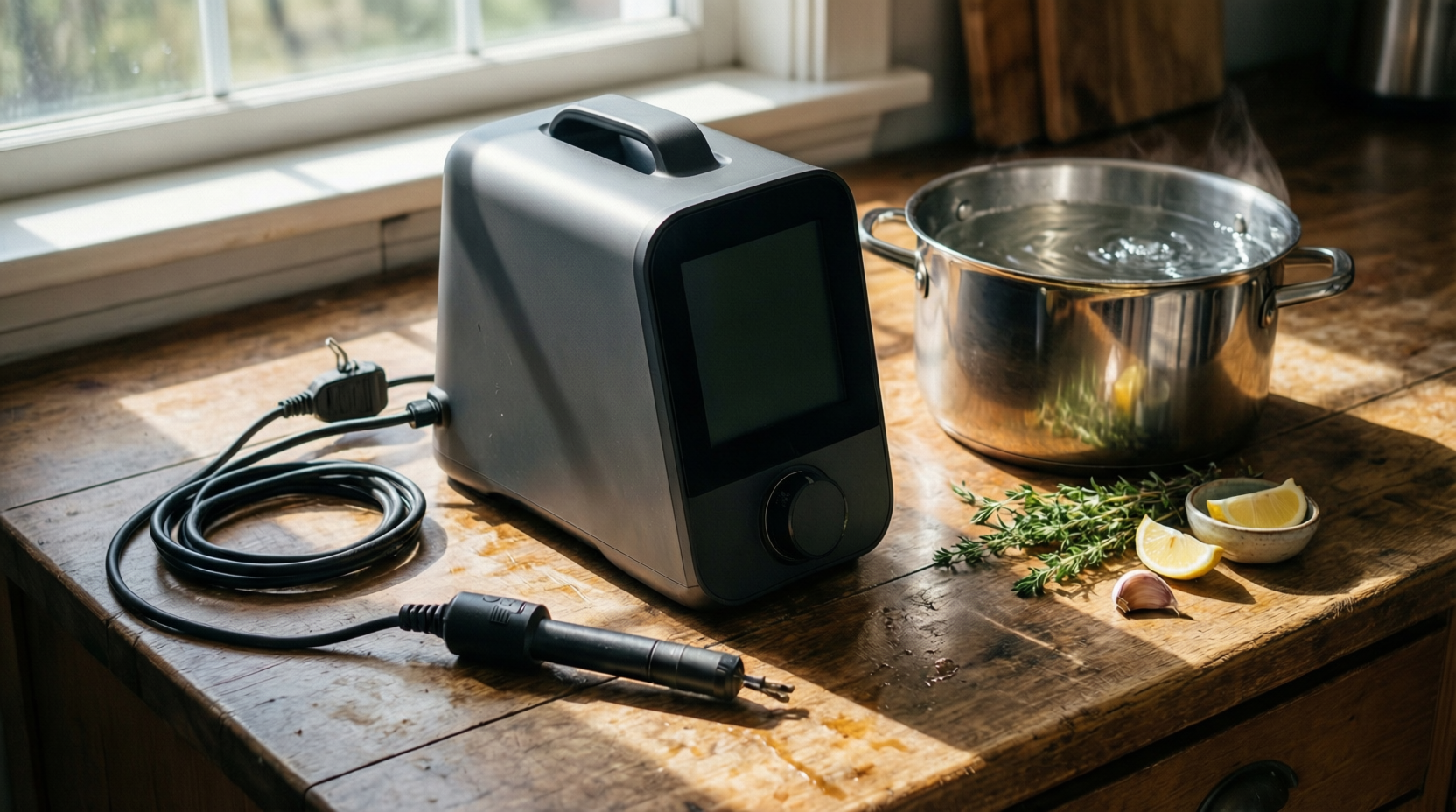
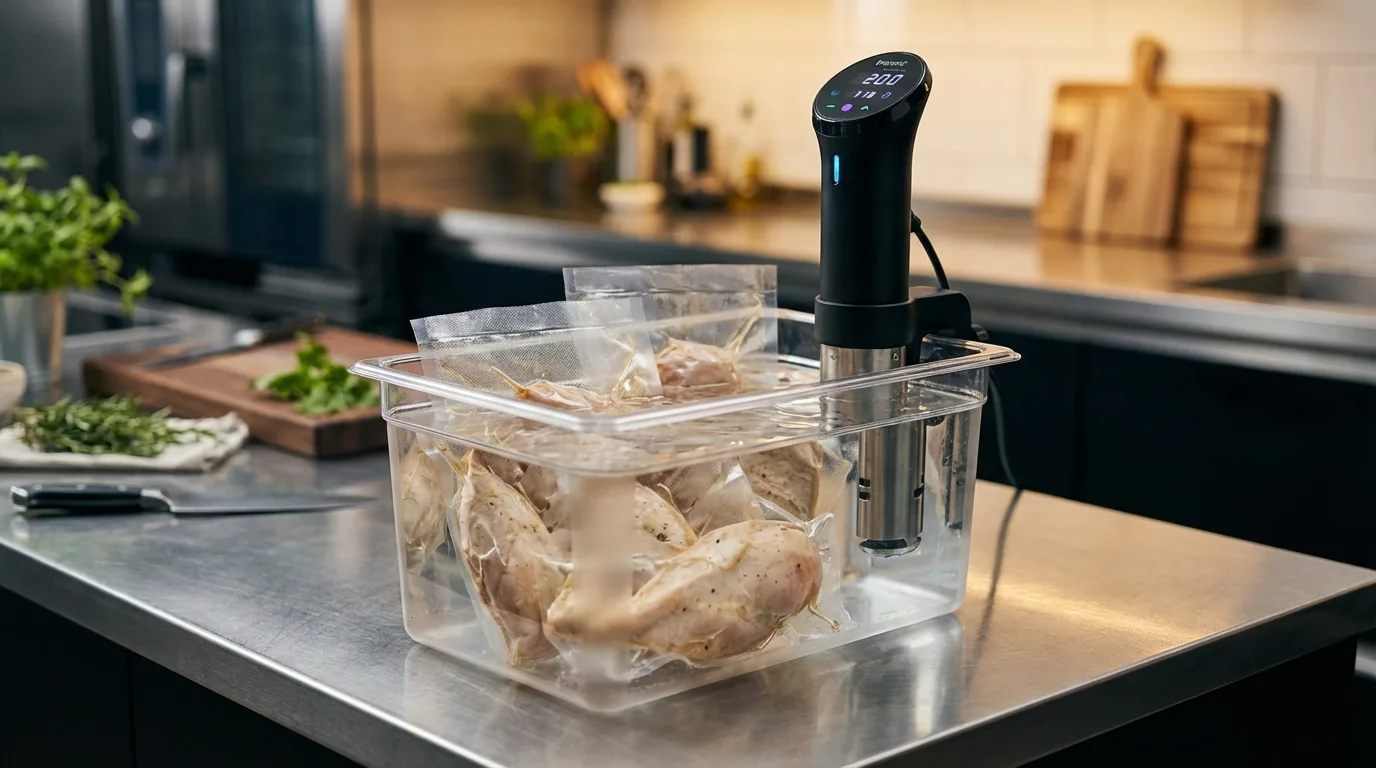
Timing depends on thickness. A 1-inch steak needs about 1 to 1.5 hours in the water bath. A 2-inch steak requires 2 to 3 hours. You can hold the steak in the bath for up to 4 hours without significant texture loss, but beyond that, the meat can start to break down and become mushy. If you are using a Anova Precision Cooker or a Breville Joule, both offer precise temperature control and timers to avoid overcooking.
See also: Prevent Quality Loss: 7 Expert Tips for Held Sous Vide Dishes
The Sear – Finishing Your Sous Vide Steak 2026
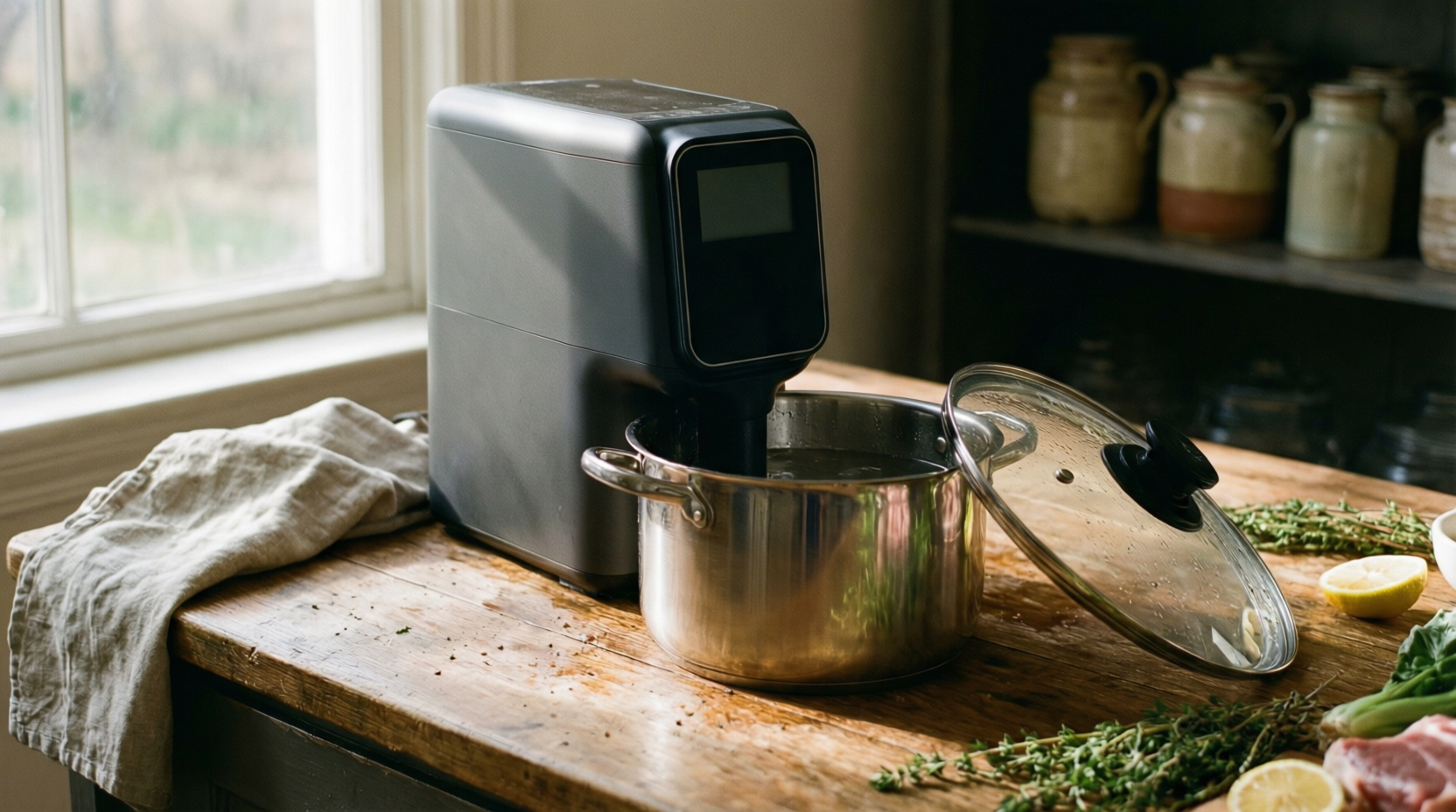
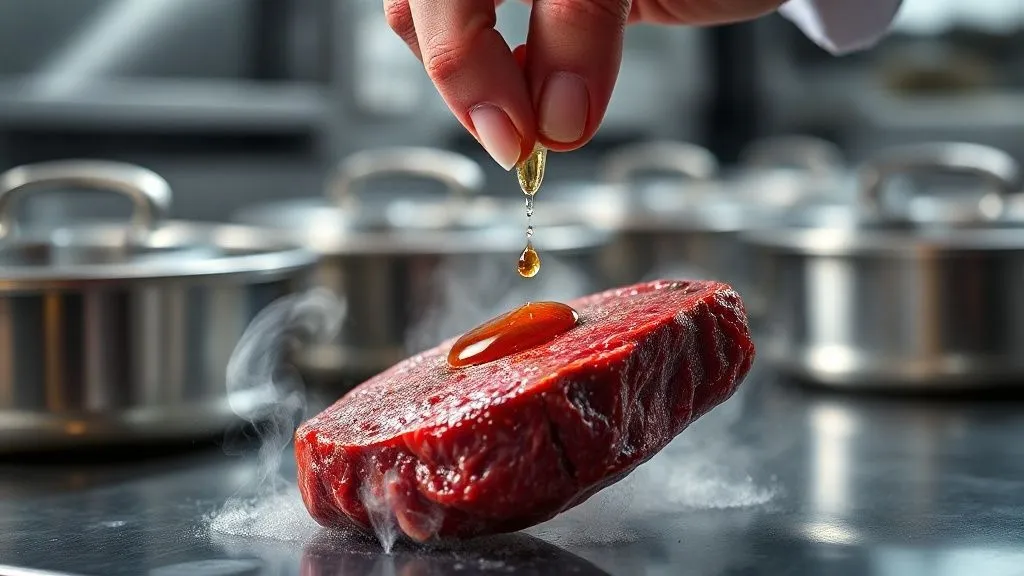
After the water bath, the steak needs a proper sear to develop a crust. Dry brining helps here too — the surface dries out during the brine, which means less moisture to steam away during searing. A dry surface is the secret to a deep, brown crust.
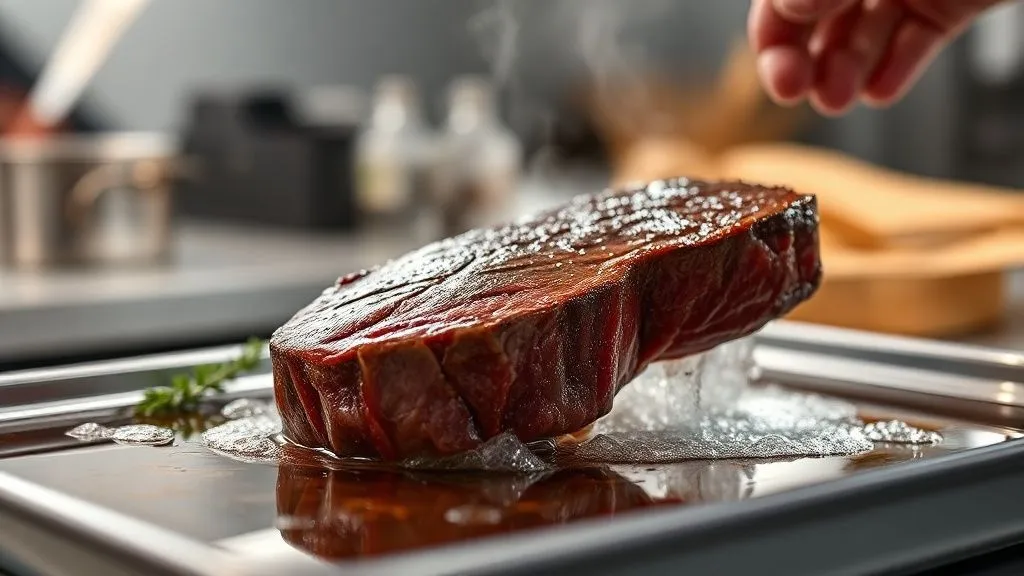
There are several searing methods, but the most reliable is a cast-iron skillet with high-smoke-point oil like avocado or grapeseed. Heat the skillet until it is smoking hot, then add the steak. Sear for 30 to 45 seconds per side, including the edges. Do not move the steak while it sears — let it develop a crust.
Some cooks prefer a torch or a chimney starter for an even more intense sear. If you have a propane torch, it can give you a crust in under a minute without heating up the kitchen. Just be careful not to overdo it — the goal is to brown the surface, not cook the interior further.
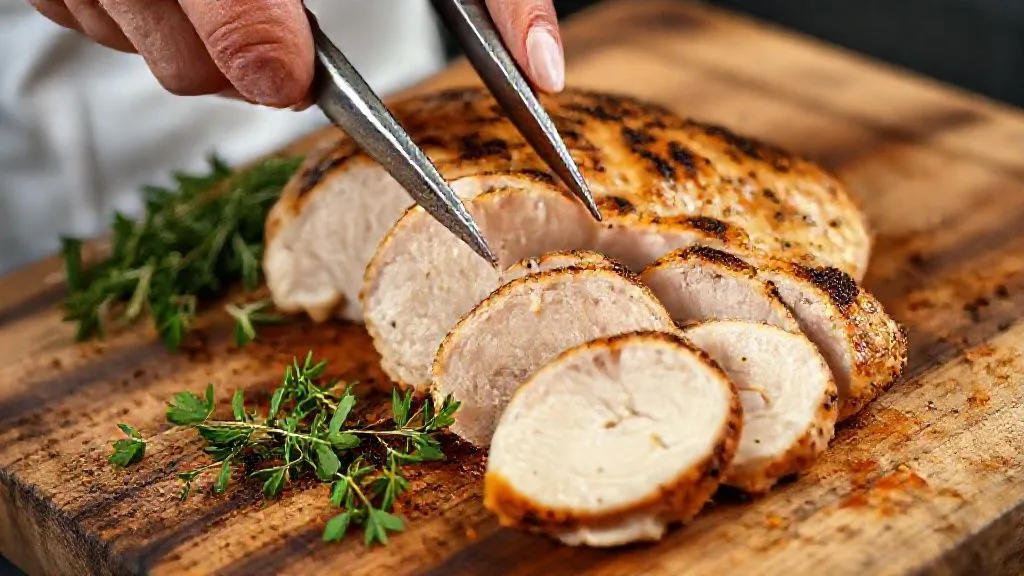
After searing, let the steak rest for 2 to 3 minutes. This allows the juices to redistribute. Slice against the grain for maximum tenderness. The combination of dry brining, precise sous vide cooking, and a quick sear makes for a sous vide steak 2026 that is hard to beat.
Common Searing Mistakes
- Using butter too early: Butter burns at high heat. Add it only in the last 15 seconds of searing, or use clarified butter.
- Not drying the steak: Any moisture on the surface will steam instead of sear. Pat the steak dry with paper towels right before searing.
- Searing too long: More than 60 seconds per side can overcook the outer layer. Keep it quick and hot.
Choosing the Right Cut for Sous Vide Steak 2026
Not all cuts benefit equally from sous vide. Tougher cuts like chuck or brisket need long cooking times (24 to 48 hours) to break down connective tissue. Tender cuts like filet mignon or ribeye shine with shorter cooks of 1 to 3 hours.
For a sous vide steak 2026 dinner, I recommend starting with a 1.5-inch thick ribeye. The marbling keeps it juicy, and the dry brining enhances the beefy flavor. If you are on a budget, sirloin or tri-tip also work well — just add an extra hour in the water bath to tenderize them.
Check out: Your Smart Meal Planner for 2026 Might Be Overcomplicating Healthy Eating
Current prices for steaks vary, but you can expect to pay around $12 to $20 per pound for ribeye at most grocery stores. Sirloin runs about $8 to $12 per pound. The dry brining step adds no cost, just a little planning ahead. For the immersion circulator itself, entry-level models like the Monoprice sous vide circulator cost around $50 to $70, while premium models like the Anova Precision Cooker 3.0 are in the $100 to $150 range. Approximate prices as of 07/06/2026, subject to change. Check official sources for current values.
FAQ
Can I dry brine a frozen steak for sous vide steak 2026? Yes, but it is better to thaw the steak first. Dry brining a frozen steak is less effective because the salt cannot penetrate the ice crystals evenly. Thaw in the refrigerator overnight, then dry brine for 12 hours before cooking.
Do I need to add other seasonings during dry brining? Stick to salt only for the dry brine. Pepper and other spices can burn during searing or become bitter during long sous vide cooks. Add pepper after the sear, just before serving.
What is the best way to store leftover sous vide steak 2026? Refrigerate in an airtight container for up to 3 days. To reheat, use the sous vide bath at 130°F for 10 minutes, then sear again quickly. Avoid microwaving — it ruins the texture.
Conclusion
The one simple change that will transform your sous vide steak 2026 is dry brining. It is free, easy, and requires only salt and time. Combined with precise temperature control and a quick sear, it delivers a steak with better flavor, firmer texture, and a crust that actually sticks.
- Dry brine for 12 to 24 hours before cooking.
- Cook at 131°F for medium-rare, adjusting time based on thickness.
- Sear in a hot skillet or with a torch for 30 to 45 seconds per side.
- Rest for 2 to 3 minutes before slicing.
For more content, visit the homepage of Cooking Melt.
Next time you plan a steak dinner, give dry brining a try. The extra planning is minimal, but the payoff is a steak that tastes like it came from a professional kitchen. Your sous vide setup is already capable — this one change makes it deliver every time.

0 Comentários: