 By
By 
Why Your Smart Meal Planner 2026 Should Simplify, Not Stress You Out
The smart meal planner 2026 market has exploded, with NutriTech's Smart Meal Planner Pro 2026 launching on March 15, 2026, at a subscription of $29.90 per month or $299.00 annually. But here's the reality: many of these tools promise the moon but deliver a tangled mess of features that actually make eating healthy harder. If you've ever spent 20 minutes entering every ingredient into an app only to abandon the plan by Wednesday, you're not alone.
The core problem is that most meal planners treat your kitchen like a data center—tracking macros, calories, and micronutrients down to the milligram—while ignoring the human factor: you're busy, you have cravings, and you don't always have time to cook a five-ingredient meal. So how do you cut through the noise and find a tool that actually works for your real life?
This article breaks down exactly what to look for in a smart meal planner 2026, what features matter most, and how to avoid the pitfalls of overcomplication. We'll cover real-world pricing, the latest supermarket integration news from May 2026, and practical strategies to keep your meal planning simple and sustainable.
For more information, see: smart meal planner 2026 - Wikipedia.
For more information, see: USA.gov.
What a Smart Meal Planner 2026 Actually Does (and Shouldn't Do)
At its best, a smart meal planner 2026 acts like a personal assistant for your kitchen. It suggests meals based on your dietary preferences, generates a shopping list, and maybe even syncs with your calendar. The Smart Meal Planner Pro 2026, for example, uses AI-driven macro tracking and real-time grocery integration—meaning you can order ingredients directly from Pão de Açúcar or Carrefour through the app after a May 20, 2026 update.
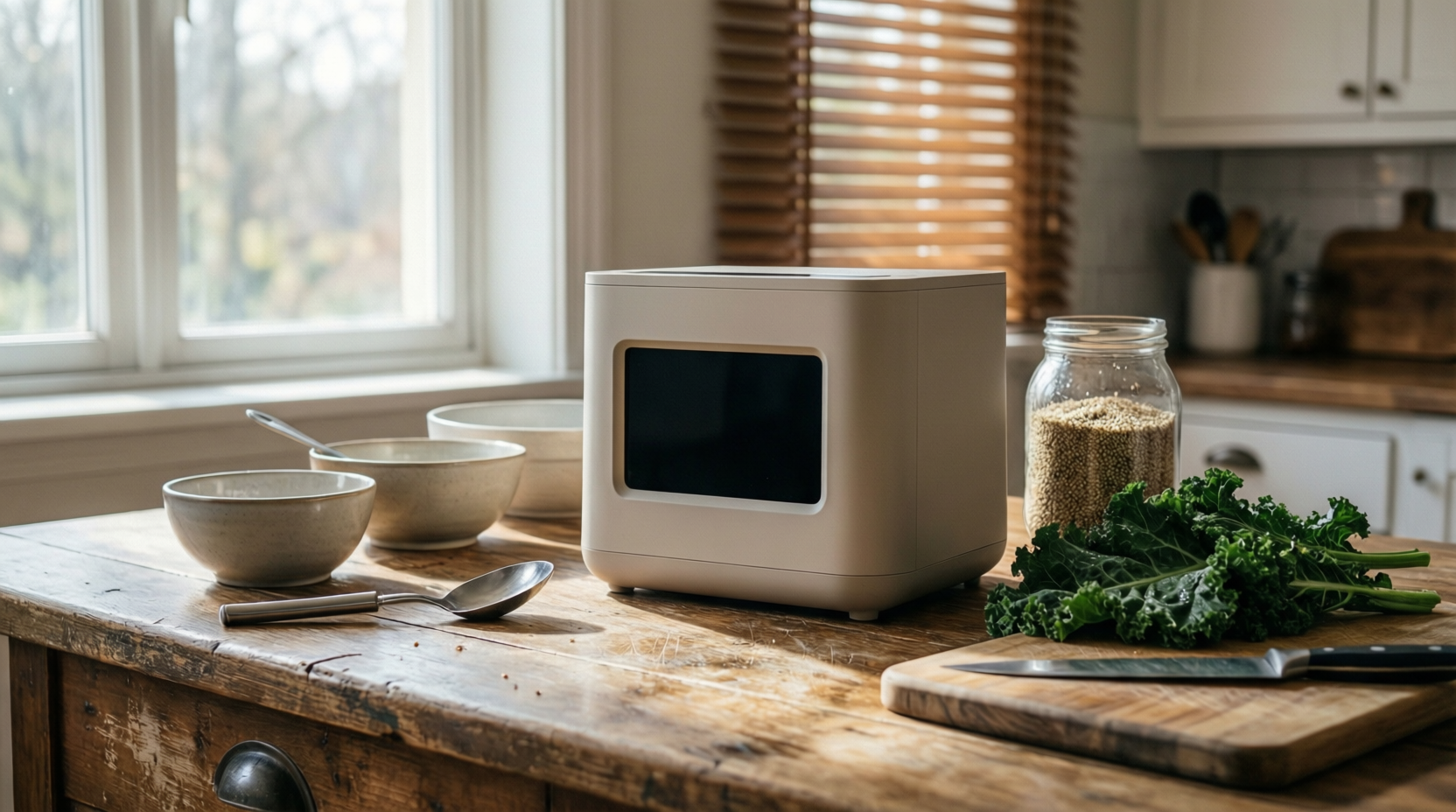
But here's where things go off the rails. Many planners bombard you with notifications: "Time to log your breakfast!" "You're 14 grams short on protein!" "Your vitamin D is low—add salmon!" Instead of feeling empowered, you feel like you're failing a test you never signed up for. A good meal planner should fade into the background once it's set up, not demand constant attention.
Read also: Your Smart Food Scale in 2026 Might Be Sabotaging Your Healthy Eating Goals
Before you commit to any tool, ask yourself: Does this app make my life easier, or does it create more tasks? If the answer is the latter, it's not the right fit—no matter how many features it has.
Key Features That Matter (and One That Doesn't)
Must-Have – Real Grocery Integration
The May 2026 update that tied NutriTech's planner to major supermarket chains was a game-changer. When your meal plan automatically generates a shopping list that you can order with one tap, you save serious time. Look for a smart meal planner 2026 that connects to local grocery delivery services or at least exports a clean list you can copy into Instacart or Amazon Fresh.
Must-Have – Flexible Meal Swaps
Life happens. You forget to defrost chicken, or your kid demands pizza. A rigid planner that doesn't let you swap Tuesday's dinner for Thursday's is a recipe for abandonment. The best planners allow drag-and-drop rescheduling or one-click substitutions based on what you already have in your pantry.
Nice-to-Have – AI Macro Tracking
If you're training for a marathon or managing a medical condition, macro tracking is useful. But for most people, approximate awareness is enough. The AI in the Smart Meal Planner Pro 2026 can adjust portions automatically, which is helpful—but don't let perfect macro numbers become an obsession.
Skip – Over-the-Top Micronutrient Analysis
Unless your doctor specifically told you to track zinc or magnesium, you don't need an app that breaks down every vitamin. This feature adds complexity without real-world benefit for the average eater.
See also: Quick One Pot Dinners: 7 Stress-Free Meals for Exhausted Chefs
Practical tip: Choose a planner that asks you three questions (dietary restrictions, cuisine preference, and how many meals per week you want to cook) and then gets out of your way. The less time you spend in the app, the more time you spend actually eating well.
Comparing Costs – Is the Subscription Worth It?
Pricing for meal planning apps varies widely. Here's a realistic comparison of what you might pay in 2026:
| Tool | Monthly Price (USD) | Annual Price (USD) | Key Differentiator |
|---|---|---|---|
| Smart Meal Planner Pro 2026 | $29.90 | $299.00 | AI macro tracking + grocery integration |
| Mealime (Premium) | $9.99 | $59.99 | Simple meal swaps, no AI |
| Paprika Recipe Manager | $4.99 (one-time) | N/A | No AI, manual planning |
Approximate prices as of 06/06/2026, subject to change. Check official sources for current values. The Smart Meal Planner Pro 2026 is the most expensive option, but it also offers the most automation. If you cook 5+ nights a week and value time over cost, the annual plan might pay for itself in reduced takeout spending. For occasional meal planners, a simpler tool like Mealime or even a paper planner might serve you better.
How to Set Up Your Smart Meal Planner 2026 Without Overcomplicating It
Getting started with any meal planner can feel overwhelming. Follow these steps to keep it simple:
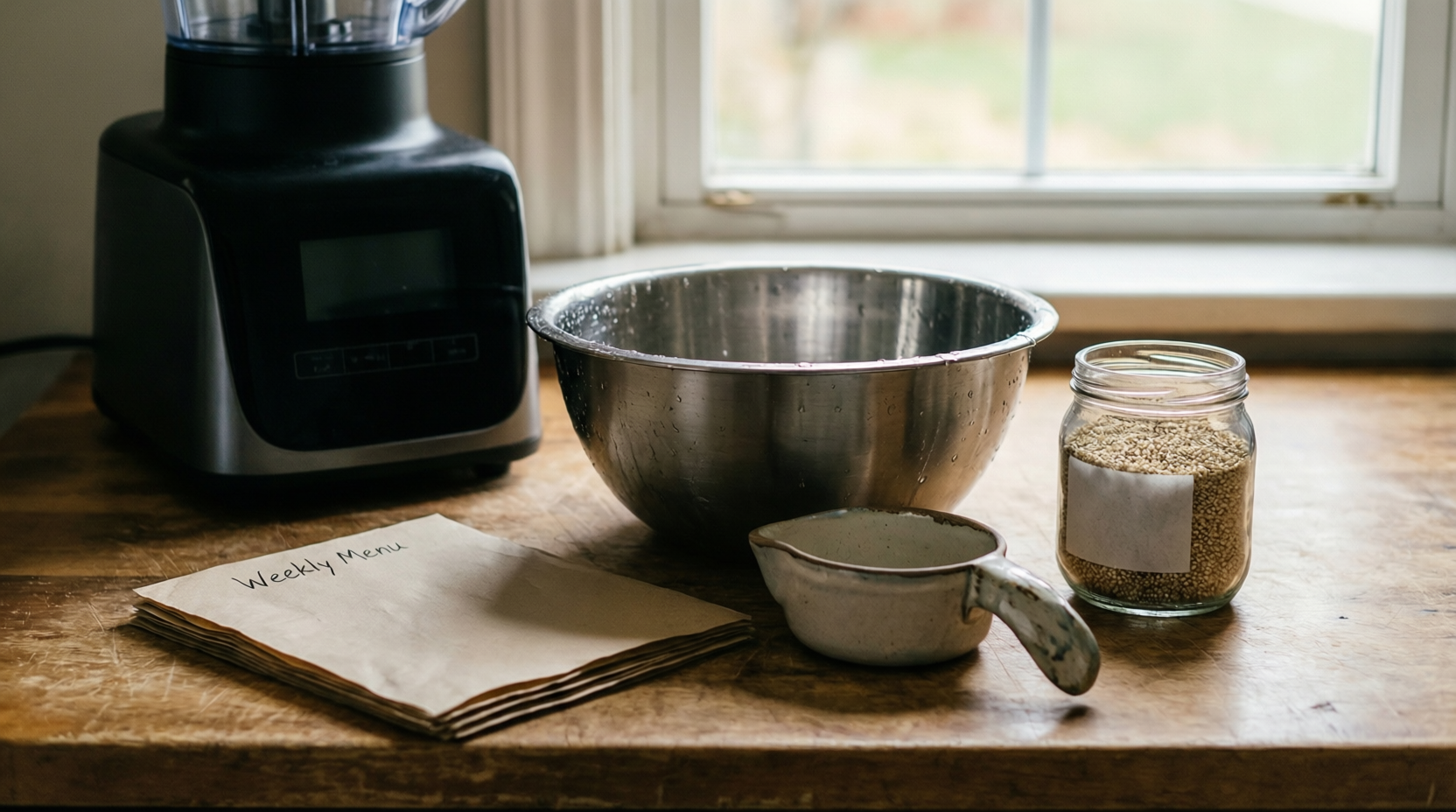
- Start with one week. Don't plan a full month. Choose 3-4 dinners and 2 lunches. Leave room for leftovers and spontaneous eating out.
- Use the grocery list feature immediately. After you pick your meals, generate the list and order what you can. The Smart Meal Planner Pro 2026's integration with Carrefour and Pão de Açúcar makes this seamless, but even a manual list helps you avoid mid-week store runs.
- Set reminders, not alarms. Configure the app to remind you to prep ingredients the night before, not to log every bite. Over-logging leads to burnout.
- Review and adjust weekly. Every Sunday, spend 10 minutes tweaking the next week's plan. Delete meals you didn't enjoy, repeat ones you loved.
If you find yourself skipping steps or ignoring the app after day three, scale back. Plan two dinners and one lunch instead. Consistency beats complexity every time.
The Supermarket Integration Update – What It Means for You
On May 20, 2026, NutriTech flipped the switch on direct in-app ordering. This means if you're using the smart meal planner 2026 from NutriTech, you can select meals, review the generated shopping list, and send the order to a partner supermarket without leaving the app. For busy families or professionals, this eliminates the biggest friction point: the actual grocery trip.
Check out: Sous Vide Rubbery Chicken? Avoid It With These Meal Prep Secrets
However, this feature is only as good as the supermarket's stock and delivery window. In practice, you may still need to substitute items if something is out of stock. The app handles this by suggesting alternatives based on your meal plan, but it's not perfect. Keep a backup list of quick meals (like pasta aglio e olio or a simple stir-fry) for nights when the delivery fails.
FAQ
Can a smart meal planner 2026 really save me money? It can, if you use it consistently. By planning meals around what's on sale and reducing food waste, many users report saving 15-25% on their monthly grocery bill. The Smart Meal Planner Pro 2026's annual subscription costs about $299, so you'd need to save roughly $25 per month to break even.
Do I need an AI-powered planner, or is a simpler app fine? AI features like automatic macro adjustments and recipe recommendations are convenient, but they're not essential for most people. If you're comfortable planning your own meals, a basic app like Mealime or even a spreadsheet works well. The AI is most valuable if you have specific dietary goals (e.g., high protein, low carb) and want the app to adapt recipes automatically.
What happens if I cancel my subscription mid-year? Most planners, including NutriTech's, allow you to keep any downloaded recipes and meal plans, but you lose access to the AI features and grocery integration. Always check the cancellation policy before subscribing annually.
Conclusion
The smart meal planner 2026 landscape offers powerful tools, but the best one is the one you actually use. NutriTech's Smart Meal Planner Pro 2026 is a solid choice if you value automation and grocery integration, but it's not the only option. Remember these takeaways:
- Prioritize simplicity: A tool that takes 10 minutes per week is better than one that takes 30 minutes and gets abandoned.
- Test before committing: Use free trials (NutriTech offers a 14-day trial) to see if the app fits your routine.
- Focus on the grocery integration: The May 2026 supermarket update is a real time-saver, but it only works if you live in a covered area.
- Don't let perfectionism win: You don't need to hit every macro target. Eating a home-cooked meal 80% of the time is a huge win.
For more content, visit the homepage of Cooking Melt.
Healthy eating shouldn't feel like a second job. Pick a planner that supports your life, not one that demands you rearrange it. Start small, stay consistent, and let the technology do the heavy lifting—not the other way around.


0 Comentários: