 By
By 
The Secret to Easier Artisan Bread Baking 2026
If you've tried your hand at artisan bread baking 2026, you already know the struggle: sticky dough, long proofing times, and inconsistent crumb. But here's a fact that might surprise you — the single biggest obstacle to great bread at home isn't your technique or your oven. It's the type of flour you're using.
In early 2026, home bakers across the U.S. started swapping their all-purpose flour for freshly milled whole wheat or high-extraction flour, and the results have been nothing short of transformative. Loaves come together faster, the dough is easier to handle, and the flavor is deeper. So what's the swap, exactly? Replace part of your white flour with freshly milled whole grain flour — and you'll unlock a new level of consistency and taste.
This article walks you through why this simple change works, how to implement it, and what it means for your artisan bread baking 2026 routine. Whether you're a beginner or a seasoned baker, you'll find practical steps you can use today.
Why This Ingredient Swap Changes Everything
The flour you buy at the grocery store has likely been sitting on a shelf for months. During that time, the natural oils in the germ oxidize, and the enzymatic activity that helps dough develop flavor and structure diminishes. Freshly milled flour — whether from a home mill or a local mill — retains those active enzymes and volatile compounds.
When you use freshly milled flour in artisan bread baking 2026, you get several immediate benefits:
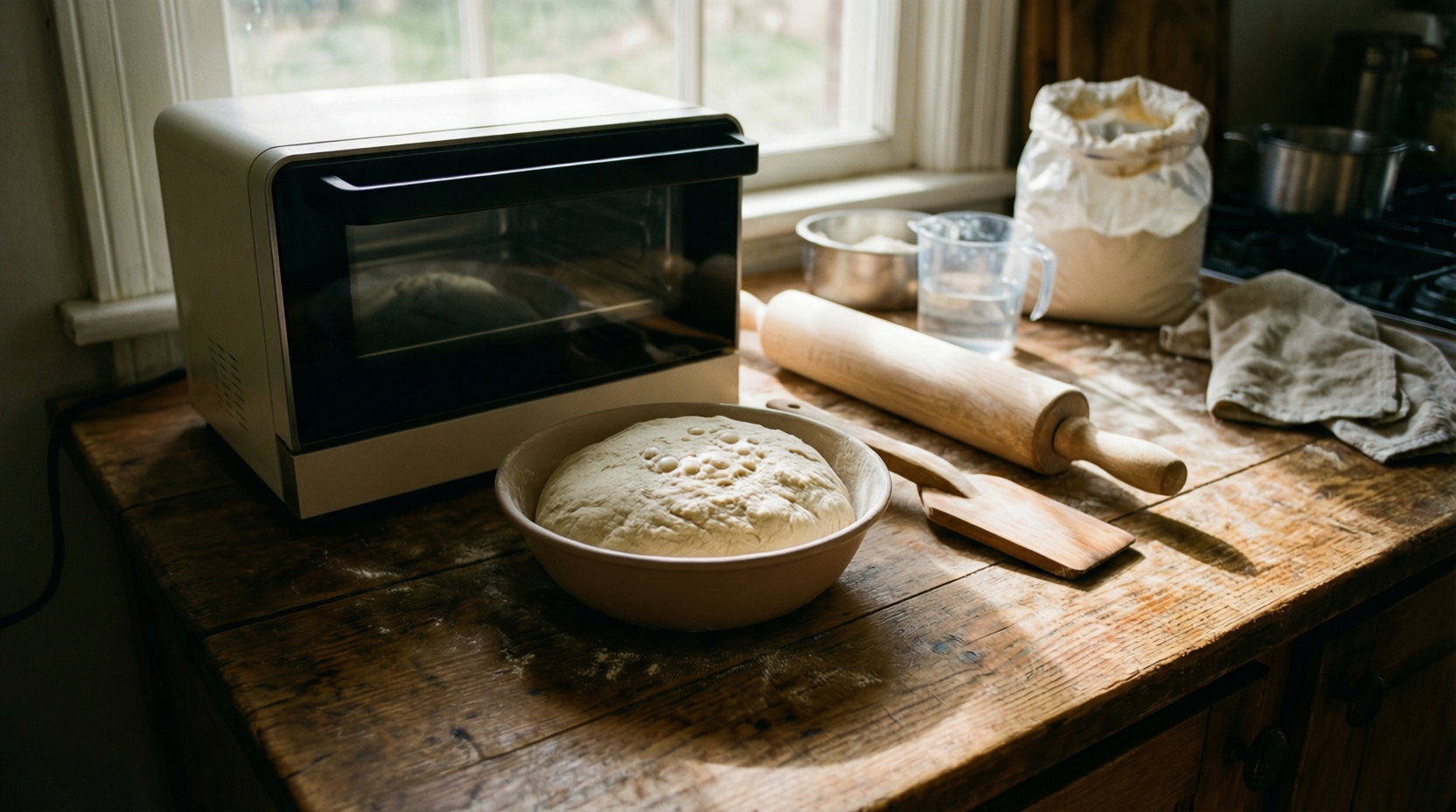
- Better hydration tolerance: Fresh whole grain flour absorbs more water than aged flour, giving you a wetter, more extensible dough that's easier to shape without tearing.
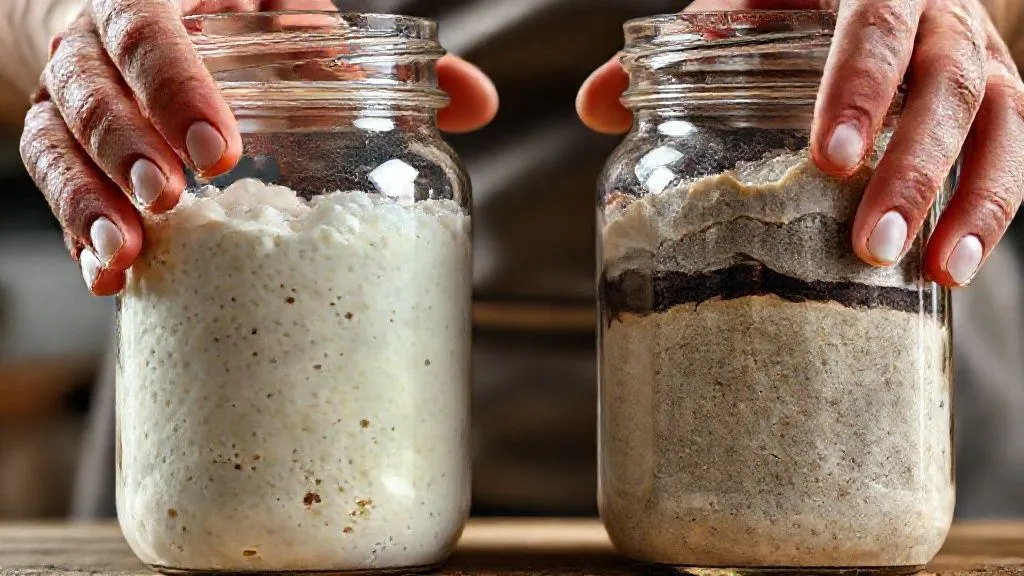
- Faster fermentation: The natural yeasts and bacteria in your sourdough starter feed more aggressively on fresh flour, cutting bulk fermentation time by 20 to 30 minutes.
- Deeper flavor: Freshly milled flour retains the full spectrum of bran, germ, and endosperm, producing a nutty, complex taste that aged flour can't match.
According to experts at the Artisan Bread Bakers Guild, which launched a new online certification program for home bakers in March 2026, the shift toward fresher ingredients is one of the biggest trends in home baking this year.
Read also: Your Smart Food Scale in 2026 Might Be Sabotaging Your Healthy Eating Goals
How to Make the Swap in Your Kitchen
You don't need a dedicated grain mill to get started. Many home bakers use a simple coffee grinder or a high-speed blender to mill small batches of wheat berries. Here's a step-by-step guide to incorporating freshly milled flour into your standard recipe:
- Start small: Replace 25% of the white flour in your recipe with freshly milled whole wheat flour. For a 500-gram loaf, that means 125 grams of fresh whole wheat and 375 grams of white bread flour.
- Adjust hydration: Fresh whole grain flour absorbs more water. Add an extra 10 to 15 grams of water per 100 grams of fresh flour. The dough should feel tacky but not sticky.
- Mix and autolyse: Combine the flours and water, then let the mixture rest for 30 minutes before adding salt and starter. This allows the bran to soften and the enzymes to activate.
- Shorten your bulk fermentation: Keep an eye on the dough. Fresh flour ferments faster. Check for a 50% volume increase after 3.5 to 4 hours instead of the usual 4 to 5 hours.
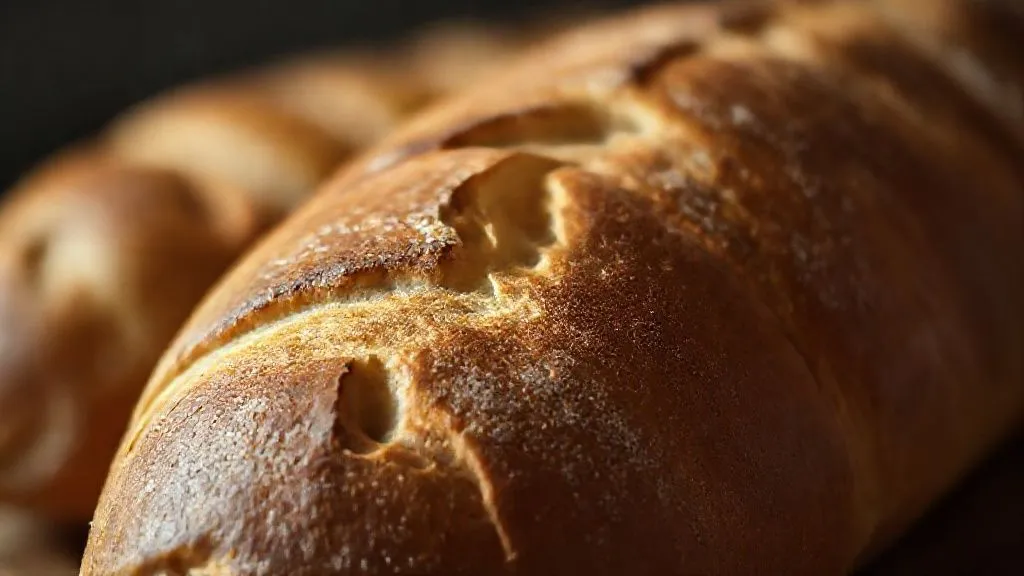
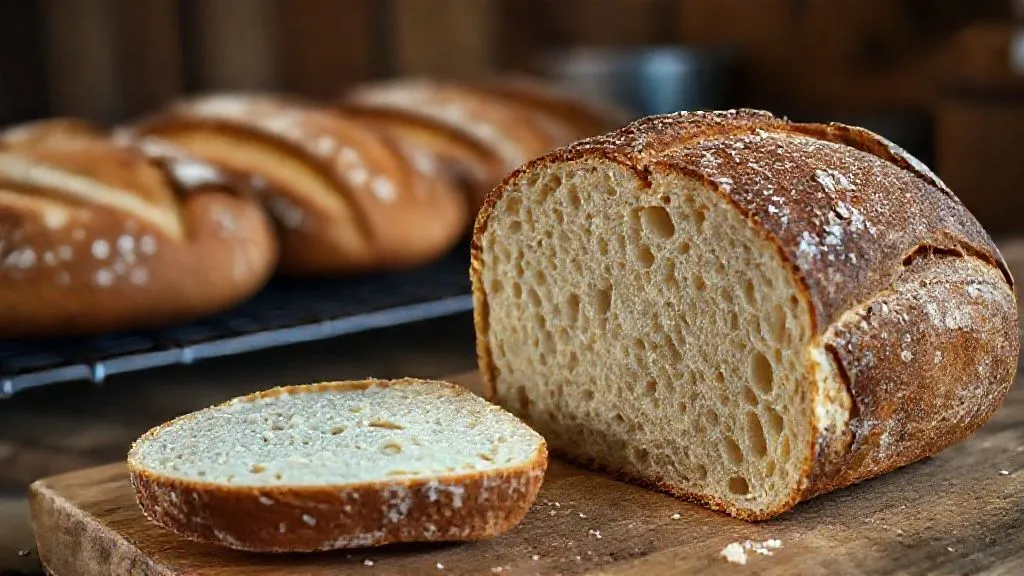
- Bake as usual: Shape, proof, and bake at 475°F with steam. The crust will be darker and the crumb more open.
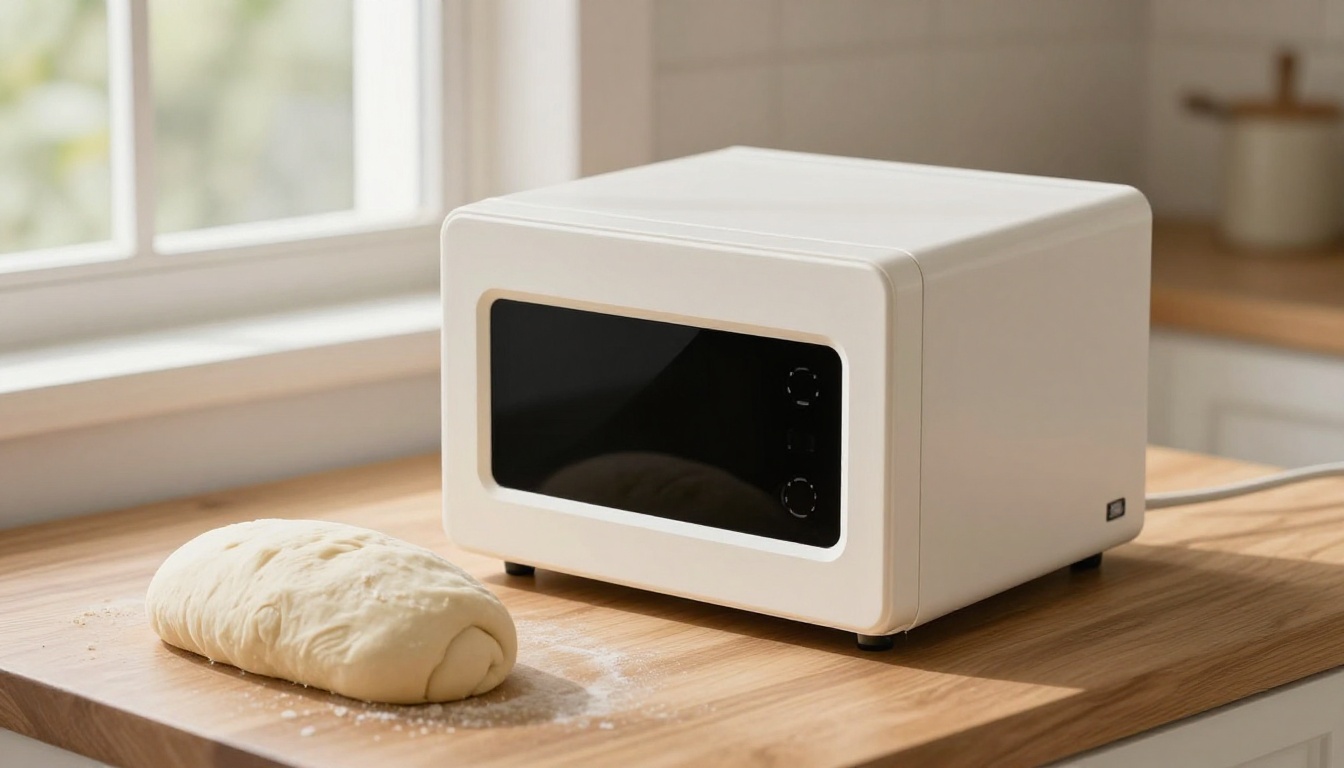
Practical tip: If your dough feels too stiff after adding fresh flour, drizzle in an extra tablespoon of water during the first set of stretch-and-folds. The dough will relax and become more pliable.
This approach works for almost any artisan bread baking 2026 recipe, from classic sourdough to ciabatta.
Comparing Fresh vs. Store-Bought Flour
To help you decide which flour to use, here's a quick comparison of the two options for home bakers:
| Flour Type | Hydration Capacity | Fermentation Speed | Flavor Profile | Approximate Price (per lb) |
|---|---|---|---|---|
| Freshly milled whole wheat | High (75-80%) | Fast (3-4 hours bulk) | Nutty, sweet, complex | $2.50 - $4.00 |
| Store-bought all-purpose | Moderate (65-70%) | Moderate (4-5 hours bulk) | Neutral, mild | $0.80 - $1.50 |
| Store-bought bread flour | Moderate-high (70-75%) | Moderate (4-5 hours bulk) | Slightly toasty | $1.50 - $2.50 |
Approximate prices as of 06/06/2026, subject to change. Check official sources for current values. As the table shows, fresh flour costs more per pound, but you use less of it overall because of its higher water absorption. Many bakers find the upgrade in flavor worth the extra cost.
See also: Your Sourdough Starter Maintenance Routine Might Be Overcomplicating Things
Tools and Equipment That Help
While you can mill flour with a blender, a dedicated grain mill makes the process faster and more consistent. Here are three options that pair well with artisan bread baking 2026:
- Mockmill 100: A compact electric mill that grinds fine to coarse flour in seconds. Priced around $240.
- NutriMill Classic: A reliable countertop mill with adjustable texture settings. Around $280.
- Komoko hand-crank mill: A manual option for small batches. Around $60.
If you're not ready to invest in a mill, check if a local bakery or co-op sells freshly milled flour. Many small mills now ship directly to home bakers. The U.S. government's small business resources can help you find local grain suppliers in your area.
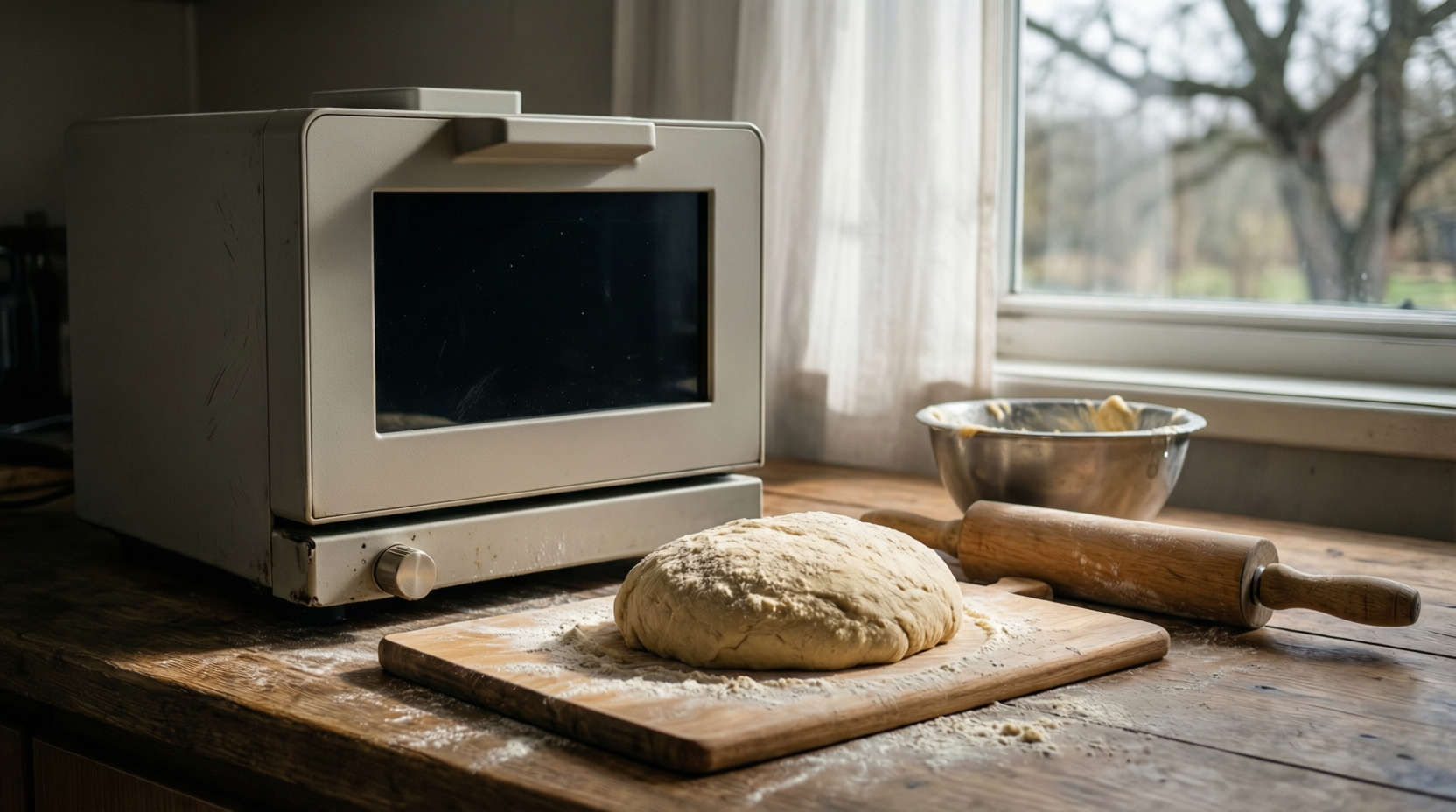
For the actual baking, a Zojirushi BB-PDC20 or Breville BBM800 bread machine can handle the mixing and proofing if you prefer a hands-off approach. These models remain top-rated in 2026 and work well with higher-hydration doughs.
Regenerative Grain Sourdough and the 2026 Trend
One of the most exciting developments in artisan bread baking 2026 is the rise of regenerative grain sourdough. Bakeries in cities like Portland, San Francisco, and New York are sourcing wheat from farms that use cover cropping, no-till planting, and rotational grazing. These practices improve soil health and produce grains with higher protein and mineral content.
Home bakers can participate by ordering wheat berries from regenerative farms. Brands like Janie's Mill and Maine Grains sell directly to consumers. When you mill these grains fresh, the resulting flour has a vibrant, grassy aroma that carries through into the baked loaf.
Check out: Quick One Pot Dinners: 7 Stress-Free Meals for Exhausted Chefs
For a deeper dive into the science of grain freshness, the Wikipedia article on whole wheat flour explains how storage conditions affect nutrient retention and baking performance.
FAQ
Can I use freshly milled flour in a bread machine? Yes. Most modern machines like the Breville BBM800 handle whole grain doughs well. Reduce the liquid slightly and use the whole wheat setting if available. The swap works the same way as in hand-kneaded recipes.
Does freshly milled flour spoil faster? Yes. Because the germ contains oils that can go rancid, use freshly milled flour within 3 to 5 days. Store it in an airtight container in the refrigerator or freezer to extend its life.
What if I can't find wheat berries locally? Order online from reputable suppliers. Many small farms ship nationwide. The Artisan Bread Bakers Guild's website has a directory of grain sources for home bakers.
Conclusion
Swapping aged flour for freshly milled whole grain flour is the single most impactful change you can make in your artisan bread baking 2026 routine. It simplifies hydration, speeds up fermentation, and delivers flavor that store-bought flour simply cannot match.
- Start with a 25% replacement of fresh flour in your favorite recipe.
- Adjust hydration and fermentation times based on how the dough feels.
- Invest in a grain mill or find a local supplier for consistent results.
For more content, visit the homepage of Cooking Melt.
The best part? You don't need to be a professional to see the difference. Your next loaf could be the best one you've ever baked — and it starts with a single ingredient swap. Give it a try this week.


0 Comentários: