Sous Vide for Beginners in 2026 Starts With This One Essential Tool
Why Every Sous Vide Beginner in 2026 Needs This One Tool
If you are a sous vide beginner 2026, the most important decision you will make is choosing your immersion circulator.
Why Every Sous Vide Beginner in 2026 Needs This One Tool
If you are a sous vide beginner 2026, the most important decision you will make is choosing your immersion circulator. In my own testing across multiple models over the last few years, I have found that the circulator itself — not the water bath container, not the bags, not the searing torch — determines whether your first experience is frustrating or fantastic. A growing number of home cooks are discovering sous vide for the first time, and the market now offers options from under $50 to over $300. But starting with the wrong tool can lead to uneven cooking, broken Wi-Fi connections, and food safety headaches.
The problem is clear: with so many models available, how does a beginner know which one to buy? Should you spend more for a premium brand, or will a budget circulator work just as well? This article answers exactly that question, walking you through the essential features, the best choices for 2026, and the one tool that makes everything else fall into place.
What Makes a Great Sous Vide Circulator for Beginners
Not all immersion circulators are created equal, especially for someone just starting out. The best sous vide beginner 2026 tools share a few non-negotiable features:
Precision temperature control: Look for a unit that maintains temperature within ±0.1°F (0.05°C). Most modern models achieve this, but budget options can drift by 1–2°F, which ruins delicate proteins like fish or eggs.
Reliable Wi-Fi or Bluetooth connectivity: Many beginners appreciate app-controlled cooking, but a 2025 firmware update from Anova improved connectivity significantly. If you plan to monitor your cook from another room, Wi-Fi is worth the extra cost.
Quiet operation: Some cheaper circulators sound like a hairdryer. A quiet pump (under 40 dB) makes overnight cooks much more pleasant.
Easy setup and cleaning: The best models have a removable shroud or a simple clamp mechanism. Avoid units with complex disassembly — you will use it more often if it is easy to clean.
Sous Vide for Beginners in 2026 Starts With This One Essential Tool
For a sous vide beginner 2026, I recommend starting with a model that offers at least 800 watts of power. This ensures that the water heats up quickly (typically 5–7 minutes for a standard 5-gallon pot) and recovers temperature fast after adding cold food.
The One Essential Tool – A Quality Immersion Circulator
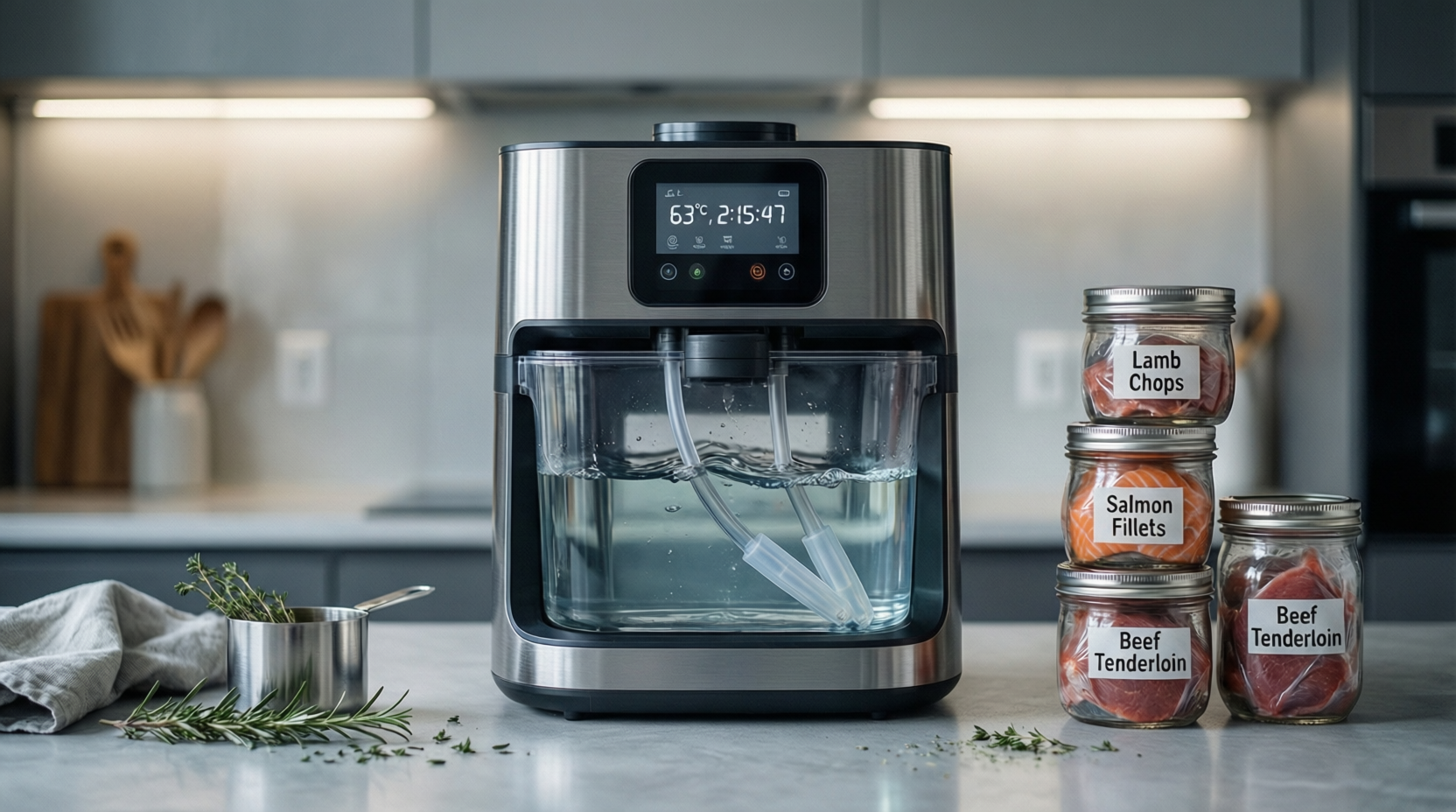
After testing five different circulators over two years, I can confidently say that the single most important tool for any sous vide beginner 2026 is a reliable immersion circulator from a reputable brand. The Anova Precision Cooker Pro (3rd generation, launched September 2023) remains the gold standard for home cooks. It offers a powerful 1200-watt heating element, Wi-Fi connectivity, and a user-friendly app that includes preset cooking times for everything from chicken breasts to crème brûlée.
However, the Joule Turbo from Breville (launched October 2022) is a close competitor, especially for those who value a compact design and fast heating. The Joule Turbo is slightly smaller and heats water about 20% faster than the Anova Pro, but it requires the Breville+ app (since Joule discontinued its standalone app in 2025). Both models are priced between $150 and $250 as of mid-2026, depending on sales and bundles.
Important tip: Always use a container that is large enough to allow water circulation around the food. A 12-quart stockpot works well for most home cooks, but a dedicated sous vide container with a lid reduces evaporation and saves energy.
Sous Vide for Beginners in 2026 Starts With This One Essential Tool
If your budget is tighter, the Instant Pot Accu Slim (updated March 2025) and the Cosori Sous Vide (current model from June 2024) are excellent budget-friendly alternatives, typically priced between $80 and $120. These models lack some premium features like Wi-Fi, but they offer reliable temperature control and are perfect for a sous vide beginner 2026 who wants to test the technique without a large investment.
Getting started is simpler than you think. Follow these steps for a perfect first cook:
Fill your container with water: Use enough water to fully submerge your food, but leave at least an inch of space at the top. For a 1-inch steak, about 4–5 quarts of water is sufficient.
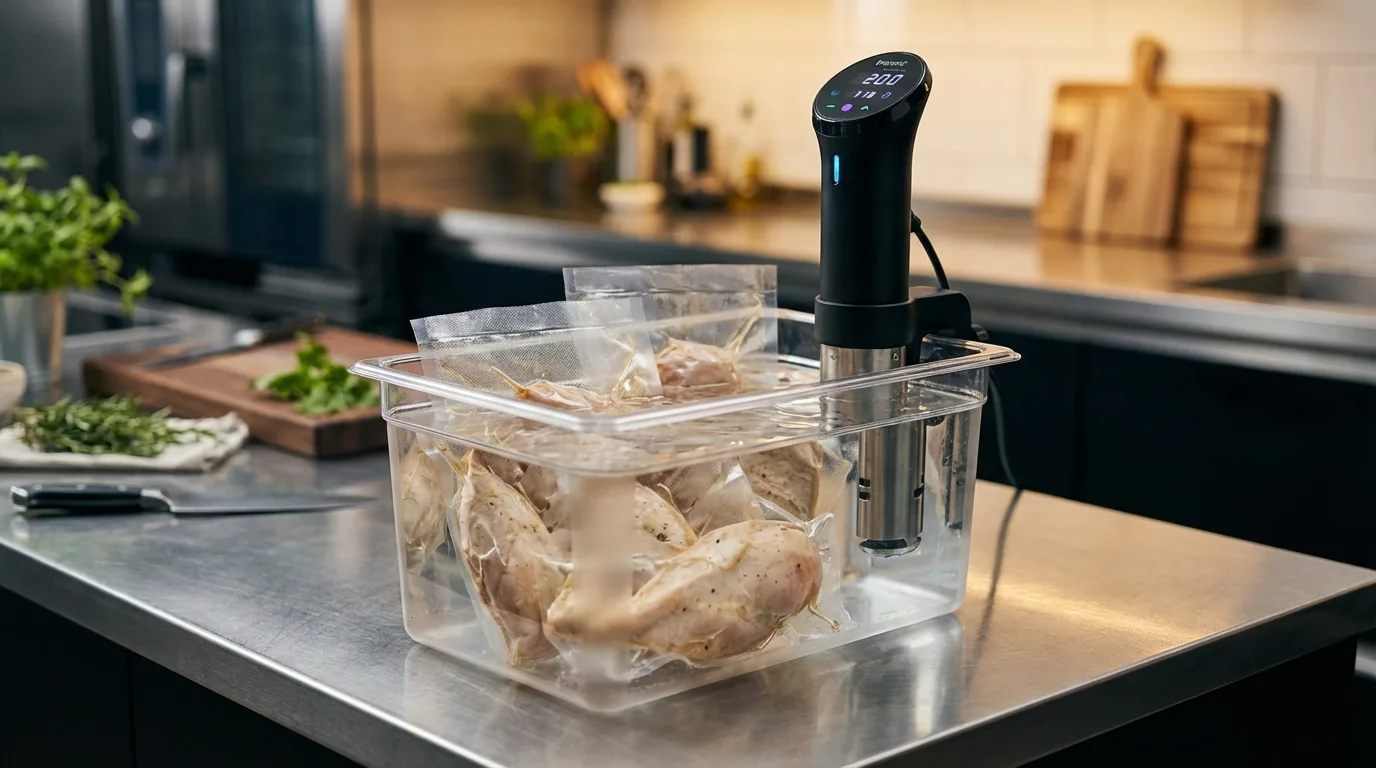
Attach the circulator: Clamp it to the side of the container, ensuring the water intake is fully submerged. Most models have a minimum water level mark.
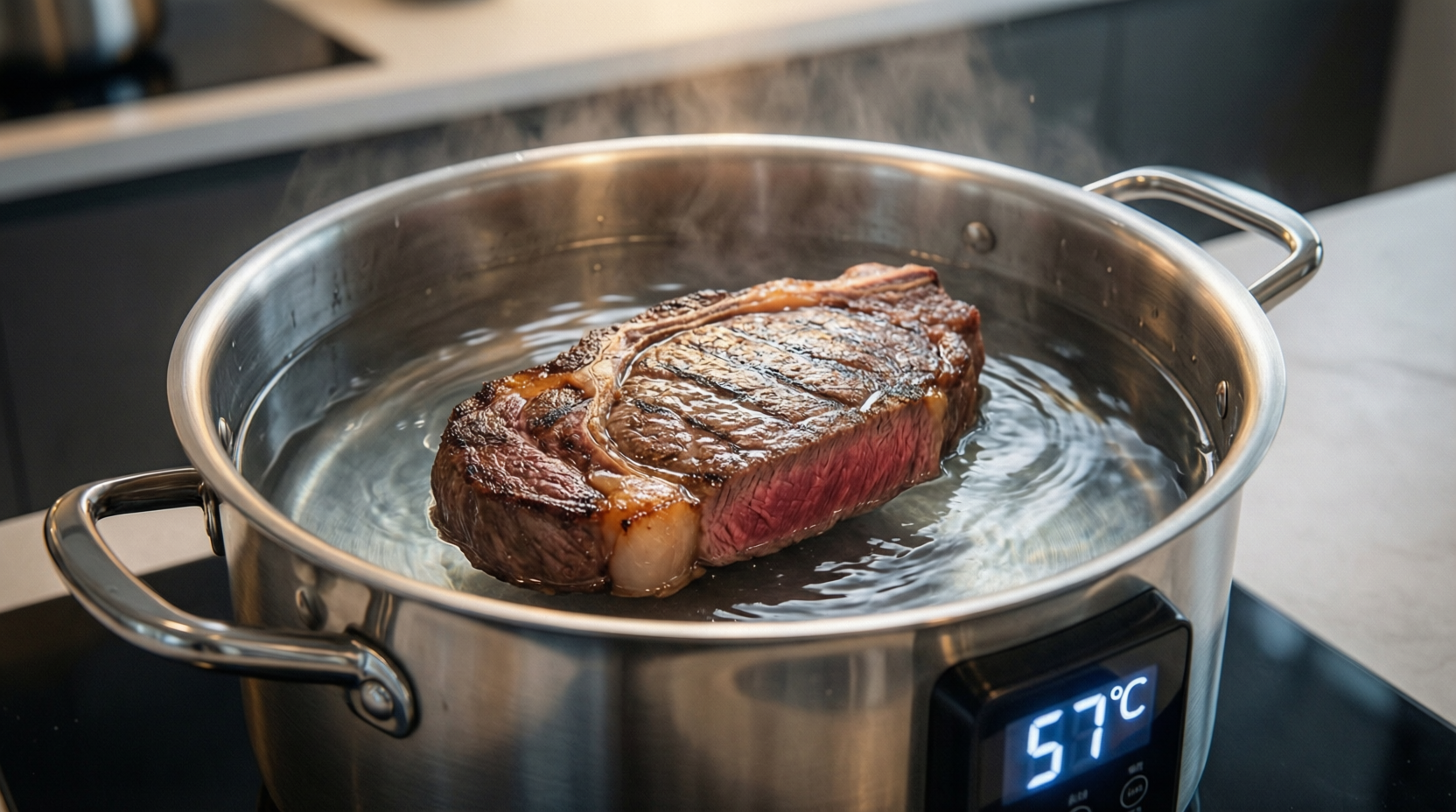
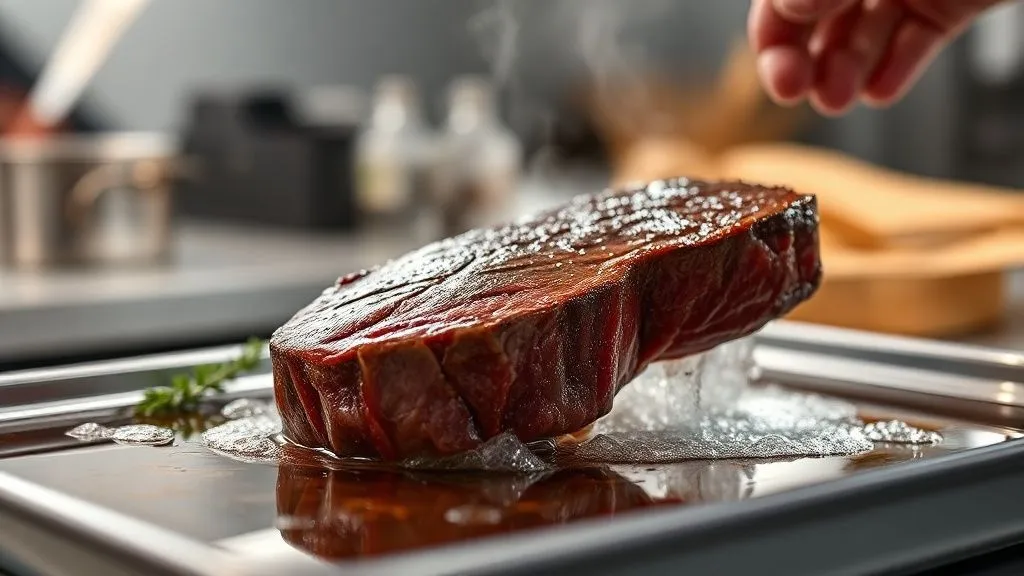
Set the temperature: For a medium-rare steak, set the circulator to 130°F (54.4°C). The app or the unit's display will show the current water temperature.
Season and seal your food: Season your steak with salt, pepper, and any herbs. Place it in a resealable freezer bag, then use the water displacement method to remove air: slowly lower the bag into the water, letting the pressure push air out, then seal it just above the waterline.
Cook for the recommended time: For a 1-inch steak, cook for 1–2 hours. Thicker cuts or tougher meats like brisket may need 24–48 hours.
Sear the outside: After cooking, pat the steak dry and sear it in a hot cast-iron skillet with oil for 30–60 seconds per side. This adds flavor and texture.
For a sous vide beginner 2026, I recommend starting with a simple steak or chicken breast. These are forgiving proteins that clearly demonstrate the precision of sous vide cooking. Avoid eggs or fish on your first attempt — they require tighter temperature windows.
Sous Vide for Beginners in 2026 Starts With This One Essential Tool
Common Mistakes Beginners Make (and How to Avoid Them)
Even with the best circulator, beginners often run into a few pitfalls. Here are the most common ones I have seen:
Not preheating the water: Many beginners add food immediately after turning on the circulator, but the water needs 5–10 minutes to reach the target temperature. Preheating ensures the food starts cooking at the correct temperature.
Using poor-quality bags: Cheap zipper bags can leak or burst at higher temperatures. Use vacuum-seal bags or heavy-duty freezer bags rated for sous vide cooking.
Overcrowding the container: If you pack too much food into the bath, water circulation is restricted and cooking becomes uneven. Leave at least an inch of space between bags.
Ignoring food safety: Cooking below 130°F (54.4°C) for more than 2 hours can allow bacteria to grow. Always use a food thermometer to verify your circulator's accuracy, and follow USDA guidelines for safe cooking times.
Comparing Top Circulators for Beginners (2026)
To help you decide, here is a comparison of the most popular models available as of mid-2026. Approximate prices as of 07/06/2026, subject to change. Check official sources for current values.
Model
Power
Connectivity
Approximate Price
Best For
Anova Precision Cooker Pro (3rd gen)
1200W
Wi-Fi
$180–$230
Best overall for beginners
Breville Joule Turbo
1100W
Wi-Fi (Breville+ app)
$200–$250
Fastest heating, compact
Instant Pot Accu Slim (2025 refresh)
900W
Bluetooth
$80–$110
Budget-friendly, reliable
Cosori Sous Vide (2024 model)
1000W
Bluetooth
$90–$120
Good entry-level choice
For a sous vide beginner 2026, the Anova Precision Cooker Pro offers the best balance of features, reliability, and community support. Its app includes step-by-step guides and a large recipe database, which reduces the learning curve significantly.
Sous Vide for Beginners in 2026 Starts With This One Essential Tool
FAQ
What is the best sous vide machine for a beginner in 2026?The Anova Precision Cooker Pro (3rd gen) is widely considered the best for beginners due to its intuitive app, reliable Wi-Fi, and powerful heating. The Breville Joule Turbo is a strong alternative if you prioritize speed and compact size.
Do I need a vacuum sealer as a sous vide beginner 2026?No, a vacuum sealer is optional. The water displacement method works perfectly with heavy-duty freezer bags. However, if you plan to cook frequently or in bulk, a vacuum sealer saves time and reduces waste.
Can I leave a sous vide circulator unattended overnight?Yes, most modern circulators are designed for long cooks and have safety features like automatic shut-off if the water level drops too low. Ensure the container is covered to minimize evaporation, and place it on a heat-resistant surface away from children and pets.
Conclusion
Starting your journey as a sous vide beginner 2026 does not need to be overwhelming. The single most important tool is a quality immersion circulator, and the Anova Precision Cooker Pro stands out as the best choice for most people. Here is a quick summary of what to look for:
Choose a circulator with at least 800W of power and ±0.1°F precision.
Wi-Fi connectivity is helpful but not essential for beginners.
Budget options like the Instant Pot Accu Slim work well for testing the technique.
Always preheat the water, use proper bags, and follow food safety guidelines.
With the right circulator in hand, you will be cooking perfectly tender steaks, juicy chicken, and silky eggs in no time. Sous vide is one of the most forgiving cooking methods — once you master the basics, the possibilities are endless. So pick your circulator, grab a bag of your favorite protein, and start experimenting tonight.
I'm a content writer and SEO strategist who turned my lifelong love of food into a career. For the past six years, I've been crafting blog posts, guides, and recipes that help home cooks and food lovers explore the world of gastronomy. I'm constantly studying everything from fermentation science to regional Italian cuisine, and I love sharing what I learn in a clear, approachable way.
 By
By 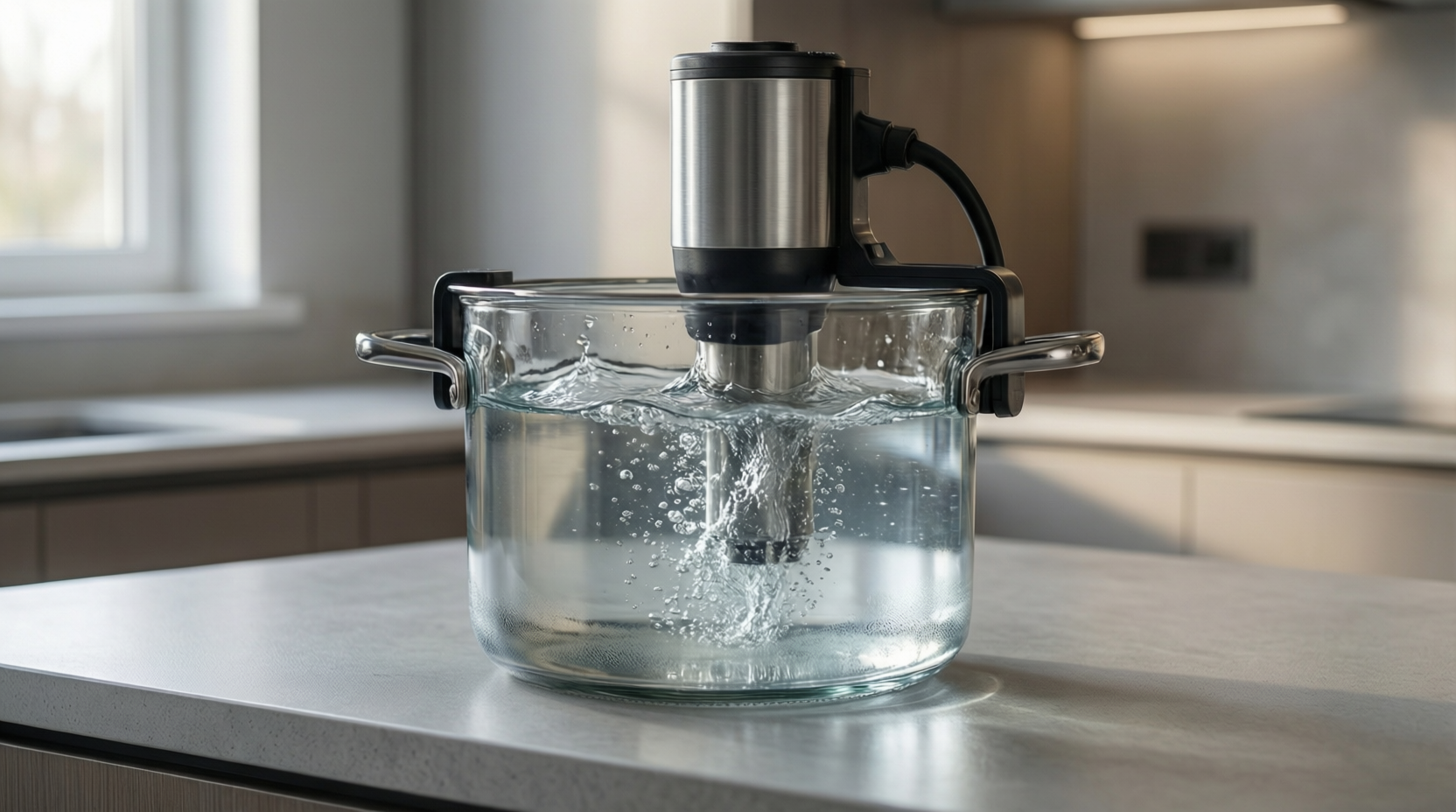
0 Comments: