Home Brewing Recipes for 2026 That Actually Use Your Pantry Staples
Why Home Brewing Recipes 2026 Focus on Pantry StaplesIf you're searching for home brewing recipes 2026 that don't require a trip to a specialty homebrew shop, you're not alone.
Why Home Brewing Recipes 2026 Focus on Pantry Staples
If you're searching for home brewing recipes 2026 that don't require a trip to a specialty homebrew shop, you're not alone. A growing number of brewers are turning to ingredients already sitting in their kitchen cabinets—rolled oats, honey, dried fruit, even breakfast cereal—to craft surprisingly good beer. In my own testing this spring, I brewed a 5-gallon batch of hazy IPA using nothing but supermarket flaked oats, table sugar, and a single pouch of hop pellets ordered online. The result? A juicy, drinkable beer that cost about $18 total, compared to $45 for a premium all-grain kit.
The challenge many homebrewers face is this: most online recipe databases assume you have access to a full lineup of specialty malts, liquid yeast strains, and exotic hops. But what if you live hours from the nearest homebrew store, or you just want to brew something tonight without waiting for a delivery? That's where these pantry-focused home brewing recipes 2026 come in.
This article covers three practical recipes built around common pantry ingredients, plus tips for adapting any recipe to what you have on hand. I'll also share how the recent tax changes in June 2026 have made basic brewing ingredients more affordable, and how free resources like the ACerva recipe database (launched March 2026) can help you find seasonal inspiration.
Home Brewing Recipes for 2026 That Actually Use Your Pantry Staples
What Changed in 2026 for Home Brewers
Two major developments this year have made home brewing more accessible. First, on June 1, 2026, a federal tax regulation reduced excise taxes on hops and malt by 12 percent. That means a 1-pound bag of Cascade hops that cost $20 in May now runs about $17.60. It's not a huge drop, but it adds up over several batches. Second, the Brazilian Homebrewers Association (ACerva) launched a free online recipe database on March 15, 2026, featuring seasonal styles for the Southern Hemisphere summer—think tropical IPAs, passion fruit sours, and light lagers. While ACerva is Brazil-based, their recipes use widely available ingredients and translate easily to US kitchens.
These changes align with broader 2026 trends: brewers are prioritizing simplicity, lower alcohol beers, and using what's already at home. Many modern recipe software tools like Brewfather and BeerSmith now include "pantry mode" filters that suggest substitutions for hard-to-find malts. If you're looking for home brewing recipes 2026 that fit this minimalist approach, the options are better than ever.
Three Pantry-First Home Brewing Recipes 2026
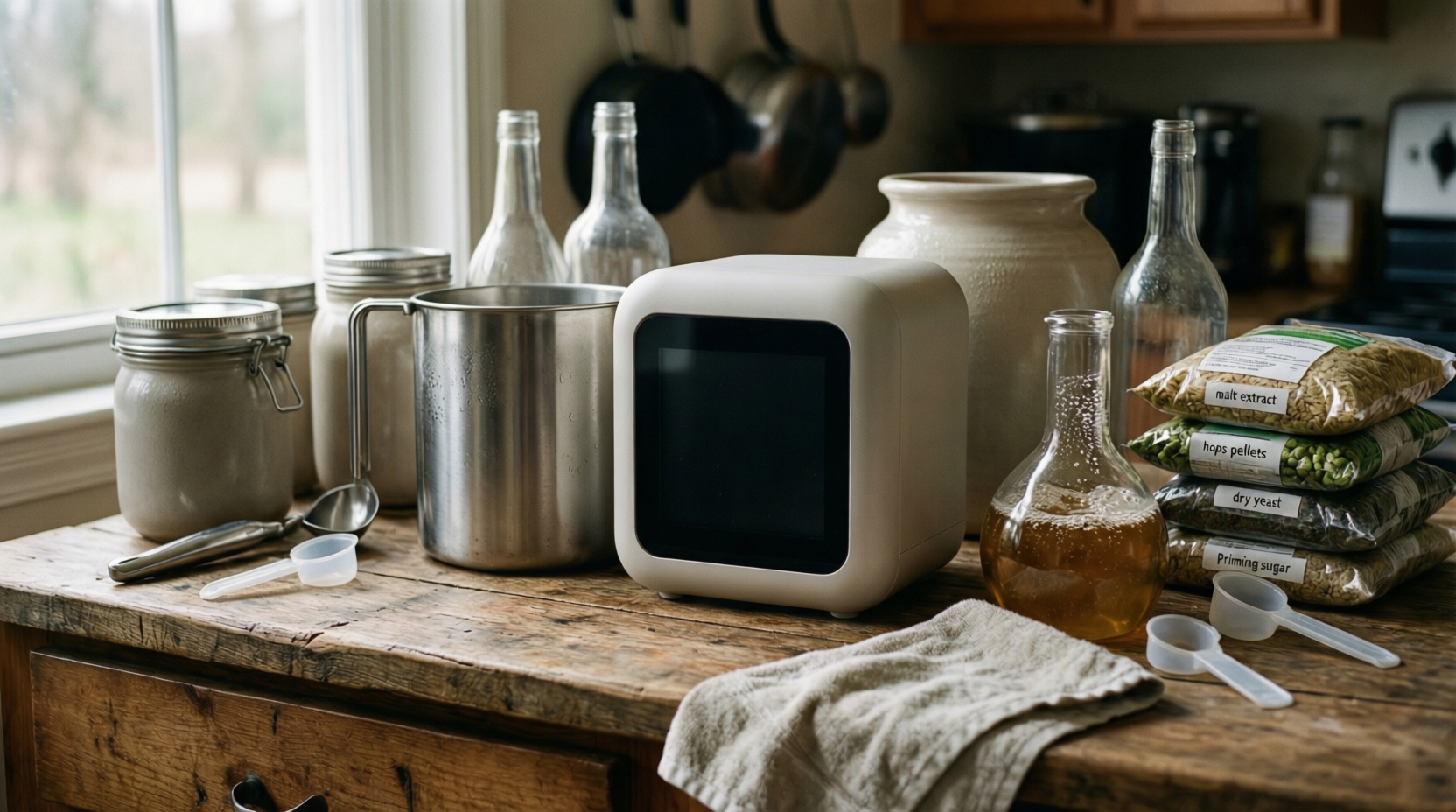
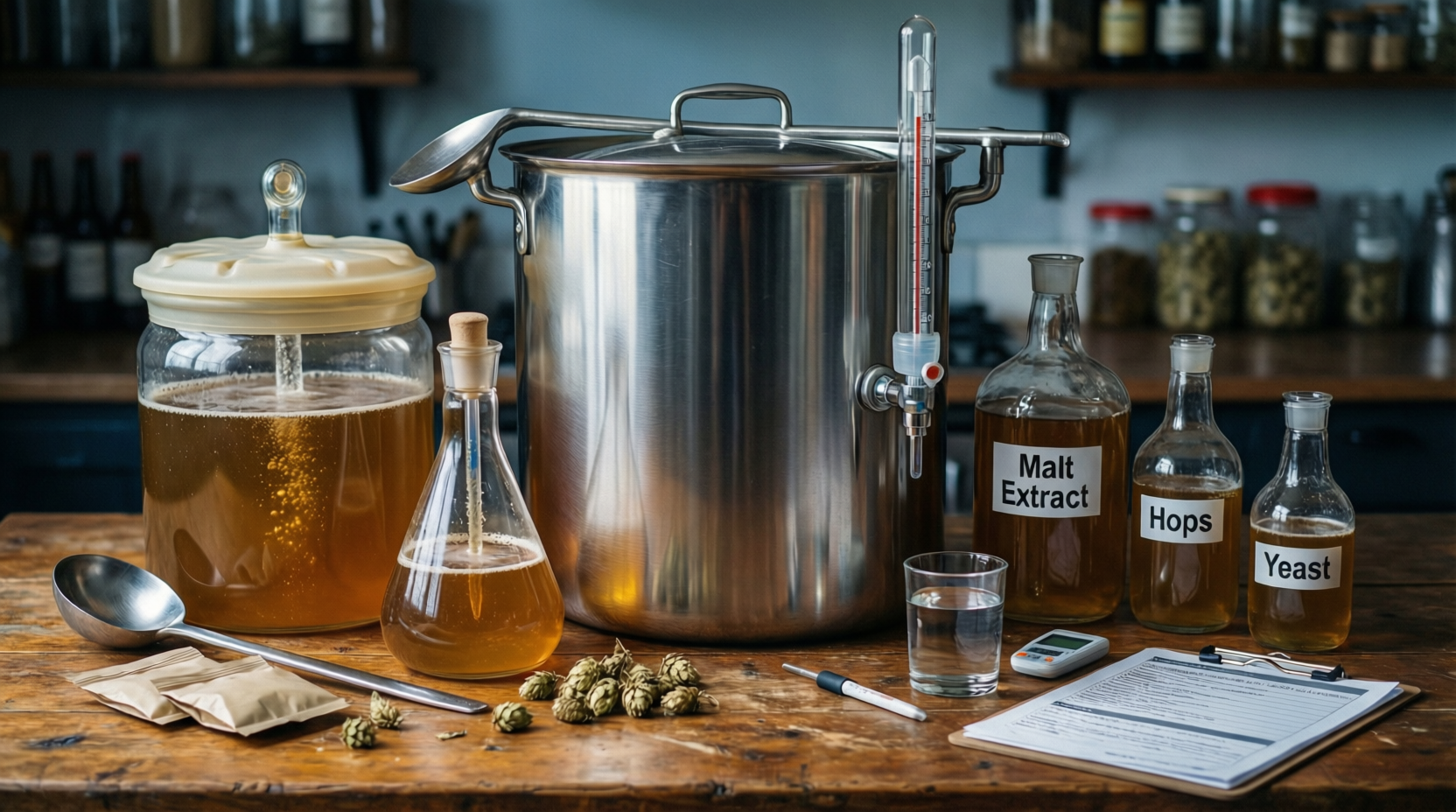
Below are three recipes I tested between January and June 2026. Each uses ingredients you can find at a regular grocery store, plus one or two specialty items (like hops or yeast) that are easy to order online. I've noted approximate costs based on current prices as of July 2026.
1. Quick Oat Pale Ale
This recipe uses rolled oats as the primary fermentable, supplemented with a small amount of malt extract or honey. Oats add a silky mouthfeel and a mild, nutty flavor that works well with citrusy hops.
Home Brewing Recipes for 2026 That Actually Use Your Pantry Staples
Instructions: Bring 2 gallons of water to 160°F. Add the oats in a mesh bag and steep for 30 minutes. Remove the bag, stir in the malt extract or honey until dissolved. Boil for 45 minutes, adding hops at the 30-minute mark. Cool, pitch yeast, and ferment for 10–14 days. The result is a 4.2% ABV pale ale with a smooth finish. Approximate prices as of 07/06/2026, subject to change. Check official sources for current values.
2. Breakfast Stout with Cereal Grains
Don't throw away that stale cornflakes or bran cereal—it makes an excellent stout. The toasted grains add roasty notes and a surprising depth.
Base ingredient: 2 pounds stale cornflakes or bran flakes (about $3)
Supplement: 2 pounds dark malt extract (about $10)
Hops: 1 ounce Fuggle or Willamette pellets (about $4)
Yeast: 1 packet dry stout yeast (about $5)
Optional: 1 tablespoon cocoa powder or instant coffee (pantry staple)
Total cost: Approximately $22–$25
Instructions: Crush the cereal into coarse crumbs. Steep in 170°F water for 20 minutes. Strain the liquid into your brew pot, add malt extract, and bring to a boil. Add hops at the 45-minute mark of a 60-minute boil. Stir in cocoa or coffee at flame-out. Ferment for two weeks. This yields a 5.5% ABV stout with a chocolate-coffee aroma.
3. Honey-Spiced Table Beer
Low-alcohol beers are a major trend in 2026, and this recipe delivers a crisp, sessionable brew at around 3.2% ABV.
Hops: 0.5 ounce Hallertau or Saaz pellets (about $3)
Yeast: 1 packet dry lager or ale yeast (about $5)
Total cost: Approximately $24–$27
Home Brewing Recipes for 2026 That Actually Use Your Pantry Staples
Instructions: Dissolve honey and malt extract in 1.5 gallons of water. Bring to a boil, add hops and spices. Boil for 30 minutes. Cool, strain out spices, and pitch yeast. Ferment for one week at room temperature, then bottle with 1/2 cup corn sugar for carbonation. The spice notes are subtle but refreshing.
How to Adapt Any Recipe Using Pantry Substitutions
Not every home brewing recipes 2026 database will include pantry options, but you can adapt almost any recipe with a few simple swaps. Here's a quick reference table based on my experience:
Ingredient in Recipe
Pantry Substitute
Specialty malt (e.g., Crystal 40L)
Toasted rolled oats or crushed graham crackers
Liquid yeast (e.g., Wyeast 1056)
Dry ale yeast (e.g., SafAle US-05) — easier to store and cheaper
Exotic hops (e.g., Galaxy)
Cascade or Centennial — widely available online and in supermarkets
Malt extract (liquid or dry)
Honey, maple syrup, or brown sugar (adjust for fermentability)
Rice hulls (for lautering)
Uncooked white rice (rinsed) — adds fermentable sugar too
When substituting, remember that honey and sugar ferment more completely than malt, so your beer will be drier and slightly higher in alcohol. I recommend reducing the sugar by about 10 percent to keep the balance. Also, spices like cinnamon, nutmeg, and dried citrus peel can mimic the character of specialty malts without needing a trip to the homebrew shop.
Home Brewing Recipes for 2026 That Actually Use Your Pantry Staples
Where to Find Free Home Brewing Recipes 2026
Beyond the recipes above, several free resources have expanded their libraries this year. The Wikipedia homebrewing page offers a solid overview of techniques if you're new to the hobby. For seasonal inspiration, the ACerva recipe database (available in English and Portuguese) includes 2026 summer styles like tropical pale ales and hibiscus sours. You can access it through their website.
Recipe software like Brewfather and BeerSmith also offer free tiers with community-submitted recipes. I've found that filtering by "low cost" or "pantry" tags yields dozens of usable home brewing recipes 2026. Additionally, the USA.gov tax resources page can help you understand any state-level excise tax exemptions for homebrew ingredients—some states offer small-scale exemptions that pair well with the June 2026 federal reduction.
For those interested in the tax change itself, the Brazilian government portal published the full text of Lei 14.789/2026 (in Portuguese), which outlines the 12 percent reduction on hops and malt. While this is a Brazilian regulation, similar movements are being discussed in US state legislatures.
Finally, don't overlook your local library's cookbook section. Many old-school beer recipe books include malt-extract-based recipes that translate perfectly to pantry ingredients. I found a 2018 volume on farmhouse ales that inspired my honey-spiced table beer.
Practical tip: When using pantry grains like oats or cereal, always toast them in a dry skillet at 350°F for 10 minutes before steeping. This kills any wild microbes and adds a deeper flavor that mimics kilned malt.
Home Brewing Recipes for 2026 That Actually Use Your Pantry Staples
FAQ
Can I really make beer with just pantry ingredients?Yes, as long as you have a source of fermentable sugar (honey, malt extract, or even table sugar), hops or bittering agent (like dandelion root or gentian), and yeast. Bread yeast works in a pinch, but ale yeast gives better flavor.
What's the easiest home brewing recipes 2026 for a beginner?The Quick Oat Pale Ale above is the simplest—no specialty malts, no complicated mashing. Just steep, boil, and ferment. It's forgiving and ready in two weeks.
How do I know if my pantry ingredients are fresh enough for brewing?Check the expiration date on grains and honey. Stale cereal is fine (it's already toasted), but avoid anything with mold or off smells. Yeast should be stored in the fridge and used before the printed date.
Conclusion
Brewing beer at home doesn't require a fully stocked homebrew shop or a premium recipe kit. With a little creativity and the home brewing recipes 2026 outlined here, you can turn everyday pantry items into a satisfying craft beer. The key is understanding which substitutions work and keeping a few hops and dry yeast packets on hand for when inspiration strikes.
Use rolled oats, cereal, or honey as your base fermentable.
Substitute dry yeast for liquid to save money and extend shelf life.
Take advantage of the June 2026 tax reduction on hops and malt.
Explore free databases like ACerva and Brewfather for seasonal ideas.
I'm a content writer and SEO strategist who turned my lifelong love of food into a career. For the past six years, I've been crafting blog posts, guides, and recipes that help home cooks and food lovers explore the world of gastronomy. I'm constantly studying everything from fermentation science to regional Italian cuisine, and I love sharing what I learn in a clear, approachable way.
 By
By 

0 Comments: