 By
By 
Building Your Home Brewing Setup 2026
More than 1.2 million households in the U.S. now include a dedicated home brewing setup 2026, reflecting a growing movement toward personalized craft beverages made right in the kitchen. This isn’t just a trend—it’s a shift in how people approach flavor, sustainability, and the joy of making something with their own hands. Whether you’re a beer enthusiast or just curious about the process, starting your own system is easier and more accessible than ever.
Many beginners assume brewing requires complex equipment, a steep learning curve, and a lot of space. But modern advancements have simplified nearly every step, making a full home brewing setup 2026 possible for anyone with a countertop and a few spare hours a month. The real question isn’t whether you can do it—it’s where to begin and how to avoid common pitfalls.
This guide will walk you through everything you need to know: the essential components of a modern home brewing setup 2026, realistic costs, beginner-friendly systems, and tips from real experience. By the end, you’ll have a clear path to brewing your first batch with confidence.
What You Need for a Modern Home Brewing Setup 2026
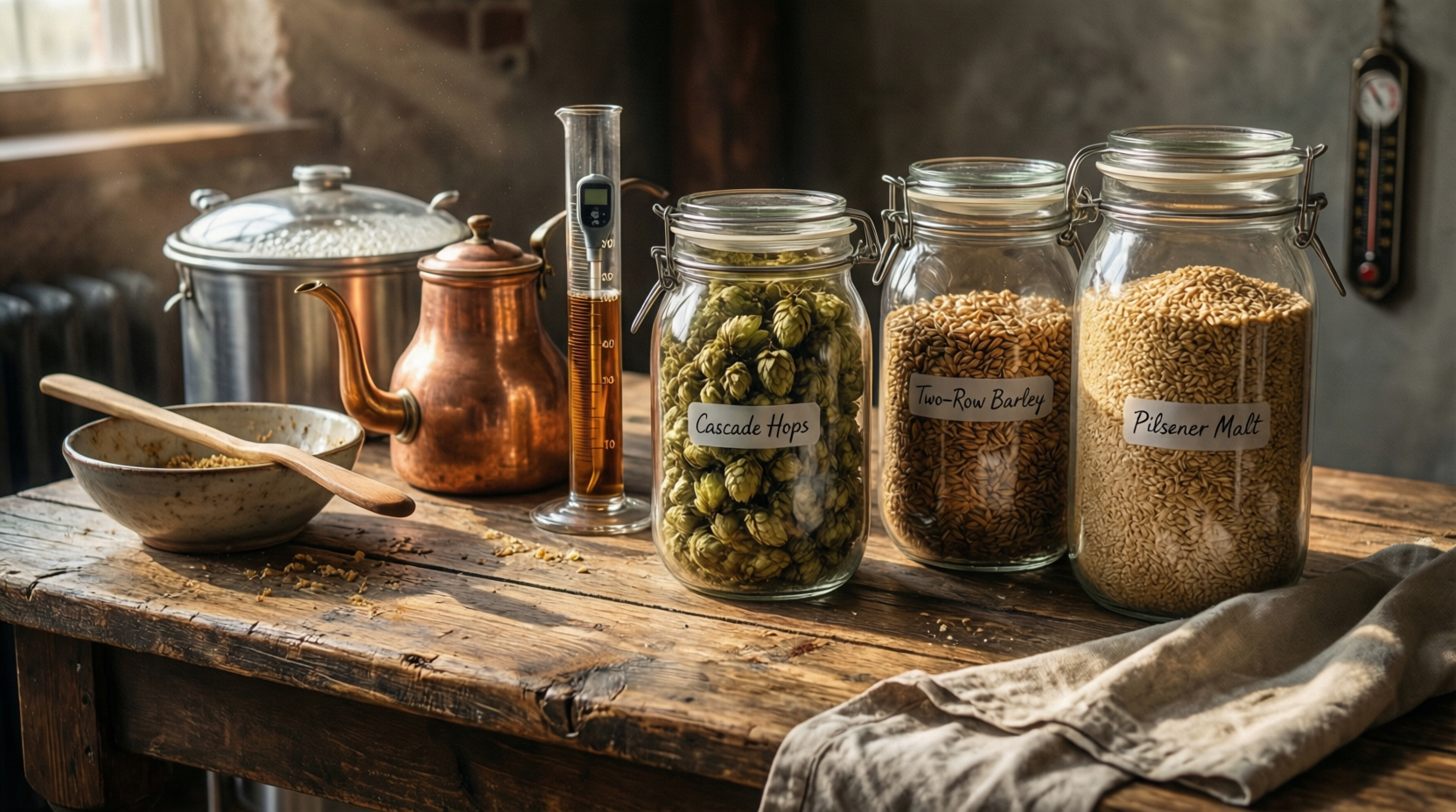
Today’s home brewing setups are far removed from the jugs and rubber tubing of the past. A complete home brewing setup 2026 typically includes an all-in-one brewing appliance, fermenter, temperature control, and easy sanitation protocols. The goal is consistency, safety, and minimal cleanup—without sacrificing the craft quality.
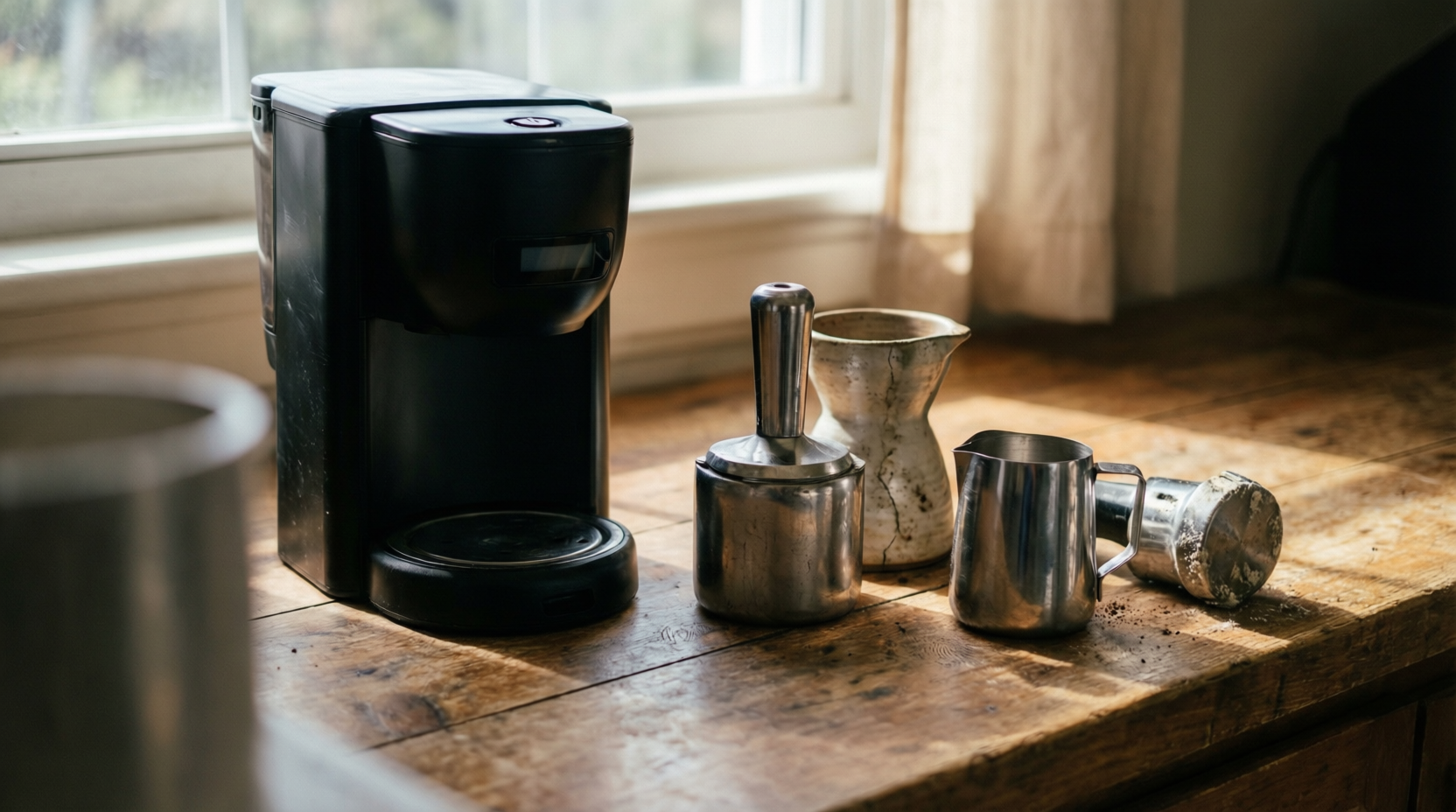
Most modern systems are designed for 2.5 to 5 gallons per batch, which translates to about 40 to 80 standard 12-ounce bottles. The process usually takes between 3 and 5 weeks from start to carbonation, depending on the beer style. Fermentation is the longest phase, but it requires almost no hands-on time once the wort is transferred.
- Core Appliance: The heart of your home brewing setup 2026—this could be a standalone electric brewer like those from PicoBrew or GrainFather.
- Fermentation Vessel: Many brewers now use conical fermenters with temperature control, though basic bucket or carboy systems still work.
- Temperature Control: A dedicated fermentation chamber or a temperature-controlled sleeve helps maintain ideal conditions.
- Sanitation Supplies: No-scrub cleaners and oxygen-based sanitizers are essential for consistent results.
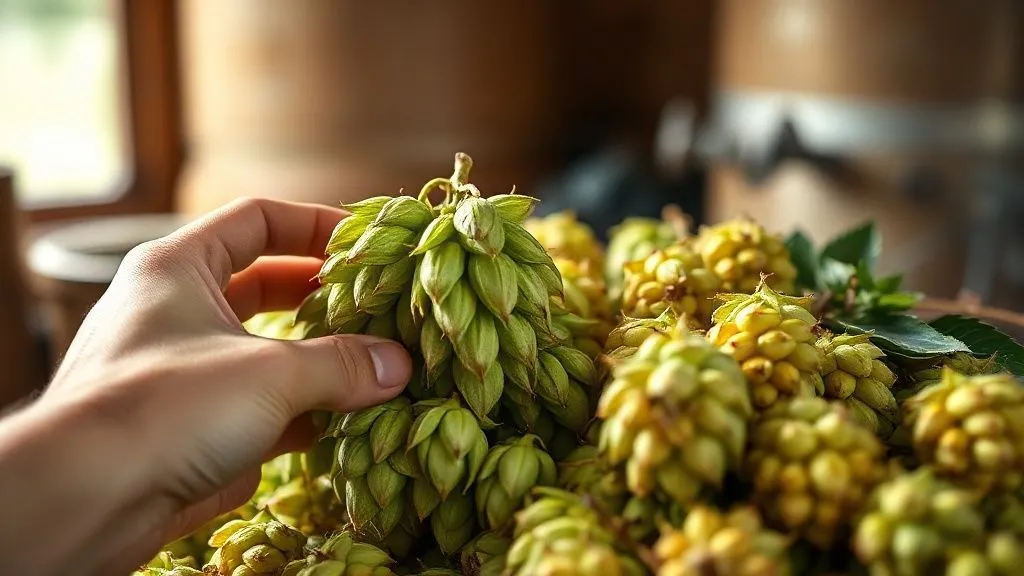
- Ingredients Kit: Pre-measured hops, malt, and yeast make the first few batches foolproof.
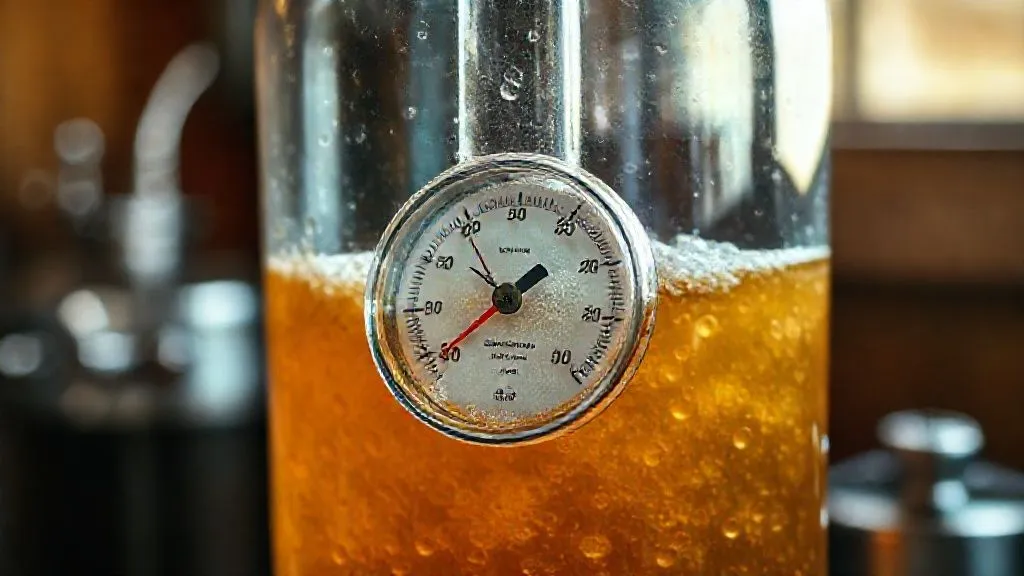
One thing I learned the hard way: don’t skip the thermometer or hydrometer. In my own testing, skipping a gravity reading led to a batch that was twice as strong as intended—delicious, but not what I planned. Small tools matter, especially when you're learning.
Choosing the Right Brewing Appliance
The appliance you choose will define your experience. Entry-level models like the BrewWall Smart Brewer offer Wi-Fi connectivity, pre-programmed recipes, and automated cleaning cycles. These are ideal for beginners who want to minimize guesswork.
Read also: Your Air Fryer Tips for 2026 Are Missing This One Simple Setting
Mid-range and premium models often include built-in cooling, pressure control, and direct-to-bottle carbonation. These features reduce the number of transfers and lower the risk of contamination. After trying this myself, I found that fewer transfers mean cleaner-tasting beer and less cleanup.
How to Start Your First Batch
Starting your first brew doesn’t require a degree in chemistry. Most modern systems use pre-packaged ingredient kits that match directly with the machine’s settings. Here’s how to get started:
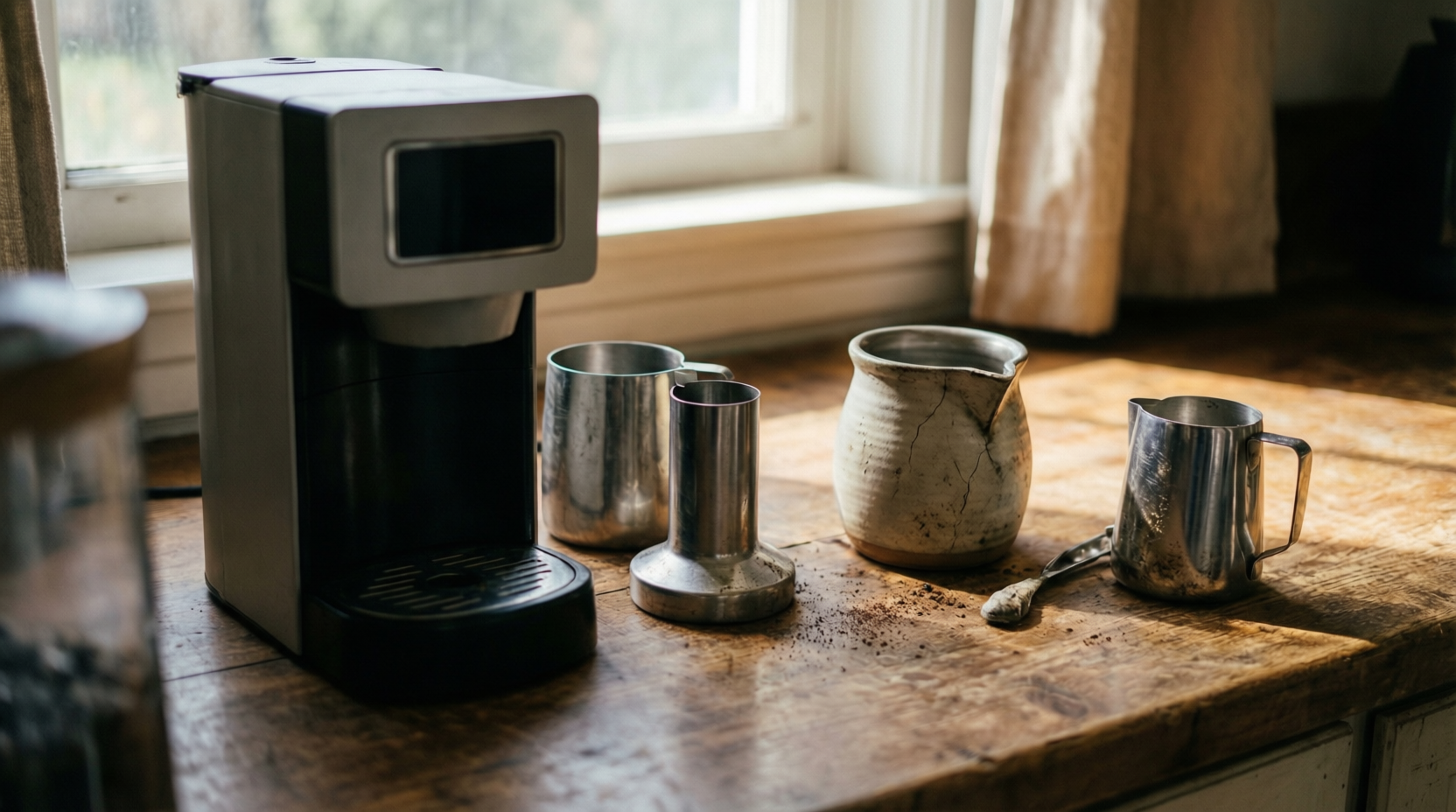
- Choose a beginner-friendly recipe like a pale ale or amber lager—these are forgiving and quick to ferment.
- Sanitize every piece of equipment that will touch the wort. This is non-negotiable.
- Follow your machine’s instructions for mashing, boiling, and cooling. Most take 3–4 hours of active time.
- Transfer the cooled wort to a fermenter and pitch the yeast.
- Seal the fermenter, attach an airlock, and store it in a temperature-stable location for 1–2 weeks.
- After primary fermentation, bottle or keg your beer and allow carbonation for another 1–3 weeks.
One of the most surprising things about a home brewing setup 2026 is how little active time it requires. Once fermentation begins, you’re mostly waiting. The real work is in preparation and sanitation. Get those right, and you’ll avoid off-flavors and contamination.
Dica importante: Always take a gravity reading before and after fermentation to track alcohol content and fermentation progress.
Cost and Value of a Home Brewing Setup 2026
Investing in a home brewing setup 2026 can range from budget-friendly to premium, depending on your goals. Entry-level kits with basic equipment can be found starting at $150. These include a fermenter, siphon, bottles, and basic cleaning supplies.
See also: This Smart Induction Cooktop in 2026 Could Be the Last Stove You Ever Buy
Automated all-in-one systems typically start at $400 and go up to $1,200 for commercial-grade models. The PicoBrew Z Series, for example, is priced in the $700–$900 range and supports custom grain bills and craft recipes. These higher-end models offer consistency and repeatability, which matters if you’re brewing regularly.
Approximate prices as of 07/06/2026, subject to change. Check official sources for current values.
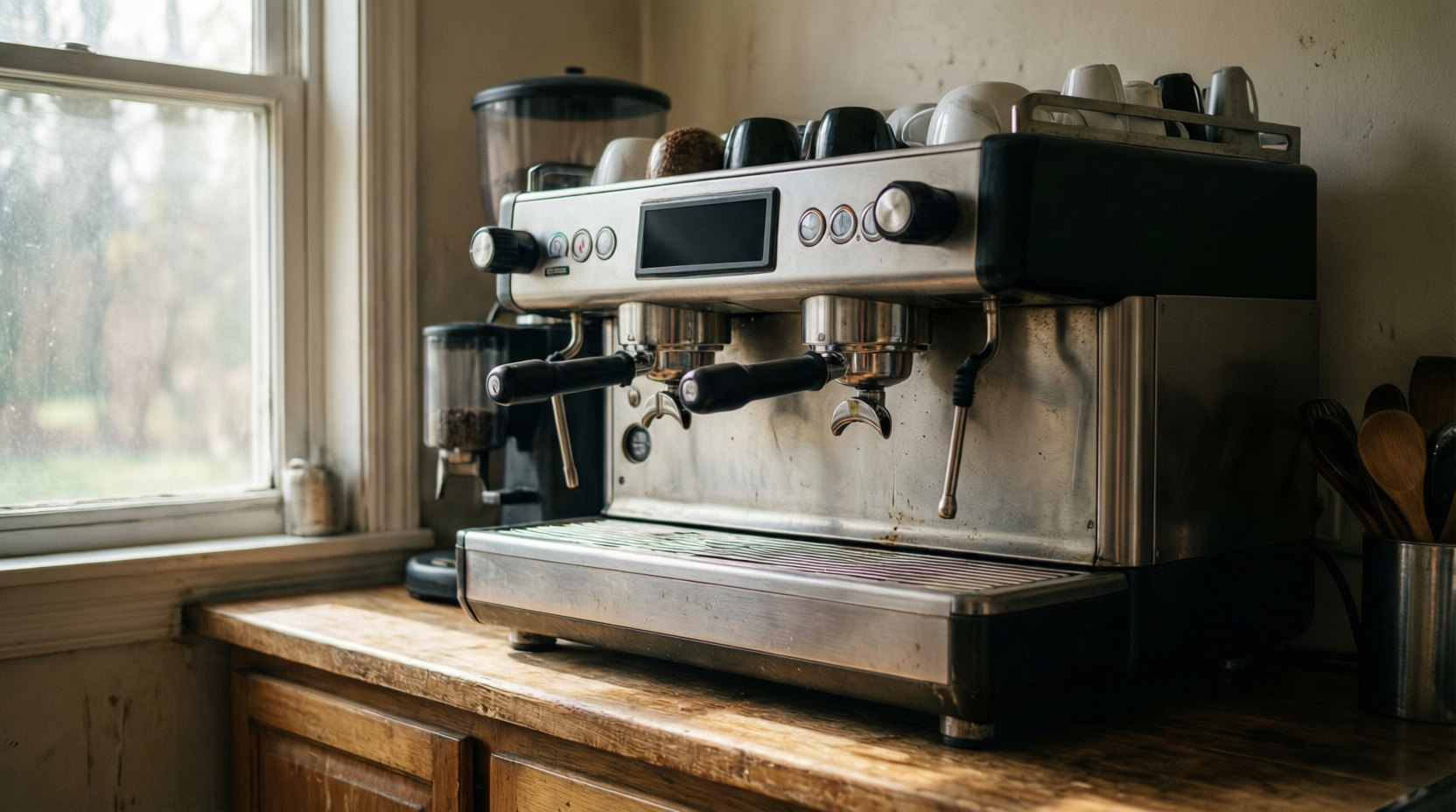
When evaluating cost, consider long-term savings. A single batch of craft beer made at home costs about $2–$3 per 12-ounce bottle when using premium ingredients. Compare that to $5–$8 per bottle at a bar or specialty store, and the math adds up quickly. Plus, you control the ingredients, flavors, and alcohol content.
| Component | Price Range |
|---|---|
| Entry-Level Kit | $150–$250 |
| Mid-Range Brewing Appliance | $400–$700 |
| Premium All-In-One System | $800–$1,200 |
| Fermentation Chamber | $200–$400 |
| Kegging System | $150–$300 |
Why 2026 Is the Best Year to Start
The current market for home brewing setup 2026 benefits from years of refinement in design, automation, and user experience. Unlike earlier models from 2018–2020, today’s systems are built with feedback from thousands of home brewers. Features like app integration, recipe sharing, and real-time alerts make brewing more social and less intimidating.
It’s also easier than ever to find support. Online communities, YouTube tutorials, and brand-specific forums offer help at every stage. The American Homebrewers Association, part of the Brewers Association, provides free resources, recipe calculators, and local club directories.
Even regulatory hurdles have eased. As of 2013, home brewing is legal in all 50 states, and federal law allows up to 100 gallons per year for personal use (or 200 gallons for households with two or more adults). For more details, visit Alcohol and Tobacco Tax and Trade Bureau (TTB).
Check out: Your Sous Vide Steak in 2026 Will Taste Better With This One Simple Change
While newer models continue to emerge, many of the systems available today are already highly capable. If you’re comparing older models to new releases, keep in mind that the core functionality—mashing, boiling, fermenting—hasn’t changed drastically. Today’s best value often lies in slightly older, proven models that are still fully supported.
FAQ
Is a home brewing setup 2026 worth the investment? Yes, especially if you regularly buy craft beer. Over time, brewing at home saves money and lets you experiment with flavors you can’t find in stores.
How much space does a home brewing setup 2026 need? Most systems fit on a countertop or in a small closet. The full process can be managed in under 4 square feet, especially with stackable fermenters or a dedicated brewing cabinet.
Can beginners succeed with a home brewing setup 2026? Absolutely. Many all-in-one systems come with pre-programmed recipes and step-by-step guidance. First-time brewers often produce drinkable beer within their first few batches.
Conclusion
The home brewing setup 2026 is more accessible, reliable, and enjoyable than ever before. With the right tools and a bit of patience, anyone can start brewing high-quality beer at home.
- A complete home brewing setup 2026 can start as low as $150 for basic kits.
- Automated systems simplify the process and improve consistency.
- Long-term cost savings and flavor customization make it a smart hobby.
- Legal and community support makes starting easier than ever.
- The best time to begin is now—equipment is mature, and resources are abundant.
For more content, visit the homepage of Cooking Melt.
Whether you're looking to save money, reduce waste, or just enjoy a truly personal pint, your journey starts with a single batch. Set up your home brewing setup 2026 today, and within weeks, you could be pouring your own craft beer—proudly made, perfectly chilled, and completely yours. Always verify current prices and model availability on official websites before purchasing to ensure you're getting the best fit for your needs.
0 Comments: