 By
By 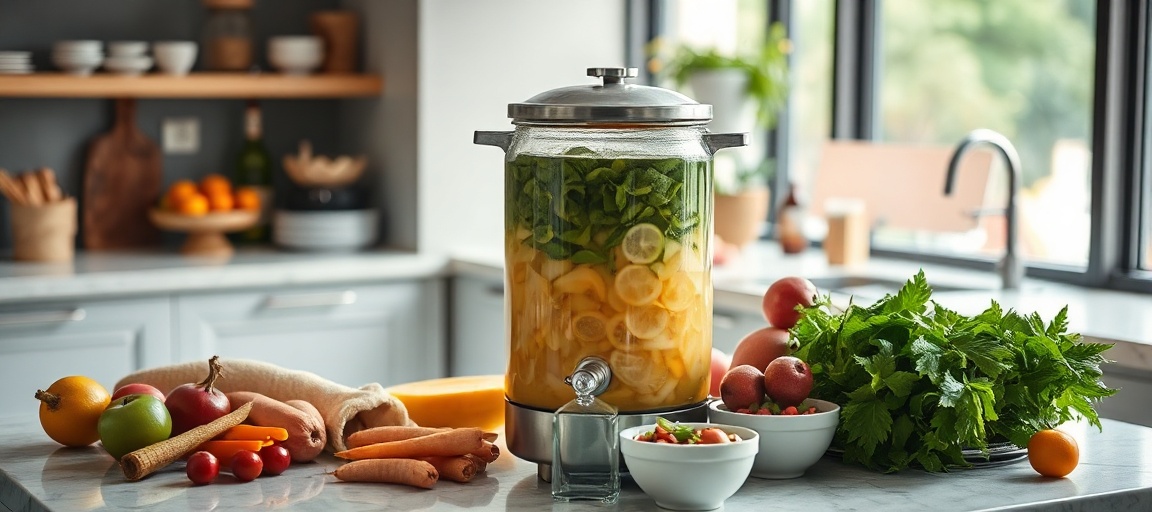
Embracing the Future of Fermentation with a Smart Fermenter
The world of fermentation, from craft brewing to making your own kimchi, often involves a delicate balance of temperature, time, and microbial activity. Historically, this process has relied heavily on intuition and basic tools, leading to unpredictable results and frustrating failures. However, the landscape is rapidly changing, with cutting-edge technology now offering unprecedented control and consistency. The introduction of a smart fermenter represents a significant leap forward, transforming an ancient art into a precise science.
Are you tired of batches going sour (in the bad way), inconsistent flavors, or the constant worry of contamination? Many home fermenters and small-scale producers face these challenges regularly, often leading to wasted ingredients and dashed hopes. The traditional methods, while rewarding when successful, leave little room for error and demand constant vigilance.
This article will explore how a smart fermenter works, its undeniable benefits, and what to look for when considering one for your home or business. We'll delve into the innovative features that are making fermentation more accessible and reliable than ever before in 2026, ensuring your next batch is a resounding success.
What Exactly Does a Smart Fermenter Do?
At its core, a smart fermenter is designed to automate and optimize the fermentation process, providing real-time data and precise environmental control. Unlike a basic carboy or crock, these systems integrate sensors and often intelligent software to monitor key parameters continuously. This means less guesswork and more scientific accuracy for every batch.

One of the most advanced examples in the market is the Sennosystem, which, alongside its M3 In-Tank Sensor Stack, was introduced on April 16, 2025. This platform exemplifies how modern smart fermenters operate, offering continuous monitoring of multiple parameters directly within the fermentation vessel. This level of insight allows users to track progress and make adjustments with precision, ensuring optimal conditions throughout the entire process.
Key functions of a smart fermenter typically include:
- Temperature Control: Maintaining a consistent and precise temperature is crucial for specific yeast strains and bacterial cultures. Smart fermenters use integrated heating and cooling elements to hold your ferment at the ideal temperature, preventing temperature swings that can ruin a batch.
- Real-Time Monitoring: Sensors track parameters like pH, specific gravity, dissolved oxygen, and sometimes even alcohol content. This data is often accessible via a smartphone app or web interface, giving you insights without opening the fermenter.
- Data Logging and Analytics: The system records all monitored data, allowing you to analyze trends, replicate successful batches, and troubleshoot issues. Some advanced systems, like those Sennos is developing, are now incorporating AI analytics for even more predictive insights.
- Automated Adjustments: Beyond just monitoring, some smart fermenters can automatically adjust conditions based on pre-programmed profiles or real-time sensor feedback, ensuring the fermentation stays on track.
Important Tip: Always start with a clear understanding of the specific parameters your chosen ferment requires. A smart fermenter amplifies your ability to meet those needs, but the foundational knowledge remains key.
The Unrivaled Benefits of Using a Smart Fermenter
Investing in a smart fermenter can dramatically improve the consistency, efficiency, and success rate of your fermentation projects. For anyone serious about quality and repeatability, the advantages are clear.
Read also: Recipe app international: Ever Wished For A Recipe App That Makes International Cooking...
Firstly, the consistency offered by these systems is unparalleled. By precisely controlling temperature and continuously monitoring conditions, you can replicate your best batches time and again. This is particularly valuable for homebrewers aiming for specific flavor profiles or for those making fermented foods where subtle variations can impact taste and texture.
Secondly, efficiency gains are substantial. Real-time monitoring significantly reduces the need for manual checks, freeing up your time and reducing the risk of contamination from opening the vessel. Furthermore, the data collected helps optimize fermentation times, potentially speeding up the process without compromising quality.
Finally, a smart fermenter drastically reduces the likelihood of failed ferments. Off-flavors, stalled fermentations, or spoilage often stem from uncontrolled variables. By providing a stable, monitored environment, these systems mitigate many common pitfalls, saving you money on wasted ingredients and the frustration of failed attempts. The trend in 2026 is towards more predictive, data-driven fermentation, where AI analytics and real-time sensors are becoming crucial for consistency and efficiency across the board.
Choosing Your Smart Fermenter – Features and Considerations
When selecting a smart fermenter, several factors come into play, from the types of ferments you plan to undertake to your budget and desired level of automation. Given the rapid advancements in this space, especially with innovations like those showcased at events such as THAIFEX – Anuga Asia 2026 (running May 26-30, 2026), it's important to consider the latest technologies.
Consider the following:

- Sensor Capabilities: What parameters can the smart fermenter monitor? Basic models might only track temperature, while advanced ones include pH, specific gravity, and more. Ensure the sensors align with your fermentation goals.
- Control Mechanisms: Does the system offer active heating and cooling? Can you program fermentation profiles? The level of control directly impacts your ability to fine-tune the process.
- Connectivity and Software: Look for systems with intuitive apps or web interfaces for remote monitoring and data analysis. Cloud connectivity can be a huge benefit for tracking progress from anywhere.
- Capacity: Smart fermenters come in various sizes. Choose one that matches your typical batch size, whether you're making a gallon of kombucha or five gallons of beer.
- Ease of Cleaning: Fermentation equipment must be easy to clean and sanitize. Look for designs with smooth surfaces and minimal crevices to prevent bacterial growth.
When it comes to pricing, smart fermentation technology varies widely. For example, the Sennos M3 In-Tank Sensor Stack, which offers advanced monitoring, has a subscription model. It was priced at $149 per month upon its introduction, with a pre-order launch offer of $99 per month. This indicates a shift towards service-based models for high-end sensor technology. For integrated hardware smart fermenter units, you might find entry-level models starting around $300-$500, with more advanced, larger capacity systems reaching anywhere from $800 to over $2,000. These price points reflect the sophistication of the sensors, control systems, and build quality.
See also: Com sous vide 2026 você alcança a perfeição culinária
Approximate prices consulted on May 27, 2026, and subject to change. Consult official stores for updated values.
| Feature | Benefit |
|---|---|
| Real-time Temperature Control | Eliminates temperature swings for consistent results |
| Integrated pH Sensor | Monitors acidity, crucial for food safety and flavor development |
| Specific Gravity Tracking | Indicates fermentation progress and final alcohol content |
| Remote Monitoring via App | Check fermentation status from anywhere, anytime |
| Data Logging & Analytics | Helps replicate successful batches and troubleshoot issues |
The Role of AI and Future Trends in Smart Fermentation
The trajectory of smart fermenter technology is clearly moving towards greater intelligence and predictive capabilities. In April 2026, Sennos secured a significant $20 million in funding, specifically to accelerate its AI-powered intelligent fermentation systems. This investment highlights the industry's focus on leveraging artificial intelligence to further refine and optimize fermentation processes.
AI in smart fermenters isn't just about collecting data; it's about interpreting it to offer actionable insights. Imagine a system that can predict potential issues before they arise, recommend adjustments based on historical data, or even suggest optimal fermentation profiles for new ingredients. This predictive analytics capability promises to take the guesswork out of fermentation entirely, making it accessible even to novices while empowering experts with unprecedented control.
The future also points towards greater integration with other smart home devices and broader IoT ecosystems. We might see smart fermenters communicating with smart refrigerators or even ingredient suppliers to streamline the entire process from sourcing to bottling. For more information on the broader impact of smart technologies, you can explore resources like Wikipedia's page on Smart Technology.
Setting Up and Maintaining Your Smart Fermenter
Once you've chosen your smart fermenter, proper setup and maintenance are crucial for its longevity and performance. While each model will have specific instructions, some general principles apply across the board.

First, always follow the manufacturer's guidelines for assembly and initial calibration. This often involves connecting sensors, ensuring proper sealing, and setting up the control unit or app. Many systems require an initial calibration of their sensors to ensure accurate readings. For general best practices in food and beverage safety, you can consult resources from organizations like the U.S. Food and Drug Administration (FDA).
Regular cleaning and sanitization are paramount. Just like traditional fermentation equipment, a smart fermenter must be meticulously cleaned after each use to prevent bacterial contamination and off-flavors. Most systems are designed for easy disassembly for cleaning, but always refer to your specific model's instructions for recommended cleaning agents and methods. Proper sanitation is a non-negotiable step in successful fermentation.
Check out: Quick One Pot Dinners: 7 Stress-Free Meals for Exhausted Chefs
Finally, keep an eye on software updates. Manufacturers frequently release updates to improve performance, add new features, or patch security vulnerabilities. Ensuring your smart fermenter's software is up-to-date will help you get the most out of your investment and benefit from the latest innovations.
By understanding these principles, you can ensure your smart fermenter operates reliably, consistently producing high-quality ferments with minimal fuss. For further reading on fermentation science, Wikipedia's article on Fermentation is a great starting point.
Perguntas Frequentes
Is a smart fermenter worth the investment for a homebrewer? For those seeking consistent results, precise control, and the ability to replicate successful batches, a smart fermenter can absolutely be a worthwhile investment, especially in 2026 with the current advancements.
Can a smart fermenter prevent all fermentation problems? While a smart fermenter significantly reduces the risk of common issues by controlling key variables, it cannot prevent problems caused by poor sanitation, incorrect ingredient ratios, or faulty yeast/cultures. It's a powerful tool, not a magic bullet.

How often do I need to calibrate the sensors on my smart fermenter? Calibration frequency varies by manufacturer and sensor type. Always follow the specific recommendations in your smart fermenter's user manual, but generally, regular checks (e.g., every few batches or annually) are a good practice to ensure accuracy.
Conclusão
The evolution of the smart fermenter has ushered in a new era for home enthusiasts and small-scale producers alike. By combining advanced sensors, precise control, and intelligent software, these devices eliminate much of the guesswork associated with traditional fermentation methods. The result is consistently higher quality, more reliable batches, and a significantly more enjoyable process.
- Achieve unparalleled consistency in your ferments.
- Gain real-time insights into your fermentation process.
- Reduce the likelihood of costly and frustrating batch failures.
- Save time through automation and remote monitoring.
- Benefit from the latest advancements in AI-driven fermentation.
For more content, visit the homepage of Cooking Melt.
As technology continues to advance, as evidenced by significant investments in AI-powered systems and ongoing innovation, the smart fermenter will only become more sophisticated and accessible. If you're ready to elevate your fermentation game and ensure every batch is a success, exploring the world of smart fermenters in 2026 is a step you won't regret. It's truly a game-changer for anyone passionate about fermented foods and beverages. For general consumer advice and safety, consider resources from the U.S. government, and for specific product details, always check the official Sennos website.




0 Comentários: