 By
By 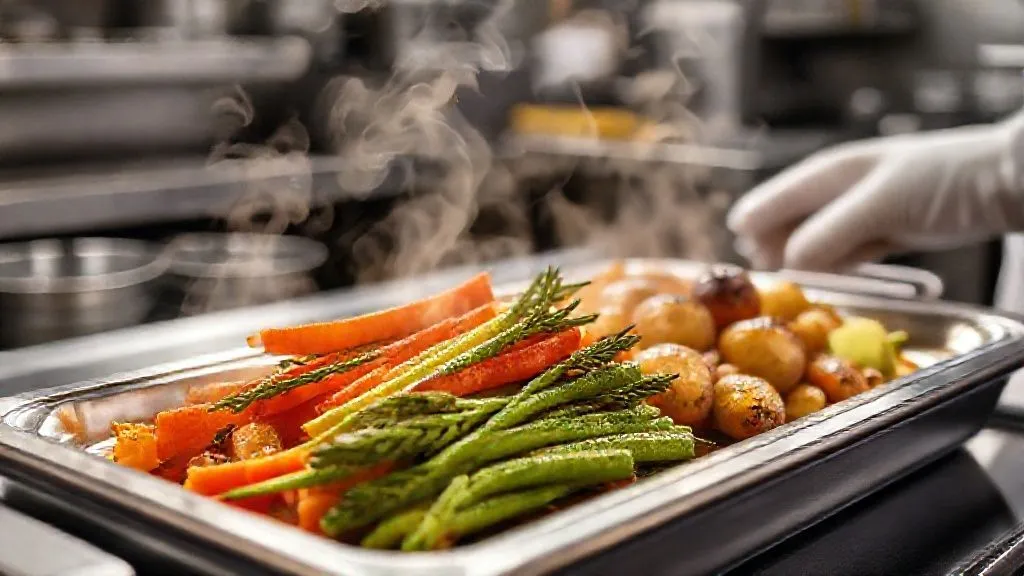
How to Safely Hold Sous Vide Vegetables for Busy Service?
For over two decades, I've navigated the relentless dance of the professional kitchen, where precision meets pressure, and consistency is king. One of the most common dilemmas I've observed, particularly with the rise of modern techniques like sous vide, is the challenge of maintaining that perfect balance when the rush hits. You've achieved culinary perfection with your sous vide vegetables – vibrant color, exquisite texture, concentrated flavor – but then comes the critical question: How do you safely hold them without compromising a single element for busy service?
The unique advantage of sous vide, its precise temperature control, also presents its own set of holding complexities. Unlike traditional methods, where a slight overcook might be masked, sous vide's delicate perfection can easily be undone by improper holding. The twin specters of food safety risks and texture degradation loom large, threatening to turn your perfectly prepared vegetables into a culinary disappointment and a potential health hazard under the intense demands of peak service.
Fear not, fellow culinary professional. In this definitive guide, I'll share the proven strategies, expert insights, and practical frameworks I've refined over years in the trenches. We'll delve into the science and the art of holding sous vide vegetables, ensuring they arrive at your guests' tables not just safely, but with every bit of the quality and intention you poured into their preparation. This isn't just about facts; it's about actionable solutions that will transform your busy service.
Understanding the Sous Vide Advantage & Its Holding Nuances
Sous vide cooking, at its core, is a commitment to precision. For vegetables, this translates into unparalleled control over texture – from crisp-tender to melt-in-your-mouth – and an intensified flavor profile that often surprises even seasoned palates. By cooking vegetables in a precisely controlled water bath, encased in a vacuum-sealed bag, we prevent nutrient loss, achieve uniform doneness, and enhance their natural essence.
However, this very precision introduces nuances when it comes to holding. Traditional hot holding in steam tables can quickly turn sous vide vegetables mushy and dull, while improper cold holding can invite bacterial growth. The challenge lies in extending the life of that perfect cook without continuing the cooking process or entering hazardous temperature zones. It's a delicate balance, much like a perfectly tuned orchestra where every instrument must play its part flawlessly.
The true genius of sous vide lies in its ability to separate doneness from timing. Our goal in holding is to preserve that separation, ensuring the perfect doneness is available on demand, safely.
The Science of Temperature and Texture
Vegetable texture is primarily governed by pectin, a complex carbohydrate in cell walls. Sous vide's lower, longer cooking temperatures gently break down pectin, resulting in that desirable tender yet firm bite. When holding, particularly hot holding, uncontrolled temperatures can continue this breakdown, leading to an undesirably soft or mushy product. Furthermore, holding in the 'danger zone' (40°F to 140°F / 4°C to 60°C) allows rapid bacterial proliferation, turning your culinary masterpiece into a food safety nightmare.
Understanding these thresholds is paramount. We're not just cooking; we're orchestrating a culinary process that demands respect for both the ingredient's integrity and public health guidelines. This meticulous approach is what separates good service from truly exceptional, trustworthy service.
The Critical Cook-Chill-Hold Cycle for Safety
In high-volume kitchens, relying solely on 'cook-to-order' for sous vide vegetables is often impractical. This is where the cook-chill-hold cycle becomes your best friend. It’s a foundational strategy for food safety and efficiency, allowing you to prepare components in advance without sacrificing quality or safety. It’s a core principle of HACCP (Hazard Analysis and Critical Control Points), a system I swear by.
- Step 1: Proper Sous Vide Cooking: Cook your vegetables to their desired doneness and temperature. Ensure your immersion circulator is calibrated and consistently holding the target temperature. For most vegetables, this is typically between 180°F (82°C) and 185°F (85°C) for 1-2 hours, depending on density and desired texture.
- Step 2: Rapid Chilling: This is perhaps the most critical step for food safety. Immediately after cooking, transfer the vacuum-sealed bags of vegetables into an ice bath. The goal is to bring the internal temperature of the food down from 135°F (57°C) to 70°F (21°C) within 2 hours, and then from 70°F (21°C) to 40°F (4°C) or below within an additional 4 hours. A properly agitated ice bath (half ice, half water) or a blast chiller is ideal. Do not skip this!
- Step 3: Safe Cold Storage: Once thoroughly chilled, store the vacuum-sealed vegetables in a refrigerated environment at 40°F (4°C) or below. Ensure proper labeling with the date of preparation. The vacuum seal is crucial here, as it protects against cross-contamination and prolongs shelf life.
- Step 4: Controlled Rethermalization: When service begins, rethermalize the vegetables in a controlled manner. This means bringing them back up to a safe serving temperature (typically 135°F / 57°C for hot holding) without overcooking them. We'll dive into specific retherm strategies shortly.
This systematic approach minimizes the time food spends in the hazardous temperature zone, dramatically reducing the risk of bacterial growth. It's the bedrock of safe sous vide prep for any busy establishment.

Optimal Holding Temperatures & Times: What the Pros Do
Once you've mastered the cook-chill cycle, the next layer of expertise involves understanding your holding options. There are two primary approaches for sous vide vegetables: cold holding for rethermalization just before service, and hot holding for immediate, on-demand plating. Each has its place, and choosing wisely depends on your specific service flow and the type of vegetable.
Cold Holding for Peak Quality
For most sous vide vegetables, cold holding is the preferred method for maintaining peak quality and texture. After the rapid chill, vegetables can be safely stored in their vacuum-sealed bags in the refrigerator (at 34-38°F / 1-3°C) for several days, often up to 5-7 days, depending on the vegetable and initial freshness. This method locks in the texture and flavor achieved during the initial cook, allowing for rethermalization to order.
Hot Holding: When Speed is Essential
While generally not recommended for extended periods due to potential texture degradation, some heartier sous vide vegetables can be hot held if service demands are extremely high and the holding time is short. If you must hot hold, the temperature must be maintained at 135°F (57°C) or above. This is the minimum safe hot holding temperature as per USDA guidelines. Use a precisely controlled water bath or a combi oven with steam function for best results, and limit hot holding to no more than 2-4 hours to prevent significant quality loss.
Case Study: 'The Gilded Spoon' Streamlines Vegetable Prep
The Gilded Spoon, a Michelin-starred restaurant renowned for its meticulous plating and consistent quality, faced a recurring challenge: inconsistent vegetable texture during peak dinner service. Despite perfectly executing the initial sous vide cook, the transition to the plate was often rushed, leading to varying results. By implementing a strict cook-chill-retherm protocol for all their sous vide vegetables, ensuring rapid chilling to below 40°F within 2 hours and retherming in a precisely calibrated water bath just before plating, they dramatically reduced waste and consistently delivered perfectly textured vegetables. This not only enhanced customer experience but also improved kitchen efficiency by 15%, allowing their chefs to focus on the final plating artistry rather than last-minute cooking.
| Vegetable Type | Ideal Sous Vide Cook Temp | Ideal Cold Hold Temp | Max Cold Hold Time | Hot Hold Temp (if applicable) |
|---|---|---|---|---|
| Asparagus | 183°F (84°C) | 34-38°F (1-3°C) | 5 Days | N/A |
| Carrots | 185°F (85°C) | 34-38°F (1-3°C) | 7 Days | 135°F+ (57°C+) |
| Potatoes (diced) | 185°F (85°C) | 34-38°F (1-3°C) | 4 Days | 135°F+ (57°C+) |
| Broccoli/Cauliflower | 180°F (82°C) | 34-38°F (1-3°C) | 3 Days | N/A |
Preventing Texture Degradation During Holding
The hallmark of a perfectly sous vide vegetable is its texture. Maintaining this during holding is crucial. Even when adhering to safe temperatures, prolonged exposure can still impact quality. The primary culprits are continued enzymatic activity and cellular breakdown, leading to a softer product. Think of it like a perfectly inflated balloon slowly losing air – it's still a balloon, but not quite as vibrant.
Here are my top strategies to combat texture degradation:
- Slight Undercooking: For vegetables destined for cold holding and retherm, consider slightly undercooking them during the initial sous vide phase. This leaves a little 'wiggle room' for the rethermalization step, ensuring they reach perfect doneness without becoming mushy.
- Maintain Vacuum Integrity: Any breach in the vacuum seal can introduce oxygen, leading to oxidation and enzymatic browning, especially with delicate greens. Always ensure your bags are sealed perfectly and handle them gently during chilling and storage.
- Avoid Overcrowding: Whether chilling or retherming, overcrowding an ice bath or water bath will hinder efficient temperature transfer. Give your bags space to ensure rapid cooling and even rewarming.
- Specific Chilling Methods: While an ice bath is effective, a blast chiller is superior for preserving texture due to its rapid and even cooling. If using an ice bath, ensure the water is constantly agitated and refreshed.
These seemingly small details collectively contribute to a significant difference in the final product. It's about respecting the ingredient through every stage of its journey to the plate.
Rethermalization Strategies for Peak Service
Rethermalization is where the magic of 'on-demand' service truly shines for sous vide vegetables. This is the moment you bring your perfectly cooked and chilled vegetables back to life, ready for plating. The goal is rapid, even heating to a safe serving temperature without any further cooking or quality loss. I've experimented with countless methods, and precision is always the key.
Hot Water Bath (Immersion Circulator)
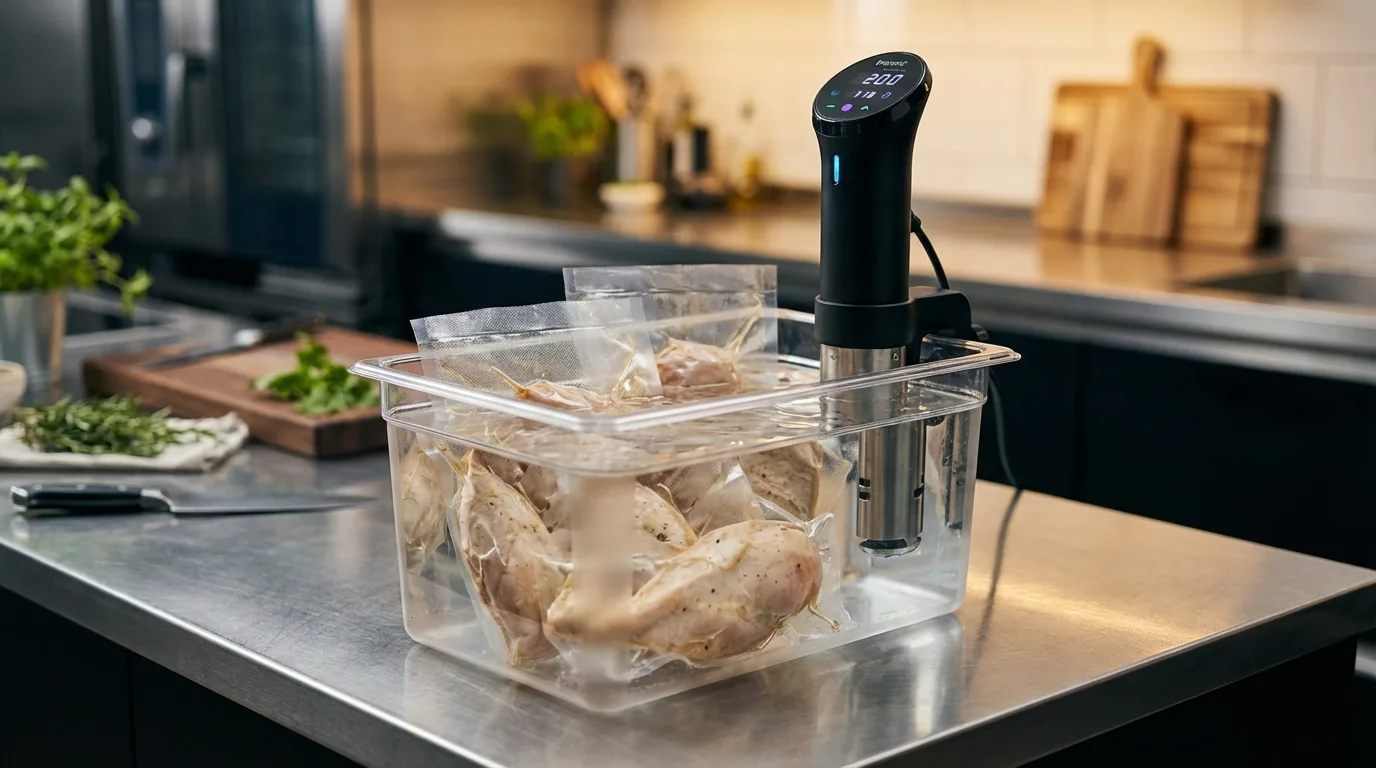
This is often the most controlled and gentle method. Place the vacuum-sealed bags of chilled vegetables into a preheated immersion circulator bath set to your desired serving temperature (e.g., 135-140°F / 57-60°C). The water bath ensures even heat transfer, bringing the vegetables to temperature without overcooking. Depending on the thickness of the bag and contents, this usually takes 10-20 minutes.
Combi Oven (Steam Mode)
For larger batches, a combi oven in steam mode is incredibly efficient. The moist heat prevents drying out and provides excellent heat transfer. Set the oven to around 180-200°F (82-93°C) with high humidity. Monitor closely, as vegetables can retherm quickly. This method is fantastic for maintaining moisture and vibrancy.
Quick Pan Sauté or Roast (for Finishing Touches)
For vegetables that benefit from a slight caramelization or crisp exterior (like carrots, potatoes, or asparagus), you can retherm most of the way in a water bath or combi oven, then finish with a quick pan sauté or a flash in a hot oven. This adds another layer of texture and flavor, elevating the dish further. Just ensure the internal temperature is safe before serving.
Don't Overlook the Finish!
Always remember that rethermalization isn't just about temperature; it's about the final presentation. A quick toss with fresh herbs, a drizzle of high-quality olive oil, or a sprinkle of flaky sea salt after retherming can make all the difference. It's the final flourish that tells your guests, 'We care about every detail.'

Equipment & Workflow: Setting Your Kitchen Up for Success
The right tools and a streamlined workflow are just as crucial as technique when it comes to safely holding sous vide vegetables for busy service. It's about creating a system that supports efficiency and food safety, turning potential bottlenecks into smooth operations. As I often tell my mentees, 'You're only as good as your mise en place, and that includes your equipment.'
Essential Equipment for Sous Vide Holding
- High-Quality Immersion Circulators: Invest in reliable units that hold temperature precisely. You might need multiple units – one for cooking, one for retherming.
- Commercial Vacuum Sealer: A chamber vacuum sealer is ideal for ensuring consistent, airtight seals, which are paramount for both cooking and holding.
- Blast Chiller: If your volume is high, a blast chiller is a game-changer for rapid cooling, ensuring you meet HACCP guidelines consistently and safely.
- Large Ice Baths: If a blast chiller isn't feasible, invest in large, insulated containers for efficient ice baths.
- Combi Oven: An invaluable asset for retherming large batches of vegetables efficiently with controlled moisture.
- Temperature Probes & Thermometers: Regular calibration and use of accurate thermometers are non-negotiable for verifying temperatures at every stage.
Optimizing Your Workflow
A well-thought-out workflow prevents chaos during service. Consider these points:
- Dedicated Prep Station: Have a specific area for sous vide prep, including vacuum sealing and labeling.
- Batching & Labeling: Cook and chill vegetables in appropriate batch sizes for your service needs. Label everything meticulously with contents, date cooked, and use-by date. This is critical for inventory management and food safety.
- Staging for Service: Before service, stage your rethermed vegetables in a holding area that maintains temperature (e.g., a hot water bath set to 135-140°F / 57-60°C) or near your finishing station for quick pan-searing.
- First-In, First-Out (FIFO): Always use older stock before newer stock to ensure freshness and prevent waste.
By investing in the right equipment and designing an intelligent workflow, you transform your kitchen into a highly efficient, food-safe operation. Think of it as building a robust assembly line for culinary excellence.
| Equipment | Primary Function | Benefit for Holding |
|---|---|---|
| Immersion Circulator | Precise cooking/retherm | Consistent retherm temp, prevents overcooking |
| Vacuum Sealer | Airtight packaging | Extends shelf life, prevents cross-contamination |
| Blast Chiller | Rapid cooling | Crucial for food safety, minimizes bacterial growth |
| Combi Oven | Controlled steam/dry heat | Efficient batch retherm, maintains moisture |
Training Your Team: The Human Element of Sous Vide Safety
Even the most sophisticated equipment and meticulously designed workflows are only as effective as the people operating them. In my experience, the biggest variable in any kitchen is the human element. Proper training is not just a recommendation; it's an absolute necessity for safely holding sous vide vegetables for busy service. A single oversight can compromise an entire batch, or worse, lead to a foodborne illness incident.
Comprehensive Training Modules
Your team needs to understand the 'why' behind every step, not just the 'how.' Develop training modules that cover:
- Sous Vide Fundamentals: Explain the principles of sous vide cooking, including temperature control and its impact on food safety.
- HACCP & Food Safety: Ensure every team member understands critical control points, especially rapid chilling and safe holding temperatures. Resources like ServSafe are invaluable here.
- Equipment Operation: Train on the correct use and maintenance of immersion circulators, vacuum sealers, blast chillers, and thermometers.
- Workflow & Labeling Protocols: Emphasize the importance of consistent batching, accurate labeling, and FIFO procedures.
- Troubleshooting: What to do if a vacuum seal breaks, if a temperature alarm sounds, or if a batch isn't cooling fast enough.
Regular Checks and Documentation
Implement a system for regular temperature checks at each stage – cooking, chilling, holding, and retherming. Document these readings. This not only ensures compliance but also builds a culture of accountability and precision. It's a proactive measure that catches potential issues before they become problems.
Consistency is the ultimate mark of professionalism. And consistency, in a busy kitchen, is built on thorough training and unwavering adherence to best practices.
Empower your team with knowledge and responsibility. When every individual understands their role in maintaining food safety and quality, the entire operation runs smoother, safer, and with greater confidence. It transforms kitchen staff into culinary guardians.
Frequently Asked Questions (FAQ)
Q: Can I hot hold sous vide vegetables directly after cooking, without chilling first? A: While technically possible for very short periods (2-4 hours maximum) above 135°F (57°C), I strongly advise against it for most sous vide vegetables. Direct hot holding will continue the cooking process, leading to texture degradation (mushiness) and diminished vibrancy. The cook-chill-retherm method is superior for maintaining quality and extending holding time safely.
Q: How long can sous vide vegetables be safely stored cold after the cook-chill process? A: When properly vacuum-sealed and rapidly chilled to 34-38°F (1-3°C), most sous vide vegetables can be safely stored in refrigeration for 5-7 days. Always adhere to strict FIFO principles and discard any bags with compromised seals or signs of spoilage.
Q: What's the best way to rethermalize a large batch of sous vide vegetables quickly for an event? A: For large batches, a combi oven in steam mode (around 180-200°F / 82-93°C with high humidity) is highly efficient. Alternatively, a very large, precisely controlled water bath (using multiple immersion circulators if needed) can also retherm many bags simultaneously. The key is even heat distribution and monitoring internal temperature.
Q: Do different vegetables require different holding strategies? A: While the core cook-chill-retherm principles remain consistent, the specific temperatures and times might vary slightly for optimal texture. Heartier root vegetables (carrots, potatoes) are more forgiving with hot holding than delicate greens (asparagus, green beans). Always refer to a reliable sous vide guide for specific vegetable parameters.
Q: What are the common pitfalls to avoid when holding sous vide vegetables? A: The most common pitfalls include insufficient rapid chilling, holding in the 'danger zone,' compromised vacuum seals, and overcooking during rethermalization. Neglecting proper labeling and FIFO inventory management also leads to waste and potential safety issues. Consistent training and adherence to protocols are your best defense.
Key Takeaways and Final Thoughts
Mastering the art of safely holding sous vide vegetables for busy service is a testament to true culinary professionalism. It's about blending the precision of modern cooking techniques with an unwavering commitment to food safety and operational efficiency. By now, you should feel equipped with the knowledge and strategies to elevate your kitchen's performance and confidently deliver exceptional sous vide vegetables, even under the most intense pressure.
- Embrace the cook-chill-hold-retherm cycle as your foundational safety protocol.
- Prioritize rapid chilling to quickly move food through the danger zone.
- Understand and adhere to optimal holding temperatures and times for both cold and, if necessary, hot holding.
- Implement strategies to prevent texture degradation, ensuring peak quality on the plate.
- Invest in the right equipment and streamline your workflow to support efficient and safe operations.
- Critically, train your team thoroughly, fostering a culture of accountability and expertise.
Remember, every dish that leaves your kitchen is a reflection of your standards. By applying these expert-level strategies, you're not just serving vegetables; you're serving trust, consistency, and culinary excellence. Go forth, cook with confidence, and make every service a resounding success.
Recommended Reading
- 7 Pro Strategies: Fix Subtle Flavor Imbalances in Multi-Component Dishes
- 7 Pro Strategies: How to Prevent Sugar Crystallization in Candy
- 7 Proven Strategies: How to Maintain Portion Control When Eating Out for Work?
- Unlocking the Secrets: How to Get Authentic Smoky Flavor in Street Food?
- 6 Sous Vide Food Safety Risks: Improper Vacuum Sealing & Prevention
0 Comentários: