 By
By 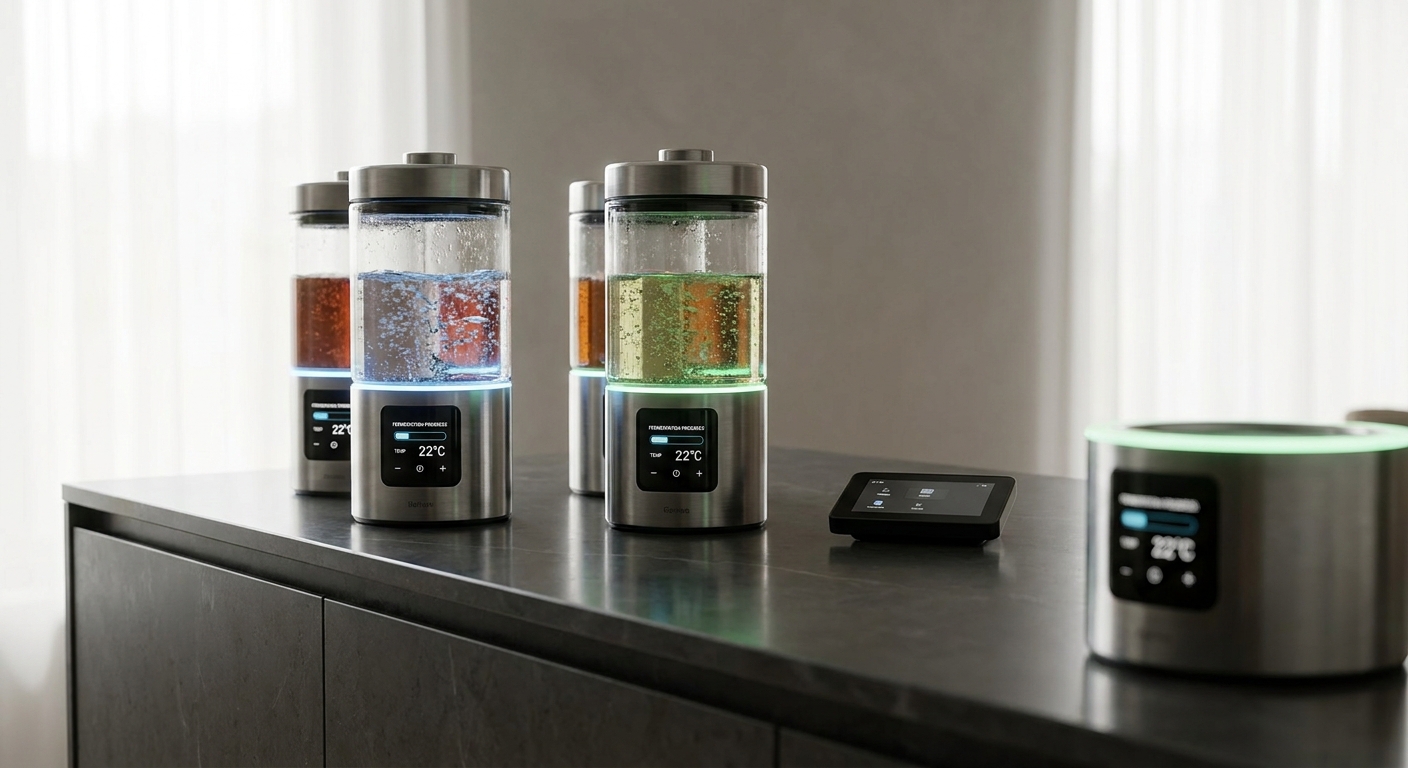
The Evolving Landscape of Fermentation Tech 2026 in Your Kitchen
Fermentation, an ancient practice, is experiencing a modern renaissance, driven by significant advancements in industrial processes. In fermentation tech 2026, the focus has largely been on scaling up industrial production and integrating sophisticated techniques into existing food systems. This year alone, we've seen a surge in interest in optimized processes and strain engineering, moving fermentation beyond traditional krauts and kombuchas into entirely new culinary territories.
Many home cooks might wonder how these high-tech, large-scale developments in biotechnology and food science translate to their own kitchens. Is it just for big corporations, or can everyday enthusiasts tap into this wave of innovation?
This article will explore the practical implications of current fermentation technology for home use, highlighting emerging trends, accessible tools, and how you can integrate cutting-edge fermentation principles into your daily cooking for enhanced flavor, nutrition, and sustainability.
Beyond Sourdough and Sauerkraut – New Fermentation Horizons
While classic fermented foods remain beloved staples, the landscape of fermentation is expanding dramatically. Modern advancements, often termed 'precision fermentation,' allow for the production of specific proteins, fats, and flavor compounds using genetically engineered microorganisms. This industrial capability is leading to a new generation of ingredients that promise to revolutionize both commercial and, eventually, home cooking.
The emphasis is shifting from mere preservation to creating functional differentiation in proteins and developing novel food components. Imagine creating dairy-free cheeses with the exact texture and melt of traditional varieties, or cultivating unique flavor profiles that are impossible to achieve through conventional methods. While the full suite of precision fermentation tools isn't yet in every home kitchen, the foundational principles and some of the innovative ingredients are becoming more accessible.
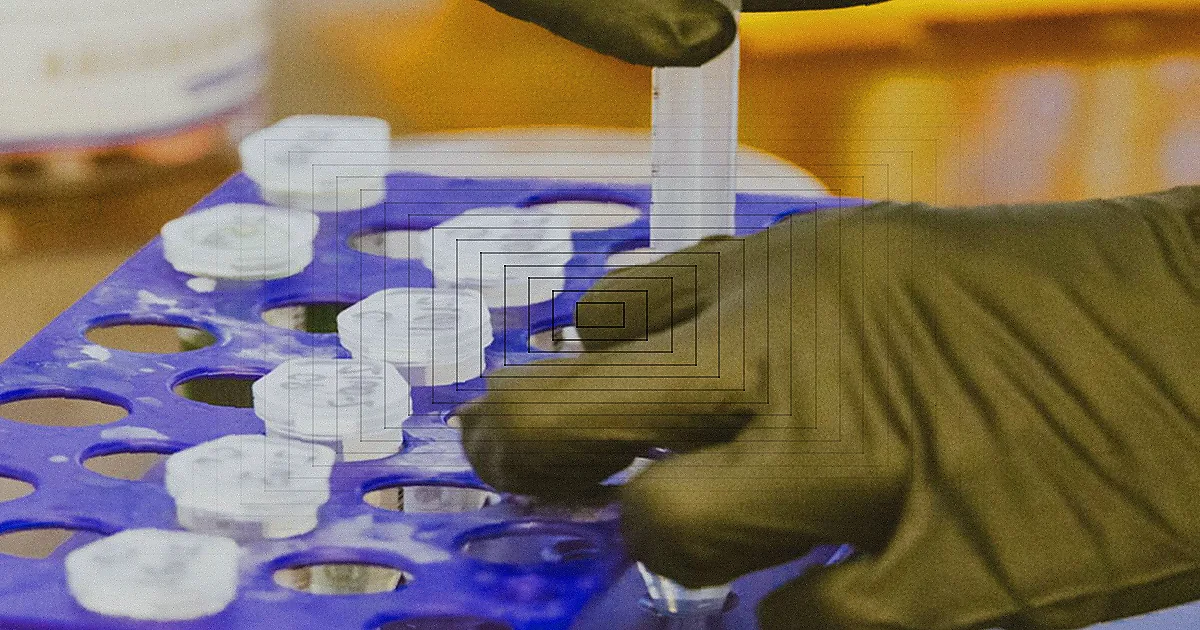
- New Ingredients: Expect to see more plant-based protein alternatives, cultivated fats, and unique flavor enhancers derived from fermentation hitting the market. These can be incorporated into home recipes to create dishes with novel textures and tastes.
- Functional Foods: Beyond basic nutrition, fermentation is being leveraged to create foods with specific health benefits, such as enhanced bioavailability of nutrients or targeted gut microbiome support.
- DIY Culture Kits: The increasing demand for home fermentation has led to sophisticated starter cultures for unique ferments, allowing home cooks to experiment with a wider array of ingredients and techniques.
Smart Tools and Autonomous Bioprocessing for the Home Fermenter
The industrial trend towards autonomous bioprocessing and process optimization is slowly but surely influencing home fermentation setups. While fully autonomous home bioreactors are still a niche, smart kitchen gadgets and improved monitoring systems are making complex ferments more approachable. These tools help maintain optimal conditions, reducing the guesswork and potential for spoilage.
Read also: Cloudy Kombucha? Troubleshoot & Fix Fermentation Failures (Pro Guide)
For example, temperature-controlled fermentation chambers, pH meters, and even small-scale 'smart' incubators are becoming more common. These devices allow home enthusiasts to control variables with a precision previously only available in labs. The goal is to replicate successful ferments consistently and safely, encouraging experimentation with more delicate or specific microbial cultures.
| Event | Date |
|---|---|
| Industrial Fermentation Workshop | January 12–16, 2026 |
| Future Cow Funding (Brazil) | June 2025 |
| ICYFTA Conference | December 1, 2026 |

The Industrial Fermentation Workshop held in Danville, Virginia, earlier this year (January 12–16, 2026) highlighted the industry's push for greater efficiency and control. These advancements, while industrial in scope, inspire the development of consumer-grade tools that can bring similar levels of precision to the home kitchen. The International Conference on Yeast Fermentation Technology Advances (ICYFTA) scheduled for December 1, 2026, further underscores the ongoing research and development in this field.
Making Precision Accessible
While the full scope of industrial fermentation tech 2026 is still largely inaccessible to individuals, the underlying principles of controlled environments and specific microbial strains are increasingly being packaged into user-friendly home kits. For instance, advanced home kombucha brewers might integrate heating elements and timers, or specialized yogurt makers could maintain precise temperatures for unique bacterial cultures. Basic home fermentation kits, including vessels, airlocks, and starter cultures, can range from $30 to $150, while more advanced temperature-controlled units for specific applications might be found starting from $200. Approximate prices consulted on 05/26/2026 and subject to change. Consult official retailers for updated values.
Unlocking Sustainable and Healthful Eating with Fermentation Tech
One of the most compelling aspects of modern fermentation is its potential to contribute to a more sustainable and healthier food system. As global populations grow and environmental concerns mount, fermentation offers a powerful tool for producing nutritious food with a smaller ecological footprint. This is particularly evident in the burgeoning market for plant-based proteins and alternative dairy products.
See also: Grill 50+ Burgers: Achieve Consistent Medium-Rare, Every Time
Fermentation can transform inexpensive, readily available plant feedstocks into high-value proteins that mimic animal products in taste, texture, and nutritional profile. This reduces reliance on animal agriculture, which is often resource-intensive. Furthermore, fermented foods are widely recognized for their potential to support gut health, thanks to the beneficial microorganisms they contain. Consuming a variety of fermented foods can contribute to a diverse gut microbiome, which is linked to numerous aspects of well-being.
Important Tip: Always prioritize food safety when fermenting at home. Use clean equipment, follow reliable recipes, and trust your senses. If something smells off or looks unusual, it's best to discard it.
The broader trends in fermentation tech 2026, moving towards greater efficiency and novel product development, are paving the way for a future where sustainable and highly nutritious options are not just available but also delicious and easy to prepare at home. Learn more about the general principles of fermentation on Wikipedia.
Getting Started with Advanced Fermentation at Home
Embracing the spirit of modern fermentation doesn't require a lab coat or a degree in microbiology. It starts with curiosity and a willingness to experiment. Here are some steps to begin exploring the exciting world of advanced fermentation in your home kitchen:
- Educate Yourself: Start by understanding the basics of different fermentation types – lactic acid, acetic acid, and yeast fermentation. Books, reputable blogs, and online courses are excellent resources.
- Invest in Basic Tools: You don't need expensive equipment to start. Jars, airlocks, and a reliable scale are often enough. As you progress, consider a temperature-controlled environment or a pH meter for more precise control.
- Source Quality Ingredients: The success of your ferments heavily depends on the quality of your produce and starter cultures. Look for fresh, organic vegetables and active, healthy starter cultures from trusted suppliers.
- Experiment with New Cultures: Once comfortable with basics like sauerkraut, try making water kefir, tempeh, or even your own koji. These introduce you to different microbial communities and fermentation pathways.
- Prioritize Safety: Always maintain a clean environment, sterilize your equipment, and follow recipes from reliable sources. When in doubt, err on the side of caution.
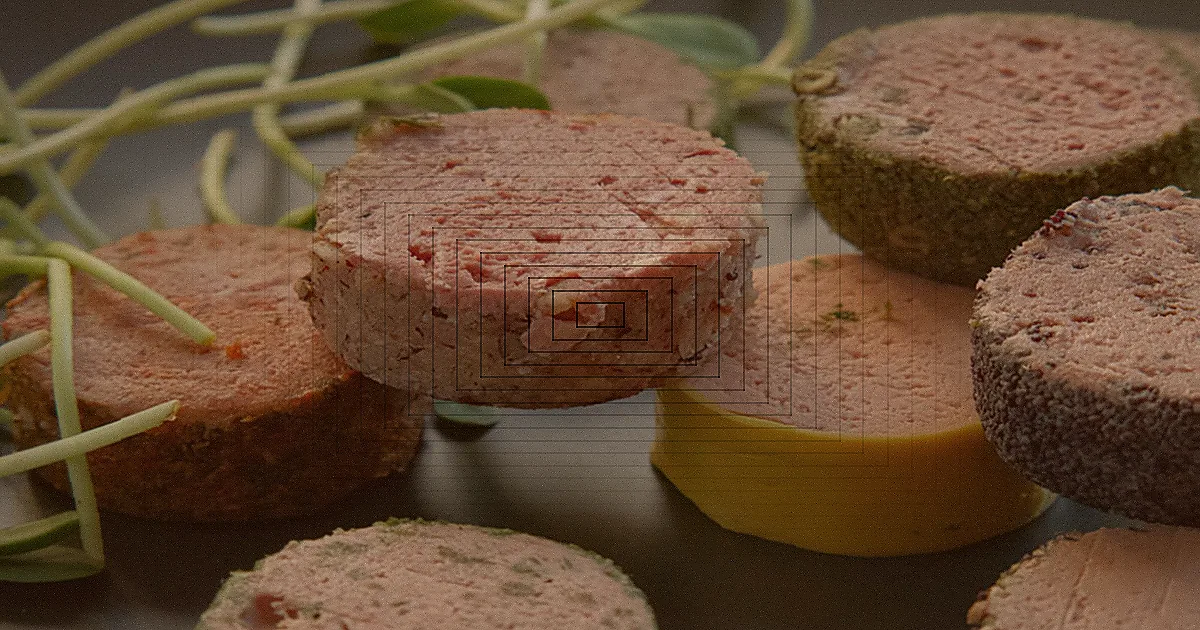
The advancements in fermentation tech 2026 are about making these processes more predictable and efficient, and many of these insights can be applied to home practices to achieve better results. Discover more about precision fermentation's potential.
Check out: 7 Ways Beneficial Bacteria Revolutionize Your Gut Health & Fermentation
Exploring Novel Ferments
Consider delving into making your own plant-based cheeses using nut milks and specialized cultures, or experimenting with different types of miso beyond the traditional soybean variety. Koji, a fungus used in Japanese cuisine, is another fascinating area, allowing for the creation of unique seasonings and tenderizers. The possibilities are vast, and each new ferment offers a unique learning experience and a delicious reward. For those interested in the broader impact, organizations like the USDA offer resources on food safety and agricultural innovation.
Questions You Might Have About Fermentation Tech
What is the most significant development in fermentation tech 2026 for home cooks? The most significant development is the increasing availability of specialized starter cultures and smart, user-friendly equipment that simplifies complex fermentation processes, making them more consistent and accessible for home enthusiasts.
Can I make my own precision fermented ingredients at home? True precision fermentation, involving genetically engineered microorganisms, is complex and primarily industrial. However, you can leverage its principles by using highly specific, commercially available starter cultures to achieve desired outcomes in your home ferments.

Is fermentation tech 2026 primarily focused on plant-based foods? While a significant portion of current fermentation tech advancements is indeed focused on developing sustainable plant-based alternatives and novel proteins, the technology also applies to other areas, including functional ingredients for pet food and cosmetics, and enhancing traditional fermented products.
The Future is Fermented – Bringing Innovation Home
The world of fermentation is dynamic and rapidly evolving. While industrial fermentation tech 2026 continues to push boundaries in large-scale food production, its ripple effects are making advanced techniques and novel ingredients increasingly accessible to the home kitchen. This opens up a world of culinary exploration, allowing you to create healthier, more flavorful, and more sustainable foods right in your own home.
- Embrace new ingredients and cultures derived from advanced fermentation.
- Utilize smart tools to achieve greater precision and consistency in your ferments.
- Contribute to a more sustainable food system through home fermentation.
- Enhance your diet with nutrient-rich, gut-friendly fermented foods.
For more content, visit the homepage of Cooking Melt.
Don't be intimidated by the scientific advancements; instead, view them as an invitation to experiment and innovate. With the right knowledge and a curious spirit, you can harness the power of fermentation to transform your home cooking and contribute to a healthier, more delicious future. Explore resources from food science organizations like the Institute of Food Technologists for further insights. Many universities also offer public resources on food science, such as those from Cornell University's Food Science department.





0 Comentários: