 By
By 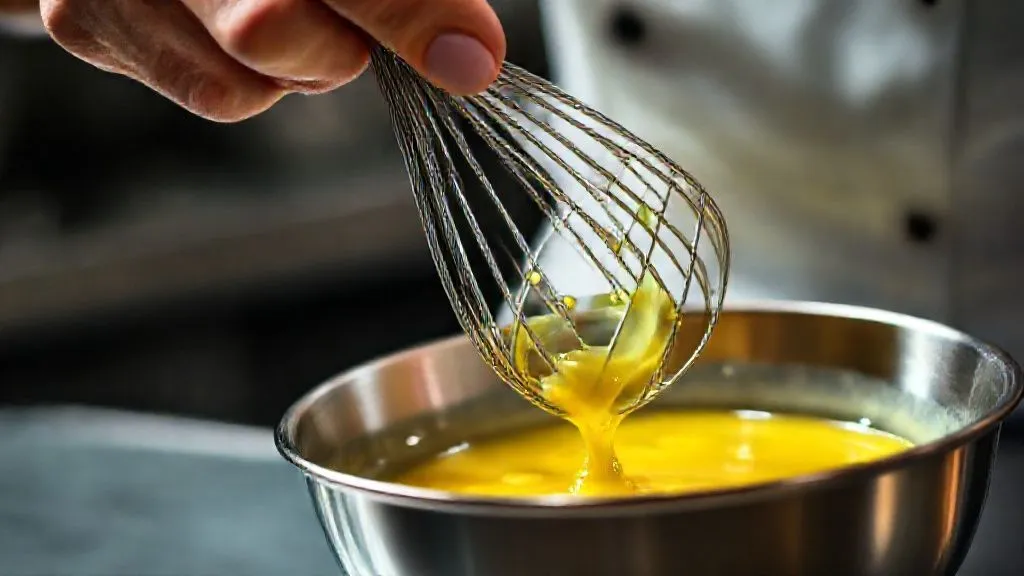
How to troubleshoot an emulsified sauce that splits right before plating?
For over two decades in the culinary world, I’ve witnessed countless moments of kitchen triumph, but also those heart-stopping seconds when a perfectly crafted emulsified sauce, destined for a magnificent dish, suddenly decides to revolt. That dreaded moment when your silken hollandaise or rich mayonnaise breaks, separating into an oily mess and a watery puddle, often right as the plate is about to leave the pass. It’s a gut punch, a moment of panic that can unravel even the most seasoned chef.
This isn't just a minor inconvenience; it's a potential disaster that wastes precious ingredients, time, and can compromise the integrity of an entire dish. The frustration is palpable, the pressure immense, especially when guests are waiting. I’ve been there, staring down a broken sauce, feeling the clock tick, wondering if all the effort was for naught.
But here’s the secret: a split sauce isn’t always a lost cause. In my experience, most can be rescued with the right knowledge and a calm, deliberate approach. This guide will provide you with not just theoretical understanding, but actionable, expert-level troubleshooting steps, frameworks, and insights to confidently tackle and triumph over a split emulsified sauce, ensuring your dishes always leave the kitchen looking and tasting impeccable.
Understanding the Enemy: Why Emulsions Split
Before we can fix a broken sauce, we must understand why it breaks in the first place. An emulsion is a delicate dance between two immiscible liquids, like oil and water, held in suspension by an emulsifier. Think of it as millions of tiny oil droplets suspended in water (like mayonnaise or hollandaise) or water droplets suspended in oil (less common in everyday sauces, but examples exist).
The Science of Emulsions Briefly Explained
At its core, an emulsifier (like lecithin in egg yolks or proteins in mustard) acts as a mediator, having one end attracted to oil and the other to water. It forms a protective barrier around the droplets, preventing them from coalescing back into separate layers. This delicate balance, however, can be easily disrupted, leading to a split.
Common Culprits: Temperature, Ratio, Aggression, Time
From my observations, the vast majority of split sauces can be traced back to one of these four factors. Temperature is often the primary culprit; too hot can cook the emulsifier and break the bond, while too cold can solidify fats and cause separation. Incorrect ratios of fat to liquid or insufficient emulsifier can also lead to instability. Aggressive whisking, especially at the wrong stage, can overwork the sauce, while conversely, insufficient whisking might not properly incorporate the fat. Finally, time itself can be an enemy, as emulsions are inherently unstable over long periods.
“Emulsions are a testament to culinary artistry, but also to its fragility. Mastering them means understanding their inherent temperament and respecting their boundaries.”

The Emergency Toolkit: Essential Items for Sauce Rescue
When a sauce splits right before plating, every second counts. Having your emergency toolkit ready can make all the difference between a save and a scrape. I always advise my apprentices to keep these items at arm's reach when working with emulsions.
Preparing for the Rescue Mission
The key here is anticipation. You won't have time to hunt for ingredients or equipment when the pressure is on. Think of it like a culinary first aid kit.
- Clean Bowl: A fresh, impeccably clean, and dry bowl is crucial. Any residual fat or moisture can hinder re-emulsification.
- Whisk: A sturdy, balloon whisk is your best friend. Ensure it’s clean and fits comfortably in your chosen bowl for vigorous whisking.
- Small Pot of Warm Water / Ice Bath: Depending on the suspected cause (too cold or too hot), you'll need one or both. A small pot of simmering water for a bain-marie, or a bowl of ice water for a quick chill.
- Extra Emulsifier: Have a fresh egg yolk, a dollop of Dijon mustard, or a teaspoon of cream ready. These are powerful emulsifying agents that can kickstart a broken sauce.
- Neutral Oil or Clarified Butter: A small amount of fresh, neutral oil (like grapeseed or canola) or melted clarified butter can be used to re-establish the emulsion.
- Small Ladle or Squeeze Bottle: For precise, slow addition of liquids.
Immediate Action: The Cold Shock & Gradual Re-Emulsification Method
This method is my go-to for most split sauces, especially those that have become too hot or simply lost their structure. It’s about resetting the environment and slowly rebuilding the emulsion from scratch, using the broken sauce as the fat component.
Step 1: Assess and Isolate
First, take a deep breath. Observe the sauce. Is it visibly separated into oil and water? Is it curdled? Pour the broken sauce into a clean container, separating as much of the oily layer as possible if it's distinctly segregated. You'll use this oil later.
Step 2: The Ice Bath Trick
If your sauce split due to overheating, or if you're just not sure, a cold shock can sometimes help. Place a clean, empty bowl over an ice bath. This cools the bowl and helps prevent further cooking of any emulsifiers. This step is particularly effective for hollandaise or béarnaise that has become too hot.
Step 3: Introduce a New Emulsifier and Rebuild
This is where the magic happens. You're essentially starting a new, small emulsion and slowly incorporating the broken sauce back into it.
- Start Fresh: In your clean bowl (either over ice or at room temperature), add a fresh egg yolk (for richer sauces like hollandaise/mayonnaise) or a teaspoon of Dijon mustard (a more versatile, milder option). For a lighter touch, a tablespoon of heavy cream can also work.
- Add a Touch of Liquid: Whisk in a teaspoon of warm water, lemon juice, or white wine vinegar (matching the original sauce's flavor profile) with the emulsifier. This creates the initial base for your new emulsion.
- Whisk Vigorously: Begin whisking the emulsifier and liquid mixture vigorously in one direction. You want to create a stable, frothy base.
- Slowly Incorporate the Broken Sauce: Now, very, very gradually, start adding the broken sauce, a few drops at a time, into your new emulsifier base while continuously whisking. Think of it as building a new sauce, but using the split sauce as your fat.
- Increase Speed: As the emulsion starts to come together and thicken, you can slowly increase the rate at which you add the broken sauce, but always maintain a steady, vigorous whisk. If it looks like it might split again, slow down immediately.
- Season and Adjust: Once fully re-emulsified, taste and adjust seasoning, acidity, and consistency. You might need a touch more liquid or a pinch of salt.
| Troubleshooting Method | Best For | Key Ingredient | Success Rate |
|---|---|---|---|
| Cold Shock & Re-Emulsify | Overheated sauces, general split | Fresh egg yolk/mustard | High |
| Warm Water Whisk-In | Sauces too cold, minor split | Warm liquid | Medium |
| Starch/Gum Addition | Last resort for stability | Cornstarch slurry/xanthan gum | Variable (texture change) |
The Warm Water Whisk-In: When Temperature is the Issue
Sometimes, a sauce splits not because it's fundamentally broken, but because it has gotten too cold, causing the fat to solidify and separate. This is particularly common with butter-based emulsions like hollandaise or béarnaise that have been left to sit for a short while.
Identifying Heat as the Cause
If your sauce was fine, then cooled down and split, or if it feels distinctly greasy and thick with solidified fat, temperature is likely the primary culprit. The goal here is to gently bring the emulsion back to a stable temperature without overheating it and causing a secondary break.
The Gentle Reintroduction
This method is less about rebuilding from scratch and more about coaxing the existing emulsion back together. It requires a delicate touch and careful temperature control.
- Warm Bath: Place your bowl with the split sauce over a very gentle bain-marie (a pot of simmering water, ensuring the bottom of the sauce bowl doesn't touch the water). Alternatively, you can briefly warm the bottom of the bowl over a low flame, moving it constantly.
- Introduce Warm Liquid: Add a teaspoon or two of warm (not hot!) water, broth, or even warm melted butter to the split sauce.
- Whisk Continuously: Start whisking the sauce vigorously and continuously. The warmth from the bain-marie combined with the warm liquid and whisking action will help the solidified fats melt and re-incorporate into the emulsifier.
- Observe and Adjust: Watch closely. As the sauce warms and you whisk, it should start to come back together, thickening and becoming smooth. Remove from heat as soon as it's cohesive to prevent overheating.
- Season and Serve: Taste and adjust seasoning as needed. Serve immediately.
Case Study: Rescuing Chef Antoine's Bearnaise Disaster
How a Last-Minute Technique Saved a Signature Dish
I recall a particularly high-stakes evening early in my career, working alongside a renowned French chef, Antoine. We were in the weeds, service was in full swing, and a table of VIPs had just ordered his signature steak frites with béarnaise. Antoine, usually unflappable, looked visibly stressed. His béarnaise, made moments before, had split into a greasy, curdled mess right as he was about to plate.
The kitchen went silent. Wasting it wasn't an option; remaking it would mean a 15-minute delay, unacceptable for a VIP table. I remembered a trick I’d learned from an old mentor. I quickly grabbed a clean, small bowl and cracked in a fresh egg yolk. With a splash of warm tarragon vinegar from the sauce's original reduction, I began whisking furiously.
Then, very slowly, almost drop by drop, I started incorporating Antoine’s broken béarnaise into my new egg yolk base. The key was patience and relentless whisking. As the droplets of broken sauce met the vigorously agitated egg yolk, a miracle began to unfold. The mixture started to thicken, transforming from a thin liquid to a creamy, pale yellow emulsion. Within two minutes, I had successfully re-emulsified nearly all of the original sauce, returning it to its former glory. Antoine, who had watched with a mix of skepticism and desperation, let out a sigh of relief. The steaks went out on time, perfectly adorned with the rescued béarnaise. It was a powerful lesson in applying fundamental skills under pressure, proving that even the most seemingly dire kitchen mishaps can often be salvaged with the right technique.
The Power of Patience: Slow and Steady Wins the Emulsion Race
One of the most common mistakes I see, especially with novice cooks, is rushing the emulsification process. It's tempting to pour in the fat quickly, but this is a recipe for disaster. The delicate nature of an emulsion demands patience and precision.
Why Slow Addition Matters
When you're creating an emulsion, you're essentially breaking down fat into tiny droplets and dispersing them evenly throughout a liquid. If you add the fat too quickly, the emulsifier gets overwhelmed; it can't coat all the fat droplets fast enough, leading to them coalescing and separating. Think of it like trying to stir a cup of sugar into water – if you dump it all in at once, it just sits at the bottom. If you add it slowly, it dissolves perfectly.
“In the world of emulsified sauces, your whisk is your conductor, and your patience is the rhythm. A hurried hand will always play a discordant note.”
This principle applies equally to rescuing a split sauce. When you're slowly adding the broken sauce back into a new emulsifier base, you're giving the emulsifier every chance to do its job effectively. This meticulous approach ensures that each tiny fat droplet is properly encased, preventing further separation.

Preventing Future Splits: Best Practices for Stable Sauces
While troubleshooting is a vital skill, prevention is always better than cure. By adopting best practices, you can significantly reduce the likelihood of your emulsified sauces splitting in the first place. This is where true expertise shines – in consistent, reliable results.
Temperature Management is Paramount
Most emulsions are sensitive to extreme temperatures. For butter-based sauces like hollandaise, keep them warm, but never hot enough to scramble the egg yolks (around 140-150°F or 60-65°C is ideal). For mayonnaise, avoid extreme cold, which can solidify the oil. A bain-marie for hollandaise or simply room temperature for mayonnaise are good starting points. According to Serious Eats' Food Lab, precise temperature control is the single most critical factor for hollandaise stability.
Ingredient Ratios and Quality Matter
Always adhere to tested recipes for fat-to-liquid ratios. Too much fat can overwhelm the emulsifier, while too little can result in a weak emulsion. Using fresh, high-quality ingredients, especially fresh egg yolks, provides the strongest emulsifying power. Some sources, like those from The Culinary Institute of America, emphasize the importance of fresh, properly tempered eggs.
Master Your Whisking Technique
Consistent, even whisking is key. Start slowly when adding the first bit of fat, then gradually increase speed as the emulsion forms. Maintain a steady pace throughout. The goal is to create tiny, uniform fat droplets. Over-whisking can sometimes incorporate too much air, which can destabilize an emulsion, while insufficient whisking won't properly integrate the components.
Proper Storage and Handling
Emulsified sauces are best made fresh and served immediately. If storage is necessary, do so at the appropriate temperature (refrigerated for mayonnaise, gently warm for hollandaise in a thermos or very gentle bain-marie). Avoid rapid temperature changes. As FoodSafety.gov guidelines often reiterate, temperature abuse is a leading cause of food spoilage and safety issues, which can certainly extend to emulsion stability.
| Emulsion Type | Ideal Temp Range | Common Cause of Split | Rescue Method Priority |
|---|---|---|---|
| Hollandaise/Béarnaise | 140-150°F (60-65°C) | Overheating, too cold, too much butter too fast | Cold shock, fresh yolk rebuild |
| Mayonnaise/Aioli | Room temperature, cool | Too much oil too fast, oil too cold | Fresh yolk/mustard rebuild |
| Vinaigrette | Room temperature | Left standing, insufficient emulsifier | Re-whisk vigorously, add extra mustard |
Advanced Troubleshooting: Beyond the Basics
While the cold shock and warm water methods cover most scenarios, there are nuances and situations where a different approach, or even a difficult decision, might be necessary. As an experienced industry specialist, I’ve learned when to push and when to simply restart.
When to Cut Your Losses
Sometimes, a sauce is truly beyond repair. If you've tried the standard rescue methods multiple times without success, or if the sauce has been severely overheated to the point where the egg yolks have curdled and become gritty, it's often best to discard it and start fresh. Wasting a few ingredients is better than serving a subpar dish or, worse, something that might be unsafe.
“Knowing when to let go of a broken sauce isn't a failure; it's a mark of wisdom and respect for your craft and your diners.”
Using Starches or Gums (As a Last Resort)
In very rare, desperate situations, particularly for non-egg-based emulsions or if you need to stabilize a sauce for an extended period, you might consider adding a tiny amount of a neutral starch (like cornstarch slurry) or a hydrocolloid gum (like xanthan gum). This isn't ideal as it can change the texture and mouthfeel significantly, but it can provide a quick fix for stability. This technique is often discussed in more advanced culinary texts, such as those that delve into Modernist Cuisine, for its scientific approach to food texture.
For a cornstarch slurry, mix a tiny amount (1/4 teaspoon) with an equal amount of cold water, then slowly whisk it into your warm, struggling sauce. For xanthan gum, an even smaller pinch (less than 1/8 teaspoon per cup of sauce) can be whisked in. Always start with the absolute minimum, as these thickeners are potent and can quickly make a sauce gummy. This is a technique I reserve for extreme circumstances, as it fundamentally alters the sauce's character.

Frequently Asked Questions (FAQ)
Can I fix any split sauce? While most split emulsified sauces can be rescued, there are limits. If the sauce has completely curdled due to extreme overheating (e.g., egg yolks turning into scrambled eggs), or if it's been left out for too long and is unsafe, it's best to discard it. Sauces that have only just begun to separate or have a distinct oily layer are generally good candidates for rescue.
What's the best emulsifier to use for rescue? For egg-based sauces like hollandaise or mayonnaise, a fresh egg yolk is the most potent and natural choice, as it contains lecithin. For vinaigrettes or lighter sauces, a teaspoon of Dijon mustard works wonders due to its natural emulsifying properties. Heavy cream can also provide a gentle emulsifying boost.
How do I know if it's splitting due to heat or cold? Observe the texture. If it's oily and gritty with cooked bits, it's likely too hot. If it's thick and greasy, with visible solidified fat globules, it's likely too cold. If it's just thin and watery with oil on top, it could be an issue of ratio, insufficient whisking, or general instability, in which case the cold shock and rebuild method is usually best.
Is it safe to eat a re-emulsified sauce? Yes, if handled properly. If the sauce was merely separated due to temperature or technique and not left at unsafe temperatures for extended periods, re-emulsifying it makes it perfectly safe to consume. Always ensure egg-based sauces, especially those containing raw or lightly cooked eggs, are made with fresh, pasteurized eggs if possible, and consumed promptly. Refer to WHO food safety guidelines for general best practices.
How long can a re-emulsified sauce last? A re-emulsified sauce should be treated like any freshly made emulsion. For egg-yolk-based sauces like hollandaise, it's best consumed immediately or within a couple of hours if kept warm (above 140°F / 60°C) to prevent bacterial growth. Mayonnaise, if properly refrigerated, can last a few days, but its quality might degrade. Always err on the side of caution and prioritize freshness.
Key Takeaways and Final Thoughts
The journey to mastering emulsified sauces is one of patience, precision, and an unwavering commitment to understanding the science behind the art. A split sauce is not a failure; it's an opportunity to apply your knowledge and hone your troubleshooting skills. Remember these critical points:
- Understand the 'Why': Know the common culprits—temperature, ratio, aggression, time—to better diagnose the issue.
- Be Prepared: Keep your emergency toolkit (clean bowl, whisk, extra emulsifier, warm water/ice) ready for immediate action.
- Start Fresh: The most reliable rescue method involves starting a new, small emulsion with a fresh emulsifier and slowly incorporating the broken sauce.
- Patience is a Virtue: Always add liquids and fats slowly, with continuous, steady whisking.
- Prevention is Key: Master temperature control, ingredient ratios, and whisking technique to minimize splits.
- Know When to Quit: Some sauces are beyond repair. Don't be afraid to restart if necessary.
With these expert techniques in your arsenal, you're now equipped to face down the culinary challenge of a split sauce with confidence and skill. Embrace the learning process, trust your instincts, and never let a temporary setback deter you from creating truly magnificent dishes. Happy cooking!
Recommended Reading
- 9 Proven Recipes: What Gets Severe Food Neophobia Kids Eating?
- Never Dry Again! Bake Salmon Moist Inside, Crispy Skin: The 5-Step Guide
- Why Quick Breads Crumble: 7 Fixes for Commercial Production Runs
- Ultimate Guide: Easy Vegan Meal Prep for Beginners
- Mastering Pan-Seared Fish: 5 Steps for Crispy Skin, No Overcooking


0 Comentários: