 By
By 
What Advanced Techniques Solve Chronic Diacetyl in High-Gravity Lagers?
For over two decades in the intricate world of home brewing, I've witnessed countless brewers, myself included, grapple with the frustrating ghost of diacetyl. It's that tell-tale buttery, butterscotch, or even rancid popcorn flavor that can stubbornly cling to an otherwise magnificent beer, particularly in the complex realm of high-gravity lagers. There's nothing quite as disheartening as nurturing a high-ABV brew for weeks, only to have its pristine character marred by this unwelcome off-flavor.
The challenge intensifies with high-gravity lagers because the stressed yeast, higher alcohol content, and extended fermentation times create a perfect storm for diacetyl precursors to form and linger. Traditional diacetyl rests often fall short, leaving brewers scratching their heads and their prized lagers tasting less than perfect. It's a problem that demands more than basic brewing knowledge; it calls for a deep dive into advanced techniques.
Today, I'm going to share with you the culmination of my experience and research, outlining the truly advanced techniques that solve chronic diacetyl in high-gravity lagers. We'll move beyond the conventional, exploring cutting-edge yeast management, precise fermentation control, enzymatic interventions, and data-driven strategies that will empower you to consistently produce clean, crisp, and diacetyl-free high-gravity lagers. Prepare to elevate your brewing game.
Understanding the Enemy: Diacetyl Formation in High-Gravity Lagers
Before we can effectively combat diacetyl, we must first truly understand its genesis. Diacetyl (2,3-butanedione) is a diketone, a volatile compound produced by yeast during fermentation. Its precursor is alpha-acetolactate, which yeast excretes into the wort. This alpha-acetolactate then oxidizes non-enzymatically into diacetyl. While yeast can reabsorb and reduce diacetyl back into flavorless compounds (acetoin and 2,3-butanediol), this process is often sluggish, especially under challenging conditions.
In high-gravity lagers, several factors exacerbate diacetyl issues. Firstly, the high sugar concentration puts significant osmotic stress on yeast, often leading to less efficient fermentation and potentially higher alpha-acetolactate excretion. Secondly, the higher alcohol content can inhibit yeast activity, slowing down the crucial diacetyl reabsorption phase. Lastly, the typically lower fermentation temperatures of lagers, while essential for their clean profile, also decelerate the chemical conversion of alpha-acetolactate to diacetyl and the subsequent enzymatic reduction by yeast. This creates a prolonged window where diacetyl can form and persist.
"Patience is a virtue in brewing, but informed patience, backed by scientific understanding, is the key to mastering complex challenges like diacetyl in high-gravity lagers. Rushing the process will only lead to disappointment."
Many brewers mistakenly believe that simply extending cold conditioning will solve the problem. While time is certainly a factor, if diacetyl precursors are still present and yeast activity is too low, the problem can linger indefinitely or even re-emerge. Understanding this delicate balance of formation and reduction is the first step to truly advanced diacetyl control. For a deeper dive into the biochemistry, I often refer to academic resources on fermentation science, such as those found in the Journal of the Institute of Brewing.
Mastering Yeast Health and Pitching Rates for Diacetyl Prevention
The foundation of any successful high-gravity lager, especially one free from diacetyl, lies in impeccable yeast health and precise pitching. Stressed, underpitched, or unhealthy yeast will inevitably struggle to ferment efficiently and reabsorb VDKs (Vicinal Diketones, which include diacetyl and pentanedione). I've found that this is where many brewers, even experienced ones, often fall short.
Optimizing Yeast Starter Programs
For high-gravity lagers, a robust yeast starter is non-negotiable. We're talking about pitching significantly higher cell counts than for standard-gravity ales or lagers. My rule of thumb for high-gravity lagers (1.070+ OG) is often 1.5 to 2 million cells/mL/°Plato. This typically means a multi-step starter. Crucially, each step needs ample oxygenation – not just a quick shake, but continuous gentle aeration, especially in the final growth stage, to ensure yeast are healthy and ready to tackle the high-sugar environment. Use a stir plate and consider pure oxygen injection for larger starters.
Precision Pitching for High-Gravity Worts
Beyond just cell count, the temperature of your yeast slurry when pitching is vital. Drastically shocking yeast by pitching cold slurry into warm wort (or vice-versa) can induce stress, delaying the lag phase and increasing diacetyl production. Aim to pitch yeast within 5°F (2-3°C) of your target fermentation temperature. Furthermore, ensure your wort is adequately oxygenated at the time of pitching, typically 8-10 ppm for lagers, to support healthy cell reproduction in the early stages without promoting excessive ester production or contributing to oxidation later on. This initial oxygen burst is critical for yeast vitality.

The Art of the Diacetyl Rest: Beyond Conventional Wisdom
The diacetyl rest is a time-honored tradition in lager brewing, but for high-gravity lagers, a conventional, static rest often isn't enough. We need to employ a more dynamic and nuanced approach to effectively clear diacetyl precursors. This isn't just about warming up your fermenter; it's about creating the optimal conditions for yeast to finish their work.
Temperature Step-Ups and Duration
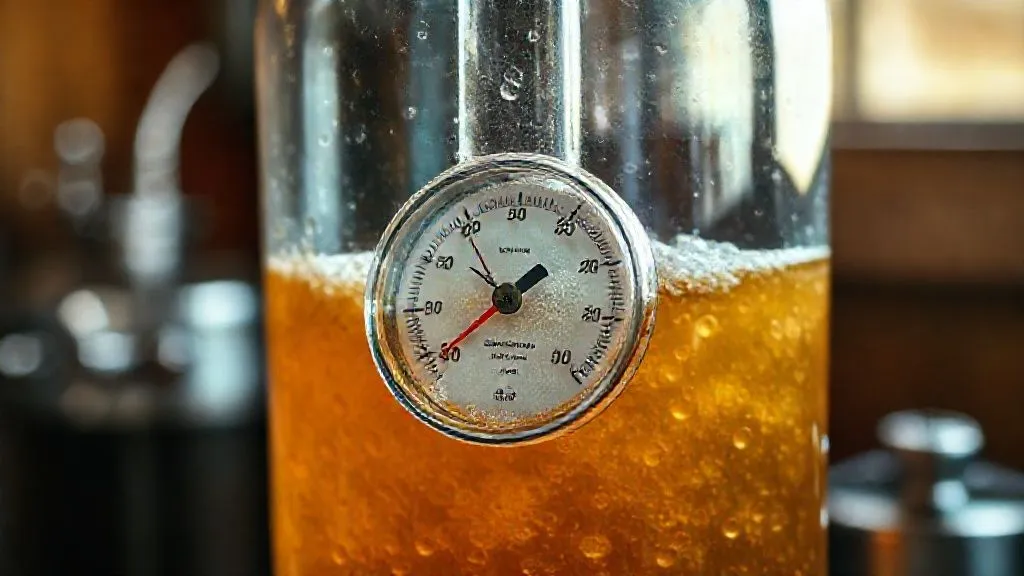
Instead of a single, abrupt temperature rise, consider a gradual step-up. After primary fermentation has slowed significantly (e.g., 2-3 gravity points from terminal gravity), I like to slowly raise the temperature by 1-2°F (0.5-1°C) per day until reaching the desired rest temperature, typically 60-68°F (15-20°C). This gentle increase allows the yeast to reawaken gradually without inducing thermal shock. The duration of the rest should always be determined by sensory evaluation and, ideally, VDK testing, not by a fixed schedule. For high-gravity lagers, this could easily be 5-7 days or even longer.
Pressure Fermentation & Diacetyl
For brewers with the capability, pressure fermentation offers an intriguing advantage in diacetyl management. Fermenting under slight pressure (e.g., 5-10 PSI / 0.3-0.7 bar) can suppress ester production, leading to a cleaner profile, but it also impacts diacetyl. While some argue pressure can slightly delay diacetyl reduction, I've found that carefully managed pressure fermentation, especially during the tail end of primary, can help retain CO2, which in turn helps scrub out some volatile compounds. However, the diacetyl rest phase should ideally be done at lower or no pressure to allow for maximum VDK volatilization and yeast reabsorption.
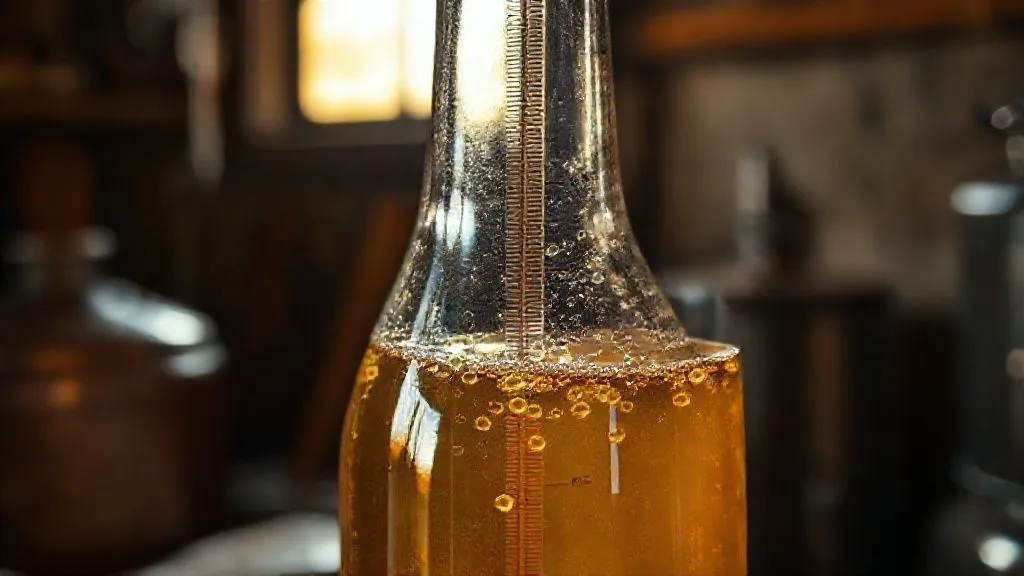
- Monitor Gravity: Wait until fermentation is 75-80% complete (e.g., specific gravity is within 5-10 points of your expected final gravity).
- Initiate Gradual Ramp: Increase fermenter temperature by 1-2°F (0.5-1°C) per day until reaching 60-68°F (15-20°C).
- Maintain Rest Temperature: Hold this temperature for 3-7 days, or until sensory tests confirm diacetyl is gone.
- Perform Forced Diacetyl Test: Take a sample, warm it to 140°F (60°C) for 10-20 minutes, then cool and taste. If diacetyl is still present, continue the rest.
- Cool Slowly: Once diacetyl-free, begin a slow ramp down to lagering temperatures, again 1-2°F (0.5-1°C) per day.
Targeted Oxygen Management: A Double-Edged Sword
Oxygen's role in brewing is paradoxical. Essential for healthy yeast reproduction, it becomes a virulent enemy once fermentation is complete. When considering what advanced techniques solve chronic diacetyl in high-gravity lagers, precise oxygen management is paramount. Too little initial oxygen stresses yeast; too much post-fermentation oxygen can lead to diacetyl formation even after it was previously cleared.
Initial Aeration Techniques
As mentioned earlier, proper initial aeration is critical. For high-gravity worts, simply shaking a carboy won't suffice. I always recommend using pure oxygen injected through a diffusion stone for 60-90 seconds, ensuring the wort is fully saturated (8-10 ppm). This provides the yeast with the sterols and unsaturated fatty acids they need for healthy cell membrane development and robust fermentation, which directly correlates to efficient diacetyl reabsorption. Without this, yeast can become sluggish, leading to prolonged diacetyl presence.
Minimizing Post-Fermentation Oxygen Exposure
This is where many brewers stumble. Once fermentation has begun, *any* ingress of oxygen is detrimental. Oxygen can react with alpha-acetolactate, converting it into diacetyl, even if the yeast has already reduced existing diacetyl. This phenomenon, known as 'diacetyl creep,' is a common culprit in chronic diacetyl issues. Employ closed transfers, use CO2 to purge vessels before transfers, and ensure all connections are airtight. Investing in oxygen-barrier tubing and kegging systems is essential for high-gravity lagers that demand a pristine profile. A dissolved oxygen (DO) meter can be an invaluable tool here to verify your processes.
| Phase | Target DO Level | Method | Impact on Diacetyl |
|---|---|---|---|
| Initial Aeration (Pre-Pitch) | 8-10 ppm | Pure O2 with Diffusion Stone | Supports healthy yeast, aids VDK reduction |
| Mid-Fermentation | <0.1 ppm | Avoid all exposure | Prevents formation of new diacetyl |
| Post-Fermentation/Packaging | <0.05 ppm | Closed Transfers, CO2 Purging | Eliminates 'diacetyl creep' |
Enzymatic Solutions: A Modern Brewer's Ally
While traditional methods focus on yeast health and fermentation control, modern brewing offers a powerful shortcut: enzymatic intervention. Alpha-acetolactate decarboxylase (ALDC) is an enzyme that directly converts alpha-acetolactate into acetoin, bypassing the diacetyl formation step entirely. This means diacetyl is never formed in the first place, or if it is, its precursors are quickly dealt with. I've found ALDC to be a game-changer for high-gravity lagers, offering a safety net and significantly reducing maturation times.
When and How to Deploy ALDC
ALDC is typically added at the beginning of fermentation, either directly to the fermenter with the yeast pitch or incorporated into the wort during the chilling process. The dosage depends on the specific product and wort gravity, so always follow the manufacturer's recommendations. The enzyme works throughout fermentation, converting alpha-acetolactate as it is produced by the yeast. This significantly accelerates the diacetyl reduction process, often allowing brewers to skip or drastically shorten the diacetyl rest, which is a huge benefit for time-sensitive production schedules or for very high-gravity lagers where yeast might struggle to reduce diacetyl on its own.
Case Study: How Brewmaster's Best Lager Co. Conquered Chronic Diacetyl
Brewmaster's Best Lager Co., a small craft brewery known for its award-winning pilsners, faced persistent diacetyl issues in their new 9% ABV Imperial Helles. Despite meticulous yeast management and extended diacetyl rests of up to two weeks, sensory panels consistently detected a faint buttery note. The head brewer, frustrated, consulted with me. After reviewing their process, we decided to implement ALDC at the start of fermentation, alongside their existing robust yeast pitching protocols. Within their next batch, the diacetyl rest was shortened to just three days, and subsequent sensory evaluation and GC-MS analysis showed non-detectable levels of diacetyl. This not only saved them over a week of tank time per batch but also ensured their Imperial Helles achieved the pristine, clean profile it deserved, leading to a surge in positive customer reviews and increased sales.
Advanced Fermentation Profiling and Data Analysis
In the quest to understand what advanced techniques solve chronic diacetyl in high-gravity lagers, moving beyond guesswork is essential. Modern brewing benefits immensely from data. Monitoring key fermentation parameters and analyzing diacetyl levels scientifically can pinpoint problems and validate solutions. This isn't just for commercial breweries; homebrewers can adapt many of these principles.
Chromatography and Sensory Evaluation
For serious brewers, the ultimate confirmation of diacetyl levels comes from analytical testing. Gas Chromatography-Mass Spectrometry (GC-MS) can precisely measure VDKs. While expensive for homebrewers, commercial labs offer this service. In lieu of GC-MS, a highly refined sensory panel is crucial. Train your palate to detect diacetyl at very low thresholds. Conduct blind triangle tests with known diacetyl-spiked samples. The forced diacetyl test (warming a sample to accelerate diacetyl formation from precursors) is an indispensable tool to confirm that not only is existing diacetyl gone, but its precursors have also been reduced.
Building a Data-Driven Diacetyl Protocol
Start meticulously logging everything: original gravity, pitching rate, yeast strain, fermentation temperature profile (hourly if possible), pH changes, and specific gravity readings. Overlay this data with your sensory observations and forced diacetyl test results. Look for correlations. Do specific yeast batches consistently produce more diacetyl? Does a particular temperature ramp clear diacetyl more effectively? By building a robust dataset over several batches, you can identify patterns, refine your protocols, and predict potential diacetyl issues before they become chronic problems. This analytical approach transforms brewing into a more scientific, reproducible art. Resources from organizations like the Master Brewers Association of the Americas (MBAA) often provide guidelines for such data-driven approaches.
Cold Conditioning and Lagering: Patience as a Virtue
Even with all the advanced techniques implemented during active fermentation, the cold conditioning phase remains vital for high-gravity lagers. This is where the beer truly matures, developing its characteristic smoothness and clarity. While enzymatic action and yeast reabsorption should have largely dealt with diacetyl by this stage, proper cold conditioning ensures any lingering precursors are fully processed and helps prevent diacetyl re-formation.
Temperature Ramps and Timeframes
Once your diacetyl rest is complete and sensory tests confirm diacetyl is absent, a slow and controlled cooling process is crucial. Rapid crashing can shock yeast into dormancy, potentially leaving some diacetyl precursors untouched. I advocate for a gradual ramp down, perhaps 1-2°F (0.5-1°C) per day, until reaching your target lagering temperature, typically 32-38°F (0-3°C). For high-gravity lagers, this lagering phase can extend for several weeks, or even months, allowing the beer to fully mellow and any remaining yeast to slowly clean up the beer. Don't rush it; time is your friend here.
Preventing Diacetyl Re-formation
During cold conditioning, the primary concern shifts from active diacetyl reduction to preventing its re-formation. This means absolute vigilance against oxygen ingress, as discussed previously. Even minute amounts of oxygen can react with residual alpha-acetolactate at cold temperatures, leading to 'diacetyl creep' where the buttery flavor mysteriously reappears. Ensure your lagering vessel is completely sealed, and if transferring, use a closed, CO2-purged system. Maintaining a stable temperature during lagering is also important; fluctuations can stress yeast or promote unwanted chemical reactions.
Equipment Sanitation and Maintenance: The Unsung Hero
It might seem basic, but neglecting meticulous sanitation and equipment maintenance is a surefire way to invite chronic diacetyl, especially in high-gravity lagers. Contamination, whether from wild yeast or bacteria, can introduce unwanted metabolic pathways that produce diacetyl or other off-flavors that mimic or mask it. This foundational aspect of brewing cannot be overstated when discussing what advanced techniques solve chronic diacetyl in high-gravity lagers.
Eliminating Contamination Vectors
Every surface that touches your wort or beer must be scrupulously clean and sanitized. This includes fermenters, hoses, pumps, chillers, and even airlocks. I've seen brewers chase diacetyl for months, only to discover a biofilm inside a hard-to-reach valve or a scratch in their plastic fermenter harboring unwanted microbes. Invest in proper cleaning agents (PBW or similar), sanitizers (Star San, iodophor), and brushes. Disassemble valves and fittings regularly for thorough cleaning. For high-gravity worts, which are more susceptible to infection due to their nutrient richness, this diligence is even more critical.
Passivation and Surface Care
For stainless steel equipment, passivation is an essential, often overlooked, maintenance step. Passivation is the process of treating stainless steel to restore its passive layer, making it more resistant to corrosion and creating a smoother, less porous surface where microbes are less likely to adhere. This is typically done with an acid solution (like phosphoric acid) after deep cleaning. A well-passivated surface is easier to clean and sanitize, reducing the risk of biofilms and microbial contamination that can contribute to diacetyl or other off-flavors. Regular inspection of all equipment for scratches, pitting, or wear is also crucial, as these can become breeding grounds for undesirable microorganisms.
| Equipment Type | Cleaning Protocol | Diacetyl Impact |
|---|---|---|
| Fermenters (Stainless Steel) | Hot PBW soak (24h), scrub, rinse, acid wash/passivate, sanitize | Prevents biofilm formation, reduces wild yeast/bacteria |
| Hoses & Tubing | Hot PBW circulation, rinse, sanitize, hang to dry | Eliminates hidden microbial reservoirs, prevents 'diacetyl creep' |
| Valves & Fittings | Disassemble, brush, hot PBW soak, rinse, sanitize | Removes trapped wort/beer, prevents localized contamination |
Frequently Asked Questions (FAQ)
Q: Can diacetyl ever be completely removed from a beer once it's present? A: Yes, in most cases, diacetyl can be fully removed. Healthy yeast, given the right conditions (temperature, time, and lack of oxygen stress), will reabsorb and reduce diacetyl into flavorless compounds. The challenge with chronic diacetyl is often that these conditions aren't met, or there's a continuous source of precursors. Enzymatic solutions like ALDC can also effectively prevent its formation or clear it rapidly.
Q: What if my diacetyl rest isn't working, even after several days? A: If your diacetyl rest isn't clearing the off-flavor, it usually points to underlying issues. First, check yeast health and pitching rates; stressed or underpitched yeast may not have the vigor to reabsorb VDKs. Second, ensure you're not introducing oxygen post-fermentation, which can cause 'diacetyl creep.' Third, verify your temperature control; the yeast needs to be active. Lastly, consider using a forced diacetyl test to confirm the presence of precursors, and extend the rest or consider ALDC for future batches.
Q: Is using ALDC (alpha-acetolactate decarboxylase) considered 'cheating' in traditional brewing? A: The perception of ALDC varies. In commercial craft brewing, it's widely accepted as a process aid, used to achieve clean profiles more efficiently, especially in lagers or high-gravity beers. It doesn't alter the fundamental character of the beer but rather ensures a faster, more reliable reduction of diacetyl. For traditionalists, relying solely on yeast might be preferred, but for consistent quality and faster tank turnover, ALDC is a valuable, scientific tool.
Q: How can a homebrewer accurately measure diacetyl levels without expensive lab equipment? A: While precise quantitative measurement requires GC-MS, homebrewers can rely on a combination of sensory evaluation and the forced diacetyl test. The forced diacetyl test involves taking a sample, warming it to 140°F (60°C) for 10-20 minutes in a sealed container, then cooling it to serving temperature before tasting. This accelerates the conversion of alpha-acetolactate to diacetyl. If you detect diacetyl after this test, it means precursors are still present and further conditioning is needed. Regular practice with this test will sharpen your palate.
Q: Does the specific yeast strain impact diacetyl production in high-gravity lagers? A: Absolutely. Different lager yeast strains have varying metabolic pathways and tolerances to stress. Some strains are known for being 'cleaner' and more efficient at diacetyl reabsorption, even under high-gravity conditions. Researching yeast characteristics (e.g., from Wyeast or White Labs) and selecting a strain specifically recommended for high-gravity lagers or known for low diacetyl production can significantly aid in preventing chronic diacetyl issues. Always ensure the chosen strain is healthy and pitched appropriately.
Key Takeaways and Final Thoughts
- Prioritize Yeast Health: Optimal pitching rates, robust starters, and precise initial oxygenation are non-negotiable for high-gravity lagers.
- Master the Dynamic Diacetyl Rest: Move beyond static rests; employ gradual temperature ramps and sensory-driven durations.
- Implement Surgical Oxygen Management: Ensure initial oxygen for yeast health, but ruthlessly eliminate all post-fermentation oxygen ingress.
- Embrace Enzymatic Solutions: ALDC can be a powerful, reliable tool to prevent diacetyl formation and accelerate maturation.
- Become Data-Driven: Log fermentation parameters and use forced diacetyl tests to build a scientific understanding of your process.
- Champion Sanitation: Meticulous cleaning, sanitization, and equipment maintenance are the bedrock of diacetyl-free brewing.
- Practice Informed Patience: Allow adequate time for cold conditioning, but ensure the conditions are right for final maturation.
Conquering chronic diacetyl in high-gravity lagers is a testament to a brewer's skill, patience, and scientific understanding. It's a journey that demands attention to detail at every step, from yeast propagation to final packaging. By integrating these advanced techniques into your brewing repertoire, you're not just solving a problem; you're elevating your craft, ensuring that every sip of your high-gravity lager is as pristine, clean, and rewarding as you intended. Keep experimenting, keep learning, and most importantly, keep brewing exceptional beer!
Recommended Reading
- 7 Proven Ways to Stop One-Pot Rice from Sticking & Burning
- Mastering Bulk Soup Prep: 7 Expert Strategies for Lasting Texture
- 5 Steps to USDA HACCP Compliance for Dry-Cured Fish
- Stuck Imperial Stout? 5 Expert Fixes for High Gravity Fermentation
- Why Isn't My Miso Fermenting? Unlock the Secrets to Perfect Paste!




0 Comentários: