 By
By 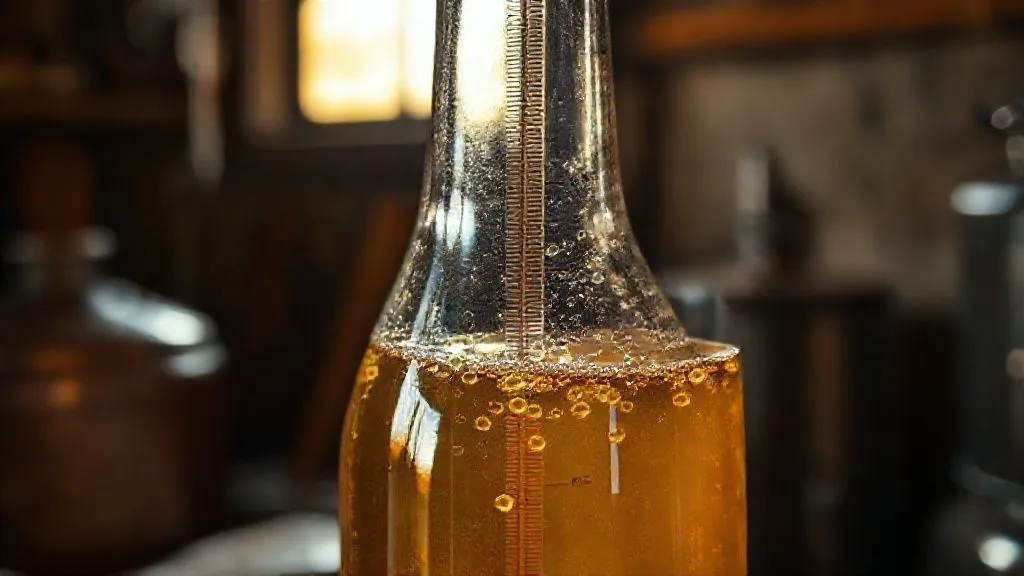
How to Restart a Stalled Mead Fermentation After Two Weeks?
For over 15 years in the intricate world of home brewing, I've seen countless aspiring mead makers face a common, disheartening problem: a fermentation that just... stops. You've followed the recipe, pitched your yeast, and for a glorious week or so, your airlock bubbled away, a symphony of activity. Then, silence. Two weeks pass, and nothing. That initial excitement gives way to worry, and the question looms large: is my batch ruined?
The frustration is palpable. You've invested time, precious honey, and your hopes into this golden elixir. Seeing it motionless can feel like a personal failure, leading many to prematurely dump a perfectly salvageable batch. But here's the crucial insight I've gleaned from hundreds of batches, both my own and those I've helped others troubleshoot: a stalled mead fermentation after two weeks is rarely a death sentence. It's usually a solvable puzzle.
In this definitive guide, I'll walk you through not just the 'what' but the 'why' behind stalled fermentations, equipping you with the expert knowledge and actionable frameworks to diagnose the issue and, most importantly, successfully restart your mead. We'll delve into precise steps, discuss critical factors like nutrients and pH, and even explore a real-world case study to ensure your mead gets back on track, delivering the delicious results you envisioned. Get ready to turn that brewing frown upside down!
Understanding Why Mead Stalls: The Root Causes
Before we jump into solutions for how to restart a stalled mead fermentation after two weeks, it's vital to understand the underlying issues. Think of it like a doctor diagnosing an illness; you can't prescribe the right medicine without knowing the cause. Mead fermentation is a delicate biological process, and several factors can bring it to an abrupt halt.
Temperature Fluctuations
Yeast are living organisms, and like us, they thrive within a specific temperature range. If your fermentation environment experiences wild swings – too cold, too hot, then back again – it can stress the yeast, causing them to become dormant or even die off. I've often seen brewers place their carboys in basements that get chilly at night or near windows where direct sunlight causes overheating during the day. Consistency is key.
Nutrient Depletion
Unlike grape must, which provides a rich array of nutrients, honey is largely just sugar. While it's delicious for us, it's a relatively poor food source for yeast beyond basic carbohydrates. Without adequate nitrogen (YAN - Yeast Assimilable Nitrogen), vitamins, and minerals, yeast can become sluggish and eventually give up, especially in higher gravity musts. This is a classic reason for a stalled mead fermentation, particularly after the initial vigorous phase has consumed readily available nutrients.
Yeast Viability and Pitch Rate
Did you pitch enough healthy yeast? An under-pitched batch, or one where the yeast was old, improperly stored, or subjected to thermal shock during pitching, might struggle from the outset. If your yeast wasn't vibrant and numerous enough to tackle the sugar load, it might simply run out of steam. I always preach proper yeast rehydration and pitching rates for robust fermentation.
pH Imbalance
Yeast also have a preferred pH range, typically between 3.0 and 4.5 for most brewing strains. If your mead must is too acidic or not acidic enough, it can inhibit yeast activity. Honey itself is naturally acidic, but sometimes other ingredients or water chemistry can push the pH out of the optimal zone, leading to a sluggish or stalled fermentation. This is often an overlooked factor.
Original Gravity Shock
High sugar concentrations, particularly in traditional meads with high original gravity (OG), can create an osmotic shock for yeast. When yeast are introduced into a very sugary environment, water rapidly leaves their cells, causing stress. While most brewing yeasts can handle this, some strains are more sensitive, and an extremely high OG can lead to a 'stuck' fermentation before it even properly begins, or cause it to stall prematurely.
Expert Insight: A stalled mead after two weeks is often a multi-factorial problem. Don't assume one cause; systematically check for several contributing factors to ensure a lasting solution.

Initial Diagnostics: What to Check Before You Act
Before you start adding things to your precious mead, it's crucial to perform a thorough diagnostic check. This isn't just about confirming it's stalled; it's about gathering clues that will point you toward the correct solution for how to restart a stalled mead fermentation after two weeks.
- Confirm Stalled Fermentation with a Hydrometer: The most definitive way to know your mead has stalled is to take two specific gravity (SG) readings several days apart. If the reading hasn't changed over 3-5 days, your fermentation is indeed stuck. Don't rely solely on airlock activity, as CO2 can escape through minor leaks, giving a false impression of inactivity.
- Visually Inspect Your Mead: Look for any signs of mold or pellicle formation on the surface, which could indicate an infection. While rare, an infection can outcompete yeast or produce off-flavors. Also, observe the clarity; a clear mead might suggest all fermentation is complete, even if it's not at your target FG.
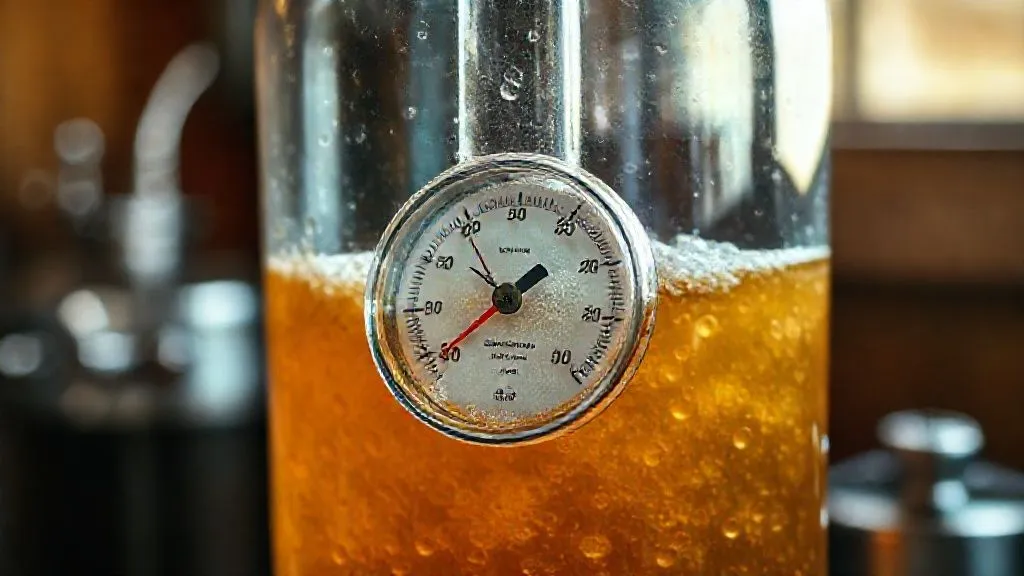
- Check the Temperature: Use a reliable thermometer to measure the temperature of your mead, not just the ambient room temperature. Is it within the optimal range for your yeast strain? Has it fluctuated significantly?
- Smell Your Mead: Gently take a whiff. Does it smell yeasty and alcoholic, or does it have off-odors like vinegar (acetic acid), nail polish remover (ethyl acetate), or something distinctly sour or funky? Off-smells can point to infection or stressed yeast.
- Review Your Brewing Log: If you kept one (and I highly recommend it!), look back at your initial pitch rate, nutrient additions, original gravity, and any temperature notes. This historical data is invaluable for diagnosing the problem.
| Diagnostic Item | Expected Observation (Stalled) | Potential Cause Indicated |
|---|---|---|
| Specific Gravity Reading | No change over 3-5 days | Fermentation stopped |
| Visual Inspection | No bubbles, clear or hazy, no pellicle | Yeast dormancy, completion (check FG), or very slow activity |
| Temperature Check | Outside yeast's optimal range (too cold/hot) | Temperature stress |
| Aroma Assessment | Neutral, sweet, or slightly off-odors | Nutrient deficiency, yeast stress, or completion |
Step-by-Step Guide to Revitalizing Your Mead
Once you've diagnosed the potential issues, it's time to take action. This sequence of steps offers the most effective approach for how to restart a stalled mead fermentation after two weeks, moving from least intrusive to more aggressive methods.
Step 1: Gentle Agitation and Temperature Adjustment
Sometimes, yeast simply need a little encouragement. They can settle out of suspension, or perhaps a small temperature drop made them sluggish. This is your first, gentlest approach.
- Gently Swirl Your Carboy: Carefully pick up your carboy (if it's manageable) and give it a gentle swirl or tilt back and forth. This rouses any settled yeast back into suspension and helps release dissolved CO2, which can sometimes inhibit yeast activity.
- Adjust Temperature: Move your fermenter to a warmer spot, ensuring it's within the optimal range for your yeast strain, typically 65-75°F (18-24°C). Use a fermentation wrap or a dedicated fermentation chamber for consistent temperature control. Avoid sudden, drastic changes. Give it 24-48 hours to see if activity resumes.
Step 2: Nutrient Boost: When and How Much
If gentle agitation and temperature adjustment don't work, nutrient depletion is a highly probable culprit, especially if you haven't followed a staggered nutrient addition schedule. This is a common fix for how to restart a stalled mead fermentation after two weeks.
- Prepare Nutrient Solution: Use a yeast nutrient blend like Fermaid O, Fermaid K, or a combination of DAP (Diammonium Phosphate) and Go-Ferm. For a 5-gallon batch, a typical addition for a stalled fermentation might be 1-2 teaspoons of Fermaid O or K.
- Degas and Add Slowly: Before adding nutrients, gently degas your mead by stirring it with a sanitized spoon or whisk. This prevents a potential CO2 geyser when you add the nutrients. Slowly sprinkle the nutrient into the mead, stirring gently to dissolve. Do this over several minutes to avoid overwhelming the yeast.
- Observe: Give the mead 24-48 hours. You should ideally see renewed activity (airlock bubbling, krausen forming).
Step 3: Re-pitching with a Starter: Your Best Bet
If nutrients alone don't kickstart things, your original yeast might be too stressed or depleted to recover. Re-pitching a fresh, vigorous yeast starter is often the most reliable method for how to restart a stalled mead fermentation after two weeks.
- Choose a Robust Yeast Strain: Select a yeast strain known for its high alcohol tolerance and ability to ferment in challenging conditions. Lalvin K1V-1116, EC-1118, or QA23 are excellent choices for restarting.
- Create a Yeast Starter: A starter dramatically increases the number of healthy, active yeast cells. Mix a small amount of warm water (85-95°F / 30-35°C) with a tablespoon of honey (or grape juice concentrate for a more complete starter) and a pinch of yeast nutrient. Pitch your fresh yeast into this mixture and allow it to ferment for 12-24 hours until it's visibly active and frothy.
- Acclimatize and Pitch: Once your starter is vigorously fermenting, slowly add small amounts of your stalled mead to the starter over a few hours. This helps the new yeast acclimatize to the mead's current alcohol content and pH. After acclimatization, gently pour the entire active starter into your stalled mead.
- Monitor Closely: Place the fermenter back in its optimal temperature range and monitor for renewed activity. This method has a very high success rate.
Step 4: pH Correction and Buffering
If you suspect pH is an issue (perhaps you measured it and found it outside the 3.0-4.5 range), careful adjustment can help.
- Measure pH: Use a sanitized pH meter or pH strips to get an accurate reading of your mead's current pH.
- Adjust pH (if necessary): If the pH is too high, you can lower it by adding small amounts of acid blend (citric, malic, tartaric acid) or lemon juice. If it's too low, a small addition of potassium bicarbonate or calcium carbonate can raise it. Add in tiny increments, stirring gently and re-measuring until you reach the desired range.
- Buffer Against Future Swings: Yeast nutrients like Fermaid O can also help buffer pH, providing a more stable environment for your yeast.
Choosing the Right Yeast for a Restart
Selecting the appropriate yeast for re-pitching is critical, especially when addressing a stalled mead fermentation after two weeks. You're not just adding any yeast; you're adding a specialized task force designed to thrive in challenging conditions.
When your mead has stalled, it likely has a moderate to high alcohol content already, and potentially a less-than-ideal nutrient profile. Therefore, you need a yeast that is:
- Alcohol Tolerant: Capable of fermenting in environments with existing ethanol.
- Robust and Vigorous: Able to outcompete any potential wild yeasts or bacteria and quickly establish fermentation.
- Wide Temperature Range Tolerant: Less susceptible to minor temperature fluctuations.
- Nutrient Efficient: Can perform well even if nutrient levels are not perfectly optimized.
My go-to strains for restarting include:
- Lalvin K1V-1116 (Montpellier): This is a fantastic all-rounder. It's a 'killer' yeast, meaning it can inhibit other wild yeasts, has a high alcohol tolerance (up to 18%), and works well across a broad temperature range. It's very vigorous and often used in challenging fermentations.
- Lalvin EC-1118 (Prise de Mousse): Another powerhouse, EC-1118 is incredibly robust, ferments quickly, and has a very high alcohol tolerance (up to 18%). It's often chosen for sparkling wines and ciders due to its flocculation and ability to restart stuck fermentations. However, it can sometimes strip delicate aromatics, so consider your mead style.
- Lalvin QA23: While slightly less alcohol tolerant than K1V or EC-1118 (up to 16%), QA23 is excellent for preserving fruit aromatics and can still handle challenging conditions. It's a good choice if your stalled mead has delicate fruit additions you want to highlight.
Expert Insight: When re-pitching, always make a starter. A healthy, active starter provides a massive population of yeast cells that are already accustomed to fermenting, significantly increasing your chances of success. Don't just sprinkle dry yeast into a stalled batch; it's a recipe for disappointment.
| Yeast Strain | Alcohol Tolerance | Key Characteristics | Best For Restarting |
|---|---|---|---|
| Lalvin K1V-1116 | Up to 18% | Killer factor, vigorous, broad temp range, preserves aromatics | Most stalled meads, especially fruit meads |
| Lalvin EC-1118 | Up to 18% | Very robust, fast fermenter, high flocculation | High gravity meads, when vigor is paramount |
| Lalvin QA23 | Up to 16% | Enhances fruit aromatics, good cold tolerance | Delicate fruit meads, lower alcohol meads |
Advanced Troubleshooting: When Simple Fixes Aren't Enough
While the previous steps resolve most cases of how to restart a stalled mead fermentation after two weeks, sometimes you encounter more stubborn situations. These often require a deeper understanding of yeast physiology and brewing chemistry.
Addressing Stuck Fermentation from Osmotic Shock
If your original gravity was exceptionally high (e.g., above 1.140), the yeast might have experienced osmotic shock and become permanently damaged or unable to adapt. In such cases, simply adding more yeast might not be enough if the environment is still too harsh.
- Dilution Strategy: Carefully rack a portion of your stalled mead into a separate, sanitized vessel. Dilute the remaining mead with a small amount of boiled and cooled water, or better yet, a low-gravity honey solution (diluted honey in water) to reduce the sugar concentration. This makes the environment less stressful for new yeast.
- Gradual Introduction: Create a very strong, active starter (as described in Step 3) with an alcohol-tolerant yeast. Once the starter is robust, gradually add small amounts of the diluted mead to the starter over 12-24 hours, acclimatizing the yeast before pitching the entire starter back into the main batch. This 'step-up' method helps yeast adapt to challenging conditions.
Dealing with Potential Infections
While less common, an infection can sometimes be mistaken for a stalled fermentation. If you observed any off-smells, strange pellicles, or fuzzy growths during your initial diagnostics, you might be dealing with an infection. Unfortunately, for most homebrewers, a significant infection is often irreversible without specialized equipment and knowledge.
- Identify the Infection: Look for fuzzy mold (usually green, black, or white and often localized), a slimy pellicle (a film that forms on the surface, often wrinkled or bubbly), or distinct off-flavors/aromas like vinegar, sourness, or band-aid.
- Consider Your Options: If it's a slight off-flavor but no visible growth, you might still try re-pitching with a very vigorous yeast (like EC-1118 or K1V-1116) to outcompete the contaminants. However, if there's visible mold or a thick pellicle, it's often best to cut your losses and dispose of the batch to prevent cross-contamination of your equipment.
Case Study: Sarah's Stalled Blackberry Mead Revival
Case Study: Sarah's Stalled Blackberry Mead Revival
Sarah, a passionate homebrewer with a few successful meads under her belt, embarked on a 5-gallon batch of blackberry mead. Her original gravity was a respectable 1.120, and she pitched Lalvin D47 yeast, expecting a rich, fruity semi-sweet mead. For the first week, the airlock bubbled enthusiastically, and she observed a healthy krausen. However, after about 10 days, activity slowed dramatically, and by the two-week mark, it had completely ceased. Her hydrometer reading showed 1.050, a significant drop but still far from her target final gravity of 1.010-1.015.
Concerned that her precious honey and blackberries might be wasted, Sarah reached out to me. We went through her brewing log and diagnostic steps:
- Temperature: Her fermentation chamber was set to 68°F (20°C), well within D47's range, but she admitted to opening the chamber frequently, causing minor fluctuations.
- Nutrients: She had done a single nutrient addition at the start, but not a staggered nutrient schedule. This was a red flag.
- Visual/Smell: No signs of infection, just a sweet, slightly yeasty aroma.
- Yeast: D47 is generally robust but can be sensitive to nutrient deficiencies.
Based on the evidence, we concluded that the primary issue was nutrient depletion, exacerbated by some temperature stress on a yeast strain that prefers stable conditions. The mead had stalled because the D47 yeast had consumed all readily available nutrients and simply ran out of energy.
Here's the plan we implemented:
- Gentle Degassing & Temperature Stabilization: Sarah gently swirled the carboy and ensured the fermentation chamber remained consistently at 68°F (20°C) for 24 hours.
- Staggered Nutrient Addition: We prepared a solution of Fermaid O (1.5 teaspoons) and added it slowly to the degassed mead over 15 minutes.
- Yeast Starter with K1V-1116: Anticipating the D47 might be too stressed, we prepared a 500ml starter with Lalvin K1V-1116 yeast and a teaspoon of honey. After 18 hours, the starter was bubbling vigorously.
- Acclimatization and Pitching: Sarah gradually added 100ml of her stalled blackberry mead to the K1V starter every hour for three hours, then pitched the entire active starter into the main batch.
Within 36 hours, Sarah's airlock was bubbling again, albeit slowly at first. Over the next week, the K1V-1116 took over, steadily fermenting the remaining sugars. After another two weeks, her hydrometer reading reached 1.012, right within her target range! The blackberry mead was saved, tasting vibrant and complex, a testament to the power of systematic troubleshooting and the right intervention.
Preventing Future Stalls: Best Practices for Mead Brewing
While knowing how to restart a stalled mead fermentation after two weeks is a valuable skill, preventing it in the first place is even better. Adopting these best practices will significantly reduce your chances of a stalled batch.
- Staggered Nutrient Addition (SNA): This is perhaps the most crucial preventative measure for mead. Instead of adding all your yeast nutrients at the start, add them in stages over the first few days of fermentation. This provides a steady supply of nitrogen, vitamins, and minerals, preventing yeast from becoming overwhelmed or depleted. Resources like Mead Made Right offer excellent SNA protocols.
- Maintain Consistent Fermentation Temperature: Invest in a fermentation chamber, temperature controller, or simply find a stable spot in your home. Avoid direct sunlight or drafts. Consistency within the yeast's optimal range is paramount for healthy fermentation.
- Proper Yeast Pitch Rate and Rehydration: Always rehydrate dry yeast according to manufacturer instructions. Use a brewing calculator to ensure you're pitching an adequate amount of healthy yeast for your batch size and original gravity. Under-pitching is a common cause of sluggish or stalled fermentations.
- Adequate Aeration: Oxygen is vital for yeast reproduction in the initial phase of fermentation. Aerate your must thoroughly before pitching yeast (e.g., by shaking the carboy or using an aeration stone). Avoid aerating after fermentation has visibly started, as this can lead to oxidation and off-flavors.
- Monitor pH: While not always necessary for every batch, if you've had issues with stalled fermentations, consider monitoring and adjusting your must's pH to the optimal range (3.0-4.5) before pitching yeast.
- Keep Detailed Brewing Logs: Document everything: ingredients, pitch rate, OG, temperature, nutrient additions, and SG readings. This data is invaluable for troubleshooting and replicating successful batches.
Frequently Asked Questions (FAQ)
Question: How long should I wait before trying to restart a stalled mead? You should wait at least 3-5 days after noticing no airlock activity and confirming no change in specific gravity readings. Acting too quickly can sometimes disrupt a very slow but ongoing fermentation. However, don't wait indefinitely; after two weeks, it's definitely time to intervene.
Question: Can I just add more honey to restart it? Adding more honey can sometimes work if the issue was simply that the yeast consumed all available fermentable sugars and you want a higher alcohol content. However, if the stall was due to nutrient deficiency, temperature, or stressed yeast, simply adding more sugar without addressing the root cause will likely lead to another stall. It's better to address the underlying problem first.
Question: What if my mead smells like nail polish remover (acetaldehyde)? Can I still restart it? Acetaldehyde is an intermediate compound that yeast normally convert to ethanol. If it's present, it suggests very stressed or unhealthy yeast. While you can try to restart with a fresh, vigorous starter and proper nutrients, the off-flavor might persist to some degree. Often, healthy yeast can clean up minor acetaldehyde, but a strong smell indicates a significant problem.
Question: My mead stalled, but the specific gravity is already very low (e.g., 1.000-1.005). Is it truly stalled? If your specific gravity is already at or near your target final gravity (FG), your mead might not be stalled; it might simply be finished! Take another reading in a few days to confirm. If it's stable at a low SG, congratulations, your mead is likely done fermenting and ready for aging or stabilization.
Question: Can I use bread yeast to restart a stalled mead? While bread yeast (Saccharomyces cerevisiae) will ferment honey, it's generally not recommended for mead. Bread yeast is optimized for rapid CO2 production in dough, not for alcohol production or flavor profiles suitable for beverages. It can produce off-flavors and has lower alcohol tolerance, making it a poor choice for restarting a mead. Stick to dedicated wine or mead yeast strains.
Key Takeaways and Final Thoughts
A stalled mead fermentation after two weeks can be a moment of despair for any brewer, but as an experienced industry specialist, I can assure you it's a common, and often resolvable, challenge. The key is to approach it systematically, armed with knowledge and patience.
- Diagnose First: Don't guess. Use a hydrometer, thermometer, and your senses to identify the likely cause(s) of the stall.
- Address Root Causes: Whether it's temperature, nutrients, or yeast health, tackle the underlying problem rather than just trying quick fixes.
- Prioritize Yeast Health: A vigorous, healthy yeast starter with an alcohol-tolerant strain is your most potent weapon for restarting.
- Prevention is Best: Implement staggered nutrient additions, maintain stable temperatures, and pitch adequate, healthy yeast to avoid future stalls.
Remember, brewing is as much an art as it is a science, and even the most experienced brewers encounter hiccups. Don't let a stalled batch discourage you. Embrace the learning experience, apply these expert strategies, and you'll likely find that your mead can be coaxed back to life, eventually rewarding you with a delicious, hard-earned beverage. Happy brewing, and may your airlocks bubble ever onward!
Recommended Reading
- Why Whole Wheat Bread Doesn't Rise Enough? Unlock the Secret to Perfect Loaves!
- 7 Pro Strategies: Prevent Caramel Crystallization in Large Dessert Sauce Batches
- 7 Expert Steps: How to Salvage a High-End Tasting Menu After a Critical Culinary Mistake?
- Transforming Bland Vegan Dishes: 7 Steps to Exciting & Profitable Menus
- 7 Proven Steps: Stop Chocolate Bloom on Commercial Dessert Products




0 Comentários: