Is Your Sous Vide Steak Missing That Perfect Sear?
Elevating Your Sous Vide Steak Experience
Sous vide cooking has revolutionized how home cooks and professional chefs achieve perfectly cooked meats, especially steak. The precision
Sous vide cooking has revolutionized how home cooks and professional chefs achieve perfectly cooked meats, especially steak. The precision temperature control ensures an edge-to-edge medium-rare, a tenderness that's hard to beat with traditional methods. However, the one element often missing from an otherwise flawless
is that coveted, deeply browned, and flavorful crust. Without a proper sear, the steak can lack textural contrast and the rich, complex flavors developed through the Maillard reaction. This article will guide you through the essential techniques and tools to achieve a restaurant-quality sear on your sous vide creations, transforming a great meal into an extraordinary one.
Why the Sear Matters for Sous Vide Steak
The magic of sous vide lies in its ability to cook food to an exact internal temperature, but it doesn't create the appetizing crust associated with perfectly cooked meat. This is where searing comes in. The high-heat, short-duration cooking method applied after the sous vide bath is crucial for several reasons.
Flavor Development: The Maillard reaction, a complex chemical process between amino acids and reducing sugars, occurs at high temperatures, creating hundreds of new flavor compounds. This is what gives seared meat its distinctive savory, umami taste. You can learn more about this process on Wikipedia.
Texture Contrast: A perfectly seared steak offers a delightful contrast between the tender, juicy interior and the crispy, slightly chewy exterior. This textural interplay enhances the overall eating experience.
Aesthetics: A deep, golden-brown crust with appealing grill marks or an even char is visually stunning and makes the steak far more appetizing than a pale, unseared piece of meat.
Essential Tools for the Perfect Sous Vide Steak Sear
Achieving that ideal crust requires the right equipment and a commitment to high heat. While various methods exist, some tools are undeniably superior for searing
sous vide steak
Uma robusta panela de ferro fundido, pronta para o preparo de diversos pratos..
Cast Iron Skillets and Carbon Steel Pans
These heavy-bottomed pans are champions of heat retention, which is paramount for searing. They get incredibly hot and stay hot, ensuring a consistent and even crust. A well-seasoned cast iron skillet also provides a naturally non-stick surface, making it easier to achieve a perfect release. Many professional kitchens rely on these durable tools for their searing needs.
High-Powered Torches
For precision and an incredibly even crust, a high-powered propane or butane torch (often marketed as a searing torch) can be an excellent addition to your arsenal. It allows you to target specific areas and achieve a sear without overcooking the interior of your
sous vide steak
. This method is particularly useful for irregularly shaped cuts or when you want maximum control over the browning process.
If you enjoy a smoky flavor and classic grill marks, a hot grill is a fantastic option for searing your
sous vide steak
. Ensure your grill grates are clean and preheated to the highest possible temperature. Both gas and charcoal grills can deliver excellent results, imparting a distinct outdoor char that many find irresistible.
Searing Method
Pros
Cons
Ideal For
Cast Iron Skillet
Excellent crust, even heat, widely available, affordable
Requires high heat, potential for smoke, stovetop only
Can be uneven if not careful, 'torch taste' if misused
Thick cuts, irregular shapes, precision
Outdoor Grill
Smoky flavor, grill marks, outdoor cooking, good for crowds
Less even sear, weather dependent, can dry out meat
Larger cuts, outdoor enthusiasts, classic char
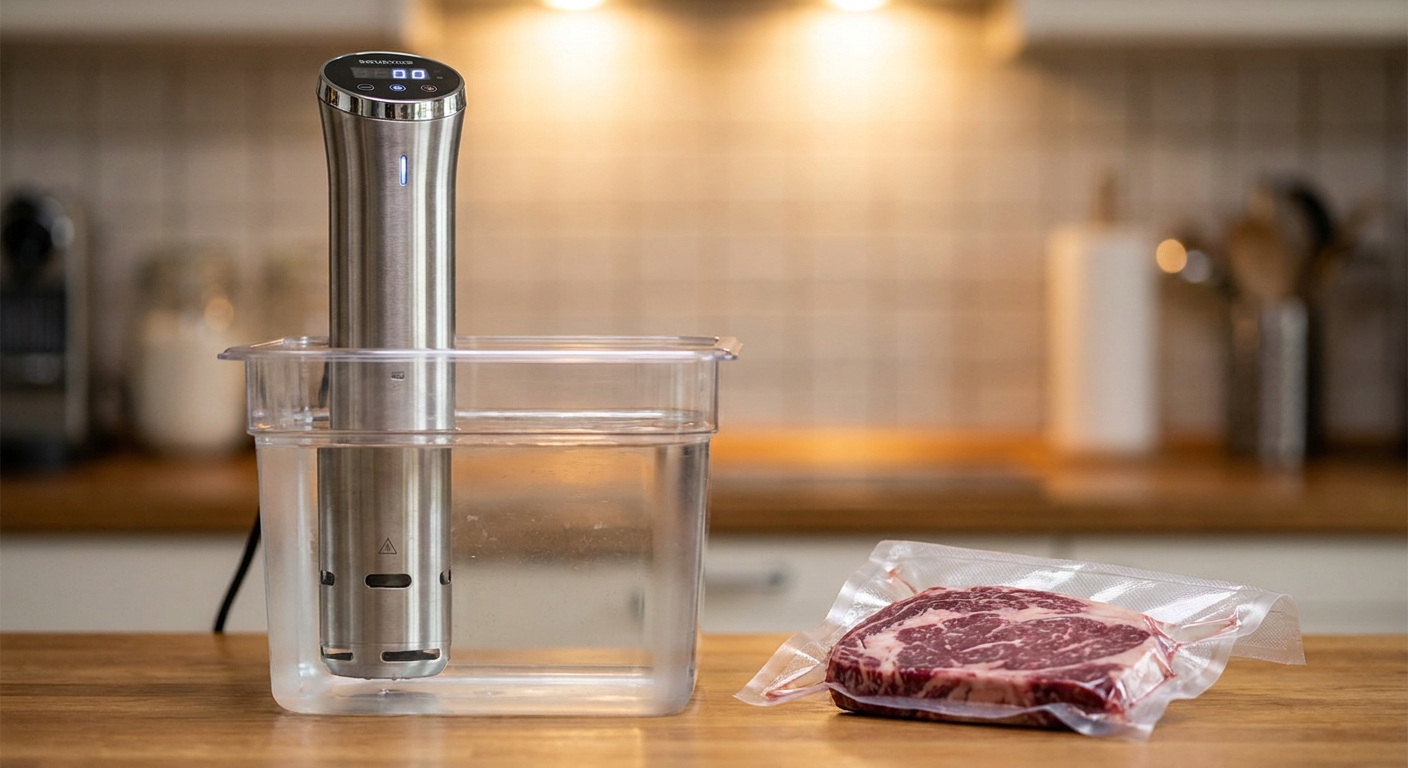
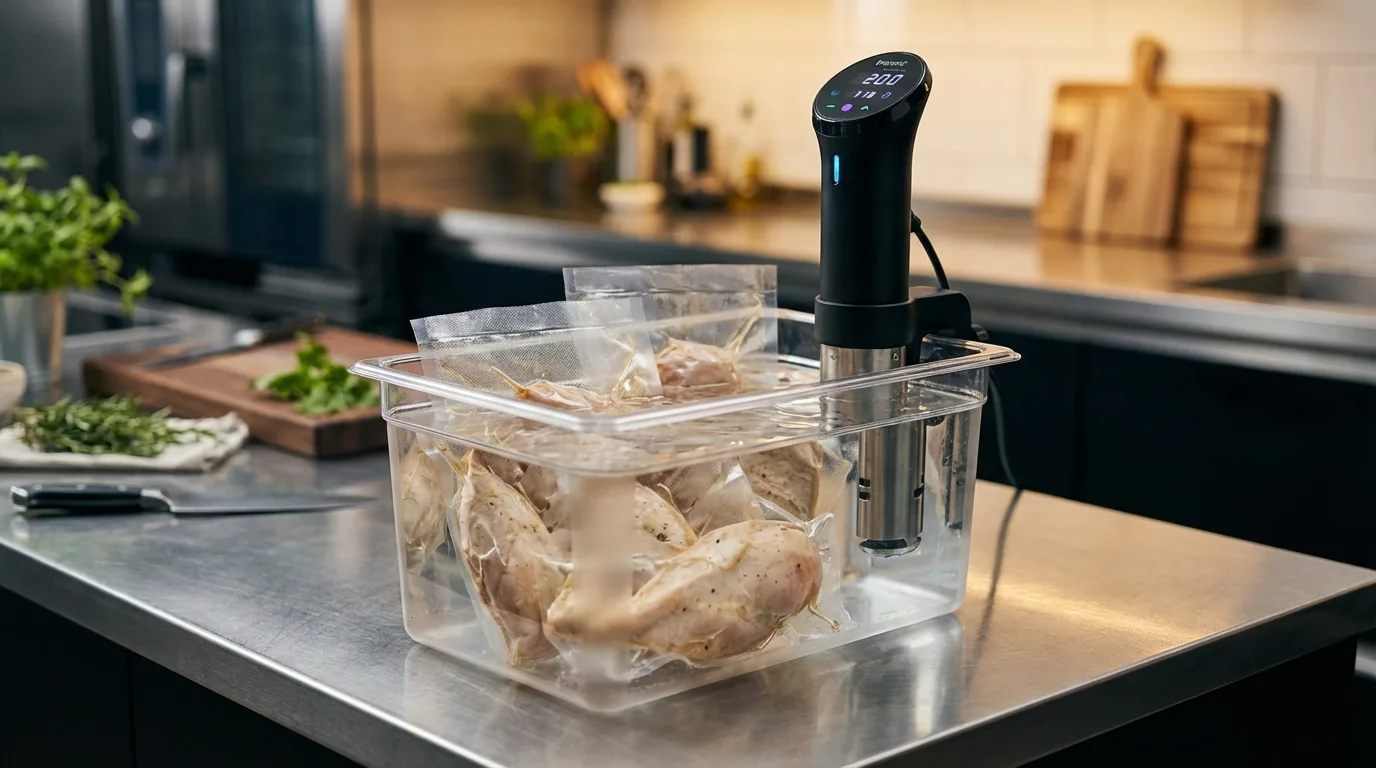
When it comes to the sous vide immersion circulators themselves, popular models in 2026 include the Anova Culinary Sous Vide Precision Cooker 3.0, the Breville Joule Turbo Sous Vide, and the Anova Culinary Sous Vide Precision Cooker Nano 2.0. These devices are designed for precision and ease of use, making the initial cooking step straightforward, allowing you to focus on the crucial searing stage.
Um maçarico de cozinha em uso, ideal para caramelizar ou selar alimentos.
The Step-by-Step Guide to Searing Your Sous Vide Steak
The actual searing process is quick, but every step is vital for success. Follow these instructions for a perfect crust on your
sous vide steak
.
Remove and Dry: Once your steak reaches the desired internal temperature in the sous vide bath, remove it from the water bath and the vacuum-seal bag. Pat it thoroughly dry with paper towels. Any surface moisture will hinder the browning process, essentially steaming the meat instead of searing it. This is perhaps the most critical step.
Preheat Your Searing Surface: Heat your cast iron skillet, carbon steel pan, or grill to the absolute highest temperature possible. For a skillet, this usually means letting it heat on high for 5-10 minutes until it's smoking slightly. If using a torch, ensure it's ready.
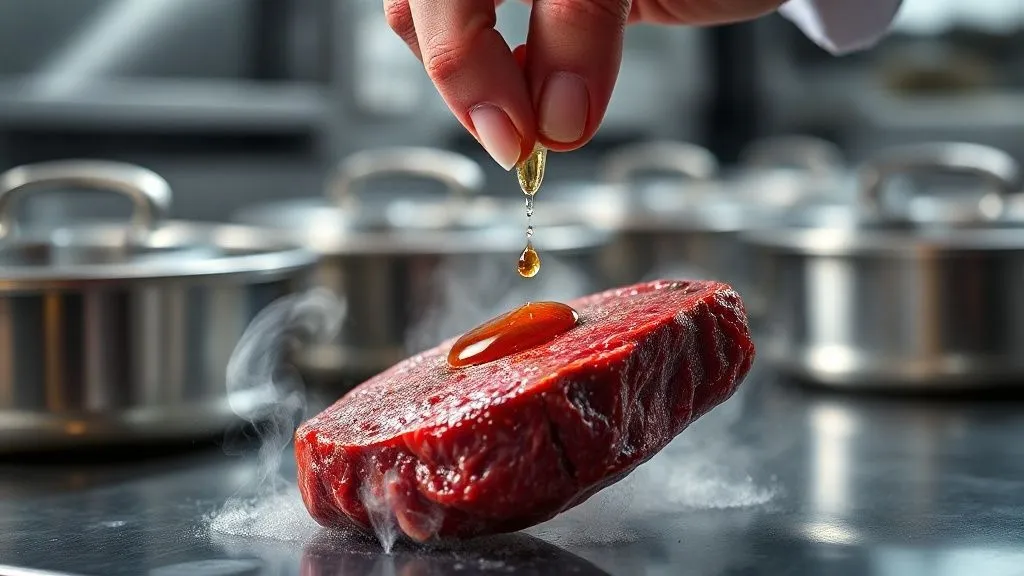
Add High Smoke Point Oil: Drizzle a small amount of high smoke point oil (like avocado, grapeseed, or canola oil) into the hot pan. Just enough to lightly coat the bottom.
Sear Aggressively: Place the dried steak in the screaming hot pan. Sear for 60-90 seconds per side, or until a deep, dark crust forms. Resist the urge to move it too soon. If using a torch, move the flame constantly over the surface until browned.
Baste (Optional): In the last 30 seconds, you can add a tablespoon of unsalted butter, a sprig of fresh rosemary or thyme, and a crushed garlic clove to the pan. Tilt the pan and baste the steak with the foaming butter for added flavor.
Rest the Steak: Remove the steak from the pan and let it rest on a cutting board for 5-10 minutes before slicing. This allows the juices to redistribute, ensuring a tender and moist interior.
Preparando a carne para o cozimento, removendo o excesso de umidade com cuidado.
Dica importante: The single most impactful step for a successful sear is ensuring your steak is as dry as possible before it hits the hot pan. Moisture is the enemy of a good crust.
High-quality beef cuts suitable for sous vide can range significantly, typically from $10 to $25 per pound or more, depending on the specific cut (e.g., ribeye, sirloin, filet mignon) and the butcher. This makes the initial investment in the meat a notable part of the overall cost. Approximate prices consulted on 26/05/2026 and subject to change. Consult official stores for updated values.
Even with the right tools and knowledge, small errors can prevent you from achieving that perfect crust on your
sous vide steak
. Be mindful of these common pitfalls.
Not Drying the Steak Properly: As mentioned, moisture creates steam, which prevents the Maillard reaction. Always pat your steak thoroughly dry before searing.
Not Heating the Pan Enough: A lukewarm pan will result in a gray, sad crust. Your pan needs to be smoking hot to achieve a quick, effective sear without overcooking the interior.
Overcrowding the Pan: If you're searing multiple steaks, do so in batches. Crowding the pan drops the temperature, leading to steaming instead of searing.
Using Low Smoke Point Oils: Olive oil, for example, has a low smoke point and will burn and taste bitter at the temperatures required for searing. Stick to oils like grapeseed, avocado, or canola.
Over-Searing: While a crust is essential, searing for too long will cook past your desired doneness. The goal is a quick, intense burst of heat to create the crust, not to further cook the interior of the
sous vide steak
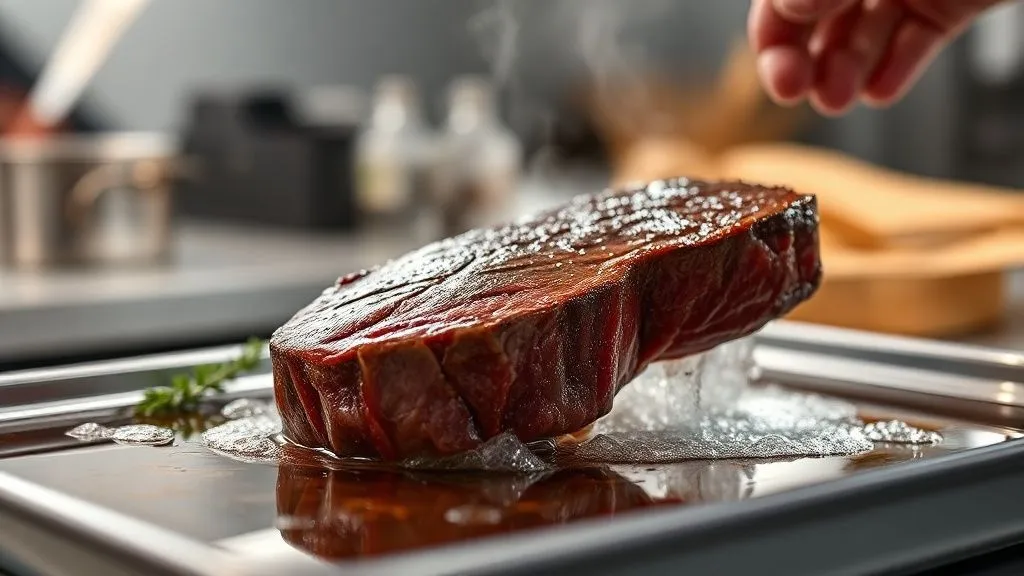
Um bife suculento ganhando uma crosta perfeita em uma frigideira bem aquecida..
Beyond the Basics – Advanced Searing Tips
Once you've mastered the fundamental searing techniques, you can explore advanced methods to further enhance your
sous vide steak
.
Compound Butters and Finishing Salts
Elevate your finished steak with a dollop of compound butter (e.g., garlic-herb butter, blue cheese butter) melting over the top as it rests. A sprinkle of flaky sea salt, like Maldon, just before serving adds a delightful crunch and burst of salinity that complements the rich flavors of the meat.
The Cold Bath Method
For exceptionally thick steaks, some chefs advocate for an ice bath after the sous vide cook and before searing. This chills the exterior of the steak, allowing for a longer, more aggressive sear without raising the internal temperature too much. This ensures a truly edge-to-edge perfect medium-rare with a robust crust.
Different cuts of beef respond differently to searing. Thicker cuts like a chateaubriand or a large ribeye can handle a more prolonged, intense sear due to their thermal mass. Thinner cuts like flank or skirt steak require an even quicker sear to prevent overcooking, often just 30-45 seconds per side. Understanding the characteristics of each cut will help you tailor your searing approach.
Seleção de cortes de carne bovina fresca, prontos para serem preparados.
Frequently Asked Questions
Can I sear my sous vide steak on a regular frying pan?While a regular frying pan can work, a cast iron or carbon steel pan is highly recommended due to its superior heat retention. A thinner pan may lose too much heat when the steak is added, hindering the searing process.
How long should I rest my sous vide steak after searing?After searing, it's best to rest your steak for about 5-10 minutes. This allows the juices, which have migrated to the center during cooking and searing, to redistribute throughout the meat, ensuring a more tender and juicy bite.
What's the best oil for searing a sous vide steak?The best oils for searing are those with a high smoke point, such as avocado oil, grapeseed oil, or canola oil. These oils can withstand the high temperatures needed for a proper sear without burning and imparting off-flavors.
Conclusion
Transforming a perfectly cooked interior into a culinary masterpiece with a beautiful, flavorful crust is the final, crucial step for any
sous vide steak
. By understanding the science behind the sear and employing the right techniques and tools, you can consistently achieve results that rival high-end steakhouses. The journey of sous vide cooking, from its early development in the 1970s by figures like Georges Pralus and Bruno Goussault, to its current popularity with accessible home devices, truly shines when the final sear is executed flawlessly.
Always dry your steak thoroughly before searing.
Use a high-heat surface like cast iron or a searing torch.
Employ high smoke point oils for optimal browning.
Sear quickly and aggressively to develop flavor without overcooking.
Don't forget to rest your steak for maximum juiciness.
With these tips, you're now equipped to take your sous vide creations to the next level. Embrace the heat, master the crust, and enjoy the truly exceptional
I'm self-taught, passionate about writing, and driven by the desire to understand the world — one subject at a time. I've dived into copywriting, SEO, and content production, all hands-on. This blog is where I bring all the pieces together. If you're also the curious type, you'll feel right at home.
 By
By 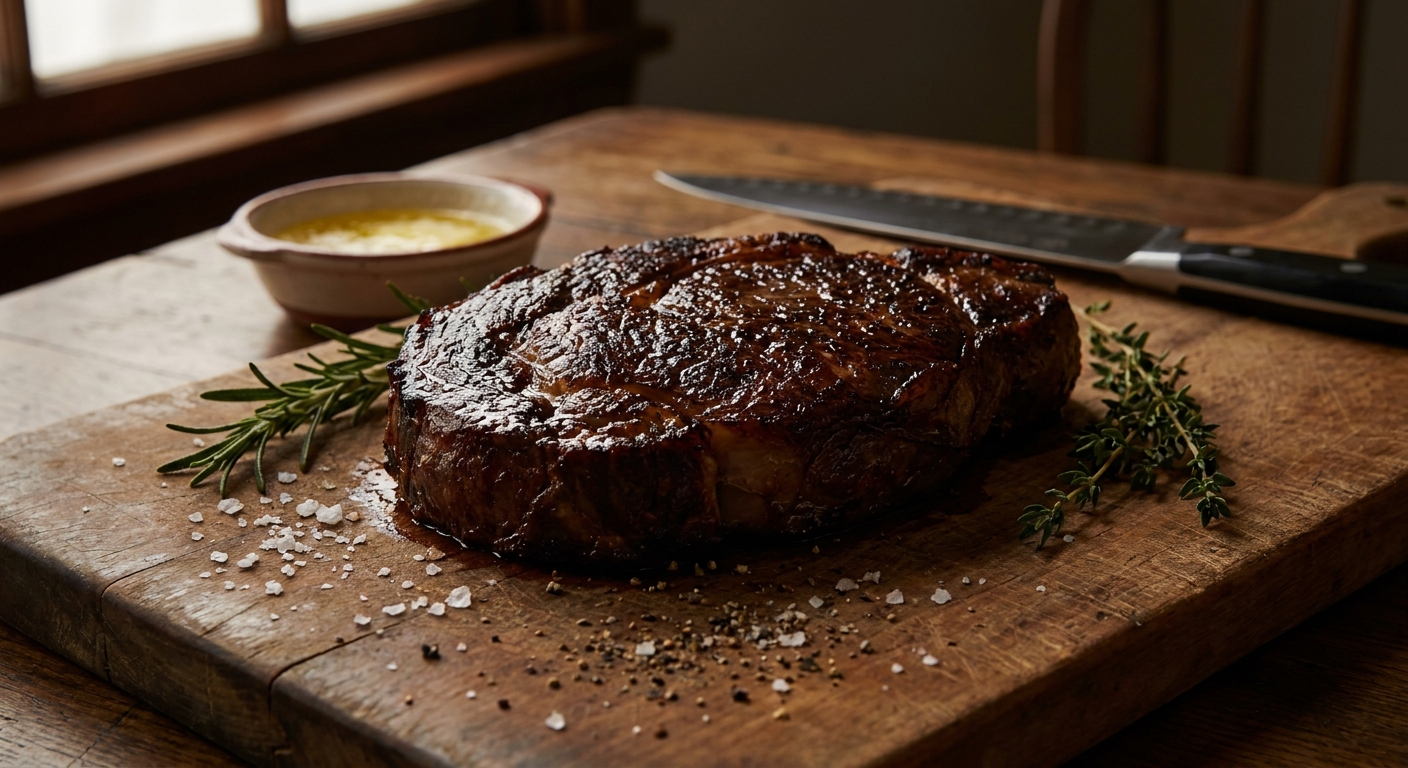


0 Comentários: