 By
By 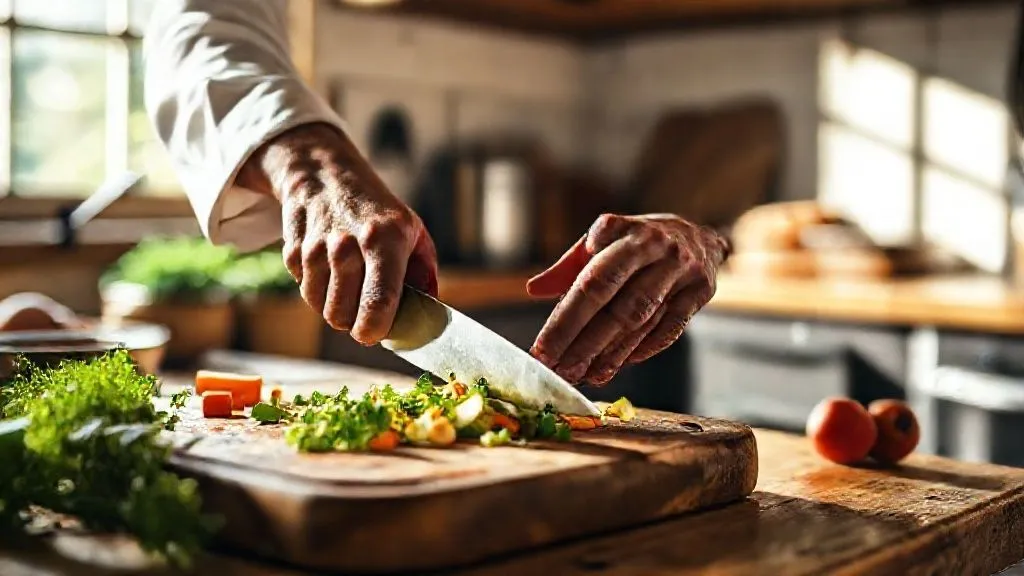
How to Quickly Train Kitchen Novices Essential Cooking Techniques?
For over two decades in bustling professional kitchens and through countless hours mentoring aspiring home cooks, I've observed a common frustration: the desire to cook vs. the daunting reality of where to begin. It's a journey I've guided many through, from hesitant beginners to confident culinary enthusiasts.
Many kitchen novices feel overwhelmed, paralyzed by the sheer volume of information and the fear of failure. They often struggle with fundamental techniques, leading to wasted ingredients, subpar meals, and ultimately, a retreat from the kitchen entirely. This problem isn't just about cooking; it's about building life skills and confidence.
In this definitive guide, I'll share my proven, rapid-fire framework to quickly train kitchen novices essential cooking techniques. You'll discover actionable strategies, expert insights, and real-world analogies that bypass common pitfalls, ensuring your or your mentee's culinary journey is both efficient and genuinely enjoyable.
The Foundational Mindset: Why 'How' Matters More Than 'What'
Before diving into specific techniques, it’s crucial to cultivate the right learning mindset. In my experience, the biggest barrier isn't a lack of talent, but a lack of understanding *how* to approach learning in the kitchen. We often focus too much on memorizing recipes and too little on understanding underlying principles.
Think of cooking less as a rigid set of instructions and more as a dynamic craft. This perspective encourages experimentation, problem-solving, and resilience – qualities far more valuable than simply following a recipe verbatim. A novice who understands *why* a technique works will adapt far better than one who only knows *what* to do.
“The true art of teaching cooking is not to give a fish, but to teach how to fish in any culinary ocean.”
This approach fosters genuine culinary intuition. It transforms a beginner from a passive recipe follower into an active, engaged cook capable of improvising and adapting.
Phase 1: Demystifying Kitchen Safety and Setup – The Non-Negotiables
My first rule in any kitchen, professional or home, is always safety and organization. You can't cook effectively if you're worried about cuts, burns, or cross-contamination, or if you can't find anything. This phase is non-negotiable for anyone looking to quickly train kitchen novices essential cooking techniques.
- Hygiene First: Start with proper handwashing techniques and understanding cross-contamination. Emphasize washing hands before, during, and after handling food, especially raw meats.
- Knife Safety: This deserves its own dedicated session. Teach how to hold a knife properly, how to store it safely, and the golden rule: a sharp knife is safer than a dull one.
- Heat Safety: Explain how to safely operate stovetops and ovens, including handling hot pots and pans, and never leaving cooking unattended.
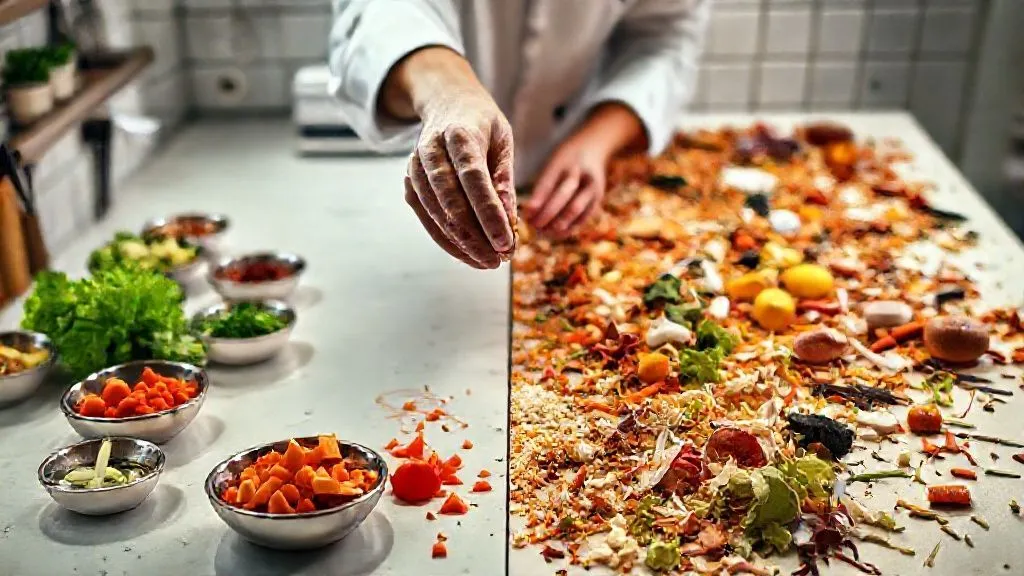
- Mise en Place (Everything in its Place): Introduce this fundamental French culinary concept. It means having all your ingredients prepped and organized before you start cooking. This dramatically reduces stress, improves efficiency, and minimizes mistakes.
Implementing a solid mise en place routine is a game-changer. It builds confidence because the novice can focus on the cooking steps rather than scrambling for ingredients. It’s a core habit I instill from day one.
Case Study: Sarah's Speedy Safety Transformation
Sarah, a new cook, was initially hesitant and slow, often pausing to find ingredients or worrying about burns. After just two sessions focusing intensely on kitchen safety and implementing a strict mise en place routine, her demeanor shifted. She became noticeably more confident and efficient. Her prep time decreased by 30%, and her anxiety about handling hot pans or sharp knives virtually disappeared, allowing her to focus on the actual cooking techniques. This foundational training proved invaluable.

Phase 2: Mastering Core Knife Skills – Precision, Not Speed, First
If there's one skill that separates the novice from the confident home cook, it's knife work. I always emphasize precision and safety over speed initially. Speed comes with practice, but bad habits are hard to break. This is a critical component if you want to quickly train kitchen novices essential cooking techniques.
- The Claw Grip: Teach the proper way to hold food with the non-dominant hand, curling fingers inward to protect fingertips. This is paramount for safety.
- Basic Cuts: Start with simple, larger cuts like dicing an onion, slicing carrots, or mincing garlic. Focus on evenness, as this impacts cooking time and presentation.
- Knife Types and Uses: Explain the purpose of a chef's knife, paring knife, and serrated knife. Knowing which tool to use makes a huge difference.
- Sharpening and Honing: Briefly demonstrate how to use a honing steel to maintain a sharp edge. A sharp knife is not only safer but also makes the task easier and more enjoyable.
Practice with softer vegetables like bell peppers or zucchini before moving to harder ones. Repetition builds muscle memory and confidence. I often have novices practice with a dull knife first, just to get the motion down, then introduce a sharp one.
| Knife Type | Primary Use | Blade Length |
|---|---|---|
| Chef's Knife | Chopping, dicing, mincing | 6-12 inches |
| Paring Knife | Peeling, trimming, intricate cuts | 2-4 inches |
| Serrated Knife | Slicing bread, tomatoes, delicate items | 6-10 inches |

Phase 3: Heat Management & Basic Cooking Methods – From Sauté to Simmer
Understanding how to control heat is the heart of cooking. Many novices struggle because they either use too high a heat, burning food, or too low, resulting in bland, undercooked dishes. This is where we truly begin to quickly train kitchen novices essential cooking techniques that yield delicious results.
- Understanding Stove Heat: Explain the difference between low, medium, and high heat and what each is suitable for. Use visual cues like oil shimmering or bubbling.
- Sautéing (Dry Heat): Demonstrate how to quickly cook small pieces of food in a hot pan with a small amount of fat. Emphasize not overcrowding the pan to ensure proper browning.
- Simmering (Moist Heat): Teach how to maintain a gentle bubble for soups, stews, and sauces. Explain the difference between a simmer and a boil.
- Roasting/Baking (Oven Heat): Cover even heat distribution in the oven. Discuss proper temperatures for vegetables and proteins, and the importance of preheating.
- The Maillard Reaction: Briefly introduce this concept – the chemical reaction between amino acids and reducing sugars that gives browned food its distinctive flavor. It helps explain *why* browning is so important for flavor.
I often use the analogy of a car's accelerator: you wouldn't drive at full speed everywhere, and you wouldn't crawl either. You adjust based on the road and destination. Cooking heat is similar. Mastering these basic methods opens up a world of simple, satisfying dishes.
According to culinary science, the Maillard reaction is responsible for much of the flavor development in cooking, from seared steaks to roasted vegetables. Understanding this principle empowers novices to actively seek out browning for enhanced taste. Serious Eats provides an excellent deep dive into the Maillard Reaction, which I highly recommend for further reading.

Phase 4: Flavor Building Blocks – Seasoning and Tasting Like a Pro
Many novice cooks are either afraid to season or over-season. Learning to taste and adjust is perhaps the most intuitive and crucial skill. This phase directly impacts whether the food tastes good, a key motivator to quickly train kitchen novices essential cooking techniques.
- Salt: The Foundation: Explain that salt doesn't just make food salty; it enhances all other flavors. Teach when to add salt (early for deep flavor, later for brightness) and how much.
- Acids: The Brighteners: Introduce citrus juices (lemon, lime) and vinegars as essential tools for balancing richness and adding a refreshing lift to dishes.
- Fats: The Flavor Carriers: Discuss how different fats (olive oil, butter, sesame oil) contribute distinct flavors and carry fat-soluble aromatics.
- Herbs & Spices: The Aromatics: Guide on using fresh vs. dried herbs, and common spice pairings. Emphasize starting small and building flavor.
- The Power of Tasting: Instill the habit of tasting at every stage of cooking. This is how you learn to adjust and perfect a dish.
I often tell my students, "You wouldn't drive a car blindfolded, so why cook without tasting?" Tasting is your compass. It tells you if you're on the right track or need to adjust course.
“Taste, taste, taste! It is the single most important habit a cook can develop. Your palate is your ultimate guide.”
For more on the science of taste and flavor, I often refer to resources like Harvard T.H. Chan School of Public Health's articles on nutrition and flavor, which highlight the interplay between ingredients and our perception of taste.
Phase 5: Recipe Interpretation & Adaptability – Beyond Just Following Instructions
Once a novice has a grasp of basic techniques, the next step is to empower them to understand recipes, not just follow them. This moves them from a passive participant to an active creator. This is a crucial step in truly knowing how to quickly train kitchen novices essential cooking techniques for lifelong success.
- Deconstructing a Recipe: Teach how to read a recipe for flow, identify ingredients, and understand the method before starting. What are the key steps? What equipment is needed?
- Ingredient Functionality: Explain *why* certain ingredients are used. For example, why does a cake need baking powder? Why is an egg used as a binder?
- Basic Substitutions: Guide on simple, safe substitutions (e.g., different types of onions, similar herbs, vegetable broth instead of chicken broth). This builds confidence and adaptability.
- Adjusting for Taste and Preference: Encourage novices to adjust seasoning or ingredients based on their palate, not just what the recipe says. If they don't like cilantro, what's a good alternative?
This phase is about fostering culinary independence. It's about teaching them to think like a cook, not just a recipe executor. It's about understanding the 'grammar' of cooking, allowing them to construct their own sentences.
Phase 6: Efficient Cleanup & Kitchen Maintenance – Completing the Cycle
A true cook understands that the meal isn't over until the kitchen is clean. This might seem secondary to cooking techniques, but it's vital for efficiency, safety, and enjoyment. A messy kitchen demotivates future cooking sessions, hindering the goal to quickly train kitchen novices essential cooking techniques.
- Clean As You Go: This is my mantra. As you finish with an ingredient or a tool, wash it or put it away immediately. This prevents a mountain of dishes at the end.
- Proper Storage: Teach how to safely store leftovers and unused ingredients to minimize waste and ensure food safety. Refer to resources like FoodSafety.gov's cold food storage charts for guidelines.
- Basic Appliance Care: Briefly cover how to clean a stovetop, oven, and microwave. A well-maintained kitchen is a happy kitchen.
This phase reinforces discipline and respect for the cooking environment. It ensures that the next cooking session starts fresh, without the lingering burden of the last one. It’s an often-overlooked but essential part of the culinary process.
Advanced Strategies for Accelerated Learning & Retention
Beyond the core techniques, certain strategies can significantly accelerate a novice's learning curve and ensure long-term retention. These are the 'force multipliers' I use to quickly train kitchen novices essential cooking techniques at a higher level.
- Repetitive Practice with Variation: Don't just make one dish; make 3-4 variations of a simple dish (e.g., different stir-fries with the same basic technique) to solidify skills.
- Sensory Engagement: Encourage novices to actively smell, touch, and listen to their food as it cooks. These sensory cues are powerful learning tools.
- Journaling/Reflection: Have them note what worked, what didn't, and why. This metacognition deepens understanding.
- Teach-Back Method: Ask the novice to explain a technique back to you. If they can teach it, they truly understand it.
- Embrace Mistakes: Frame mistakes as learning opportunities, not failures. Every burnt garlic clove or over-salted soup is a lesson learned.
By employing these strategies, you're not just teaching skills; you're building a resilient, curious, and self-correcting cook. This holistic approach is what truly allows us to quickly train kitchen novices essential cooking techniques effectively.
| Skill | Practice Frequency | Benchmark |
|---|---|---|
| Knife Skills | 3x/week | Even 1/2 inch dice |
| Heat Control (Sauté) | 2x/week | Golden brown, not burnt |
| Seasoning/Tasting | Every dish | Balanced flavor profile |
| Mise en Place | Every dish | All prep done before cooking |

Frequently Asked Questions (FAQ)
Q: What's the absolute first recipe a total novice should try? I always recommend something simple like scrambled eggs or a basic pasta with sauce. These involve heat control, some minimal chopping, and seasoning, allowing for immediate, satisfying results without too much complexity. The key is quick success to build confidence.
Q: How do I overcome the fear of making mistakes or ruining ingredients? Understand that every chef, even seasoned veterans, makes mistakes. It's part of the learning process. Start with inexpensive ingredients, focus on understanding the *why* behind techniques, and remember that most mistakes are salvageable or, at worst, offer a valuable lesson. Embrace the journey of learning.
Q: Is it better to learn from videos, cookbooks, or hands-on coaching? Ideally, a combination is best. Videos offer visual demonstrations, cookbooks provide structured recipes, but nothing beats hands-on coaching and immediate feedback. A good coach can correct technique in real-time and answer specific questions that videos or books can't.
Q: How long does it typically take to become a 'competent' home cook? Competence is subjective, but with consistent practice (3-4 times a week) and focused learning on fundamental techniques, a novice can become comfortably proficient in 3-6 months. True mastery, of course, is a lifelong pursuit, but foundational skills can be acquired surprisingly quickly.
Q: What are the most common mistakes novices make, and how can they be avoided? Overcrowding the pan, not tasting as they go, improper knife safety, and using too low or too high heat are very common. These can be avoided by strictly adhering to mise en place, consistently tasting, and focusing on heat management and knife safety from the outset. Patience and practice are key.
Key Takeaways and Final Thoughts
Training kitchen novices effectively isn't about rushing them through recipes; it's about building a solid foundation of essential techniques, coupled with a confident, curious mindset. As an experienced industry specialist, I've seen these principles transform hesitant beginners into passionate cooks.
- Start with an emphasis on **safety and efficient mise en place** to build foundational confidence.
- Prioritize **precision in knife skills** before speed, focusing on proper grip and basic cuts.
- Demystify **heat management and core cooking methods** like sautéing and simmering.
- Cultivate the crucial habit of **tasting and adjusting seasoning** to truly build flavor.
- Empower novices to **interpret and adapt recipes**, fostering culinary independence.
- Instill **efficient cleanup habits** to ensure a pleasant and sustainable cooking journey.
- Utilize **accelerated learning strategies** like repetitive practice and reflective journaling.
By following this structured approach, you can truly quickly train kitchen novices essential cooking techniques, empowering them with a lifelong skill and a joyful relationship with food. It's a journey of discovery, and with the right guidance, anyone can become a confident cook. Happy cooking!
Recommended Reading
- 50 Air Fryer Wings: Your 7-Step Plan for Unmatched Consistent Crispness
- 5 Expert Fixes: Banish Chalky Texture from High-Protein Low-Sugar Bars
- Cracking the Code: 7 Steps to Crispy Air-Fried Catering Deliveries
- 7 Proven Ways to Extend Homemade Yogurt's Shelf Life Without Stabilizers
- Urgent: 7 Proven Ways to Halt Mold in Home Grain Malting Operations

0 Comentários: