 By
By 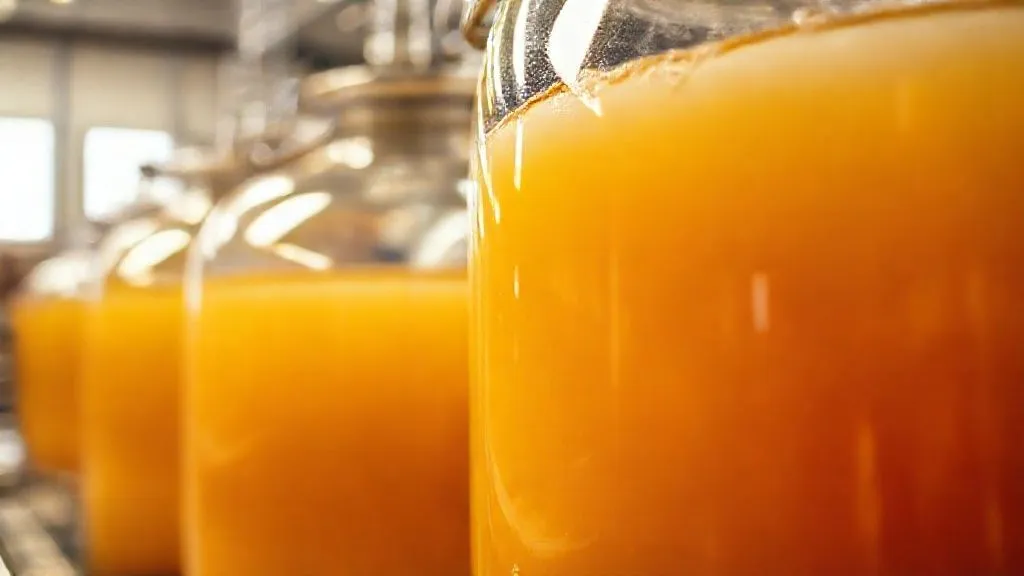
How to prevent large-batch fermentation spoilage for profit?
For over two decades in the niche of food preserving and self-sufficiency, I've witnessed countless aspiring businesses, from artisanal kraut makers to craft beverage producers, face the daunting challenge of scaling. The transition from a few jars on the counter to hundreds of gallons in a commercial setting is fraught with peril, and the most common, most heartbreaking pitfall I've seen is large-batch spoilage.
The financial and reputational hit from a compromised batch can be devastating. It's not just the lost ingredients and labor; it's the damaged trust with customers, the wasted energy, and the crushing blow to your entrepreneurial spirit. Many simply throw in the towel, never realizing that with the right strategies, these losses are largely preventable.
Today, I'm going to share the actionable frameworks, real-world insights, and expert advice I've gathered over my career to help you navigate this complex landscape. My goal is to equip you with the knowledge to not just prevent large-batch fermentation spoilage, but to turn your preservation efforts into a consistently profitable venture.
Understanding the Enemy: Common Causes of Fermentation Failure
Before we can prevent spoilage, we must understand its origins. Think of it like a detective story: you need to identify the culprits and their modus operandi. In large-batch fermentation, the 'enemies' are often subtle, insidious, and can multiply rapidly if unchecked.
Microbial Contamination: The Unwanted Guests
This is arguably the most common and feared cause of spoilage. While fermentation relies on beneficial microbes, the introduction of undesirable bacteria, wild yeasts, or molds can quickly overwhelm your desired culture. These contaminants often lead to off-flavors, unpleasant textures, and even safety concerns.

Sources of contamination are myriad: airborne spores, unsterilized equipment, contaminated ingredients, or even improper handling by personnel. Identifying the specific type of contaminant is the first step towards targeted prevention.
Temperature Fluctuations: The Unstable Environment
Each ferment has an optimal temperature range for its specific microbial culture. Deviating from this range, especially with wide and frequent fluctuations, can stress your desired microbes, making them less efficient and more susceptible to being outcompeted by spoilage organisms. Too cold, and the fermentation stalls; too warm, and off-flavors or rapid spoilage can occur.
pH Imbalance: The Acidity Sweet Spot
pH plays a critical role in fermentation, acting as a natural preservative and a selective pressure for beneficial microbes. If the initial pH is too high, or if the acidification process stalls, spoilage organisms can thrive. Maintaining the correct pH throughout the fermentation cycle is paramount for both safety and flavor development.
Oxygen Exposure: The Double-Edged Sword
For many traditional ferments like lacto-fermented vegetables or kombucha, controlled oxygen exposure (or lack thereof) is crucial. Anaerobic ferments, for instance, are highly susceptible to spoilage when exposed to oxygen, which can encourage mold growth and undesirable aerobic bacteria. Conversely, aerobic ferments like vinegar require oxygen, but too much or too little at the wrong time can still lead to issues.
Substrate Quality and Consistency: The Building Blocks
The quality and consistency of your raw ingredients (the 'substrate') directly impact the success of your fermentation. Inconsistent sugar content in fruit for wine, or pesticide residues on vegetables for kraut, can lead to unpredictable fermentation kinetics, stalled activity, or the growth of unwanted microorganisms. Garbage in, garbage out truly applies here.
The Foundation of Success: Strategic Planning and Ingredient Sourcing
In my experience, many producers focus too much on the fermentation process itself, overlooking the critical steps that happen even before a single ingredient touches a vessel. Strategic planning and meticulous ingredient sourcing are the bedrock upon which profitable, spoilage-free fermentation is built.
Supplier Vetting and Traceability
Who you source from matters immensely. I always advise clients to establish strong relationships with suppliers who prioritize quality and provide clear traceability. Ask about their growing practices, their handling procedures, and their own quality control. A reputable supplier will be transparent and able to provide certificates of analysis or similar documentation. This minimizes the risk of introducing contaminants or inconsistent raw materials into your process.
Pre-Fermentation Ingredient Preparation
This goes beyond simple washing. Depending on your ferment, it might involve blanching, peeling, shredding, or precise chopping. Consistency in preparation ensures uniform fermentation, as microbes can access nutrients evenly. For example, uniformly shredded cabbage ferments more predictably than a mix of large chunks and fine pieces.
Water Quality: The Unsung Hero
Often overlooked, water quality is absolutely vital. Tap water can contain chlorine, chloramines, or heavy metals that inhibit microbial activity and affect flavor. Filtering your water, or even using distilled water for sensitive ferments, can make a significant difference in consistency and spoilage prevention. It's a small investment that yields huge returns.
"The quality of your water is as critical as the quality of your primary ingredient. It sets the stage for your microbial actors, influencing their performance profoundly."
| Aspect | Checklist Item | Impact on Spoilage |
|---|---|---|
| Supplier Certification | Food safety certifications (e.g., HACCP, ISO 22000) | Reduces risk of pre-existing contamination |
| Ingredient Freshness | Date of harvest/delivery, visual inspection | Ensures optimal microbial substrate, prevents early decay |
| Pesticide/Herbicide Use | Organic certification or supplier statements | Avoids chemical inhibition of beneficial microbes |
| Water Treatment | Chlorine/chloramine filtration, pH testing | Supports healthy microbial growth, prevents off-flavors |
| Nutrient Profile (e.g., sugars) | Brix readings or lab analysis (if applicable) | Ensures consistent fermentation kinetics |
Mastering Sanitation and Sterilization Protocols
In large-batch fermentation, sanitation isn't just good practice; it's a non-negotiable insurance policy against spoilage. I've seen promising businesses crumble due to a single overlooked piece of equipment or a lapse in cleaning protocols. This is where the transition from home kitchen to commercial operation becomes most apparent.
From Small Batches to Scale: Adapting Practices
What works for a single jar might not scale. Scrubbing a small crock by hand is one thing; effectively sanitizing a 500-gallon fermenter is another. You need systems and protocols that are robust, repeatable, and verifiable. This often means investing in specialized equipment and training.
Equipment Design for Easy Cleaning
When selecting or designing your fermentation vessels and auxiliary equipment, prioritize cleanability. Look for smooth, food-grade surfaces (like stainless steel 304 or 316), minimal crevices, and easily disassembled parts. Tri-clamp fittings, for instance, are far superior to threaded connections for sanitation in a commercial setting.
CIP (Clean-In-Place) and SIP (Sterilize-In-Place) Systems
For larger vessels, manual cleaning becomes impractical and less effective. Clean-In-Place (CIP) and Sterilize-In-Place (SIP) systems are essential. These automated systems circulate cleaning and sanitizing solutions through the vessels and piping without disassembly, ensuring thorough and consistent hygiene. They are an upfront investment that pays dividends in spoilage prevention and labor savings.
Personnel Hygiene and Training
Your team is your first line of defense. Proper handwashing, wearing appropriate personal protective equipment (PPE) like gloves and hairnets, and understanding cross-contamination risks are fundamental. Regular training and refreshers on these protocols are vital.
- Initial Rinse: Immediately after emptying a vessel, rinse it thoroughly with cold water to remove gross solids before they dry and harden.
- Alkaline Wash: Circulate an alkaline cleaning solution (e.g., caustic soda) at an appropriate temperature and concentration to break down organic matter.
- Intermediate Rinse: Rinse again with clean water to remove the alkaline cleaner.
- Acid Wash: Circulate an acid cleaning solution (e.g., phosphoric acid) to remove mineral deposits (beer stone, milk stone) and neutralize any remaining alkaline residue.
- Final Rinse: Rinse thoroughly with potable water until the pH is neutral.
- Sanitization/Sterilization: Apply a chemical sanitizer (e.g., peracetic acid, chlorine dioxide) or use heat (steam) to kill remaining microorganisms immediately before use.
- Verification: Implement ATP testing or microbial swabs to verify the effectiveness of your cleaning protocols.
For comprehensive guidelines on food safety and sanitation, refer to official resources like the FDA's HACCP Principles and Application Guidelines.
Precision Control: Temperature, pH, and Airflow Management
The microbial world thrives on consistency. In large-batch fermentation, achieving this consistency requires precision control over environmental factors. This is where science meets artistry, and where your investment in monitoring and control systems truly pays off.
Advanced Temperature Control Systems
Gone are the days of guessing. Commercial operations require sophisticated temperature control. This means jacketed fermenters, glycol chillers, and heating elements linked to precise thermostats and probes. The ability to maintain a consistent temperature, or to follow a specific temperature ramp (e.g., for kombucha or certain alcohols), is crucial for microbial health and predictable outcomes.
pH Monitoring and Adjustment Strategies
Real-time pH monitoring is a game-changer. Continuous pH probes linked to data loggers allow you to track the acidification process and intervene if necessary. For some ferments, a slight adjustment with food-grade acids or bases might be needed if the pH deviates from the optimal range, especially during the initial stages. Regular calibration of your pH meters is non-negotiable.
Oxygen Management: Friend or Foe?
Understanding the role of oxygen in your specific ferment is key. For anaerobic processes like lacto-fermentation, minimizing oxygen exposure is paramount. This can involve airlocks, sealed vessels, or even CO2 blanketing. For aerobic processes like vinegar or tempeh, controlled aeration systems ensure a consistent supply of oxygen without introducing contaminants. Research on fermentation kinetics often highlights the precise oxygen demands of different microbial cultures.

Monitoring and Early Detection: Catching Problems Before They Escalate
Even with the best planning and control, vigilance is key. Spoilage can sometimes develop unexpectedly. Implementing robust monitoring and early detection protocols is like having an early warning system, allowing you to address issues before an entire batch is lost.
Sensory Evaluation: The Human Element
Don't underestimate the power of your senses. Trained personnel can often detect subtle changes in aroma, appearance, or even sound (e.g., unusual bubbling patterns) that signal a problem. A daily sensory check, even a quick sniff and visual inspection, can provide invaluable early warnings. Develop a sensory profile for your ideal product and train your team to recognize deviations.
Lab Testing: Microbial Counts and Chemical Analysis
For large-batch commercial operations, regular lab testing is indispensable. This includes microbial plating to check for undesirable bacteria, yeasts, or molds, as well as chemical analysis for pH, titratable acidity, sugar content, and alcohol levels. Consistent testing at various stages of fermentation provides objective data and helps validate your processes. Consider partnering with a reputable third-party lab if in-house capabilities are limited.
Data Logging and Trend Analysis
Modern fermentation equipment often comes with data logging capabilities for temperature, pH, and other parameters. Don't just collect this data; analyze it. Looking for trends and anomalies can help predict potential issues before they become full-blown spoilage. A sudden, unexplained spike in pH, for example, could indicate a stalled fermentation or contamination.
"Data is your silent partner. It tells a story about your ferment, revealing patterns and warning signs that your senses alone might miss. Learn to listen to it."
Case Study: FermentPro's Early Detection Triumph
FermentPro, a medium-sized producer of artisanal kimchi, faced a recurring issue with batches developing an off-putting, overly yeasty flavor after two weeks. Initial losses were significant. By implementing continuous pH monitoring and weekly microbial plating, their quality control team noticed a subtle pH drift upwards, coupled with an unexpected increase in wild yeast counts, around day 7. This was earlier than their previous sensory detection. They traced the issue back to a worn seal on a fermenter lid, allowing slight oxygen ingress. By replacing the seal and adjusting their cleaning protocol, they eliminated the spoilage, saving an estimated $15,000 per month in lost product and maintaining their brand reputation for consistent quality.
Post-Fermentation Handling and Packaging for Longevity
Your work isn't over once fermentation is complete. The post-fermentation phase is critical for locking in quality, ensuring safety, and extending shelf life. Mishandling here can negate all your efforts in preventing spoilage during the active fermentation period.
Stabilization Techniques
Depending on your product, various stabilization techniques can prevent further microbial activity or spoilage. This might include: pasteurization (heat treatment to kill remaining microbes), cold crashing (rapid cooling to halt fermentation and settle solids), filtration (removing yeast, bacteria, and particulates), or adding natural preservatives (e.g., salt, vinegar, sugar in appropriate amounts).
Packaging Materials and Atmosphere
The choice of packaging material and the packaging environment significantly impact shelf life. Oxygen-impermeable packaging (e.g., glass, certain plastics with good barrier properties) is crucial for products sensitive to oxidation. For some ferments, modified atmosphere packaging (MAP) or vacuum sealing can further extend shelf life by controlling the gas composition around the product. Industry best practices for fermented food packaging provide valuable insights.
Storage Conditions and Shelf Life Extension
Once packaged, proper storage is paramount. Maintaining consistent refrigeration for perishable ferments, or cool, dark conditions for shelf-stable products, prevents microbial regrowth and chemical degradation. Clearly labeling products with best-by dates and storage instructions is essential for consumer safety and product quality.
Scaling Profitably: Economic Considerations and Risk Mitigation
The ultimate goal of preventing spoilage isn't just about good practice; it's about safeguarding and enhancing your profitability. Every spoiled batch is a direct hit to your bottom line, and these losses can quickly accumulate, making a seemingly viable business unsustainable.
Cost of Spoilage: A Hidden Drain on Profits
Calculate the true cost of spoilage. It includes: raw ingredient cost, labor cost (preparation, fermentation, disposal), energy cost (heating, cooling, pumping), packaging cost, and disposal cost. Beyond direct costs, there's the intangible cost of damaged reputation, lost customer loyalty, and potential regulatory fines if safety is compromised. Understanding these numbers makes the case for investing in prevention clear.
Batch Consistency and Brand Reputation
Consistent quality is the cornerstone of a strong brand. When customers know they can rely on your product to taste and feel the same every time, they become loyal advocates. Spoilage, or even just inconsistent quality, erodes that trust and makes it incredibly difficult to build a lasting business. Preventing spoilage directly translates to maintaining your brand's integrity.
Implementing a HACCP Plan for Fermentation
A Hazard Analysis and Critical Control Points (HACCP) plan is a systematic preventive approach to food safety from biological, chemical, and physical hazards. While often associated with larger food processors, even small-to-medium fermentation businesses benefit immensely from adopting HACCP principles. It forces you to identify potential hazards at every step, establish critical limits, and implement monitoring procedures. This proactive approach is a powerful tool for preventing spoilage and ensuring food safety. Learn more about HACCP principles from the USDA Food Safety and Inspection Service.
| Prevention Measure | Upfront Cost | Ongoing Cost | Benefit (Spoilage Reduction) | ROI Impact |
|---|---|---|---|---|
| Advanced Temperature Control | High | Medium (energy) | High (eliminates temperature-related failures) | Significant reduction in batch losses, improved consistency |
| CIP/SIP Systems | High | Medium (chemicals, water) | Very High (eliminates sanitation-related contamination) | Dramatic reduction in contamination, labor savings |
| Regular Lab Testing | Medium | Medium | High (early detection, process validation) | Prevents full batch losses, allows process optimization |
| Staff Training & SOPs | Low | Low (refreshers) | High (reduces human error, improves vigilance) | Consistent quality, reduced re-work and waste |
| High-Quality Ingredient Sourcing | Medium (potentially higher ingredient cost) | Medium | High (prevents substrate-related issues) | Predictable fermentation, superior final product quality |
Training Your Team: The Human Factor in Quality Control
Technology and protocols are invaluable, but they are only as effective as the people operating them. Your team is at the heart of your operation, and their knowledge, skill, and commitment to quality are paramount in preventing large-batch fermentation spoilage for profit.
Continuous Education and Skill Development
Fermentation is a dynamic field. New research, techniques, and equipment emerge regularly. Invest in your team's education. This could involve workshops, online courses, or simply dedicating time for internal knowledge sharing. A well-informed team is more capable of identifying and troubleshooting problems.
Fostering a Culture of Vigilance
Encourage your team to be proactive and to report any anomalies, no matter how small. Create an environment where mistakes are learning opportunities, not reasons for blame. When everyone feels responsible for quality, and empowered to speak up, potential issues are caught much earlier. This collective vigilance is a powerful spoilage deterrent.
Standard Operating Procedures (SOPs)
Document everything. Clear, concise Standard Operating Procedures (SOPs) for every step of your process – from ingredient reception to final packaging – ensure consistency regardless of who is performing the task. SOPs are a critical training tool and a reference guide that minimizes human error, which is often a root cause of spoilage. Good Manufacturing Practices (GMP) documentation standards offer a great framework.

Frequently Asked Questions (FAQ)
How often should I test my large batches for contamination? The frequency of testing depends on the specific ferment, its inherent risks, and your production volume. For high-risk or high-volume ferments, daily pH checks and weekly microbial plating are often recommended. For lower-risk products, less frequent but consistent testing (e.g., bi-weekly or at critical process points) might suffice. The key is consistency and establishing a baseline for your healthy ferment. Any deviation from this baseline should trigger more frequent testing.
What's the most common mistake small businesses make when scaling fermentation? From my vantage point, the most common mistake is underestimating the complexity of scaling sanitation and process control. What was manageable with a few jars becomes a logistical nightmare with hundreds of gallons. Neglecting proper equipment, robust cleaning protocols, and precise environmental controls are often the downfall, leading directly to spoilage and lost profits.
Can I salvage a slightly spoiled batch, or is it always a total loss? It depends entirely on the nature and extent of the spoilage. If it's a minor off-flavor from a slight temperature deviation, it might be salvageable through blending or further processing (e.g., distilling an off-flavor kombucha into vinegar). However, if there's mold, significant undesirable microbial growth, or any food safety concern, it's almost always a total loss. Prioritize safety over potential small gains; your reputation and consumer health are paramount.
What's the role of starter cultures in preventing spoilage at scale? Starter cultures are foundational. Using a robust, pure, and active starter culture ensures that beneficial microbes quickly dominate the fermentation environment, outcompeting potential spoilage organisms. At scale, consistency in your starter culture (e.g., proper propagation, viability testing) is even more critical than in small batches, as a weak starter can lead to stalled ferments and increased spoilage risk.
How do environmental factors (humidity, air quality) impact large-batch fermentation? While often secondary to direct vessel conditions, ambient environmental factors can indeed play a role. High humidity can encourage mold growth on the exterior of vessels or in the surrounding facility, potentially leading to airborne contamination. Poor air quality (e.g., dusty environments) can introduce wild yeasts and bacteria. Maintaining a clean, well-ventilated, and appropriately humidified production space is part of a holistic approach to spoilage prevention.
Key Takeaways and Final Thoughts
Mastering large-batch fermentation for profit is a journey that demands vigilance, precision, and an unwavering commitment to quality. It's about understanding the science, respecting the microbes, and empowering your team.
- Proactive Prevention: Invest in high-quality ingredients and robust sanitation systems from the outset.
- Precision Control: Utilize technology for accurate temperature, pH, and oxygen management.
- Vigilant Monitoring: Combine sensory evaluation with consistent lab testing and data analysis for early detection.
- Strategic Post-Processing: Implement appropriate stabilization and packaging techniques to extend shelf life.
- Continuous Learning: Foster a culture of education and vigilance within your team, backed by clear SOPs.
- Economic Awareness: Understand the true cost of spoilage to justify investments in prevention.
The path to preventing large-batch fermentation spoilage for profit might seem challenging, but with these strategies, you're not just avoiding losses; you're building a resilient, reputable, and profitable enterprise. Embrace the science, trust your process, and your fermented products will not only thrive but also delight your customers consistently.
Recommended Reading
- 7 Critical Steps: Preventing Botulism in Large-Scale Vegetable Ferments
- Safe Smoked Meat: 7 Steps to Long-Term Preservation Without Botulism
- 7 Steps to Fix Diet Meal Prep Inconsistencies & Boost Professional Focus
- Plated Dessert Bleeds? 7 Expert Fixes for Shifting Elements
- 7 Strategies: Air Fry Full Family Meals, No Matter Your Appliance Size

0 Comentários: