 By
By 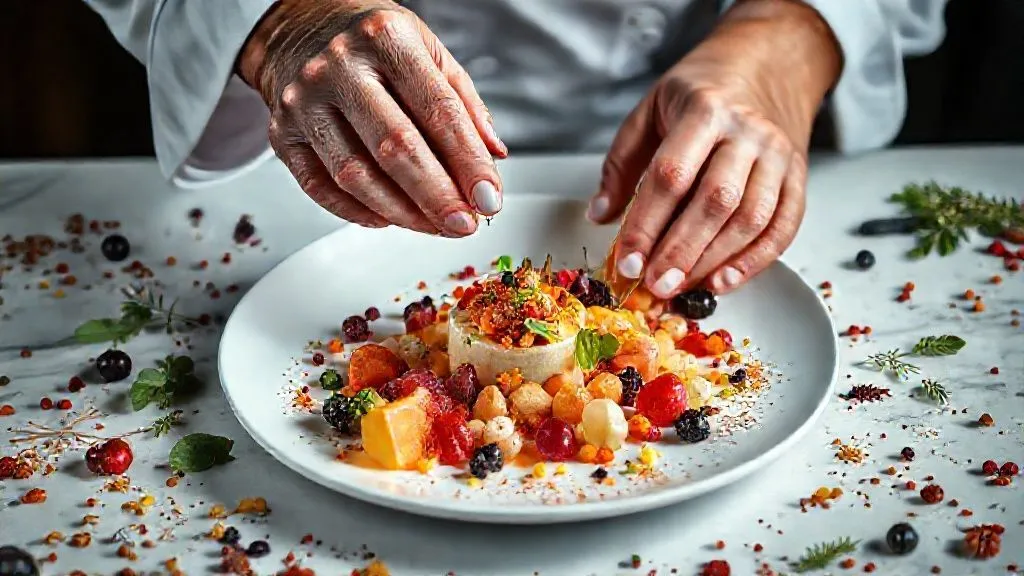
How to Inspire Unique Dessert Creations for a Stale Restaurant Menu?
For over two decades in the vibrant, ever-evolving world of desserts and restaurant kitchens, I've witnessed a common, yet often overlooked, pitfall: the stale dessert menu. It's a silent killer of customer excitement and an untapped goldmine for revenue. I've seen countless talented chefs and restaurateurs pour their hearts into savory dishes, only to let their sweet finales become an afterthought, a predictable list of options customers glance over.
The problem isn't a lack of talent; it's often a lack of a structured approach to innovation, coupled with the relentless demands of daily operations. That familiar crème brûlée or chocolate lava cake, while once a beloved staple, can quickly turn into a symbol of a restaurant's creative inertia, signaling to diners that perhaps the entire culinary experience has lost its spark. This stagnation not only impacts your reputation but also directly affects your bottom line, as dessert orders dwindle and guests seek excitement elsewhere.
But fear not. In this comprehensive guide, I will share the exact frameworks, insights, and actionable strategies I’ve developed and refined over my career. You'll learn not just what to change, but how to inspire unique dessert creations for a stale restaurant menu, transforming it into a dynamic, revenue-generating highlight that perfectly complements your restaurant's vision and leaves a lasting impression on your guests. We'll dive into everything from igniting raw creativity to leveraging data, ensuring your dessert menu becomes a beacon of innovation.
Understanding the Root Cause of Dessert Menu Stagnation
Before we can truly innovate, we must first understand why dessert menus become stale. It's rarely a conscious decision; rather, it’s a gradual erosion of creative energy and a subtle disconnect from the evolving culinary landscape. I've seen this play out in kitchens from bustling city bistros to Michelin-starred establishments.
The Comfort Zone Trap
One of the primary culprits is the 'comfort zone trap.' Pastry chefs and kitchen teams often gravitate towards what they know works, what's easy to execute, and what has historically sold well. While consistency is commendable, an over-reliance on familiar recipes can stifle growth. The original success of a dish can become its eventual undoing if it prevents exploration.
This trap often manifests in a fear of failure or a perceived lack of time for experimentation. As an industry veteran, I can tell you that true innovation often requires stepping slightly outside that comfort zone, embracing a degree of risk, and allocating dedicated time for creative development, even if it's just a few hours a week.
Ignoring Evolving Palates and Trends
Another significant factor is failing to recognize that diners' preferences are constantly shifting. What was popular five years ago might now feel dated. Trends in ingredients, dietary considerations (gluten-free, vegan), global flavors, and even presentation styles are in constant flux. A static menu ignores this dynamic reality.
According to a recent NielsenIQ report on global consumer trends, there's a clear move towards more adventurous, health-conscious, and ethically sourced options across all food categories. If your dessert menu isn't reflecting these broader shifts, you're not just missing out; you're actively falling behind. It's crucial to stay attuned to these shifts, not just for savory courses but especially for desserts, which are often perceived as a treat and thus ripe for novelty.
Igniting Creativity: The 'Sensory Deconstruction' Approach
Now, let's talk about getting those creative juices flowing. I've found that the most effective way to break free from creative blocks is through a process I call 'Sensory Deconstruction.' It's about breaking down the essence of flavor, texture, and aroma, then rebuilding it in novel ways.
Deconstructing Classic Desserts
Take a beloved classic, say, a Tiramisu. Instead of just making another Tiramisu, deconstruct its core elements: coffee, mascarpone, ladyfingers, cocoa. How can you present these elements differently? Perhaps a coffee gel, a mascarpone foam, a crispy ladyfinger tuile, and a cocoa 'soil.' This isn't about mere aesthetic changes; it's about re-imagining the experience.
This exercise forces you to think beyond the conventional and explore new techniques. Can you infuse the coffee into a different medium? What if the mascarpone was frozen and shaved? The possibilities are endless when you strip a dish down to its fundamental components. It's like a culinary puzzle, and you're challenged to assemble it in a way no one has seen before.
Exploring Unconventional Flavor Pairings
Pushing the boundaries of flavor is where true innovation lies. Don't be afraid to experiment with combinations that might seem unusual at first glance. Think beyond sweet-on-sweet. Consider adding savory notes, acidic contrasts, or even a touch of umami.
I’ve always encouraged my teams to explore the flavor wheel with open minds. Think about pairing:
- Sweet with Spicy: Mango and chili, chocolate and cayenne.
- Sweet with Herbal: Strawberry and basil, lemon and rosemary.
- Sweet with Salty/Umami: Caramel and sea salt, miso and white chocolate.
- Sweet with Earthy: Beetroot and raspberry, mushroom and vanilla.
Case Study: "The Crimson Bloom" Dessert Reinvention
Case Study: How "The Crimson Bloom" Transformed a Menu
Consider 'The Grand Bistro,' a mid-sized restaurant known for its classic French fare but plagued by a predictable dessert menu. Their signature 'Strawberry Shortcake' was a consistent seller but offered no excitement. I challenged their pastry team to apply the Sensory Deconstruction method.
They took the core elements: strawberries, cream, and a biscuit. Instead of a simple shortcake, they developed "The Crimson Bloom." They created a strawberry consommé (clarified essence of strawberry), a light rosewater chantilly cream, and a delicate almond sable crumble. Fresh strawberries were marinated in elderflower liqueur, and a vibrant strawberry-basil gel provided an unexpected herbal note. The presentation was a modern, deconstructed art piece.
The result? "The Crimson Bloom" became an instant hit, generating significant buzz and increasing dessert sales by 25% within three months. It proved that innovation, even with familiar ingredients, can breathe new life into a menu and captivate diners. This wasn't just a new dessert; it was a statement of creative intent from the kitchen.
Leveraging Global Culinary Influences and Local Ingredients
The world is your pantry. Drawing inspiration from diverse culinary traditions is an incredibly potent way to inject novelty and excitement into your dessert offerings. Simultaneously, grounding these global ideas with local, seasonal ingredients creates a unique narrative and supports your community.
Tapping into International Dessert Traditions
I always advise chefs to look beyond their immediate cultural comfort zones. Explore the intricate spices of India, the delicate textures of Japanese wagashi, the vibrant fruits of Latin America, or the rich, comforting flavors of Scandinavian pastries. These traditions offer a wealth of techniques, ingredients, and flavor profiles that can be adapted and reinterpreted.
For example, instead of a standard chocolate tart, consider a matcha white chocolate delice with a yuzu curd, drawing on Japanese flavors. Or transform a classic apple crumble into an apple and cardamom galette with a tahini caramel, nodding to Middle Eastern influences. These global inspirations don't just expand your menu; they tell a story and invite diners on a culinary journey.
"Innovation often lies at the intersection of diverse cultures and unexpected connections. Don't just cook globally; think globally."
Embracing Seasonal and Hyper-Local Produce
While global inspirations are fantastic, the true magic often happens when you marry them with the best of what's available locally and seasonally. This approach ensures freshness, supports local farmers, and provides a constantly evolving canvas for your pastry team. It also allows for a narrative that resonates deeply with diners who appreciate provenance and sustainability.
Working with seasonal ingredients means your menu is never truly static. Spring brings berries and rhubarb, summer offers stone fruits and melons, autumn provides apples and pumpkins, and winter can feature citrus and root vegetables. Each season presents a fresh challenge and opportunity to create something new and exciting. This commitment to seasonality can become a core part of your restaurant's identity and a powerful marketing tool.

The Power of Collaborative Innovation and Continuous Learning
A single chef, no matter how brilliant, cannot sustain a dynamic dessert program alone indefinitely. True innovation is often a team sport, fostered by a culture of curiosity, collaboration, and continuous learning within the kitchen.
Fostering a Culture of Experimentation in the Kitchen
I've always advocated for creating dedicated 'innovation hours' or 'test kitchen days' where the pastry team, and even savory chefs, can experiment freely without the pressure of service. Encourage brainstorming sessions, allowing every team member to contribute ideas, no matter how outlandish they may seem initially.
Provide a budget for unusual ingredients or specialized equipment for experimentation. Celebrate failures as learning opportunities, not setbacks. When a team feels empowered to experiment and knows their ideas are valued, creativity flourishes. This also builds ownership and pride in the menu development process, leading to more engaged and motivated staff.
Workshops, Stages, and Industry Events
For a chef to stay ahead, continuous learning is non-negotiable. Encourage your pastry team to attend industry workshops, culinary conferences, and even 'stage' (intern) for a few days at other innovative restaurants. Exposure to different techniques, philosophies, and culinary environments can be incredibly inspiring.
Invest in online courses or subscriptions to culinary journals that focus on avant-garde pastry. I’ve seen firsthand how a chef returning from a short stage in a different country can bring back a wealth of fresh ideas and renewed enthusiasm. This external stimulus is vital for preventing insularity and ensuring your team remains at the forefront of dessert innovation.
| Strategy Element | Benefit for Menu | Implementation Tip |
|---|---|---|
| Dedicated Innovation Hours | Consistent flow of new ideas, reduced creative block | Schedule 2-4 hours/week, no service pressure |
| Cross-Departmental Brainstorming | Diverse perspectives, unique flavor pairings | Involve savory chefs, bartenders; once a month |
| External Training & Stages | Exposure to new techniques & trends, skill development | Budget for workshops, encourage short stages |
| Ingredient Exploration Budget | Freedom to test unusual components | Allocate a small weekly fund for 'wild card' ingredients |
Data-Driven Dessert Development: Beyond Gut Feelings
While creativity is essential, it must be tempered and guided by data. Relying solely on a chef's intuition, while valuable, can lead to misses. In today's competitive landscape, understanding what your customers truly desire, and what performs well, is critical for sustainable innovation.
Analyzing Sales Data and Customer Feedback
Regularly dive into your Point-of-Sale (POS) data. Which desserts sell consistently? Which ones languish? Don't just look at raw numbers; analyze sales by day of the week, by server, and even alongside specific main courses. This can reveal patterns you might otherwise miss. A dessert that sells poorly might not be 'bad,' but perhaps poorly positioned or priced.
Equally important is direct customer feedback. Train your front-of-house staff to ask specific questions about desserts. Implement comment cards or digital feedback systems. Pay attention to online reviews. Look for recurring themes: are people craving more fruit-based options? Are they asking for lighter desserts? This qualitative data is gold for guiding your creative process, as highlighted by experts in customer experience like those at Harvard Business Review.
A/B Testing New Creations
When you have a new dessert idea, don't just launch it universally. Consider A/B testing. Introduce it as a 'Chef's Special' or a limited-time offering alongside your existing menu. Gather feedback and track sales data for both the new item and comparable existing items.
This allows you to gauge customer reaction with minimal risk. If it's a hit, you can integrate it into the main menu. If it needs tweaking, you've learned valuable lessons without committing fully. This iterative approach to menu development ensures that innovation is not just creative but also commercially viable.

Plating as Performance: Elevating the Visual Experience
In the age of Instagram and visual storytelling, the presentation of a dessert is almost as important as its taste. A truly unique dessert creation for a stale restaurant menu isn't just about flavor; it's about the entire sensory experience, and that starts with the eyes.
Architectural Plating Techniques
Move beyond simply placing a slice of cake on a plate. Think of the plate as a canvas and the dessert components as architectural elements. Use height, negative space, and intentional asymmetry. Consider different shapes and forms for your components – spheres, shards, gels, foams, powders. The goal is to create visual intrigue that makes diners pause and appreciate the artistry before taking their first bite.
This approach often involves a deeper understanding of food science, utilizing techniques like spherification, emulsification, and aeration to create novel textures and forms. Investing in specialized plating tools, from squeeze bottles to offset spatulas, can empower your team to execute these intricate designs with precision.
Color, Texture, and Garnish Harmony
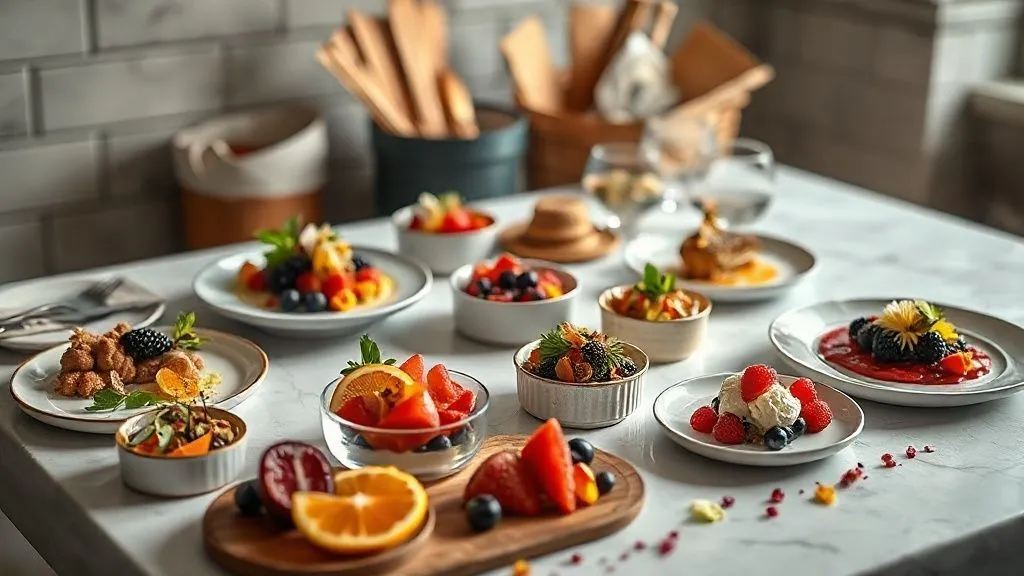
A visually stunning dessert is a symphony of colors, textures, and thoughtful garnishes. Pay attention to the color palette of your dessert. Does it have contrasting colors that pop, or a harmonious blend of similar hues? Textures are equally vital: a successful dessert often combines creamy, crunchy, smooth, and chewy elements in a single bite.
Garnishes should never be an afterthought. They should add flavor, texture, or a complementary visual element. A perfectly placed microgreen, a delicate edible flower, a dusting of vibrant powder, or a swirl of sauce can elevate a dessert from good to extraordinary. Each element on the plate should have a purpose, contributing to the overall narrative and experience of the dish. This meticulous attention to detail is a hallmark of truly inspiring dessert creations.

Sustainability and Ethical Sourcing: A Modern Dessert Imperative
In today's culinary landscape, diners are increasingly conscious not just about what they eat, but also where it comes from and its impact. Integrating sustainability and ethical sourcing into your dessert program isn't just a trend; it's a responsibility and a powerful differentiator for your restaurant.
Reducing Food Waste in Pastry
The pastry kitchen can be a significant source of food waste, from fruit trimmings to leftover egg whites. An innovative dessert menu actively seeks to minimize this. Can fruit peels be candied or infused into syrups? Can stale bread be transformed into a dessert 'soil' or bread pudding? Can egg whites be used for meringues or foams?
Embracing a 'root-to-stem' or 'nose-to-tail' philosophy for ingredients, even in pastry, not only reduces waste but also sparks creativity, challenging chefs to find delicious uses for every part of an ingredient. This commitment resonates with environmentally conscious diners and can be a compelling story to tell.
Highlighting Ethical Ingredient Stories
Source your chocolate from ethical, bean-to-bar producers. Use fair-trade coffee and spices. Opt for dairy and eggs from farms committed to animal welfare. When you make these choices, don't keep them a secret. Highlight these stories on your menu, with your servers, and on your website.
Diners are willing to pay a premium for desserts that align with their values. Knowing that their indulgence supports responsible practices adds another layer of enjoyment to the experience. This transparency builds trust and strengthens your brand's reputation, making your unique dessert creations even more meaningful. Learn more about the importance of sustainable practices in the food industry from organizations like the World Economic Forum.
| Sustainable Practice | Example in Desserts | Benefit |
|---|---|---|
| Ingredient Upcycling | Fruit peel confit, bread pudding from stale brioche | Reduces waste, creates unique flavors |
| Local & Seasonal Sourcing | Berry tarts in summer, apple crumbles in fall | Supports local economy, ensures freshness, lower carbon footprint |
| Ethical Sourcing (Chocolate/Coffee) | Fair-trade cocoa mousse, single-origin coffee granita | Supports fair labor, enhances flavor profile |
| Portion Control & Recipe Optimization | Smaller, richer portions; precise ingredient usage | Minimizes plate waste, cost efficiency |
Marketing Your Transformed Dessert Menu
Creating unique desserts is only half the battle; the other half is ensuring your diners know about them and are enticed to order. A brilliant dessert menu, if not properly communicated, is a missed opportunity.
Storytelling Through Your Desserts
Each unique dessert creation should have a story. Was it inspired by a chef's travels? Does it feature a rare, local ingredient with a fascinating origin? Is there a special technique involved in its preparation? Share these stories on your menu, through your servers, and on your social media channels.
Instead of just listing ingredients, use descriptive language that evokes emotion and curiosity. "Our 'Forest Floor' dessert, inspired by foraging for wild mushrooms in the Pacific Northwest, features a delicate pine needle ice cream, earthy chocolate mousse, and a crunchy moss made from matcha and pistachio." This isn't just a dessert; it's an experience waiting to be discovered.
Engaging Staff as Ambassadors
Your front-of-house staff are your most potent marketing tool. Ensure they are intimately familiar with every new dessert. Conduct regular tasting sessions, explain the inspiration behind each dish, and teach them the key flavor profiles and textures. Empower them with compelling stories to share with guests.
When servers are confident and enthusiastic about the desserts, their genuine excitement is contagious and directly translates into higher dessert sales. A well-informed and passionate server can turn a hesitant diner into an eager one, making the dessert course a celebrated part of the meal.
Frequently Asked Questions (FAQ)
Question? How often should a restaurant refresh its dessert menu to avoid stagnation?
While there's no single magic number, I recommend a significant refresh or introduction of at least 2-3 new, innovative desserts every season (quarterly). This keeps the menu dynamic and responsive to seasonal ingredients. However, a complete overhaul might only be necessary annually or biannually, depending on your restaurant's concept and customer base. The key is continuous evolution, not just periodic revolution.
Question? What's the biggest mistake chefs make when trying to innovate their dessert menu?
In my experience, the biggest mistake is innovating in a vacuum, without considering the restaurant's identity or target audience. Creativity must be grounded in context. A wildly avant-garde dessert might not fit a traditional bistro, and vice-versa. Also, neglecting cost and consistency in favor of novelty can quickly derail efforts. Innovation should always enhance, not detract from, the overall dining experience and operational efficiency.
Question? How can a smaller restaurant with limited resources still create unique desserts?
Smaller restaurants often have an advantage in agility! Focus on hyper-seasonal ingredients to keep offerings fresh. Master 2-3 versatile base components (e.g., a perfect pastry cream, a stable ganache) and then innovate with seasonal fruit purees, unique garnishes, or infused syrups. Collaborate with local artisans for special components like unique ice creams or specialty chocolates. Simplicity, executed flawlessly with a creative twist, can be incredibly impactful.
Question? Should we completely remove old, popular desserts, or try to reinvent them?
It's a delicate balance. If a dessert is truly iconic and still sells exceptionally well, consider keeping it as a 'classic' but perhaps offer a seasonal variation or a 'deconstructed' special alongside it. For those that are merely 'okay' sellers and contributing to menu fatigue, a complete reinvention or replacement is often best. Use sales data and customer feedback to inform this decision. Don't be afraid to let go of the past if it's holding your future back.
Question? How important is texture in a unique dessert creation?
Texture is paramount – I'd argue it's often as important, if not more so, than flavor for a memorable dessert experience. A truly unique dessert engages multiple textures: creamy, crunchy, chewy, airy, smooth. A lack of textural contrast can make even the most flavorful dessert feel one-dimensional and unexciting. Thoughtful layering of textures adds depth, complexity, and an element of surprise that keeps diners engaged from the first bite to the last.
Key Takeaways and Final Thoughts
Transforming a stale restaurant dessert menu isn't an overnight task; it's a journey of continuous creativity, strategic thinking, and a deep understanding of your craft and your customers. By embracing the strategies I've outlined, you're not just changing a menu item; you're reigniting the passion in your kitchen and delivering unforgettable experiences to your guests.
- Embrace Deconstruction: Break down classics to rebuild them anew, exploring unconventional flavor pairings.
- Look Globally, Act Locally: Draw inspiration from international cuisines while celebrating seasonal, local produce.
- Foster Collaboration: Create a culture of experimentation and continuous learning within your team.
- Leverage Data: Use sales analytics and customer feedback to guide your creative decisions and A/B test new ideas.
- Master Presentation: Elevate desserts with architectural plating, thoughtful colors, and harmonious textures.
- Prioritize Sustainability: Integrate ethical sourcing and waste reduction for meaningful, modern offerings.
- Market with Storytelling: Engage your staff and tell compelling stories about your unique dessert creations.
Remember, desserts are often the last impression a diner has of your restaurant. Make it count. Inspire your team, challenge conventions, and create sweet finales that not only delight the palate but also tell a story, spark conversation, and ultimately, drive your business forward. The journey to a truly unique and inspiring dessert menu begins today.
Recommended Reading
- 7 Crucial Steps: Prevent Botulism in Vacuum-Sealed Low-Acid Foods Safely
- 7 Strategies: How to Maintain a Balanced Diet with Unpredictable Work Schedules?
- Mastering Cookie Control: How to Prevent Excessive Data Spreading
- Vegan Kitchens: 7 Strategies to Eliminate Dairy Cross-Contamination
- Kahm Yeast Crisis? 7 Steps to Rescue Your Large Kombucha Batch

0 Comentários: