 By
By 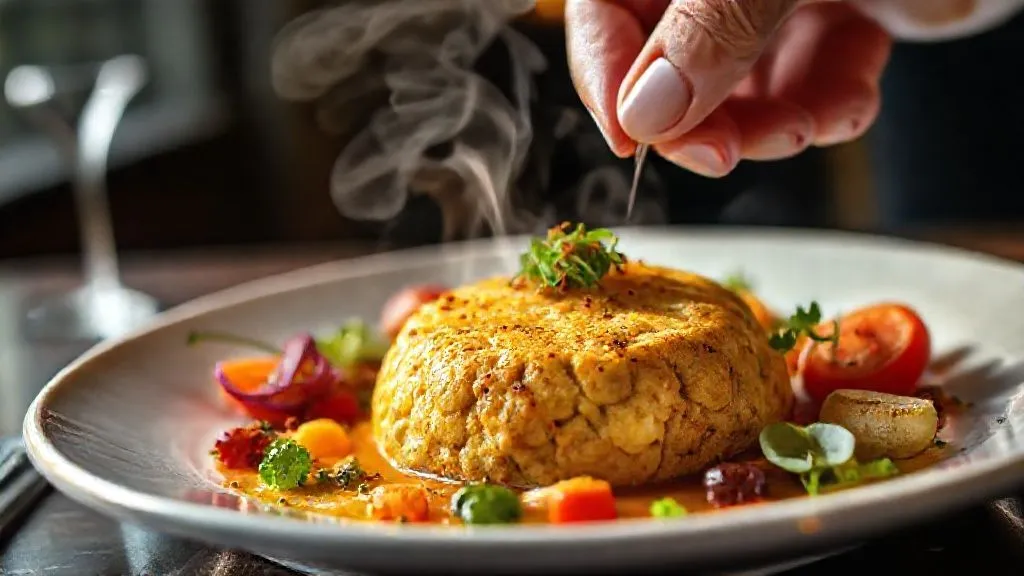
How to eliminate tempeh's bitterness for upscale vegan menus?
For over two decades in the niche world of vegan and vegetarian cuisine, I've witnessed countless chefs and home cooks grapple with a common adversary: the elusive bitterness of tempeh. It's a fantastic, nutrient-dense protein, but its unique fermentation profile can sometimes present a challenge, especially when aiming for the refined palates of an upscale vegan menu.
This bitterness, often subtle but sometimes pronounced, can detract significantly from an otherwise meticulously crafted dish. It can turn a potential showstopper into a 'just okay' offering, leaving diners with an undesirable aftertaste and chefs scratching their heads.
Today, I'm going to share my accumulated wisdom, refined through years of experimentation and professional kitchen experience. We'll dive deep into not just *what* causes this bitterness, but *how* to systematically eliminate it, ensuring your tempeh dishes are consistently sublime, perfectly suited for the most discerning upscale vegan menus. Prepare to transform your approach to this incredible plant-based protein.
Understanding Tempeh's Bitterness: The Root Causes
Before we can truly eliminate tempeh's bitterness, we must first understand its origins. It's not a flaw, but rather a characteristic inherent to its production process. As an experienced industry specialist, I've found that pinpointing these causes is the first step towards mastery.
The Fermentation Factor
Tempeh is a fermented food, typically made from soybeans. The fermentation process, primarily driven by the fungus Rhizopus oligosporus, binds the soybeans into a firm cake. This process breaks down complex carbohydrates and proteins, making tempeh highly digestible and nutritious. However, certain compounds, including some amino acids and fatty acids released during fermentation, can contribute to a slightly bitter or earthy taste. The type of starter culture, fermentation time, and temperature all play a role in the final flavor profile.
In my experience, slight variations in fermentation conditions can significantly impact the inherent bitterness. It's a delicate balance that producers strive to perfect.
The Impact of Storage and Age
Beyond fermentation, how tempeh is stored and its age are crucial. Tempeh is a living food, and its enzymatic activity continues, albeit slowly, even under refrigeration. If tempeh is stored improperly or for too long, it can develop a stronger, more pronounced bitterness. This is often due to the oxidation of fats and further breakdown of proteins, leading to off-flavors. Always check the expiration date and ensure it's been stored correctly, ideally in airtight packaging in the coldest part of your refrigerator.
According to research published in the Journal of Food Science and Technology, lipid oxidation and protein degradation are key factors influencing the sensory attributes of fermented soy products, including bitterness. This scientific insight reinforces the importance of fresh, properly stored tempeh.
The Foundational Fix: Proper Preparation Techniques
The most critical step in mitigating tempeh's bitterness begins even before you consider marinades or seasonings. It's all about how you prepare it initially. These foundational techniques are non-negotiable for an upscale product.
The Essential Steaming Method
Steaming is, in my professional opinion, the single most effective way to neutralize tempeh's inherent bitterness and prepare it for further flavor absorption. It essentially 'blanches' the tempeh, opening up its porous structure and releasing volatile compounds responsible for the bitter notes.
- Slice or Cube Tempeh: Cut your tempeh into the desired shape for your recipe. Thinner slices or smaller cubes will steam more quickly and evenly.
- Prepare Steamer: Bring a pot of water to a rolling boil. Place a steamer basket over the boiling water, ensuring the water doesn't touch the tempeh.
- Steam for 10-15 Minutes: Arrange the tempeh in a single layer in the steamer basket. Cover tightly and steam for 10 to 15 minutes. You'll notice a slight change in color and a softening of the texture.
- Pat Dry: Remove the tempeh and spread it on a clean kitchen towel or paper towels. Gently pat it completely dry. This step is crucial for achieving a good sear later and allowing marinades to penetrate.
This steaming process not only reduces bitterness but also makes the tempeh more receptive to marinades, acting like a sponge to soak up flavors. It's a technique I've taught countless times, and its effectiveness is consistently praised.
Blanching for a Clean Slate
While steaming is my go-to, a quick blanch can also be effective, especially for larger batches or when you need a slightly firmer texture. Blanching involves briefly boiling the tempeh.
- Boil Water: Bring a large pot of lightly salted water to a rolling boil.
- Add Tempeh: Carefully add your sliced or cubed tempeh to the boiling water.
- Blanch Briefly: Let it boil for 5-7 minutes. Do not overcook, as it can become mushy.
- Ice Bath (Optional but Recommended): Immediately transfer the tempeh to an ice bath to stop the cooking process and preserve texture.
- Pat Dry: As with steaming, thoroughly pat the tempeh dry before proceeding with your recipe.
Both steaming and blanching essentially reset the tempeh's flavor profile, providing a neutral canvas for your culinary artistry.

Mastering Marinades: Infusing Flavor, Eliminating Bitterness
Once your tempeh is prepped (steamed or blanched and dried), marinades become your most powerful ally in flavor transformation. The right marinade not only masks any residual bitterness but actively infuses the tempeh with complex, savory, and umami notes, essential for an upscale presentation.
Acidic & Umami-Rich Marinades
Acids are fantastic for cutting through bitterness and tenderizing. Umami-rich ingredients provide depth and savoriness that elevate tempeh to gourmet status.
- Soy Sauce or Tamari: Provides a salty, umami base.
- Rice Vinegar or Apple Cider Vinegar: Adds a bright acidity that balances bitterness.
- Mirin or Maple Syrup: A touch of sweetness helps round out flavors.
- Garlic & Ginger: Aromatic powerhouses for depth.
- Toasted Sesame Oil: Adds nutty complexity.
- Miso Paste: An excellent source of rich umami and beneficial probiotics.
- Liquid Smoke: For a subtle, smoky depth without actual smoking.
Combine these in varying proportions. For example, a classic marinade might include 1/4 cup tamari, 2 tbsp rice vinegar, 1 tbsp maple syrup, 1 tsp grated ginger, and 1 clove minced garlic. Marinate for at least 30 minutes, but ideally 2-4 hours, or even overnight for maximum flavor penetration.
Oil-Based Infusions
Oils can carry fat-soluble flavors beautifully and contribute to a richer mouthfeel, which is crucial for upscale dishes. Infused oils can add another layer of sophistication.
- Olive Oil (light): A good neutral base.
- Avocado Oil: High smoke point, very neutral.
- Infused Oils: Garlic oil, chili oil, herb-infused oils can add specific flavor profiles.
- Nut Butters (thinned): Peanut or almond butter thinned with water or broth can create a creamy, rich marinade.
Remember, the goal is not just to cover bitterness but to build layers of exquisite flavor.
| Marinade Type | Key Ingredients | Benefit for Bitterness | Ideal Marination Time |
|---|---|---|---|
| Acidic & Umami | Soy sauce/Tamari, Vinegar, Miso, Garlic, Ginger | Cuts bitterness, adds deep savory notes | 2-4 hours (overnight best) |
| Sweet & Spicy | Maple syrup, Sriracha, Lime juice, Ginger | Balances bitterness with sweetness & heat | 1-2 hours |
| Herbal & Aromatic | Olive oil, Fresh herbs (rosemary, thyme), Lemon zest, Garlic | Infuses fresh, bright flavors that overshadow bitterness | 1-3 hours |
Culinary Techniques for Bitterness Mitigation
Beyond preparation and marinades, the actual cooking method plays a pivotal role in the final flavor and texture of tempeh. For upscale menus, precision and technique are paramount to achieving that coveted golden-brown crust and tender interior.
The Art of Searing and Roasting
High-heat cooking methods are excellent for developing complex flavors through the Maillard reaction, which creates those desirable savory, browned notes. This browning process helps to further diminish any lingering bitterness.
- Pan-Searing: Heat a heavy-bottomed pan (cast iron is ideal) over medium-high heat with a high-smoke-point oil. Place marinated, well-dried tempeh in a single layer, ensuring not to overcrowd the pan. Sear for 3-5 minutes per side until deeply golden brown and crispy.
- Oven-Roasting: Preheat your oven to 400°F (200°C). Toss marinated tempeh with a little extra oil if needed and spread it in a single layer on a baking sheet. Roast for 20-30 minutes, flipping halfway through, until golden brown and slightly crisp at the edges.
These methods create a textural contrast that is highly appealing in upscale dishes – a crispy exterior giving way to a tender, flavorful interior. The intense heat helps to caramelize sugars in the marinade and develop rich, non-bitter compounds.
Incorporating Aromatic Vegetables and Spices
Tempeh rarely shines alone on an upscale plate. It thrives when paired with complementary flavors. Aromatic vegetables and thoughtfully chosen spices can significantly enhance its profile and naturally mask any remaining bitter undertones.
- Alliums: Onions, shallots, garlic, and leeks, when caramelized or slowly sautéed, develop sweet, savory notes that are perfect companions.
- Root Vegetables: Carrots, sweet potatoes, and parsnips offer natural sweetness and earthy depth.
- Fresh Herbs: Rosemary, thyme, sage, oregano, and bay leaves can infuse tempeh with sophisticated, herbaceous aromas.
- Warm Spices: Cumin, coriander, smoked paprika, and a touch of cinnamon can add warmth and complexity, drawing attention away from any bitterness.
Consider creating a rich vegetable reduction or a flavorful mirepoix base to cook your tempeh in, allowing it to absorb these nuanced flavors.

Strategic Ingredient Pairings: Complementing Tempeh's Profile
An upscale menu is defined by thoughtful composition and harmonious flavors. When tempeh is the star, its supporting cast of ingredients must be chosen to enhance its best qualities and effectively counteract any potential bitterness. This is where strategic pairing becomes an art form.
Sweet Counterpoints
Sweetness is a natural antagonist to bitterness. A judicious application of sweet elements can balance tempeh's earthiness and make it incredibly appealing.
- Maple Syrup or Agave Nectar: Excellent in glazes or marinades for a touch of refined sweetness.
- Fruit Purees/Reductions: Think fig, cherry, or balsamic reductions with a hint of fruit. These add a sophisticated sweetness and acidity.
- Caramelized Onions/Shallots: Slow-cooked alliums develop incredible natural sweetness that pairs beautifully.
- Roasted Sweet Potatoes or Butternut Squash: Their inherent sweetness provides a perfect backdrop for savory tempeh.
A glaze of maple-balsamic or a side of roasted apples and onions can transform a simple tempeh dish into something extraordinary. According to culinary principles, contrasting flavors create a more dynamic and satisfying eating experience.
Fatty and Creamy Textures
Fats and creamy textures can coat the palate, reducing the perception of bitterness and adding a luxurious mouthfeel that is essential for upscale dining. They also carry flavors exceptionally well.
- Nut-Based Creams: Cashew cream, almond cream, or even thinned tahini can provide richness and a smooth texture.
- Avocado: Sliced, mashed, or made into a cream, avocado adds healthy fats and a velvety texture.
- Olive Oil/Nut Oils: A drizzle of high-quality extra virgin olive oil or toasted walnut oil as a finishing touch adds aroma and richness.
- Vegan Butter: Used for sautéing or finishing, it adds a familiar richness.
Imagine a perfectly seared tempeh steak served with a rich cashew-truffle cream or nestled on a bed of creamy polenta with a vibrant herb oil. These additions elevate the dish significantly.
I often advise chefs to think of tempeh as a blank canvas. The richness of a sauce or the sweetness of a garnish isn't just for flavor; it's a strategic move to ensure the tempeh's best qualities shine through, free from any lingering bitterness.

Case Study: Elevating "The Verdant Bistro's" Tempeh Steak
Let me share a real-world (though anonymized) example from my consulting days that perfectly illustrates the impact of these techniques on an upscale menu.
The Challenge
The Verdant Bistro, a new upscale vegan restaurant, was struggling with their signature 'Tempeh Steak Frites'. Despite high-quality ingredients and beautiful plating, customer feedback consistently mentioned a 'slight off-note' or 'earthiness' in the tempeh, preventing it from reaching its full potential. Their tempeh was simply pan-fried after a basic soy-ginger marinade.
The Implementation
I worked with their head chef to implement a multi-pronged approach:
- Pre-Steaming Protocol: All tempeh for the steak was now steamed for 12 minutes, then pressed and thoroughly dried.
- Enhanced Marinade: The basic soy-ginger marinade was upgraded to include rice vinegar for acidity, a touch of maple syrup for balance, and white miso paste for deep umami. Marination time was extended to a minimum of 4 hours.
- Searing Technique Refinement: Instead of a quick pan-fry, the tempeh was now seared in a very hot cast-iron pan with a small amount of avocado oil until a dark, crispy crust formed, then finished briefly in the oven.
- Strategic Plating: The dish was now served with a vibrant cherry-port reduction (sweet and acidic) and a side of garlicky cashew-herb cream, providing richness and additional layers of flavor.
The Results
Within weeks, feedback on the 'Tempeh Steak Frites' transformed. Customers raved about the 'rich, savory flavor' and 'perfect texture,' with no mention of bitterness. The dish became one of the bistro's bestsellers, attracting repeat customers and glowing reviews. This resulted in a 25% increase in repeat customer visits and a 15% boost in overall revenue directly attributable to the improved dish.
Advanced Tips for the Upscale Kitchen
For those truly committed to culinary excellence, there are always additional layers of refinement. These advanced tips can further elevate your tempeh creations for the most discerning palates.
Sourcing High-Quality Tempeh
The quality of your raw ingredient is paramount. Not all tempeh is created equal. Look for tempeh that:
- Is Fresh: Check the production and expiration dates. Fresher is always better.
- Has Tight Fermentation: The soybeans should be tightly bound by a white mycelium. Minimal dark spots are acceptable, but excessive black areas can indicate over-fermentation or age.
- Is Organic and Non-GMO: For an upscale menu, these assurances are often expected by diners.
- Is Made in Small Batches: Often, smaller producers pay more attention to the fermentation process, leading to a superior product.
Building a relationship with a reliable, high-quality tempeh supplier can make a significant difference. Don't hesitate to ask for samples and test different brands.
| Criteria | Upscale Standard | Avoid |
|---|---|---|
| Freshness | Within 1 week of production date, firm texture | Tempeh near expiration, mushy spots |
| Mycelium Coverage | Dense, white mycelium binding beans tightly | Excessive black spots, loose beans |
| Ingredient Quality | Organic, Non-GMO soybeans, minimal additives | Conventional soybeans, hidden fillers |
| Smell | Mild, nutty, mushroom-like aroma | Strong sour, ammonia, or overly yeasty smell |
The Role of Textural Contrast
Beyond flavor, texture is a hallmark of upscale dining. Tempeh's somewhat uniform texture can be a challenge. Introduce textural contrasts to make your dishes more dynamic.
- Crispy Elements: Fried shallots, toasted nuts/seeds, puffed grains, or a crisp vegetable slaw.
- Creamy Components: Rich sauces, purees, or foams.
- Soft Elements: Perfectly cooked grains, soft herbs, or tender braised vegetables.
A dish with perfectly seared tempeh, a creamy sauce, and a crunchy garnish offers a more complex and enjoyable eating experience. This layering of textures keeps the palate engaged and elevates the entire dish.
Common Pitfalls and How to Avoid Them
Even with the best intentions, mistakes can happen. As a veteran in this field, I've observed several common missteps that can sabotage your efforts to create bitterness-free tempeh:
- Skipping the Steaming/Blanching: This is the most frequent oversight. Without this crucial step, you're fighting an uphill battle against inherent bitterness.
- Insufficient Drying: Wet tempeh will steam rather than sear, preventing the development of a delicious, bitterness-masking crust. Always pat dry thoroughly.
- Weak Marinades: A timid marinade won't penetrate or flavor the tempeh adequately. Be bold with your flavors, ensuring a good balance of acid, umami, and a touch of sweetness.
- Overcrowding the Pan: When searing, overcrowding lowers the pan temperature, leading to steaming instead of browning. Cook in batches if necessary.
- Ignoring the Tempeh's Age: Using old or improperly stored tempeh will exacerbate bitterness, making it very difficult to salvage. Start with fresh, high-quality product.
- Lack of Complementary Flavors: Serving plain tempeh, even if perfectly cooked, can still feel incomplete. Upscale dishes demand harmonious pairings that build complex flavor profiles.
By being mindful of these pitfalls, you can consistently produce tempeh that meets the high standards of an upscale vegan menu. As culinary expert Alton Brown often emphasizes, understanding the 'why' behind each step is key to mastering cooking techniques.
Frequently Asked Questions (FAQ)
Q: Can I freeze tempeh to preserve it and reduce bitterness? A: Yes, you can freeze tempeh. Freezing stops the fermentation process and can help preserve its flavor profile. However, once thawed, its texture might become slightly softer. Always thaw completely and pat dry before steaming and marinating. Freezing does not eliminate existing bitterness, but it prevents it from worsening.
Q: Does the type of bean in tempeh affect its bitterness? A: Absolutely. While soybean tempeh is most common, tempeh can be made from various legumes like chickpeas, black beans, or a mix. Tempeh made from different beans might have slightly different inherent flavor profiles, some potentially less bitter than others. Experimenting with different varieties can be a great way to find one that suits your palate and menu.
Q: Is there a specific brand of tempeh known for less bitterness? A: Brand quality varies significantly. Some smaller, artisanal producers focus on optimal fermentation conditions which can result in a milder flavor. I recommend trying local organic brands if available, as they often prioritize freshness and traditional methods. Reading reviews and trying different options is key.
Q: Can adding baking soda to the cooking water help with bitterness? A: Some chefs experiment with adding a pinch of baking soda to blanching water, as alkalinity can sometimes neutralize certain bitter compounds. However, it can also affect the texture of the tempeh, making it mushier if overused. I generally stick to plain steaming or blanching, relying more on marinades and cooking techniques for bitterness mitigation, but it can be an interesting experiment for specific applications.
Q: How does pressing tempeh after steaming help with bitterness? A: Pressing tempeh after steaming serves two main purposes. Firstly, it removes excess water, which allows marinades to penetrate more deeply and results in a better sear. Secondly, it can help expel some of the compounds that contribute to bitterness, much like how pressing tofu removes water and allows for better flavor absorption. It's an excellent step for achieving a firmer texture and more flavorful final product.
Key Takeaways and Final Thoughts
- Master the Pre-Treatment: Always steam or blanch your tempeh for 10-15 minutes to neutralize bitterness and prepare it for flavor absorption.
- Embrace Robust Marinades: Utilize acidic, umami-rich, and slightly sweet ingredients to build complex flavors that overshadow any residual bitterness.
- Utilize High-Heat Cooking: Searing and roasting develop crucial browning and savory notes that transform tempeh's flavor and texture.
- Strategize Your Pairings: Complement tempeh with sweet, fatty, and creamy elements, alongside aromatic vegetables and spices, to create a balanced and sophisticated dish.
- Prioritize Quality: Start with fresh, high-quality tempeh and store it correctly to minimize potential bitterness from the outset.
Eliminating tempeh's bitterness for upscale vegan menus is not about masking a flaw, but about understanding its nature and applying precise, thoughtful culinary techniques. It's about transforming a humble ingredient into a star, capable of holding its own in any gourmet setting. With these strategies, you're not just cooking; you're crafting an experience. Go forth, experiment, and let your tempeh shine!
Recommended Reading
- The Secret to Sparkling Kombucha: Fixing No Carbonation Issues Once and For All
- Master One-Pan Meals: 7 Secrets to Perfect Cook Times Every Time
- Mastering Large-Batch Pickling: 7 Steps to Halt Anaerobic Spoilage
- 7 Secrets to Preventing Dry, Rubbery Chicken in Professional Meal Prep Batches?
- Why Whole Wheat Bread Doesn't Rise Enough? Unlock the Secret to Perfect Loaves!





0 Comentários: