 By
By 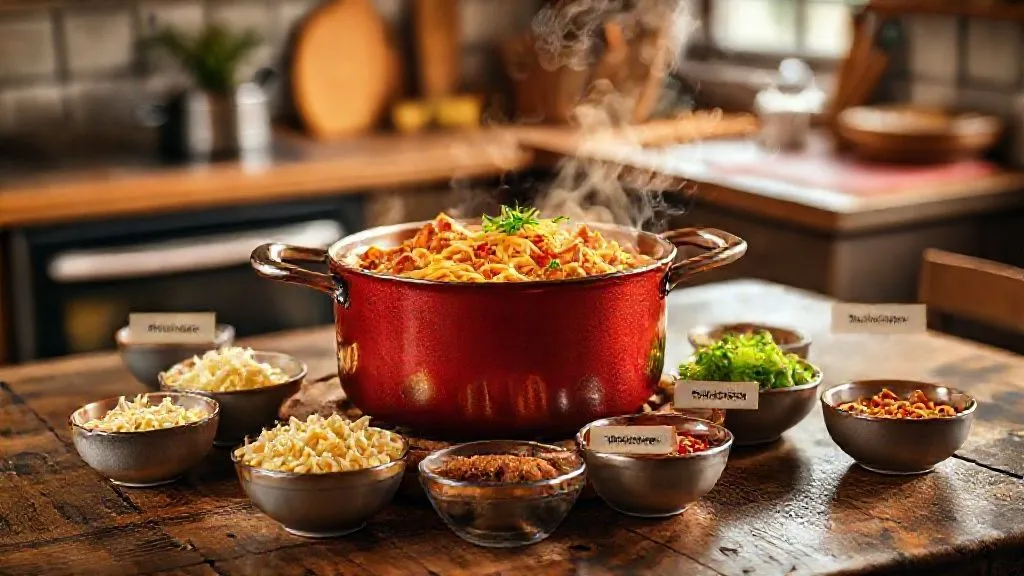
How to Adapt One-Pot Weeknight Meals for Multiple Dietary Needs?
For over two decades in the culinary world, specializing in family-friendly, efficient cooking, I've heard the same sigh of exasperation from countless home cooks. The dream of a simple, delicious one-pot meal often clashes with the reality of diverse dietary requirements at the dinner table. It’s a common scenario: one family member is gluten-free, another is dairy-free, a third is vegetarian, and a fourth just doesn't like mushrooms. Suddenly, your 'one-pot wonder' feels like a culinary nightmare.
This isn't just about picky eaters; it's about genuine health needs, ethical choices, and personal preferences that deserve respect. The challenge lies in creating a single, cohesive meal that satisfies everyone without resorting to cooking multiple separate dishes, which defeats the very purpose of a one-pot meal. The stress of accommodating everyone can turn weeknight dinners into a dreaded chore rather than a moment of connection.
But what if I told you there's a smarter way? As an experienced industry specialist in one-pot meals, I've developed and refined strategies that allow you to master how to adapt one-pot weeknight meals for multiple dietary needs, transforming mealtime from a logistical puzzle into a joyful, inclusive experience. This article will provide you with actionable frameworks, expert insights, and real-world strategies to make your kitchen a hub of delicious, adaptable meals for every palate.
Understanding the Core Challenge: The Dinner Dilemma
The allure of one-pot meals is undeniable: minimal cleanup, condensed flavors, and often a simpler cooking process. They promise a return to a less complicated way of eating, a balm for busy weeknights. However, the modern dinner table is rarely a uniform landscape. We live in an era where dietary awareness is high, and rightly so. Food allergies, intolerances, lifestyle choices like veganism or vegetarianism, and health-driven diets such as low-carb or Mediterranean, are increasingly common.
When these diverse needs converge on a single one-pot recipe, the 'one-size-fits-all' approach quickly unravels. Attempting to force a single dish to meet every requirement often results in bland compromises, unsatisfied diners, or the dreaded scenario of cooking two or three separate meals. This not only adds significant time and effort to your weeknight routine but also creates a sense of division at the table, undermining the communal spirit of a family meal.
"The greatest challenge in modern home cooking isn't just about making food taste good; it's about making it inclusive without sacrificing convenience or flavor. Compromise often feels like a loss, but true adaptation is a win for everyone."
The emotional toll of this dinner dilemma is significant. Home cooks often feel overwhelmed, frustrated, and guilty for not being able to cater perfectly to everyone. My goal, through this guide, is to alleviate that pressure and empower you with the knowledge to approach weeknight dinners with confidence and creativity.
The 'Build-Your-Own' Strategy: Deconstructed One-Pot Meals
One of the most powerful strategies I've championed for adapting one-pot meals is the 'build-your-own' approach. This method takes the core components of a one-pot meal and, instead of mixing everything together from the start, presents them separately, allowing each diner to customize their plate according to their specific needs and preferences. Think of it as a buffet-style one-pot meal.
This strategy works exceptionally well for dishes like taco bowls, pasta bars, stir-fry bases, or even loaded baked potato bars. The beauty lies in its flexibility. You prepare a versatile base, and then offer a variety of add-ins and toppings on the side. This ensures that a gluten-free family member can skip the noodles, a vegan can opt for plant-based protein, and a dairy-free individual can avoid the cheese, all while enjoying the same foundational flavors.
Implementing the Deconstruction Method
To successfully implement the build-your-own strategy, follow these actionable steps:
- Identify Core Components: Break down your desired one-pot meal into its essential elements: a base (grain, pasta, vegetable), a protein, a sauce/flavor profile, and toppings.
- Cook the Base Plain: Prepare your primary carbohydrate or vegetable base (e.g., rice, quinoa, roasted potatoes, plain pasta) with minimal seasoning. This serves as a neutral canvas.
- Prepare Adaptable Proteins: Cook one or two protein options. For instance, seasoned ground meat for omnivores, and a separate batch of seasoned lentils, chickpeas, or tofu for vegetarians/vegans.
- Offer a Versatile Sauce: Create a sauce or broth that is naturally free of common allergens (e.g., a tomato-based sauce without cream, a vegetable broth-based stir-fry sauce).
- Provide Abundant Add-Ins: This is where the magic happens. Arrange a spread of various toppings and mix-ins in small, clearly labeled bowls. Examples include: shredded cheese, dairy-free cheese alternatives, fresh herbs, chopped vegetables, nuts, seeds, different hot sauces, avocado slices, sour cream, or vegan sour cream.
- Empower Individual Choice: Let each family member assemble their bowl exactly as they like it. This fosters independence and ensures everyone feels heard and satisfied.
This method drastically reduces the stress of cooking for diverse dietary needs, making dinner a fun, interactive experience rather than a culinary tightrope walk. According to a study on family meal patterns, involving family members in meal preparation and customization can significantly increase meal satisfaction, especially among children.

Mastering Ingredient Swaps: The Art of Substitution
Beyond deconstruction, a fundamental skill for anyone wondering how to adapt one-pot weeknight meals for multiple dietary needs is mastering the art of ingredient substitution. This involves understanding the role each ingredient plays – its flavor, texture, and function – and knowing suitable alternatives that cater to specific dietary requirements without compromising the integrity of the dish.
I've spent years experimenting with different swaps, and I can tell you that almost every ingredient has a viable substitute. The key is to think broadly about categories: proteins, grains, fats, dairy, and even thickening agents. When you know which ingredients can stand in for others, your one-pot meal possibilities expand exponentially.
Common Substitutions for Dietary Needs
Here’s a quick guide to some common and effective swaps:
| Category | Original | Gluten-Free | Dairy-Free | Vegetarian/Vegan |
|---|---|---|---|---|
| Protein | Chicken Breast | Tofu, Lentils | Tofu, Lentils | Tofu, Lentils, Chickpeas |
| Grain | Wheat Pasta | Gluten-Free Pasta, Quinoa, Rice | Gluten-Free Pasta, Quinoa, Rice | Gluten-Free Pasta, Quinoa, Rice |
| Dairy | Cheddar Cheese | Cheddar Cheese (check labels) | Nutritional Yeast, Vegan Cheese | Nutritional Yeast, Vegan Cheese |
| Thickener | Wheat Flour | Cornstarch, Tapioca Flour | Cornstarch, Tapioca Flour | Cornstarch, Tapioca Flour |
- Proteins: If a recipe calls for chicken, consider swapping half or all of it with firm tofu, tempeh, or a can of drained and rinsed lentils or chickpeas for vegetarian/vegan options. Mushrooms can also provide a hearty, umami element.
- Grains: Wheat-based pasta can easily be replaced with gluten-free pasta, rice noodles, quinoa, or even spiralized vegetables like zucchini or sweet potato noodles for a lower-carb option.
- Dairy: For creamy textures, coconut milk (full-fat for richness) or a blended cashew cream can often replace dairy cream. Nutritional yeast offers a cheesy flavor profile for dairy-free needs, and there are many excellent plant-based cheeses available.
- Fats: Butter can be swapped with olive oil, coconut oil, or a plant-based butter alternative.
- Thickeners: Instead of wheat flour, use cornstarch, tapioca flour, or arrowroot powder (mixed with a small amount of cold liquid before adding to hot dishes) to thicken sauces.
When making swaps, always consider the impact on flavor and texture. A successful substitution maintains the essence of the dish while accommodating the dietary need. For more detailed guidance on specific food swaps, I often recommend resources like Food Allergy Research & Education (FARE), which provides comprehensive lists and advice.
Flavor Foundations: Crafting Inclusive Base Recipes
The secret to mastering how to adapt one-pot weeknight meals for multiple dietary needs often lies in the foundation of your flavors. Instead of trying to force a highly specific flavor profile onto everyone, aim for a neutral yet robust base that can be easily customized with individual additions. This means building deep, satisfying flavors from universally accepted ingredients before introducing elements that might be problematic for some.
My experience has taught me that the most successful adaptable one-pot meals start with aromatics and seasonings that are broadly appealing and free from common allergens. This creates a delicious canvas upon which each diner can paint their own culinary masterpiece. Avoid overly strong or polarizing spices in the base, saving those for individual servings.
Building a Neutral, Adaptable Base
Consider these components for your inclusive base:
| Component | Inclusive Choice | Notes |
|---|---|---|
| Aromatics | Onion, Garlic, Celery, Carrots | Form the foundation of flavor, generally well-tolerated. |
| Liquid Base | Vegetable Broth (low sodium) | Ensures vegan-friendliness and broad appeal. Check for allergens. |
| Fats | Olive Oil, Coconut Oil | Versatile, plant-based options for sautéing and building flavor. |
| Seasoning | Salt, Black Pepper, Dried Herbs (e.g., Oregano, Thyme) | Basic, universally liked seasonings. Add heat/spices individually. |
- Aromatics: Begin with a generous sauté of finely chopped onions, garlic, celery, and carrots. These vegetables provide a sweet, savory depth that forms the backbone of countless cuisines and are generally well-tolerated across various diets.
- Liquid Base: Opt for a high-quality vegetable broth as your primary liquid. This ensures that your base remains suitable for vegetarian and vegan diets. Always check labels to ensure it's free from any hidden allergens or animal products if catering to strict dietary needs.
- Universal Seasonings: Stick to simple, robust seasonings like salt, freshly ground black pepper, and dried herbs such as oregano, thyme, or bay leaves. These flavors are classic and provide a comforting, familiar taste without being overwhelming.
- Tomato Products: Canned diced tomatoes, crushed tomatoes, or tomato paste can add wonderful body and acidity to many dishes and are generally safe for most diets.
"Think of your base as the rhythm section of a band. It needs to be solid, dependable, and universally appealing, allowing individual instruments (the add-ins) to shine without clashing."
By focusing on a robust yet neutral flavor foundation, you create a versatile starting point that can evolve into many different meals with just a few tailored additions. This approach minimizes the need for drastic last-minute alterations and ensures everyone starts with a delicious, safe base.
Smart Portioning and Add-Ins: Personalizing Plates
Once you have your adaptable base and have considered ingredient swaps, the next crucial step in learning how to adapt one-pot weeknight meals for multiple dietary needs is to master smart portioning and individual add-ins. This strategy allows for the final customization of a meal *after* the main cooking process, ensuring that specific dietary needs are met without altering the entire batch.
I often tell my clients that the last five minutes of cooking, or even the moment of serving, are your most powerful opportunities for personalization. This is where you can truly tailor each plate to individual tastes and restrictions, making everyone feel special and catered to, rather than an afterthought.
The Power of the Last 5 Minutes
Consider these techniques for personalizing plates:
- Separate Cooking for Specific Components: If you have a family member who needs gluten-free pasta, cook a small batch separately and add it to their portion of the main sauce just before serving. Similarly, a quick pan-fry of tofu can be done alongside a simmering chili for a vegan option.
- Individual Dairy Additions: If your main dish calls for cheese or cream, keep it out of the main pot. Instead, offer shredded cheese, dairy-free cheese, sour cream, or vegan sour cream as toppings that each person can add to their own bowl.
- Spice and Heat Control: Cook the main dish with mild seasoning. Provide chili flakes, hot sauce, or fresh chopped chilies on the side for those who prefer more heat.
- Fresh Herb Finish: Fresh herbs like cilantro, parsley, or basil can dramatically alter a dish's flavor profile. Offer a variety so individuals can choose their preferred garnish.
- Protein Boosters: Beyond the main protein, have quick add-ins like toasted nuts, seeds, or a dollop of Greek yogurt (or a plant-based alternative) available for those who want extra protein or texture.
- Vegetable Variety: If someone dislikes a particular vegetable in the main pot, ensure other cooked or fresh vegetable options are available as a side or topping.
This approach transforms a single meal into a personalized culinary adventure for each diner. It's about respecting individual choices and ensuring that everyone enjoys their food. As an expert, I've seen this simple shift significantly reduce mealtime arguments and increase overall family satisfaction. It's a cornerstone of truly inclusive cooking.

Strategic Meal Prep: Planning for Diverse Dietary Needs
In my years of helping busy families streamline their cooking, I've consistently found that strategic meal prep is the unsung hero when it comes to successfully adapting one-pot weeknight meals for multiple dietary needs. It's not just about cooking a big batch of one thing; it's about preparing components that can be mixed and matched throughout the week to create varied, diet-specific meals from a common foundation.
The goal of strategic meal prep isn't to make cooking more complicated on your prep day, but to make your weeknights significantly simpler. By dedicating a few hours to thoughtful preparation, you set yourself up for success, ensuring that accommodating different diets becomes a seamless part of your routine rather than a last-minute scramble.
Prepping Components, Not Just Meals
Here’s how to integrate strategic meal prep into your routine:
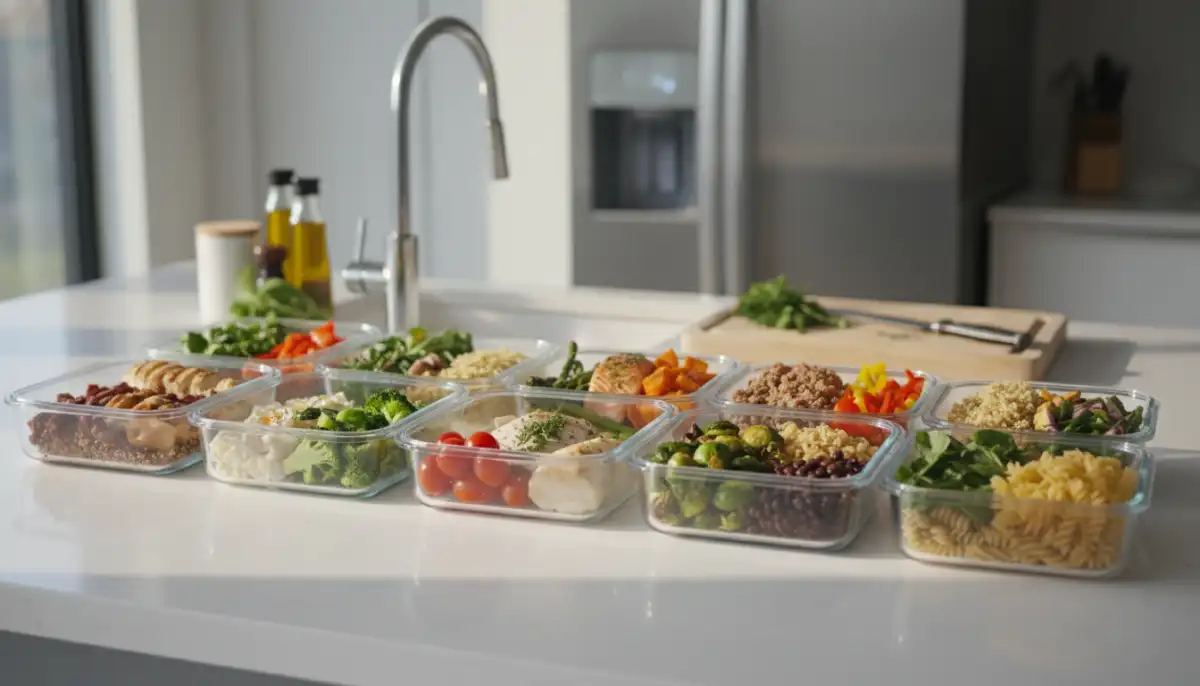
- Batch Cook Grains: Prepare large quantities of versatile grains like brown rice, quinoa, or even roasted sweet potatoes. These can serve as a base for many one-pot style meals and are naturally gluten-free. Store them in separate, airtight containers.
- Chop and Store Vegetables: Wash, chop, and store a variety of vegetables. Keep them separate, especially if certain family members have strong dislikes or allergies. For example, bell peppers for some, zucchini for others. These can be quickly added to a base sauce or stir-fry.
- Prepare Versatile Proteins: Cook a batch of plain shredded chicken or ground meat. Simultaneously, prepare a batch of seasoned lentils, chickpeas, or baked tofu. These can be added to individual portions of a one-pot meal base as needed.
- Make Base Sauces: Prepare a large batch of a neutral, adaptable sauce, such as a basic marinara (without cheese or cream), or a simple stir-fry sauce. Store it in portions. This sauce can then be customized with individual additions later.
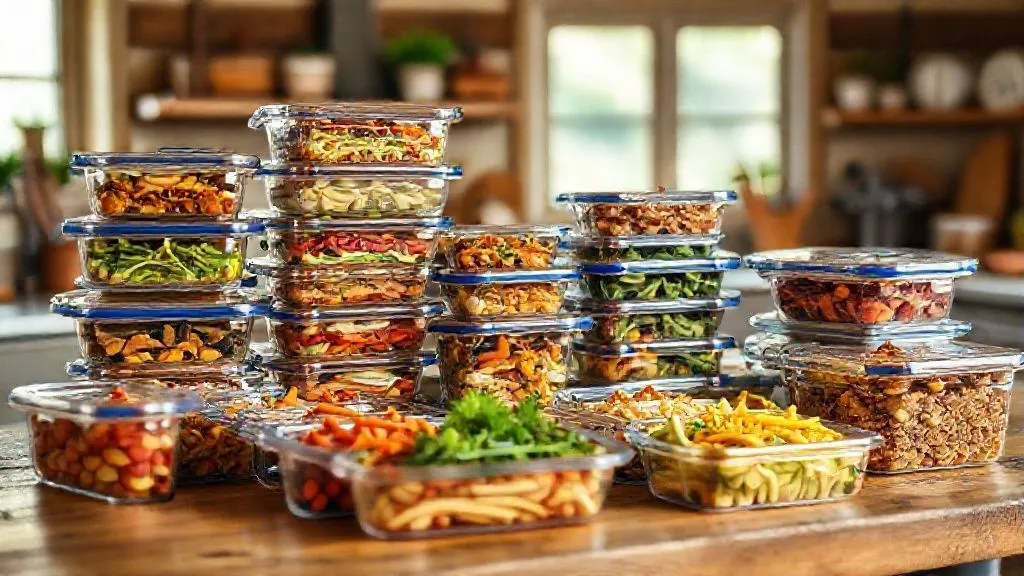
- Pre-Portion Add-Ins: Pre-chop herbs, grate cheese (and dairy-free alternatives), or prepare other toppings like toasted seeds. Store them in small containers.
- Label Clearly: Always label your prepped components with their contents and the date. This helps with organization and ensures you're grabbing the right ingredients for specific dietary needs.
This method ensures that when Tuesday night rolls around, and you're wondering how to adapt your one-pot chili for a vegan and a low-carb eater, you already have cooked quinoa, seasoned lentils, and lettuce wraps ready. It's about proactive planning that pays dividends in time and stress reduction.
Navigating Common Dietary Restrictions: Practical Examples
To truly master how to adapt one-pot weeknight meals for multiple dietary needs, it's essential to understand the nuances of common dietary restrictions. Each restriction comes with its own set of challenges and, more importantly, its own set of solutions. My goal is to provide you with practical, real-world examples that you can immediately apply in your kitchen.
I've worked with countless families dealing with everything from severe allergies to specific lifestyle choices. The key is never to view these restrictions as limitations, but as creative opportunities to explore new ingredients and cooking methods. With a little knowledge and foresight, you can ensure everyone enjoys a delicious and safe meal.
Gluten-Free Adaptations
Gluten-free needs often revolve around avoiding wheat, barley, and rye. In one-pot meals, this primarily impacts grains and thickeners.
- Grains: Easily swap wheat pasta for dedicated gluten-free pasta (ensure it’s cooked separately if adding to individual portions to avoid overcooking the main pot's ingredients). Rice, quinoa, polenta, and gluten-free oats are excellent naturally gluten-free bases.
- Thickeners: Instead of flour, use cornstarch, tapioca flour, or arrowroot powder to thicken sauces. Always mix with a cold liquid first to prevent lumps.
- Sauces & Broths: Always check labels on broths, soy sauce (opt for tamari), and pre-made sauces, as gluten can be a hidden ingredient.
Dairy-Free Adaptations
Dairy-free requirements involve avoiding milk, cheese, yogurt, and butter. This can be challenging for creamy one-pot dishes.
- Creaminess: Full-fat coconut milk (especially the solid cream part from a chilled can), blended cashews (soaked and pureed), or commercial dairy-free creams can provide richness.
- Cheese Flavor: Nutritional yeast is a fantastic, savory, cheesy-tasting flake that works wonderfully in many dishes. There are also numerous plant-based cheese alternatives available.
- Fats: Use olive oil, coconut oil, or a plant-based butter alternative for sautéing and flavor.
Vegetarian/Vegan Adaptations
These diets exclude meat, poultry, and fish, with veganism also excluding all animal products like dairy, eggs, and honey. The 'build-your-own' and 'deconstruction' methods are particularly effective here.
- Proteins: Legumes (lentils, chickpeas, black beans), tofu, tempeh, seitan, and various plant-based meat substitutes are excellent protein sources.
- Flavor: Use plenty of herbs, spices, umami-rich ingredients like mushrooms, sun-dried tomatoes, and nutritional yeast to build deep flavors.
- Broth: Always use vegetable broth.
Allergen Awareness (Nuts, Soy, Eggs)
For severe allergies, vigilance is paramount. This is where the 'how to adapt one-pot weeknight meals for multiple dietary needs' question becomes critical for safety.
- Read Labels: This cannot be stressed enough. Ingredients can change, and hidden allergens are common.
- Cross-Contamination: Use separate cutting boards, utensils, and cooking surfaces if possible. Serve allergic individuals first, using clean serving utensils.
- Communicate: Always confirm ingredients with the person who has the allergy.
Remember, accommodating dietary needs is a journey of continuous learning. Resources like the World Health Organization (WHO) provide valuable insights into global food safety and allergy guidelines, reinforcing the importance of informed choices in the kitchen.
Case Study: The Henderson Family's Dinner Revolution
How One-Pot Adaptation Transformed Weeknight Meals
The Henderson family was a prime example of the modern dinner dilemma. Sarah, the mom, was gluten-intolerant. David, the dad, followed a low-carb diet for health reasons. Their teenage daughter, Emily, was a committed vegan, and their younger son, Leo, was a notoriously picky eater who wouldn't touch onions. Weeknights were a battleground, often ending with Sarah cooking four different meals or everyone eating something they didn't truly enjoy.
I worked with them to implement a 'build-your-own' strategy for their favorite one-pot meal: chili. The traditional approach was causing too much friction.
The Problem: A single pot of chili couldn't satisfy everyone. Emily couldn't eat the ground beef or dairy. David needed fewer beans and no corn. Sarah couldn't have the typical flour-thickened chili, and Leo's aversion to onions meant a separate batch for him.
The Solution: We broke down the chili into adaptable components:
- Base: Sarah prepared a large pot of a rich, onion-free tomato and spice base, thickened with cornstarch (gluten-free). This was the foundation for everyone.
- Proteins: In separate pans, she cooked seasoned ground turkey (for David and herself) and a large batch of seasoned black beans (for Emily and Leo).
- Carbohydrates/Bases: Cooked brown rice was available for Sarah. David had lettuce cups. Emily had a choice of rice or a baked potato. Leo had rice.
- Toppings Bar: A vibrant spread included: shredded cheddar cheese (for David and Leo), dairy-free cheese shreds (for Emily), avocado slices, fresh cilantro, salsa, and a mild vegan sour cream alternative.
The Result: The Henderson's weeknight dinners were revolutionized. Everyone assembled their own chili bowl. Sarah enjoyed a gluten-free chili with turkey and rice. David had a low-carb chili with turkey in lettuce cups. Emily created a hearty vegan chili bowl with beans, rice, avocado, and dairy-free toppings. Even Leo, with his onion aversion, happily piled his plate high with his custom chili. The cooking time was significantly reduced compared to making four separate meals, and the cleanup was still minimal thanks to the one main pot and a few small bowls. Most importantly, mealtime became a fun, inclusive activity, fostering connection rather than contention.
Frequently Asked Questions (FAQ)
Q: Is it really possible to make one meal satisfy a vegan and a meat-eater without compromising? Absolutely! The key is to deconstruct the meal. Prepare a robust, naturally vegan base (e.g., a flavorful vegetable and broth foundation). Then, offer cooked animal protein (like grilled chicken or seasoned beef) and plant-based protein (like baked tofu or lentils) as separate add-ins. This way, the vegan enjoys a complete, delicious plant-based meal, and the meat-eater can add their preferred protein without altering the base. It’s about building choice, not compromise.
Q: How do I avoid cross-contamination when dealing with severe allergies in a one-pot meal? For severe allergies, vigilance is crucial. Start by preparing the allergic individual's portion first, using clean, dedicated utensils and cutting boards. Serve them before others. If a 'one-pot' meal has components that could be problematic (e.g., cooking gluten-free pasta in the same water as regular pasta), cook those components entirely separately. Labeling all components clearly is also vital. In some cases, it might be safer to have a small, entirely separate meal for the severely allergic individual, especially if the risk of cross-contamination is high.
Q: What are the most versatile ingredients I should always have on hand for dietary adaptations? For protein, keep lentils, chickpeas, and firm tofu on hand, alongside your preferred meats. For grains, rice and quinoa are naturally gluten-free and versatile. For dairy-free needs, stock full-fat coconut milk, nutritional yeast, and a good plant-based butter. For fats, olive oil and coconut oil are excellent. And for flavor, always have a variety of dried herbs, spices, and a good quality vegetable broth. These staples make adapting meals much easier.
Q: Won't this just make my weeknight cooking more complicated, not less? Initially, it might feel like more planning is involved, but the upfront effort drastically simplifies your weeknights. By investing time in strategic meal prep and understanding the principles of deconstruction and substitution, you'll save hours of last-minute stress and cooking multiple meals. My clients consistently report that once they integrate these strategies, their weeknight cooking becomes more efficient, less stressful, and ultimately, more enjoyable. It's an investment that pays off in spades.
Q: How do I handle picky eaters alongside dietary restrictions? Picky eaters can be integrated into the 'build-your-own' strategy. Offer familiar, plain components they enjoy, alongside the more adventurous or diet-specific options. For example, if you have a base sauce, offer plain cooked pasta or rice, and let them choose from a selection of toppings they like (even if it's just plain chicken and a few mild vegetables). Involving them in the selection process can also increase their willingness to try new things. The goal is to ensure they have something safe and appealing on their plate, while gently encouraging exposure to other options.
Key Takeaways and Final Thoughts
Mastering how to adapt one-pot weeknight meals for multiple dietary needs is not about culinary acrobatics; it's about strategic planning, empathetic understanding, and empowering individual choice. As an industry veteran, I've seen the transformation in countless kitchens when these principles are applied. You can move beyond the stress of catering to diverse diets and reclaim the joy of cooking and shared meals.
- Embrace Deconstruction: Break down your meals into core components and offer add-ins.
- Master Substitutions: Learn versatile swaps for proteins, grains, dairy, and thickeners.
- Build Flexible Flavor Foundations: Start with universally appealing aromatics and seasonings.
- Leverage Smart Portioning: Customize individual plates with tailored additions at the end.
- Strategic Meal Prep is Key: Prepare components in advance to simplify weeknights.
- Prioritize Communication: Always confirm needs and preferences with your diners.
Remember, your kitchen is a place for creativity, nourishment, and connection. By applying these expert strategies, you're not just cooking; you're cultivating an inclusive, harmonious dining experience for everyone around your table. Don't let varied diets deter you from the convenience and deliciousness of one-pot meals. Instead, let them inspire you to become a more adaptable, confident, and celebrated home chef. Happy cooking!
Recommended Reading
- 7 Expert Ways: Prevent Overly Acidic Sourdough Starter & Boost Flavor
- 5 Proven Steps: Engaging Picky Eaters with New Kid-Friendly Recipes for Growth
- Stop the Wilt: 7 Pro Strategies for Flawless Gourmet Food Photoshoots
- 5 Expert Secrets: Why Your Thai Green Curry Splits & Tastes Bland
- 5 Expert Fixes: Banish Chalky Texture from High-Protein Low-Sugar Bars


0 Comentários: