 By
By 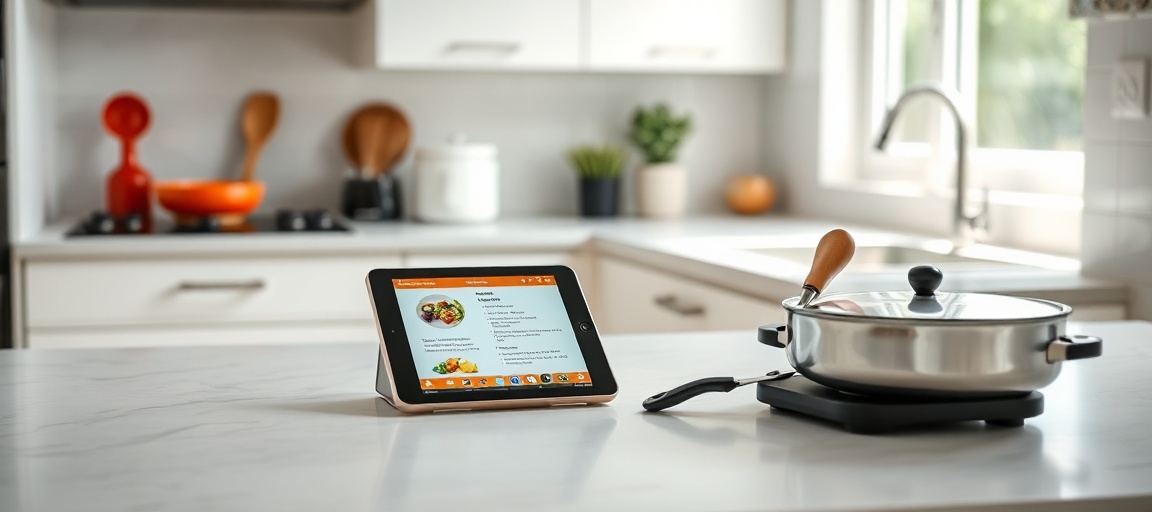
Unpacking the Hype Around Kids Cooking Tech
The Consumer Electronics Show (CES) in January 2026 showcased significant advancements in kitchen technology, including cutting-edge AI-powered appliances designed to revolutionize home cooking. Amidst this wave of innovation, many parents are left wondering: is specialized kids cooking tech genuinely beneficial for their children, or is it just another passing fad designed to grab attention and dollars?
In an era where technology permeates nearly every aspect of our lives, the kitchen is no exception. From smart ovens to automated meal prep systems, the tools we use to cook are becoming increasingly sophisticated. This raises a crucial question for families: how does this technological evolution translate to the world of children's culinary activities?
This article will explore the current landscape of kids cooking tech, examining what's available, its potential benefits, and whether investing in these gadgets is truly a worthwhile endeavor for fostering independence, creativity, and essential life skills in young chefs.
More Than Just Mini Utensils The Evolution of Kids Cooking Tools
For generations, kids' cooking tools typically meant scaled-down versions of adult utensils: plastic knives, small rolling pins, and brightly colored mixing bowls. While these traditional sets still play a vital role in introducing basic kitchen skills, the landscape of **kids cooking tech** has evolved dramatically.
Today, the market offers a range of tools that go beyond simple functionality, integrating technology to make cooking more engaging, educational, and safe for children. This shift reflects a broader trend towards interactive learning and personalized experiences, even in the kitchen.

- Safety Enhancements: Many modern kids' cooking gadgets feature enhanced safety mechanisms, such as cool-touch surfaces, automatic shut-offs, and blunt blades, significantly reducing the risk of accidents.
- Interactive Guidance: Digital screens and guided recipe programs are becoming common, allowing children to follow step-by-step instructions with visual cues, making complex recipes more accessible.
- Skill Development: Beyond just mixing and stirring, these tools can help children understand concepts like measurement accuracy, temperature control, and even basic food science, laying a foundation for more advanced culinary skills.
The progression from basic plastic sets to smart, interactive devices highlights a growing recognition of cooking as a valuable educational activity. For a deeper dive into kitchen appliances, visit Wikipedia's page on kitchen appliances.
AI and Automation How Smart Tech is Reshaping Young Chefs' Kitchens
The most significant advancements in kitchen technology, as seen at CES in January 2026, are centered around AI and automation. While many of these high-end devices, like the Wan AIChef Ultra, are designed for adult use, their underlying principles are beginning to influence the development of kid-friendly technology. The Wan AIChef Ultra, for instance, uses AI to customize meals based on personal tastes and dietary needs, a concept that could be simplified for children to learn about nutrition and recipe adaptation.
Read also: Tired Of Messy Kitchens While Cooking With Kids? Try This
Multi-functional appliances are also gaining traction. The Dreame Feast DS50 Air Fryer, with its dual cooking chambers, exemplifies how efficiency and versatility are becoming standard. For children, this could translate into simplified, all-in-one devices that guide them through cooking multiple components of a meal with ease and safety.

These smart solutions often feature intuitive interfaces, voice commands, and pre-programmed settings that minimize the need for complex manual adjustments, making cooking more approachable for younger users. The goal is to demystify the cooking process, allowing children to focus on creativity and learning rather than technical challenges.
| Feature | Basic Kids' Baking Set | Entry-Level Smart Kids' Cooking Device |
|---|---|---|
| Typical Price Range | $25 - $40 | $70 - $120 |
| Main Function | Mixing, measuring, baking | Guided recipes, simple cooking tasks |
| Learning Focus | Basic culinary skills | Following instructions, ingredient science |
| Tech Level | None | Digital display, pre-programmed settings |
| Safety Features | Child-safe materials | Auto-shutoff, cool-touch surfaces, guided prompts |
Preços aproximados consultados em 27/05/2026 e sujeitos a alteração. Consulte lojas oficiais para valores atualizados.
Beyond the Gadgets Educational Programs and Community Engagement
The excitement around kids cooking tech isn't limited to physical devices; it extends into a vibrant ecosystem of educational programs and community initiatives. These programs often leverage technology to enhance learning and engagement, demonstrating that the value of culinary education goes far beyond just operating a gadget.
For example, dedicated YouTube channels for children's cooking series, such as "Jacques Pépin Cooking at Home," provide accessible, high-quality instruction that combines traditional techniques with modern media. These platforms offer a vast library of recipes and tips, allowing children to learn at their own pace and explore diverse cuisines.
See also: Seafood tech trends 2026 — Seafood Tech Trends for 2026 Will Change How You Cook Fish
In a more structured setting, programs like "Culinary Creators x Voyagers Studio" are setting new standards. This summer program, scheduled to run from June 22 to August 14, 2026, combines cooking, food science, and filmmaking for kids aged 7-14, offering a holistic approach to culinary education. Similarly, competitions like the "Future Chefs Challenge 2026," which recently announced Roselyn as its national champion, highlight and celebrate young culinary talent, inspiring others to get involved.
Practical Tip: While **kids cooking tech** can be a fantastic learning aid, always balance screen time with hands-on, sensory experiences. Encourage children to touch, smell, and taste ingredients to fully engage their senses in the cooking process.
These initiatives underscore that technology, when integrated thoughtfully, can amplify the learning experience, making cooking more appealing and enriching for children. For information on general educational resources, visit USA.gov's education portal.
Making the Investment Is Kids Cooking Tech Worth It for Your Family?
Deciding whether to invest in **kids cooking tech** ultimately comes down to your family's specific needs, budget, and educational goals. While some advanced AI-powered kitchen appliances are still primarily designed for adults, the influence of these innovations is trickling down into more accessible and kid-friendly products. Currently, general home and kitchen products in the US can range widely, from basic utensils costing around $10 to high-end appliances reaching thousands of dollars. For children's specific cooking tools, you can find basic sets starting from about $15 to more sophisticated smart gadgets in the $70-$150 range.
When considering a purchase, it's important to weigh the potential benefits against the cost. These tools can foster independence, teach valuable life skills, and even introduce STEM concepts through food science. However, it's crucial to remember that simpler, more budget-friendly options, including traditional cooking tools, remain incredibly valuable for culinary education. The market context of 2026 offers both cutting-edge, AI-influenced devices and dependable, classic kitchen essentials, allowing families to choose what best fits their situation.

Here are a few factors to consider before making a purchase:
Check out: Cooking Basics For Beginners Don't Have to Be Hard Anymore
- Child's Age and Skill Level: Ensure the tech is age-appropriate and aligns with your child's current abilities and interest in cooking.
- Safety Features: Prioritize products with robust safety features to prevent accidents and ensure a positive learning environment.
- Educational Value: Look for tools that genuinely teach skills or concepts, rather than simply automating tasks without understanding.
- Durability and Ease of Cleaning: Kids' items should be built to last and easy to maintain for regular use.
- Budget: As mentioned, prices vary widely. Determine what you're comfortable spending, remembering that effective culinary education doesn't always require the most expensive gadgets.
Ultimately, the goal is to make cooking an enjoyable and educational experience. Whether that involves a high-tech smart device or a simple mixing bowl, the focus should always be on nurturing a love for food and culinary exploration. For more on child development and learning, consider resources like Wikipedia's child development page, or for STEM education, Wikipedia's STEM education page.
Frequently Asked Questions
What are the main benefits of kids cooking tech? Kids cooking tech can make cooking more engaging, safer, and educational for children. It helps develop fine motor skills, teaches measurement and following instructions, and fosters independence and creativity in the kitchen. Many tools also introduce basic STEM concepts through food science.

Is kids cooking tech safe for young children? Yes, many modern kids cooking tech products are designed with enhanced safety features, such as cool-touch surfaces, automatic shut-offs, and child-safe materials, to minimize risks. Always supervise children in the kitchen, regardless of the tools they are using. For general food safety guidelines, refer to Wikipedia's food safety information.
How much does kids cooking tech typically cost? The cost of kids cooking tech varies significantly. Basic kids' utensil sets can range from $15 to $40, while entry-level smart cooking devices designed for children might cost between $70 and $150. More advanced, AI-influenced kitchen gadgets, often simplified versions of adult tech, could be in the $150-$300 range. Prices are approximate and subject to change, so always check official retailers for current values.
Conclusion
The world of **kids cooking tech** is rapidly expanding, offering exciting possibilities for engaging children in the culinary arts. From smart appliances that guide them through recipes to dedicated educational programs, technology is undeniably enriching the learning experience in the kitchen.
- Kids cooking tech provides enhanced safety features and interactive learning.
- AI and automation are influencing even child-friendly kitchen tools, simplifying complex tasks.
- Educational programs and online resources complement physical gadgets, offering holistic culinary education.
- The decision to invest depends on a family's budget, the child's age, and the desired educational outcomes.
For more content, visit the homepage of Cooking Melt.
Ultimately, whether you opt for high-tech gadgets or traditional tools, the most important ingredient is the shared experience and the joy of creating something delicious together. Empowering children in the kitchen, with or without advanced tech, is a valuable investment in their development and a wonderful way to create lasting family memories.







0 Comentários: