Are Your One Pot Meals Always Bland? This One Trick Changes Everything
Unlocking the Secret to Flavorful One Pot Meals
In 2026, the culinary landscape continues to embrace practicality and comfort, with a strong resurgence in home-cooked meals. This t
In 2026, the culinary landscape continues to embrace practicality and comfort, with a strong resurgence in home-cooked meals. This trend has placed a spotlight on one pot meals, celebrated for their convenience and minimal cleanup. New cookbook releases this year, such as "The Ultimate One-Pot Cookbook - 2026 Edition" and international collections like "Simply Donabe: Japanese One-Pot Recipes" (released in January 2026), underscore the enduring popularity of this cooking style.
Yet, for all their advantages, many home cooks find their one pot meals often fall short on flavor. They might be easy to prepare, but they sometimes lack the depth, complexity, and vibrancy found in dishes requiring multiple steps and pans. The convenience comes at the cost of a truly satisfying taste experience, leaving you wondering if your efforts are truly worth it.
If you've ever felt that your one pot meals taste a bit... flat, you're not alone. The good news is that transforming these dishes from merely convenient to genuinely delicious requires understanding just one fundamental culinary principle: layering flavors. This article will guide you through the specific techniques to ensure your next one pot meal is anything but bland.
The Core Principle – Building Layers of Flavor
The single most impactful trick to elevate your one pot meals is to think in terms of layers. Instead of dumping all ingredients into a pot at once, which often results in a muddled taste, you build flavor step-by-step. Each addition contributes a distinct element that harmonizes with the others, creating a complex and satisfying profile.
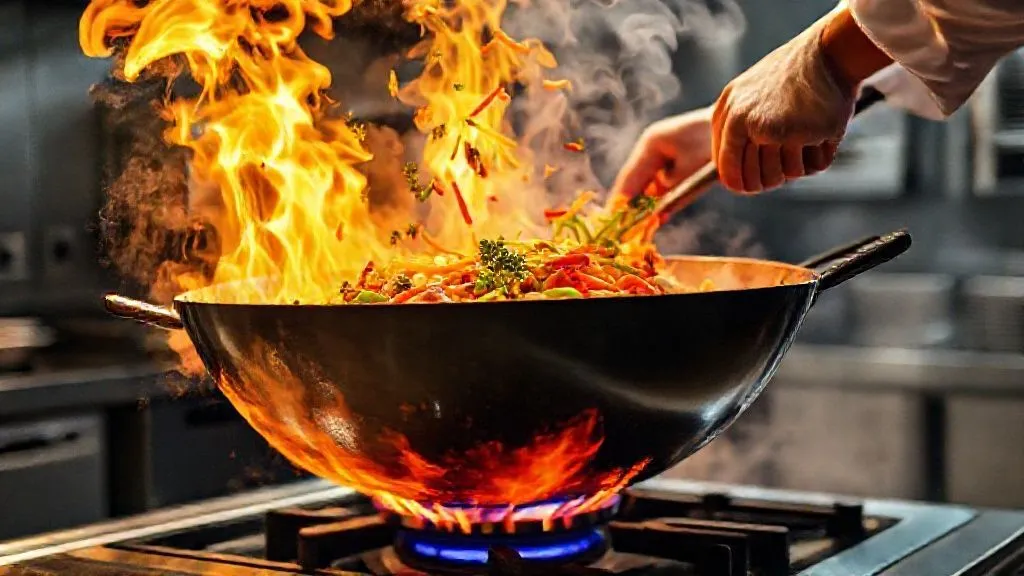
Cozinheiro adiciona cuidadosamente temperos e vegetais, construindo camadas de sabor.
This approach mimics how professional chefs create rich, nuanced dishes, but adapted for the simplicity of a single vessel. It’s about giving each ingredient its moment to shine and contribute before being combined. Here are the key components to consider when layering:
Aromatics: Onions, garlic, celery, carrots, bell peppers – these form the foundational scent and taste.
Proteins: Meats, poultry, fish, or plant-based alternatives like tofu or beans, which often contribute savory notes and texture.
Deglazing Liquids: Broth, wine, or even water that captures flavorful bits from the bottom of the pot.
Spices and Herbs: From earthy cumin to bright cilantro, these provide aromatic complexity.
Acids: Lemon juice, vinegar, or tomatoes that brighten flavors and cut through richness.
Umami Boosters: Ingredients like mushrooms, soy sauce, or Parmesan cheese that add depth.
Mastering Aromatics and Searing for Your One Pot Meals
The first layer of flavor in most savory one pot meals comes from your aromatics. Starting with a hot pan and a good fat (like olive oil or butter), sautéing your onions, garlic, and other mirepoix vegetables until they are tender and slightly caramelized is crucial. This process releases their natural sugars and deepens their flavor.
Equally important is searing your proteins. Whether it's chicken thighs, beef chunks, or even hearty mushrooms, browning them thoroughly before adding other ingredients creates a rich "fond" – the browned bits stuck to the bottom of the pot. This fond is packed with flavor and will become the backbone of your dish once deglazed.
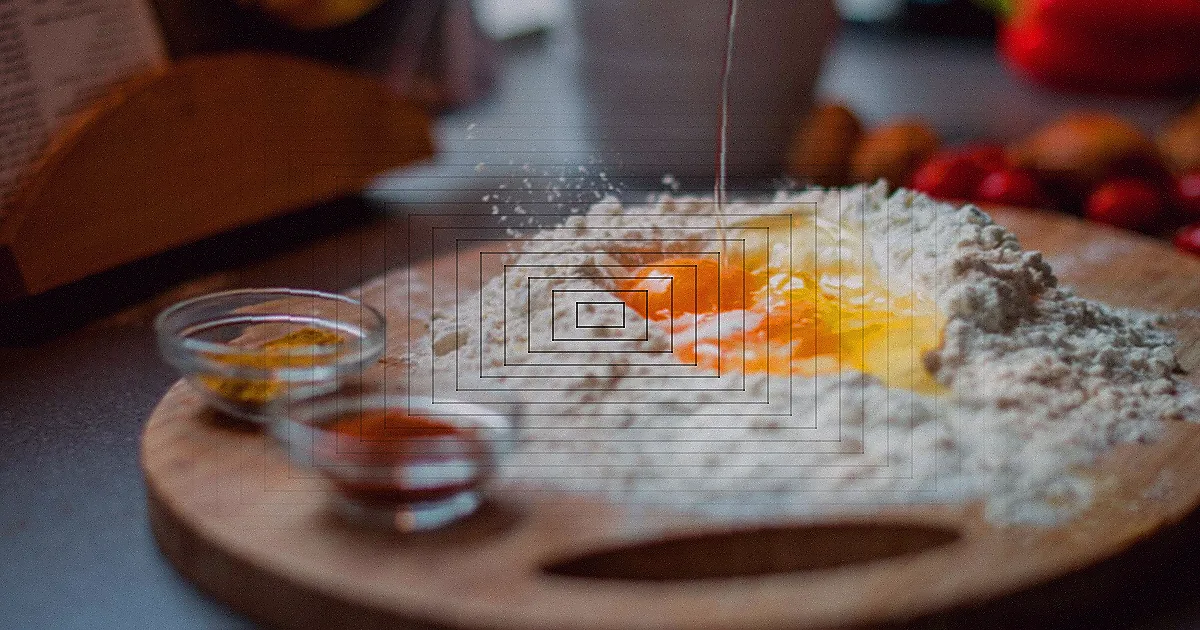
O refogado de cebola e alho libera aromas, formando a base de sabor do prato.
Heat the Pot: Start with your Dutch oven or heavy-bottomed pot over medium-high heat.
Add Fat: A tablespoon or two of oil or butter.
Sear Proteins: Brown your meat on all sides. Do this in batches if necessary to avoid overcrowding the pot, which prevents proper searing. Remove the seared protein and set aside.
Sauté Aromatics: Add onions, garlic, and other base vegetables to the same pot. Cook until softened and fragrant, scraping up any fond released from the protein.
The Power of Deglazing and Acid
Once your aromatics are softened and there's a good fond at the bottom of your pot, it's time to deglaze. This step is a game-changer for one pot meals. By adding a liquid like broth, wine, or even water to the hot pot, you can scrape up all those flavorful browned bits, incorporating them directly into your sauce. This immediately adds a profound depth that would otherwise be lost.
After deglazing, consider the role of acid. A squeeze of lemon juice, a splash of red wine vinegar, or the inclusion of diced tomatoes can brighten the entire dish, balancing richness and preventing a heavy, one-note flavor. Acid acts like a reset button for your palate, making each bite more exciting.
Practical Tip: Always deglaze your pot after searing proteins and sautéing aromatics. Those browned bits are pure flavor gold, and scraping them into your liquid base will make a noticeable difference in your one pot meals.
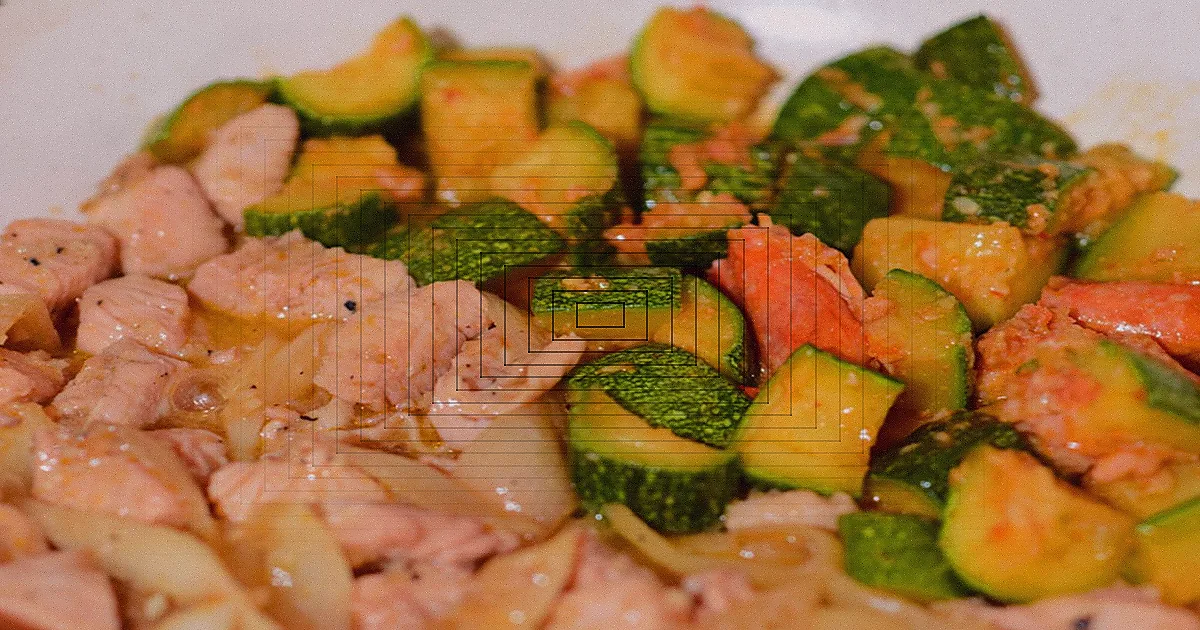
Um toque cítrico de limão adiciona frescor e equilibra os sabores do prato.
Herbs and spices are another critical layer. Ground spices, like cumin or coriander, are best added to the pot after aromatics have softened and cooked for a minute or two to bloom their flavors in the hot oil. Fresh herbs, such as parsley or basil, are usually best added towards the end of cooking to preserve their vibrant taste and color.
Don't underestimate the power of umami. Ingredients rich in umami can dramatically enhance the savory depth of your one pot meals. Think about adding a tablespoon of tomato paste, a dash of soy sauce, a handful of dried mushrooms, or a sprinkle of nutritional yeast. These elements contribute a profound, satisfying richness that makes the dish feel complete.
Flavor Element
Example Ingredients
Aromatics
Onions, Garlic, Celery, Carrots
Acids
Lemon Juice, Vinegar, Tomatoes, Wine
Umami Boosters
Tomato Paste, Soy Sauce, Mushrooms, Parmesan
Fresh Herbs
Parsley, Cilantro, Basil, Dill
Dried Spices
Cumin, Paprika, Oregano, Thyme
Choosing the Right Tools for Your One-Pot Masterpiece
While the techniques are universal, having the right equipment can make preparing delicious one pot meals even easier. A good quality pot will distribute heat evenly and retain it well, crucial for consistent cooking and developing fond.
Uma panela robusta é essencial para o cozimento uniforme e o desenvolvimento de sabores.
Consider a Dutch oven, a heavy-bottomed pot, or even a modern multi-cooker like an Instant Pot. Each has its advantages. Dutch ovens are excellent for slow-cooked stews and braises, creating tender results. Multi-cookers offer speed and versatility, perfect for busy weeknights. Even a sturdy sheet pan can be transformed into a vessel for sheet pan dinners, another form of one pot meals, where ingredients roast together to develop deep, caramelized flavors.
When selecting your cookware, prioritize durability and even heat distribution. For example, a quality cast iron Dutch oven might range from $70 to $400, depending on brand and size (e.g., Lodge vs. Le Creuset). An Instant Pot can typically be found between $80 and $150. Sheet pans are much more affordable, often available for $15 to $30 for a set. Preços aproximados consultados em 27/05/2026 e sujeitos a alteração. Consulte lojas oficiais para valores atualizados.
Dutch Oven: Ideal for slow cooking, braising, and developing rich sauces.
Instant Pot/Multi-Cooker: Best for speed and convenience, often with pressure cooking capabilities.
Heavy-Bottomed Skillet: Versatile for stovetop one pot meals, especially those involving searing and simmering.
Sheet Pan: Perfect for roasted one pot meals, allowing for great caramelization.
Perguntas Frequentes
How do I prevent my one pot meals from being watery?To avoid watery one pot meals, ensure you don't add too much liquid initially. Many ingredients, especially vegetables, release moisture as they cook. You can also thicken sauces towards the end of cooking with a cornstarch slurry or by simmering with the lid off to reduce.
Can I make vegetarian one pot meals flavorful?Absolutely! Vegetarian one pot meals benefit immensely from flavor layering. Focus on robust aromatics, umami-rich ingredients like mushrooms, sun-dried tomatoes, or miso paste, and plenty of herbs and spices. Don't forget to sear heartier vegetables or plant-based proteins to build fond.
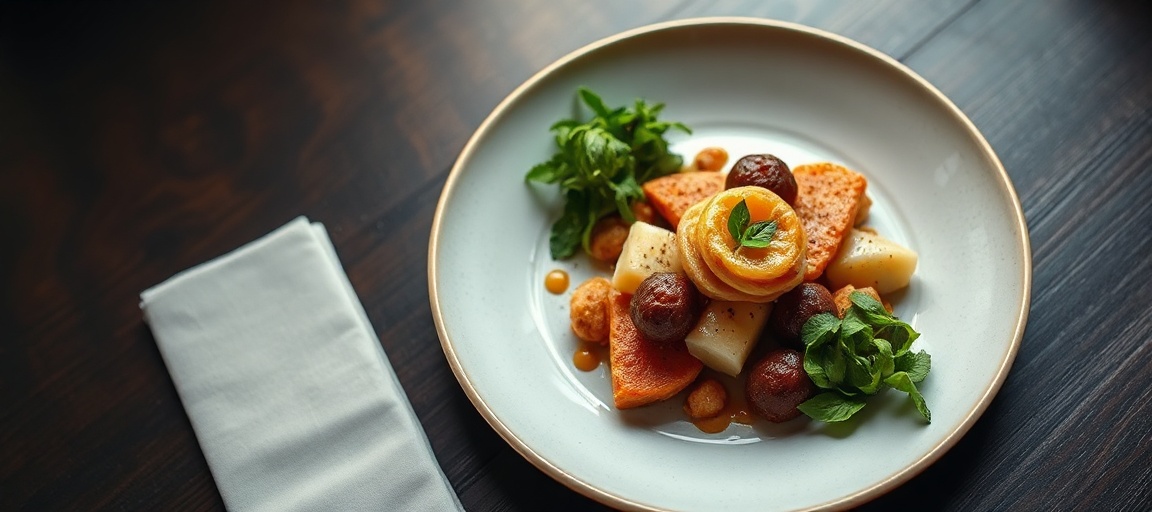
Um molho cremoso e espesso, resultado de um cozimento cuidadoso para evitar excesso de líquido.
What are some good beginner one pot meals?For beginners, try simple recipes like a sausage and pepper sheet pan meal, a chicken and rice casserole, or a lentil soup. These dishes are forgiving and allow you to practice the layering techniques discussed, leading to delicious one pot meals.
Conclusão
Transforming your one pot meals from bland to brilliant is entirely achievable by embracing the art of flavor layering. It’s a simple shift in mindset that yields dramatic results, making your cooking more enjoyable and your dishes more satisfying. By taking a few extra minutes to build a strong foundation of aromatics, sear your proteins, deglaze the pot, and strategically add acids, herbs, and umami, you unlock a world of delicious possibilities.
Start with a solid base of sautéed aromatics.
Sear proteins thoroughly to create flavorful fond.
Deglaze the pot to capture all those delicious browned bits.
Incorporate acids for brightness and balance.
Layer in spices, herbs, and umami boosters at appropriate times.
As we continue through 2026, the demand for convenient, yet flavorful, home cooking remains strong. Applying this one trick to your cooking routine will not only elevate your one pot meals but also deepen your understanding of how flavors interact, making every dish you create a true masterpiece. Embrace the layers, and savor the difference.
I'm self-taught, passionate about writing, and driven by the desire to understand the world — one subject at a time. I've dived into copywriting, SEO, and content production, all hands-on. This blog is where I bring all the pieces together. If you're also the curious type, you'll feel right at home.
 By
By 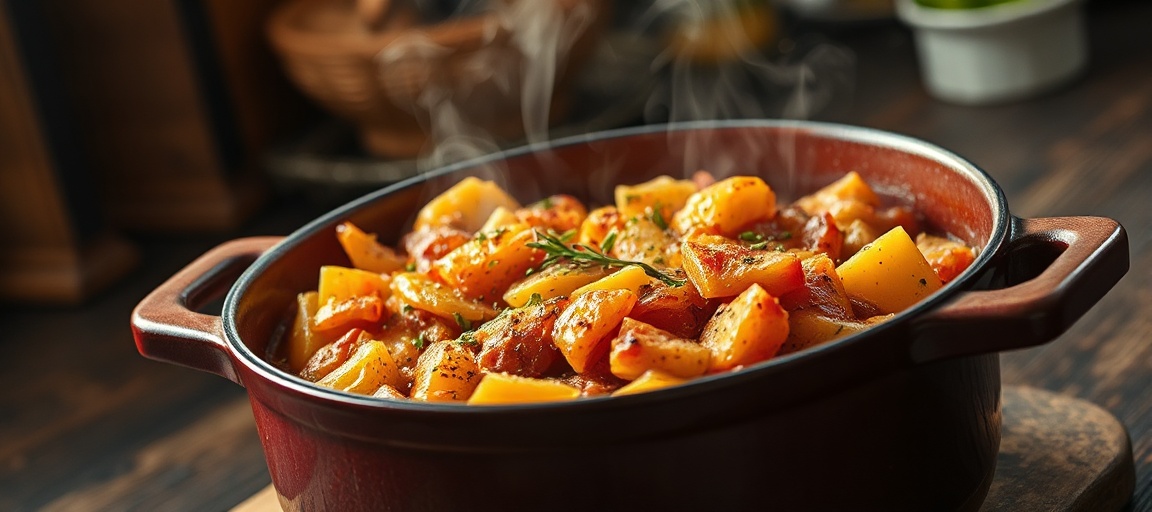




0 Comentários: